Environmental Health and Ecological Science Department, Ifakara Health Institute, Ifakara, Tanzania.
School of Public Health, Faculty of Health Sciences, University of the Witwatersrand, Johannesburg, South Africa.
PLoS One. 2022 Jul 25;17(7):e0271833. doi: 10.1371/journal.pone.0271833. eCollection 2022.
Understanding mosquito biting behaviours is important for designing and evaluating protection methods against nuisance biting and mosquito-borne diseases (e.g. dengue, malaria and zika). We investigated the preferred biting sites by Aedes aegypti and Anopheles arabiensis on adult volunteers in standing or sleeping positions; and estimated the theoretical protection limits affordable from protective clothing or repellent-treated footwear.
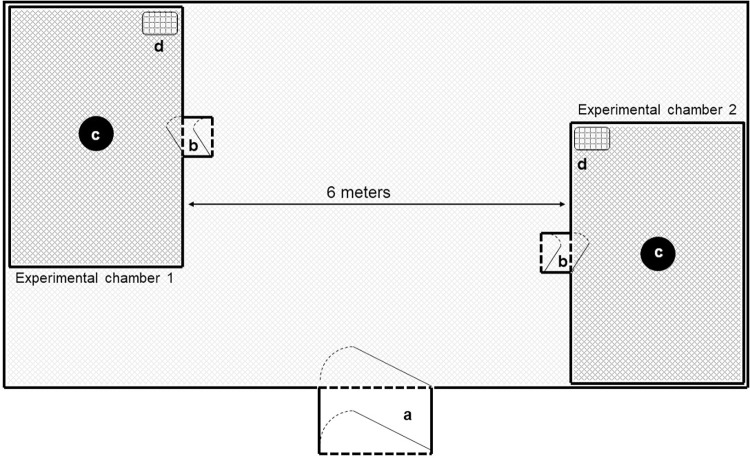
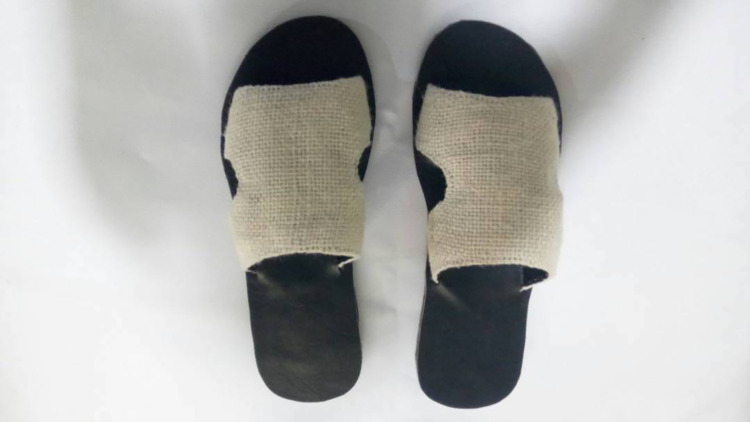
Adult volunteers dressed in shorts and t-shirts were exposed to infection-free laboratory-reared mosquitoes inside screened chambers from 6am to noon (for day-biting Ae. aegypti) or 6pm to midnight (night-biting An. arabiensis). Attempted bites on different body parts were recorded. Comparative observations were made on same volunteers while wearing sandals treated with transfluthrin, a vapour-phase pyrethroid that kills and repels mosquitoes.
An. arabiensis bites were mainly on the lower limbs of standing volunteers (95.9% of bites below the knees) but evenly-distributed over all exposed body surfaces when the volunteers were on sleeping positions (only 28.8% bites below knees). Ae. aegypti bites were slightly concentrated on lower limbs of standing volunteers (47.7% below knees), but evenly-distributed on sleeping volunteers (23.3% below knees). Wearing protective clothing that leave only hands and head uncovered (e.g. socks + trousers + long-sleeved shirts) could theoretically prevent 78-83% of bites during sleeping, and at least 90% of bites during non-sleeping hours. If the feet are also exposed, protection declines to as low as 36.3% against Anopheles. The experiments showed that transfluthrin-treated sandals reduced An. arabiensis by 54-86% and Ae. aegypti by 32-39%, but did not change overall distributions of bites.
Biting by An. arabiensis and Ae. aegypti occur mainly on the lower limbs, though this proclivity is less pronounced in the Aedes species. However, when hosts are on sleeping positions, biting by both species is more evenly-distributed over the exposed body surfaces. High personal protection might be achieved by simply wearing long-sleeved clothing, though protection against Anopheles particularly requires covering of feet and lower legs. The transfluthrin-treated footwear can reduce biting risk, especially by An. arabiensis. These findings could inform the design and use of personal protection tools (both insecticidal and non-insecticidal) against mosquitoes and mosquito-borne diseases.
了解蚊子的叮咬行为对于设计和评估针对骚扰性叮咬和蚊媒疾病(如登革热、疟疾和寨卡病毒)的保护方法非常重要。我们研究了埃及伊蚊和阿拉伯按蚊在成人志愿者站立或睡眠姿势下的首选叮咬部位;并估计了从防护衣或驱虫处理的鞋类中获得的理论保护极限。
志愿者穿着短裤和 T 恤,在有屏蔽的室内暴露于无感染的实验室饲养的蚊子中,从早上 6 点到中午(针对日间叮咬的埃及伊蚊)或晚上 6 点到午夜(针对夜间叮咬的阿拉伯按蚊)。记录对不同身体部位的尝试叮咬。对穿着用四氟苯菊酯处理的凉鞋的同一志愿者进行了比较观察,四氟苯菊酯是一种蒸气相拟除虫菊酯,可杀死并驱避蚊子。
阿拉伯按蚊的叮咬主要集中在站立志愿者的下肢(膝盖以下的叮咬占 95.9%),但当志愿者处于睡眠姿势时,叮咬均匀分布在所有暴露的身体表面(只有 28.8%的叮咬在膝盖以下)。埃及伊蚊的叮咬略集中于站立志愿者的下肢(膝盖以下 47.7%),但在睡眠志愿者中均匀分布(膝盖以下 23.3%)。如果穿着只露出手和头的防护衣(例如袜子+裤子+长袖衬衫),理论上可以在睡眠期间防止 78-83%的叮咬,并且在非睡眠期间至少防止 90%的叮咬。如果脚部也暴露在外,则对按蚊的保护率下降到低至 36.3%。实验表明,四氟苯菊酯处理的凉鞋可将阿拉伯按蚊减少 54-86%,埃及伊蚊减少 32-39%,但不会改变叮咬的总体分布。
阿拉伯按蚊和埃及伊蚊的叮咬主要发生在下肢,尽管在埃及伊蚊中这种倾向不太明显。然而,当宿主处于睡眠姿势时,两种物种的叮咬更均匀地分布在暴露的身体表面上。只需穿着长袖衣服就可以实现高度的个人保护,尽管对按蚊的保护特别需要覆盖脚部和小腿。经四氟苯菊酯处理的鞋类可以降低叮咬风险,尤其是对阿拉伯按蚊。这些发现可以为针对蚊子和蚊媒疾病的个人防护工具(包括杀虫和非杀虫)的设计和使用提供信息。