
来自土地耕作土壤的菌株对原油的强大降解能力以及藻酸盐珠包埋菌群效率的协同模型
Great Abilities of Strain from a Landfarming Soil for Crude Oil Degradation and a Synergy Model for Alginate-Bead-Entrapped Consortium Efficiency.
作者信息
Goma-Tchimbakala Emerance Jessica Claire D'Assise, Pietrini Ilaria, Dal Bello Federica, Goma-Tchimbakala Joseph, Lo Russo Stefano, Corgnati Stefano Paolo
机构信息
Energy Center Lab, Department of Energy, Politecnico di Torino, 10138 Torino, Italy.
Institut National de Recherche en Sciences Exactes et Naturelles (IRSEN), Brazzaville P.O. Box 2400, Congo.
出版信息
Microorganisms. 2022 Jul 6;10(7):1361. doi: 10.3390/microorganisms10071361.
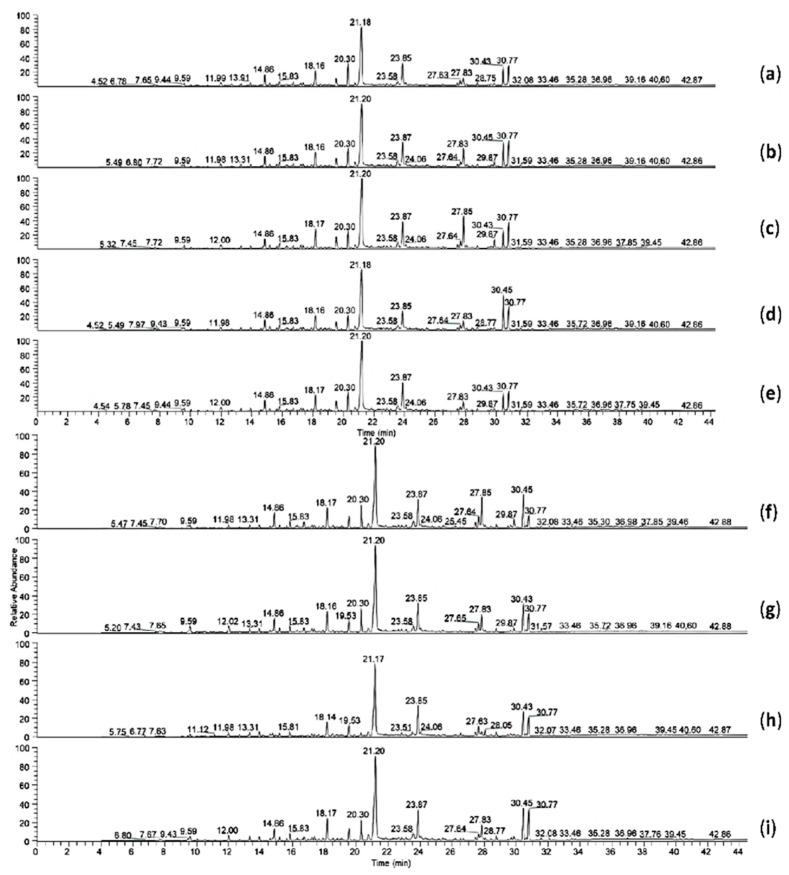
Oil contamination is of great concern worldwide and needs to be properly addressed. The present work aimed to contribute to the development of bacterial consortia for oil recovery. We investigated the community structure of a landfarming-treated soil (LF2) by metagenomics to unravel the presence of hydrocarbon degraders. Moreover, we isolated LFG9 and LFS15 from LF2 and combined them with SGPP2 isolated from an auto mechanic workshop soil to form the mixed consortium COG1. Bacterial isolates were tested for biosurfactant production. Additionally, the bioremediation potential of COG1 was studied as free and entrapped consortia by gas chromatography-mass spectrometry, in comparison to the single strains. Results revealed the presence of Actinobacteria (66.11%), Proteobacteria (32.21%), Gammaproteobacteria (5.39%), Actinomycetales (65.15%), Burkholderiales (13.92%), and (32.22%) taxa, indicating the presence of hydrocarbon degraders in soil LF2. All three isolated strains were biosurfactant producers capable of degrading crude oil components within 14 days. However, LFG9 performed best and was retained as candidate for further bioremediation investigation. In addition, COG1 performed better when immobilized, with entrapment effectiveness manifested by increased fatty acids and aromatic compound degradation. Attempt to improve crude oil biodegradation by adding surfactants failed as sodium dodecyl sulfate restrained the immobilized consortium performance.
石油污染是全球备受关注的问题,需要妥善解决。目前的工作旨在为开发用于石油回收的细菌联合体做出贡献。我们通过宏基因组学研究了土地耕作处理土壤(LF2)的群落结构,以揭示烃降解菌的存在。此外,我们从LF2中分离出LFG9和LFS15,并将它们与从汽车修理车间土壤中分离出的SGPP2组合,形成混合联合体COG1。对分离出的细菌进行了生物表面活性剂生产测试。此外,与单一菌株相比,通过气相色谱 - 质谱法研究了COG1作为游离和固定化联合体的生物修复潜力。结果显示存在放线菌(66.11%)、变形菌门(32.21%)、γ-变形菌纲(5.39%)、放线菌目(65.15%)、伯克霍尔德菌目(13.92%)和(32.22%)分类群,表明土壤LF2中存在烃降解菌。所有三种分离菌株都是生物表面活性剂生产者,能够在14天内降解原油成分。然而,LFG9表现最佳,被保留作为进一步生物修复研究的候选菌株。此外,COG1固定化后表现更好,脂肪酸和芳香化合物降解增加表明了包埋效果。添加表面活性剂改善原油生物降解的尝试失败了,因为十二烷基硫酸钠抑制了固定化联合体的性能。


 Zotero 插件