Kumar Naresh, Amin Faiza, Hashem Danya, Khan Sara, Zaidi Huma, Rahman Sehrish, Farhan Tooba, Mahmood Syed Junaid, Asghar Muhammad Asif, Zafar Muhammad Sohail
Department of Science of Dental Materials, Dr. Ishrat Ul Ebad Khan Institute of Oral Health Sciences, Dow University of Health Sciences, Karachi 74200, Pakistan.
Department of Science of Dental Materials, Dow Dental College, Dow University of Health Sciences, Karachi 74200, Pakistan.
Biomimetics (Basel). 2022 Jul 26;7(3):102. doi: 10.3390/biomimetics7030102.
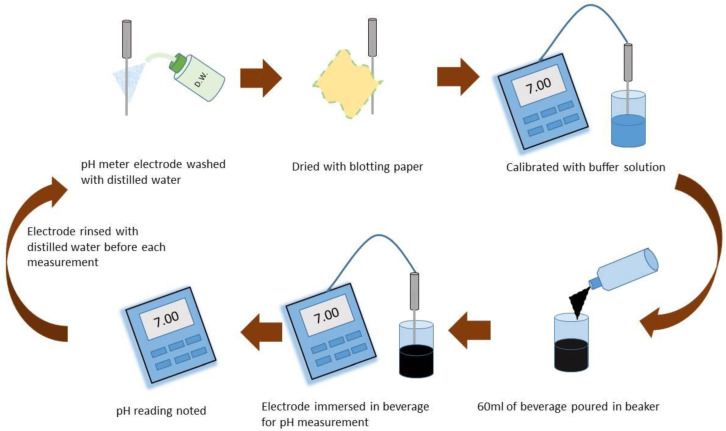
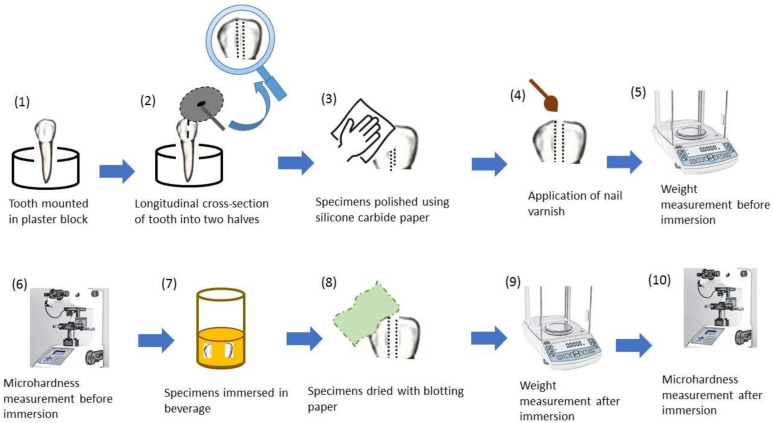
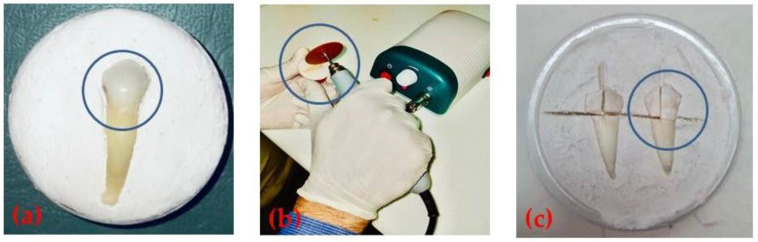
The objectives of this study were to investigate the pH of common beverages and to evaluate the effects of common acidic beverages on the surface hardness and weight loss of human tooth specimens. A total of 106 beverages were conveniently purchased from supermarkets in Karachi, Pakistan. Prior to evaluation, beverages were refrigerated or stored at room temperature in accordance with the manufacturers’ recommendations. Beverages were categorized into six groups: ‘Sports and Energy drinks’, ‘Water’, ‘Fruit Juices and Drinks’, ‘Sodas’, ‘Milk and Flavored Milk’ and ‘Teas and Coffee’. Using a pH meter, the pH of each beverage was measured in triplicate at room temperature. In addition, the influence of five highly acidic beverages on the weight loss and surface hardness of human tooth specimens was evaluated using gravimetric analysis and the Vickers hardness tester, respectively. ‘Sports and Energy drinks’, ‘Fruits Juices and Drinks’ and ‘Sodas’ were the most acidic beverage categories, with a pH range of 3.00−5.00. A total of 33% of beverages tested in this study were highly acidic (pH less than 4.00), 29% of beverages were moderately acidic (pH 4.00−4.99) and 31% were mildly acidic (pH 5.00−6.99). Significant weight loss was observed in all immersed specimens compared to control counterparts (p < 0.05). Similarly, for surface hardness, five highly acidic beverages (Red Bull, Pepsi, Apple Cidra, Tang Mosambi and Tang Orange) significantly decreased the surface hardness of specimens (p < 0.05). The pH levels of commonly available beverages in Pakistan are highly acidic, which may encourage loss of minerals from teeth; hence, affecting their surface hardness.
本研究的目的是调查常见饮料的pH值,并评估常见酸性饮料对人牙齿标本表面硬度和重量损失的影响。总共从巴基斯坦卡拉奇的超市方便地购买了106种饮料。在评估之前,饮料按照制造商的建议冷藏或在室温下储存。饮料分为六组:“运动和能量饮料”、“水”、“果汁和饮料”、“汽水”、“牛奶和调味牛奶”以及“茶和咖啡”。使用pH计在室温下对每种饮料的pH值进行三次测量。此外,分别使用重量分析和维氏硬度测试仪评估了五种高酸性饮料对人牙齿标本重量损失和表面硬度的影响。“运动和能量饮料”、“果汁和饮料”以及“汽水”是酸性最强的饮料类别,pH值范围为3.00 - 5.00。本研究中测试的饮料共有33%为高酸性(pH值小于4.00),29%为中度酸性(pH值4.00 - 4.99),31%为轻度酸性(pH值5.00 - 6.99)。与对照样本相比,所有浸泡样本均观察到显著的重量损失(p < 0.05)。同样,对于表面硬度,五种高酸性饮料(红牛、百事可乐、苹果西打、唐莫桑比克和唐橙汁)显著降低了标本的表面硬度(p < 0.05)。巴基斯坦常见饮料的pH值水平呈高酸性,这可能会促使牙齿矿物质流失,从而影响其表面硬度。