Xie Yunxia, Shi Zhumei, Qian Yingchen, Jiang Chengfei, Liu Wenjing, Liu Bingjie, Jiang Binghua
Academy of Medical Science, School of Basic Medical Sciences, Affiliated Cancer Hospital of Zhengzhou University, Zhengzhou University, Zhengzhou 450052, China.
Department of Neurosurgery, The First Affiliated Hospital of Nanjing Medical University, 300 Guangzhou Road, Nanjing 210029, China.
Cancers (Basel). 2022 Jul 23;14(15):3600. doi: 10.3390/cancers14153600.
Breast cancer has one of highest morbidity and mortality rates for women. Abnormalities regarding epigenetics modification and pyruvate dehydrogenase kinase 1 (PDK1)-induced unusual metabolism contribute to breast cancer progression and chemotherapy resistance. However, the role and mechanism of epigenetic change in regulating PDK1 in breast cancer remains to be elucidated.
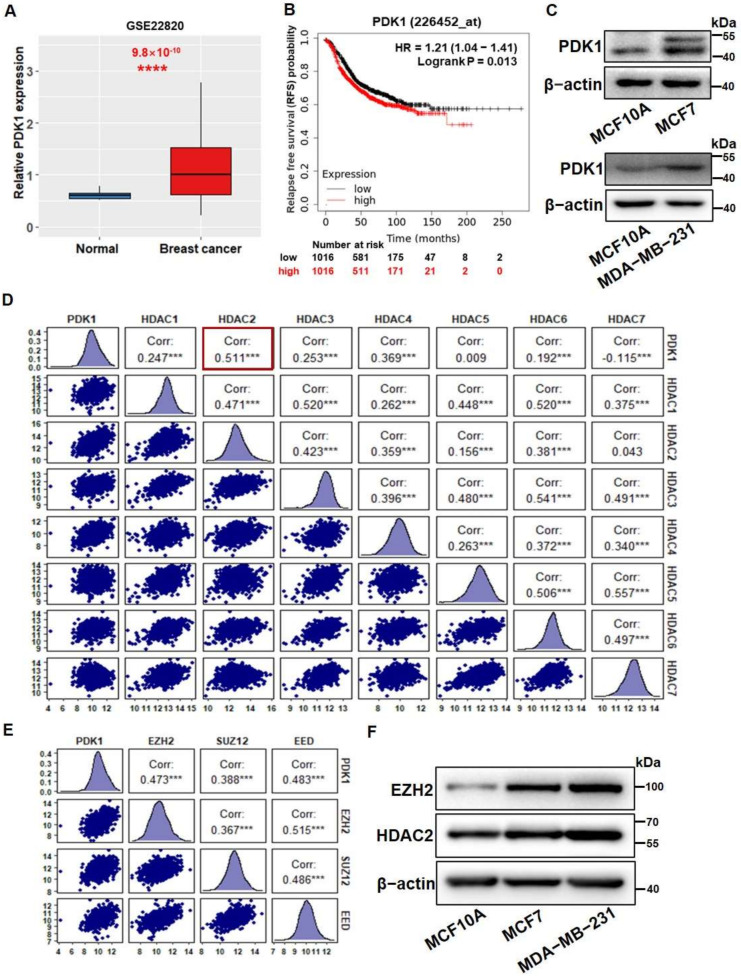
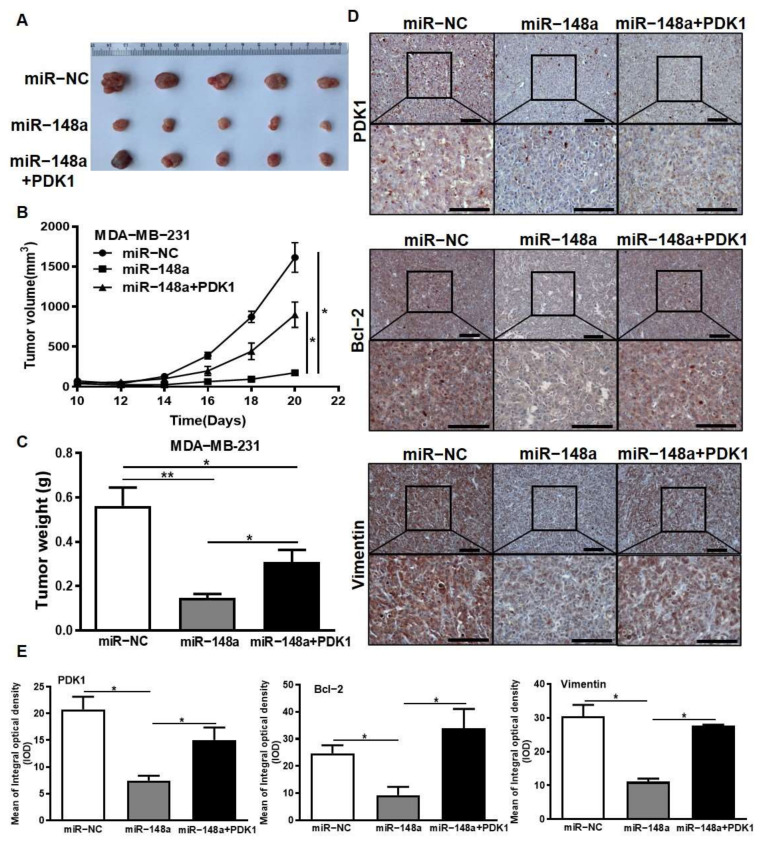
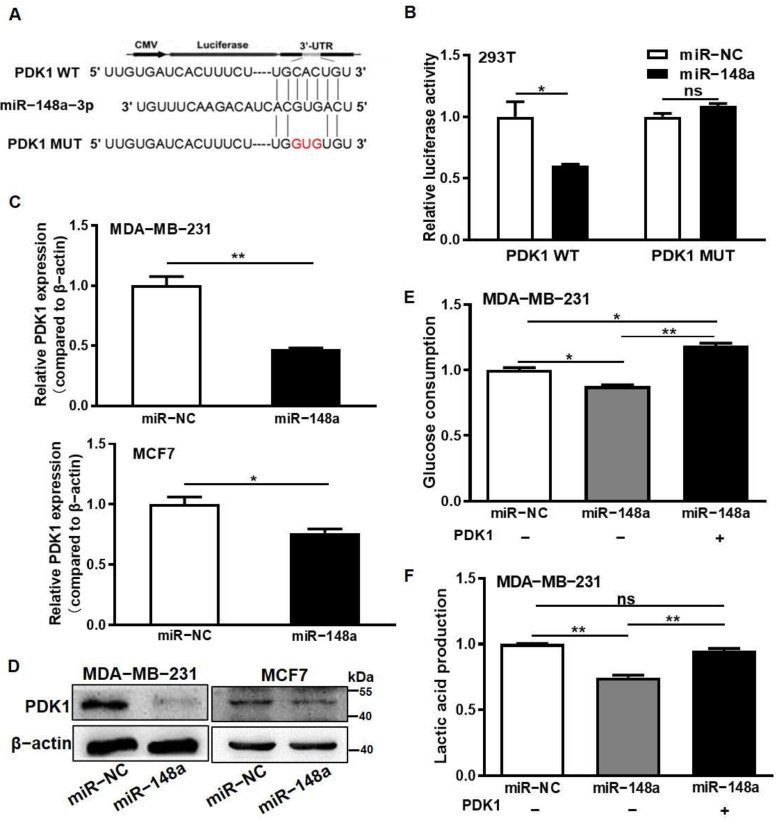
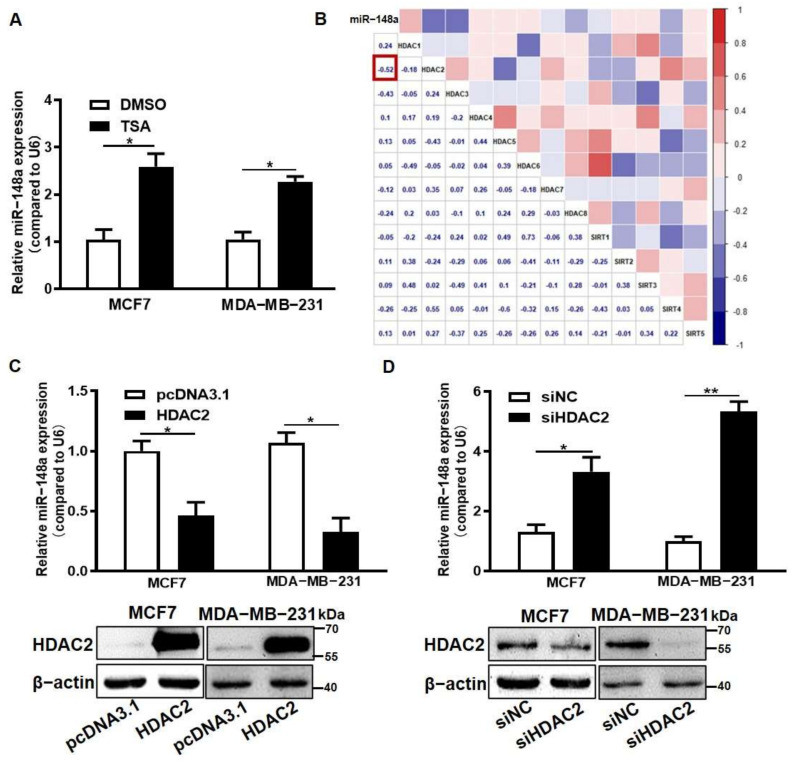
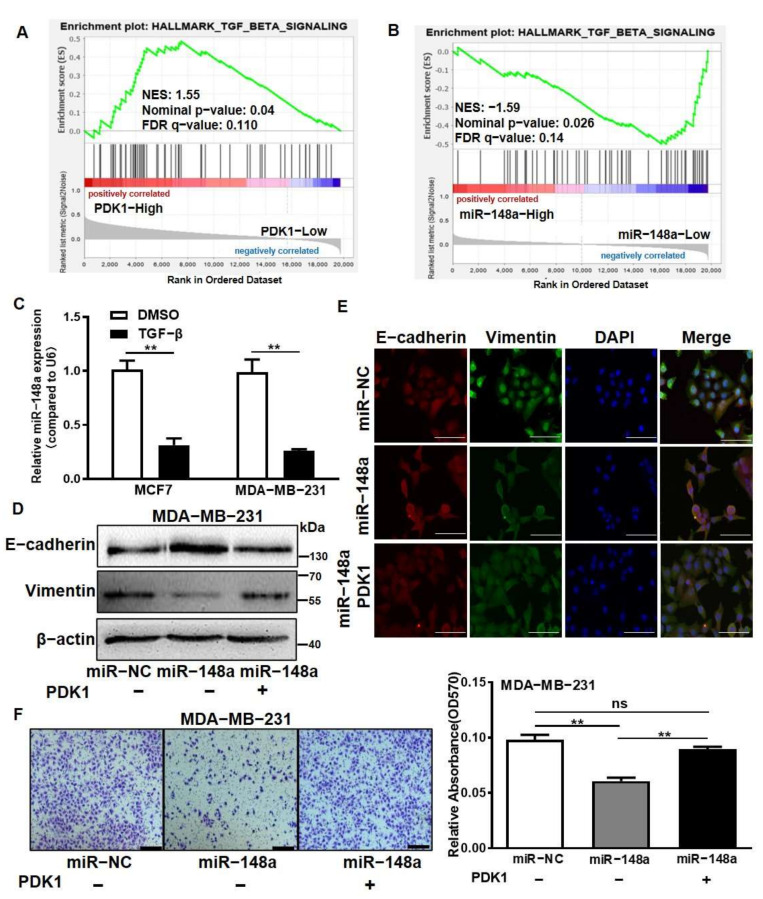
Gene set enrichment analysis (GSEA) and Pearson's correlation analysis were performed to analyze the relationship between histone deacetylase 2 (HDAC2), enhancer of zeste homologue 2 (EZH2), and PDK1 in database and human breast cancer tissues. Dual luciferase reporters were used to test the regulation between PDK1 and miR-148a. HDAC2 and EZH2 were found to regulate miR-148a expression through Western blotting assays, qRT-PCR and co-immunoprecipitation assays. The effects of PDK1 and miR-148a in breast cancer were investigated by immunofluorescence (IF) assay, Transwell assay and flow cytometry assay. The roles of miR-148a/PDK1 in tumor growth were investigated in vivo.
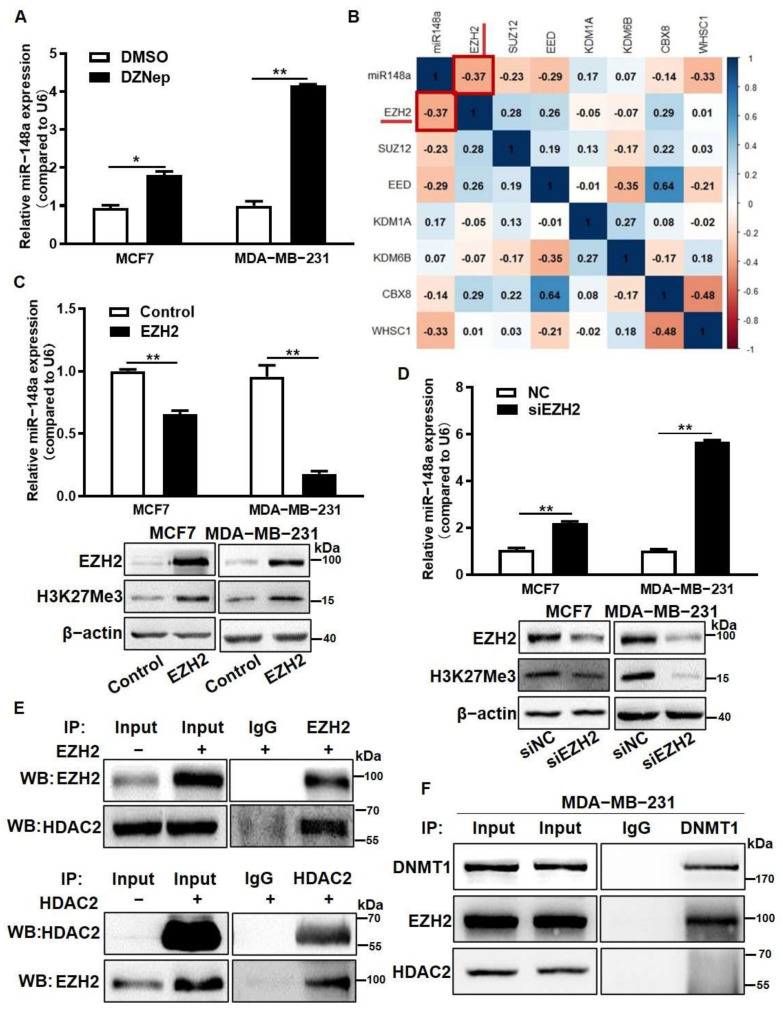
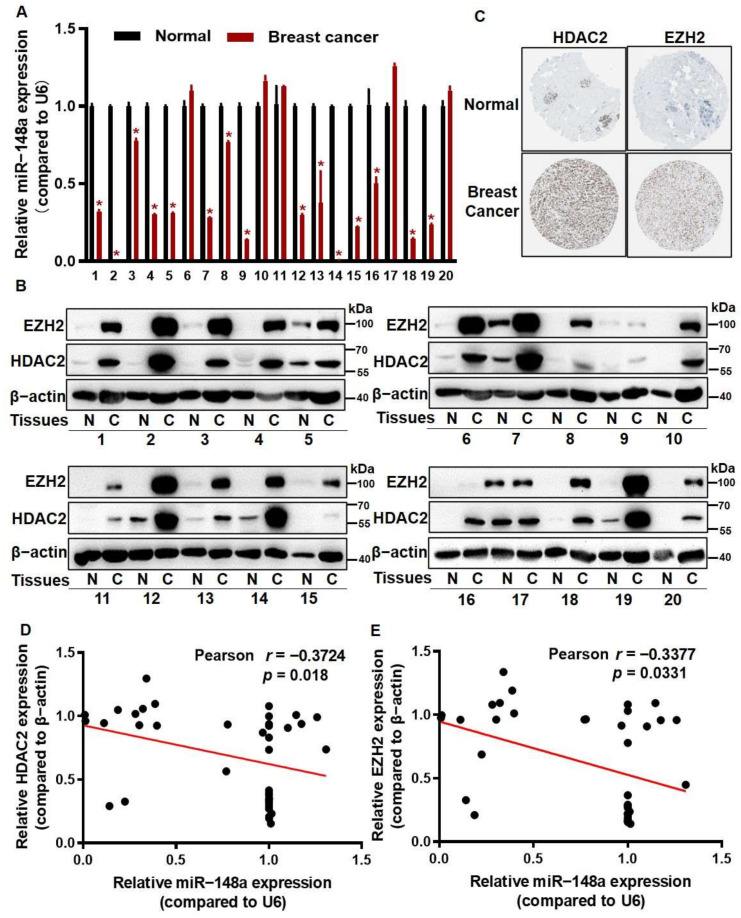
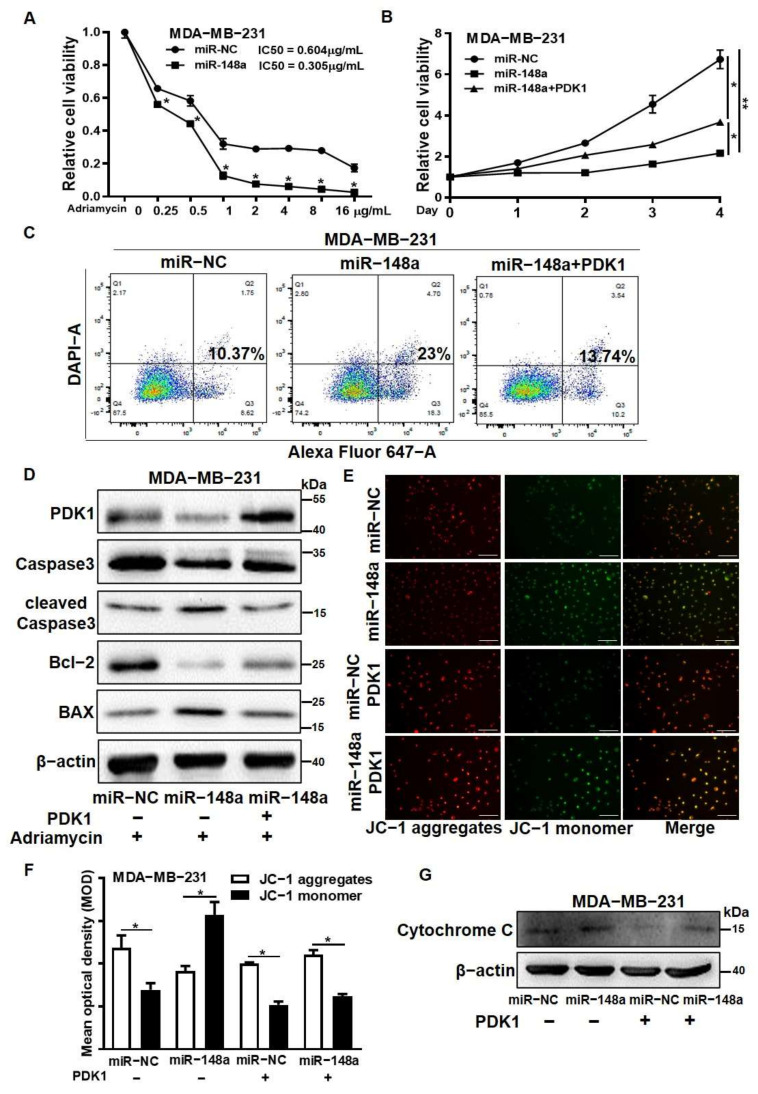
We found that PDK1 expression was upregulated by epigenetic alterations mediated by HDAC2 and EZH2. At the post-transcriptional level, PDK1 was a new direct target of miR-148a and was upregulated in breast cancer cells due to miR-148a suppression. PDK1 overexpression partly reversed the biological function of miR-148a-including miR-148a's ability to increase cell sensitivity to Adriamycin (ADR) treatment-inhibiting cell glycolysis, invasion and epithelial-mesenchymal transition (EMT), and inducing apoptosis and repressing tumor growth. Furthermore, we identified a novel mechanism: DNMT1 directly bound to EZH2 and recruited EZH2 and HDAC2 complexes to the promoter region of miR-148a, leading to miR-148a downregulation. In breast cancer tissues, HDAC2 and EZH2 protein expression levels also were inversely correlated with levels of miR-148a expression.
Our study found a new regulatory mechanism in which EZH2 and HDAC2 mediate PDK1 upregulation by silencing miR-148a expression to regulate cancer development and Adriamycin resistance. These new findings suggest that the HDAC2/EZH2/miR-148a/PDK1 axis is a novel mechanism for regulating cancer development and is a potentially promising target for therapeutic options in the future.
乳腺癌是女性发病率和死亡率最高的疾病之一。表观遗传修饰异常和丙酮酸脱氢酶激酶1(PDK1)诱导的异常代谢促进了乳腺癌的进展和化疗耐药性。然而,表观遗传变化在乳腺癌中调节PDK1的作用和机制仍有待阐明。
进行基因集富集分析(GSEA)和Pearson相关性分析,以分析数据库和人乳腺癌组织中组蛋白去乙酰化酶2(HDAC2)、zeste同源物2增强子(EZH2)和PDK1之间的关系。使用双荧光素酶报告基因检测PDK1与miR-148a之间的调控关系。通过蛋白质免疫印迹分析、qRT-PCR和免疫共沉淀分析发现HDAC2和EZH2调节miR-148a的表达。通过免疫荧光(IF)分析、Transwell分析和流式细胞术分析研究PDK1和miR-148a在乳腺癌中的作用。在体内研究miR-148a/PDK1在肿瘤生长中的作用。
我们发现PDK1的表达通过HDAC2和EZH2介导的表观遗传改变而上调。在转录后水平,PDK1是miR-148a的一个新的直接靶点,由于miR-148a的抑制,其在乳腺癌细胞中上调。PDK1的过表达部分逆转了miR-148a的生物学功能,包括miR-148a增加细胞对阿霉素(ADR)治疗的敏感性、抑制细胞糖酵解、侵袭和上皮-间质转化(EMT)以及诱导凋亡和抑制肿瘤生长的能力。此外,我们发现了一种新机制:DNA甲基转移酶1(DNMT1)直接与EZH2结合,并将EZH2和HDAC2复合物募集到miR-148a的启动子区域,导致miR-148a下调。在乳腺癌组织中,HDAC2和EZH2蛋白表达水平也与miR-148a表达水平呈负相关。
我们的研究发现了一种新的调控机制,即EZH2和HDAC2通过沉默miR-148a的表达介导PDK1上调,从而调节癌症发展和阿霉素耐药性。这些新发现表明HDAC2/EZH2/miR-148a/PDK1轴是调节癌症发展的一种新机制,是未来治疗选择中一个潜在的有前景的靶点。