Sikora Maciej, Sielski Marcin, Chęciński Maciej, Nowak Zuzanna, Czerwińska-Niezabitowska Barbara, Chlubek Dariusz
Department of Maxillofacial Surgery, Hospital of the Ministry of Interior, Wojska Polskiego 51, 25-375 Kielce, Poland.
Department of Biochemistry and Medical Chemistry, Pomeranian Medical University, Powstańców Wielkopolskich 72, 70-111 Szczecin, Poland.
J Clin Med. 2022 Jul 22;11(15):4281. doi: 10.3390/jcm11154281.
Temporomandibular joint disorders (TMDs) are manifested, inter alia, by pain and limited scope of the mandibular abduction. Among the treatment strategies for these ailments, intra-articular injections of autologous blood preparations, including platelet-rich plasma (PRP), are administered. This prospective case series was aimed at assessing the effectiveness of repeated platelet-rich plasma (PRP) administration to the TMJ cavities in terms of reducing articular pain and increasing the mobility of the mandible.
40 consecutive patients diagnosed with TMJ pain qualified for the case series. The entire treatment program consisted of five PRP administrations and a summary appointment. Regression was analyzed for (1) intensity of spontaneous pain; (2) effectiveness of spontaneous pain relief; (3) mastication efficiency values; (4) painless mandibular abduction; (5) maximum mouth opening. The correlations between the abovementioned variable series were analyzed.
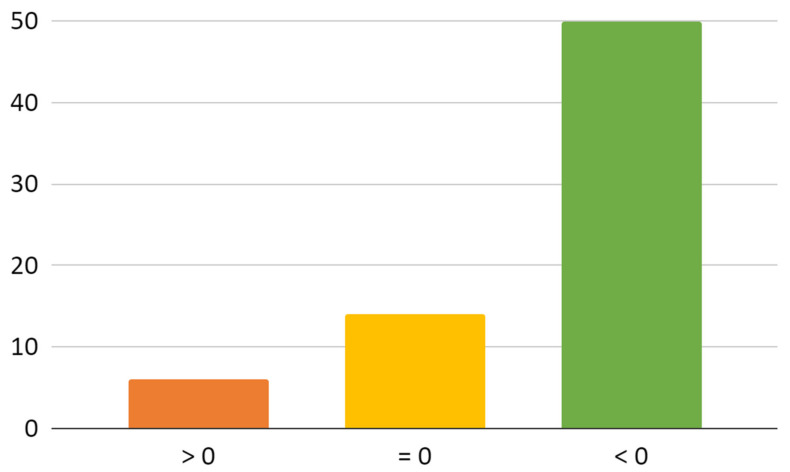
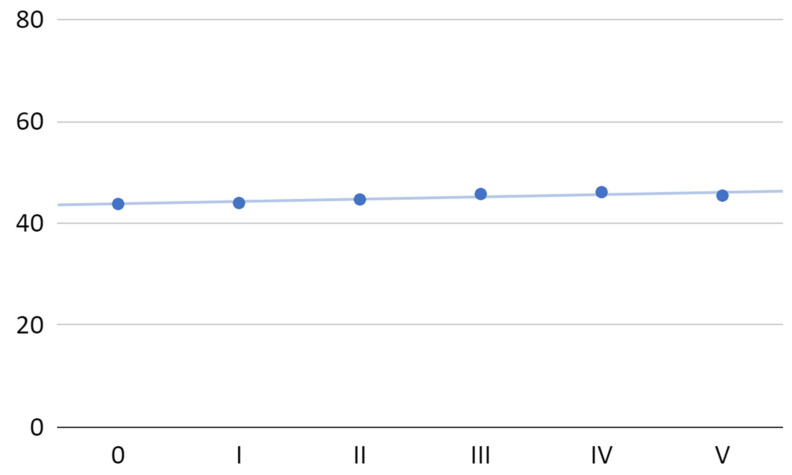
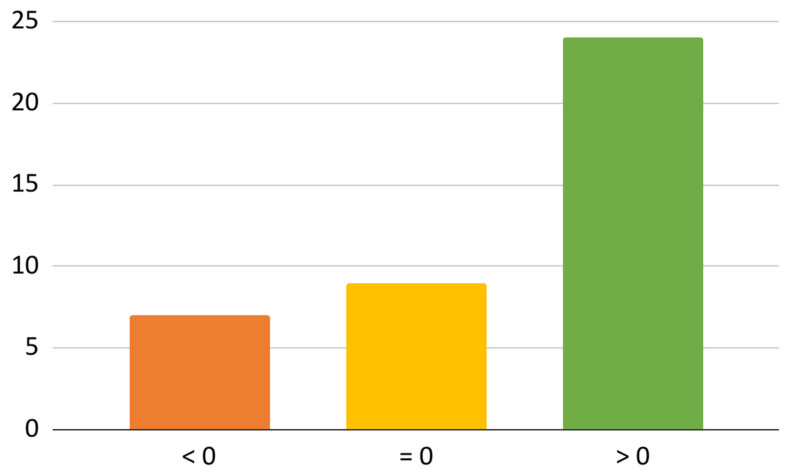
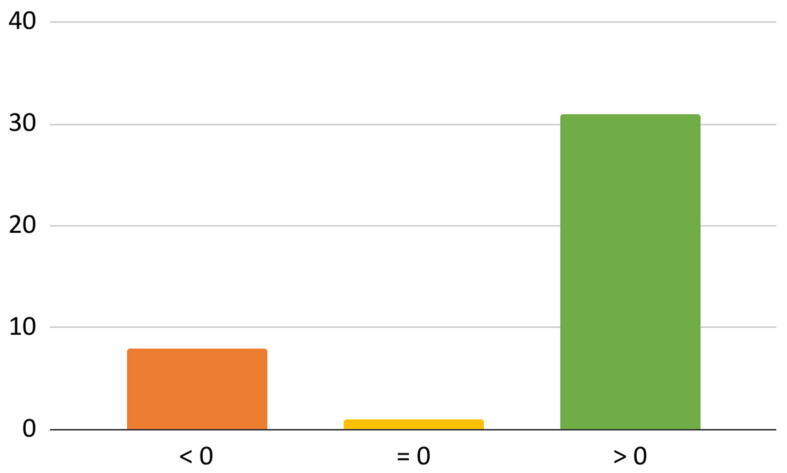
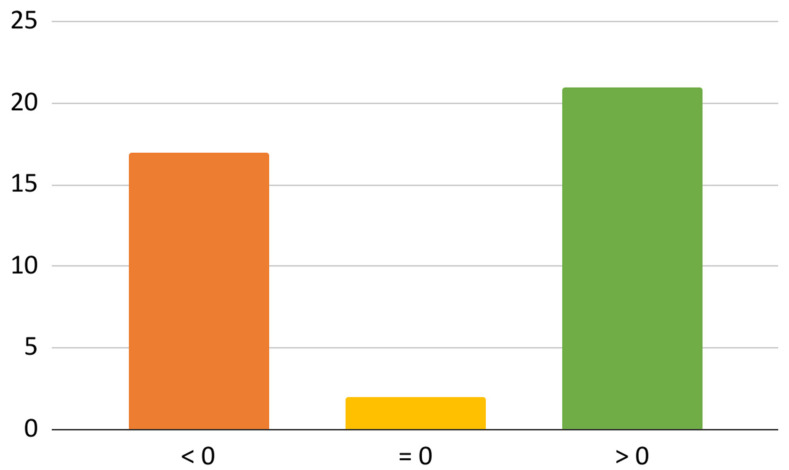
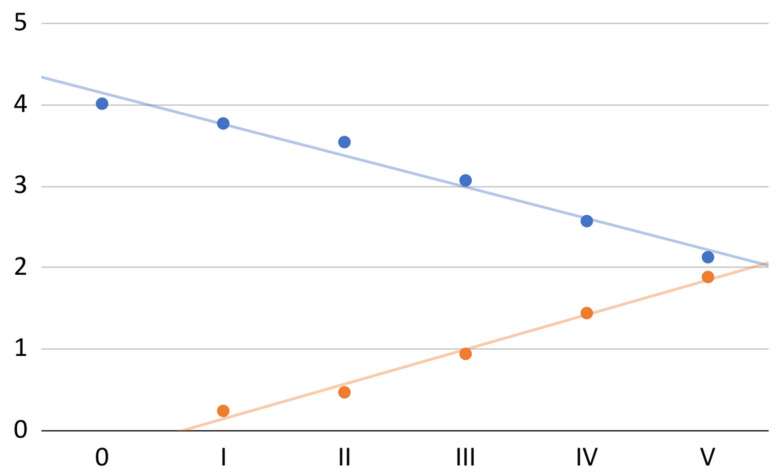
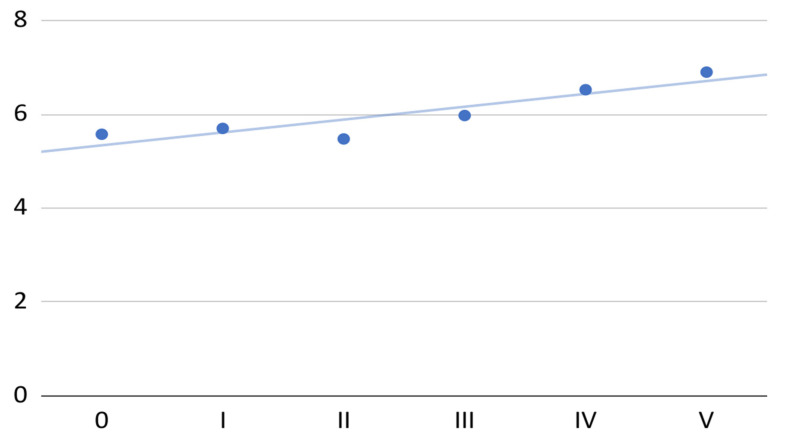
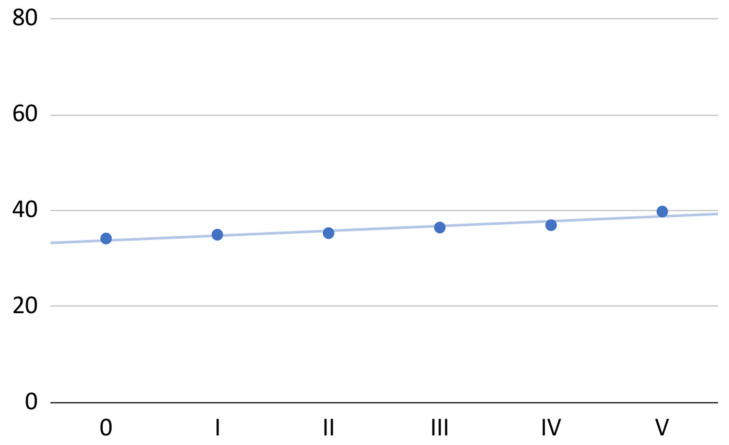
The mean spontaneous pain decreased consistently with successive PRP administrations in line with the regression model: -0.4x + 4.2 (R = 0.98). Articular pain improvement was reported in 71% of joints treated. Improvement in chewing quality at the end of the entire injection cycle was found in 63% of patients. The equations for the linear regression models for painless mandibular abduction (five applications of PRP) and maximum mouth opening (the first four applications of PRP) were x + 34 (R = 0.89) and 0.6x + 43.6 (R = 0.96), respectively. Improvement in these domains was found in 78% and 53% of patients, respectively. The strongest correlations were found between pain and chewing efficiency (-0.95), pain and painless mandible abduction (-0.96), and painless mandibular abduction and mastication efficiency (0.94).
PRP injections into TMJ cavities should be considered as a low invasive, highly accessible form of treatment for various TMDs causing pain and mandible movement limitation.
颞下颌关节紊乱病(TMDs)的表现包括疼痛和下颌外展范围受限等。在这些疾病的治疗策略中,会进行关节内注射自体血液制品,包括富血小板血浆(PRP)。本前瞻性病例系列旨在评估反复向颞下颌关节腔注射富血小板血浆(PRP)在减轻关节疼痛和增加下颌活动度方面的有效性。
40例连续诊断为颞下颌关节疼痛的患者符合该病例系列标准。整个治疗方案包括五次PRP注射和一次总结预约。对以下指标进行回归分析:(1)自发痛强度;(2)自发痛缓解效果;(3)咀嚼效率值;(4)无痛下颌外展;(5)最大开口度。分析上述变量系列之间的相关性。
根据回归模型,随着PRP注射次数的增加,平均自发痛持续下降:-0.4x + 4.2(R = 0.98)。71%接受治疗的关节报告关节疼痛有所改善。63%的患者在整个注射周期结束时咀嚼质量得到改善。无痛下颌外展(五次PRP注射)和最大开口度(前四次PRP注射)的线性回归模型方程分别为x + 34(R = 0.89)和0.6x + 43.6(R = 0.96)。分别有78%和53%的患者在这些方面得到改善。疼痛与咀嚼效率之间(-0.95)、疼痛与无痛下颌外展之间(-0.96)以及无痛下颌外展与咀嚼效率之间(0.94)的相关性最强。
向颞下颌关节腔注射PRP应被视为一种低侵入性、易于实施的治疗方式,可用于治疗各种引起疼痛和下颌运动受限的颞下颌关节紊乱病。