Division of Stem Cell Biology and Regenerative Medicine, Shiga University of Medical Science, Setatsukinowa‑cho, Otsu, Shiga 520‑2192, Japan.
Department of Urology, Kohka Public Hospital, Minakuchi‑cho, Koka‑shi, Shiga 528‑0074, Japan.
Int J Oncol. 2022 Sep;61(3). doi: 10.3892/ijo.2022.5398. Epub 2022 Jul 27.
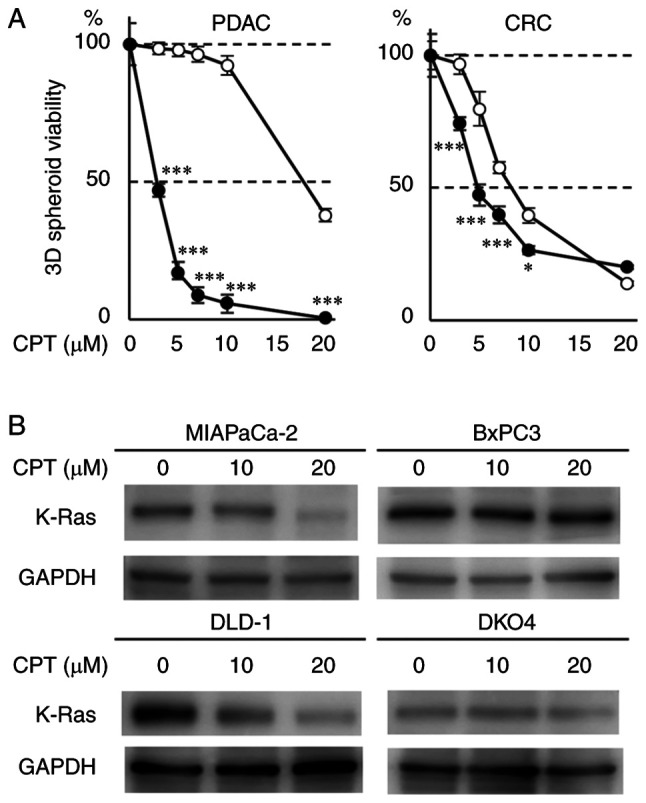
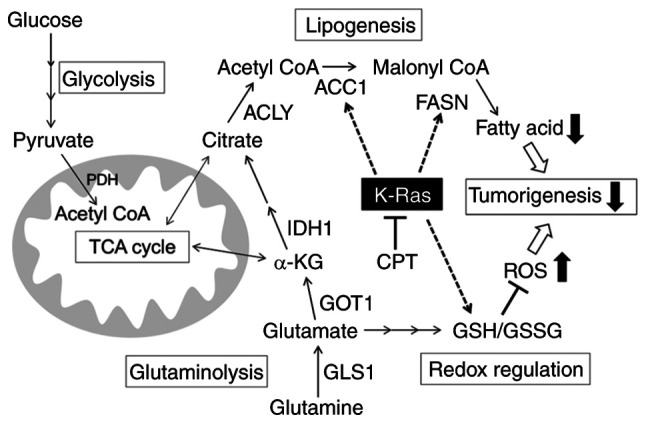
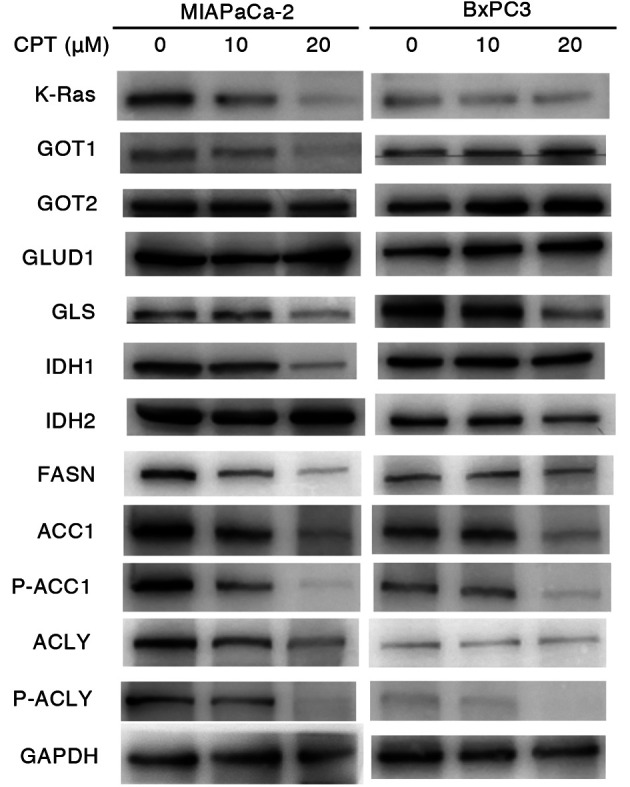
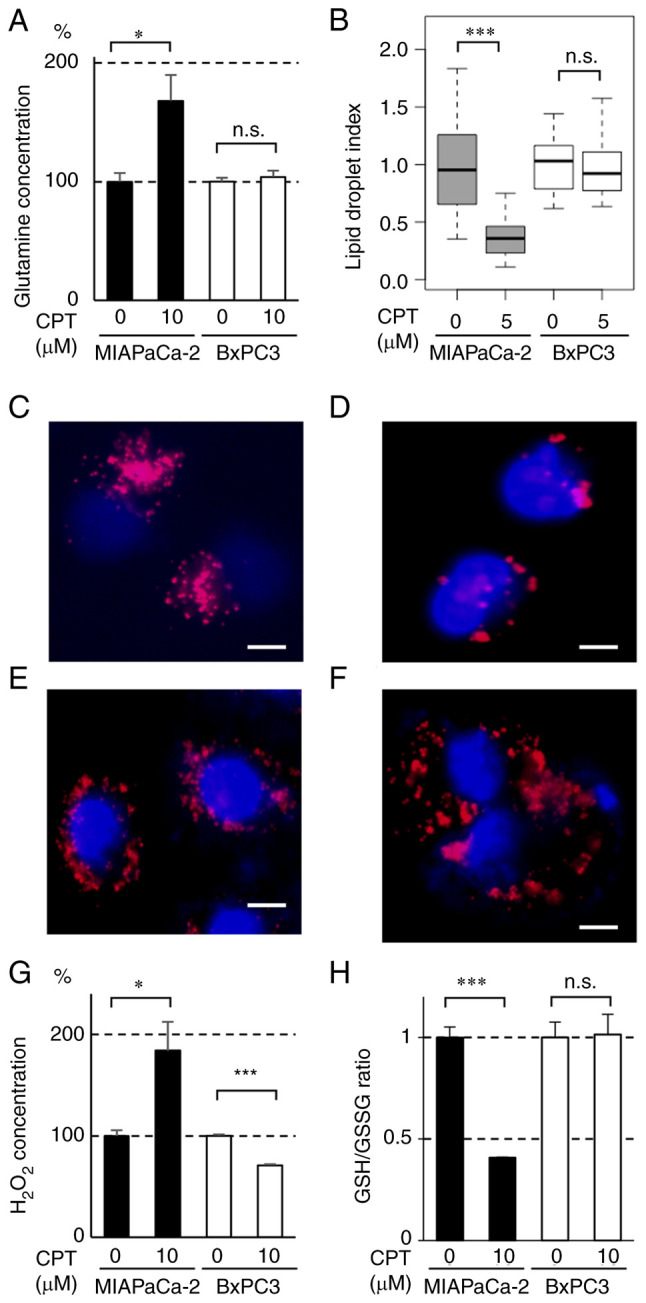
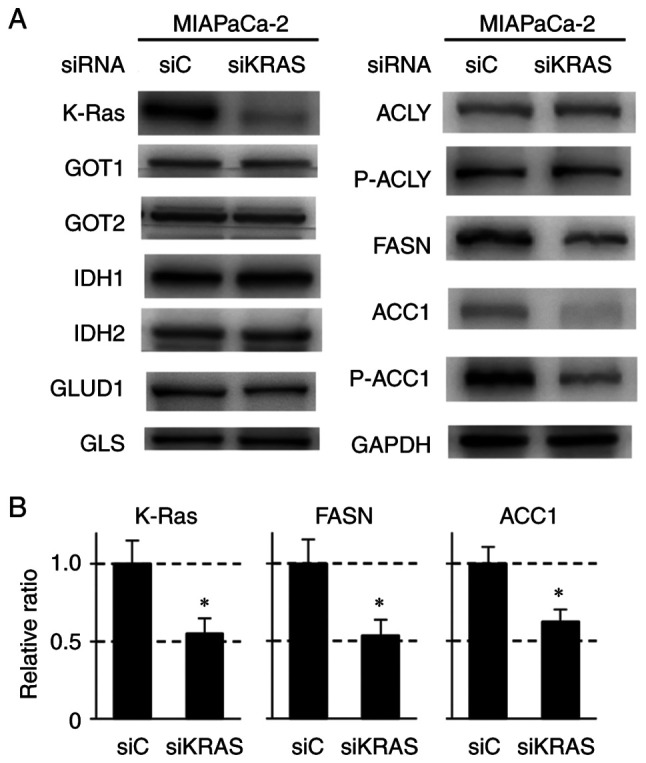
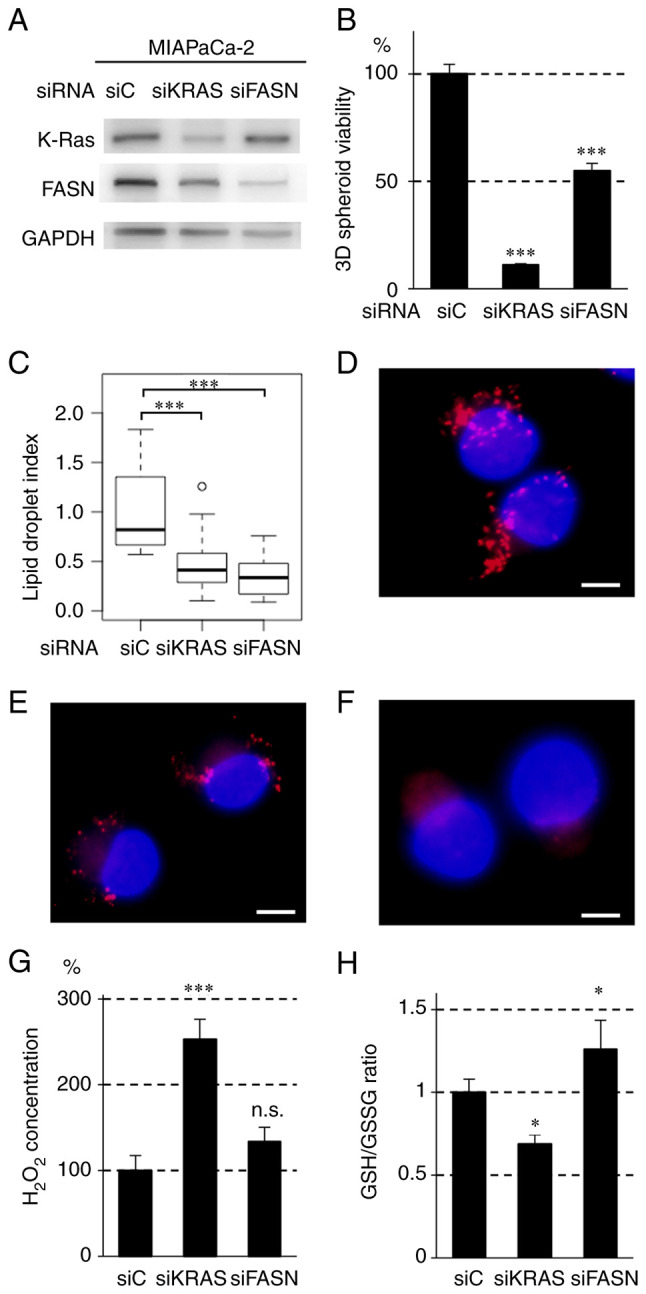
Pyruvate dehydrogenase kinase 4 (PDK4) is an important regulator of energy metabolism. Previously, knockdown of PDK4 by specific small interfering RNAs (siRNAs) have been shown to suppress the expression of Κirsten rat sarcoma viral oncogene homolog (KRAS) and the growth of lung and colorectal cancer cells, indicating that PDK4 is an attractive target of cancer therapy by altering energy metabolism. The authors previously reported that a novel small molecule, cryptotanshinone (CPT), which inhibits PDK4 activity, suppresses the three‑dimensional (3D)‑spheroid formation and tumorigenesis of KRAS‑activated human pancreatic and colorectal cancer cells. The present study investigated the molecular mechanism of CPT‑induced tumor suppression via alteration of glutamine and lipid metabolism in human pancreatic and colon cancer cell lines with mutant and wild‑type KRAS. The antitumor effect of CPT was more pronounced in the cancer cells containing mutant KRAS compared with those containing wild‑type KRAS. CPT treatment decreased glutamine and lipid metabolism, affected redox regulation and increased reactive oxygen species (ROS) production in the pancreatic cancer cell line MIAPaCa‑2 containing mutant KRAS. Suppression of activated KRAS by specific siRNAs decreased 3D‑spheroid formation, the expression of acetyl‑CoA carboxylase 1 and fatty acid synthase (FASN) and lipid synthesis. The suppression also reduced glutathione‑SH/glutathione disulfide and increased the production of ROS. Knockdown of FASN suppressed lipid synthesis in MIAPaCa‑2 cells, partially promoted ROS production and mildly suppressed 3D‑spheroid formation. These results indicated that CPT reduced tumorigenesis by inhibiting lipid metabolism and promoting ROS production in a mutant KRAS‑dependent manner. This PDK4 inhibitor could serve as a novel therapeutic drug for KRAS‑driven intractable cancers via alteration of cell metabolism.
丙酮酸脱氢酶激酶 4(PDK4)是能量代谢的重要调节剂。先前的研究表明,通过特异性小干扰 RNA(siRNA)敲低 PDK4 可抑制Κirsten 大鼠肉瘤病毒致癌基因同源物(KRAS)的表达和肺及结直肠癌细胞的生长,表明通过改变能量代谢,PDK4 是癌症治疗的一个有吸引力的靶点。作者先前报道,一种新型小分子隐丹参酮(CPT)可抑制 PDK4 活性,抑制 KRAS 激活的人胰腺和结直肠癌细胞的三维(3D)球体形成和肿瘤发生。本研究探讨了 CPT 通过改变含突变和野生型 KRAS 的人胰腺和结肠癌细胞中谷氨酰胺和脂质代谢诱导肿瘤抑制的分子机制。与含有野生型 KRAS 的癌细胞相比,CPT 在含有突变型 KRAS 的癌细胞中的抗肿瘤作用更为明显。CPT 处理降低了含突变型 KRAS 的胰腺癌细胞系 MIAPaCa-2 中的谷氨酰胺和脂质代谢,影响了氧化还原调节并增加了活性氧(ROS)的产生。特异性 siRNA 抑制激活的 KRAS 降低了 3D 球体形成、乙酰辅酶 A 羧化酶 1 和脂肪酸合酶(FASN)的表达和脂质合成。抑制作用还降低了谷胱甘肽-SH/谷胱甘肽二硫化物并增加了 ROS 的产生。FASN 的敲低抑制了 MIAPaCa-2 细胞中的脂质合成,部分促进了 ROS 的产生,并轻度抑制了 3D 球体的形成。这些结果表明,CPT 通过抑制脂质代谢和促进 ROS 产生,以依赖于突变型 KRAS 的方式抑制肿瘤发生。这种 PDK4 抑制剂可通过改变细胞代谢,成为治疗 KRAS 驱动的难治性癌症的新型治疗药物。