Department of Neurobiology and Anatomy, Wake Forest School of Medicine, Winston-Salem, United States.
Elife. 2022 Jul 27;11:e76964. doi: 10.7554/eLife.76964.
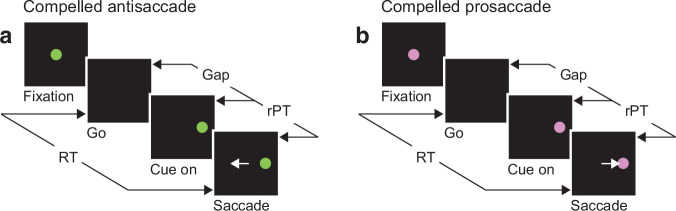
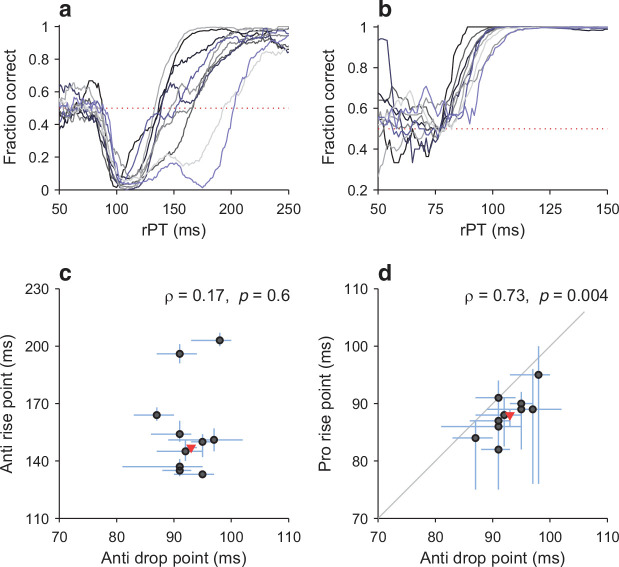
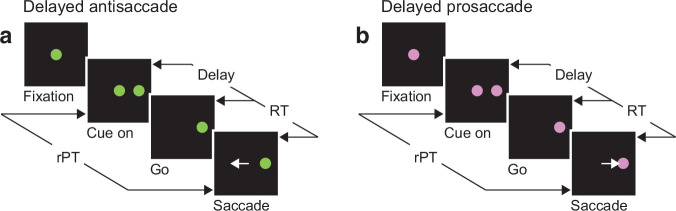
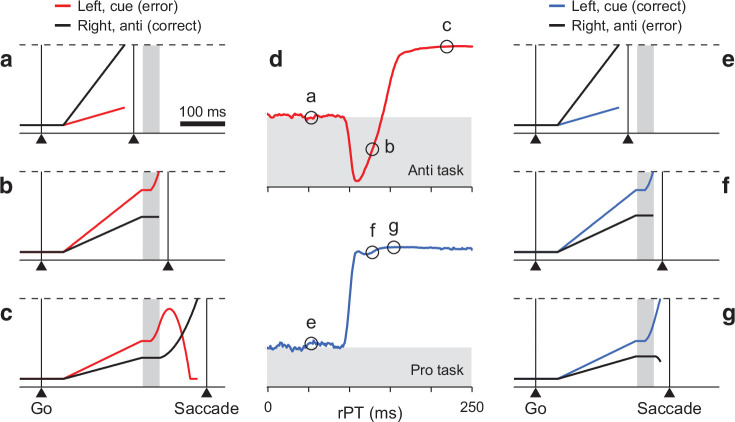
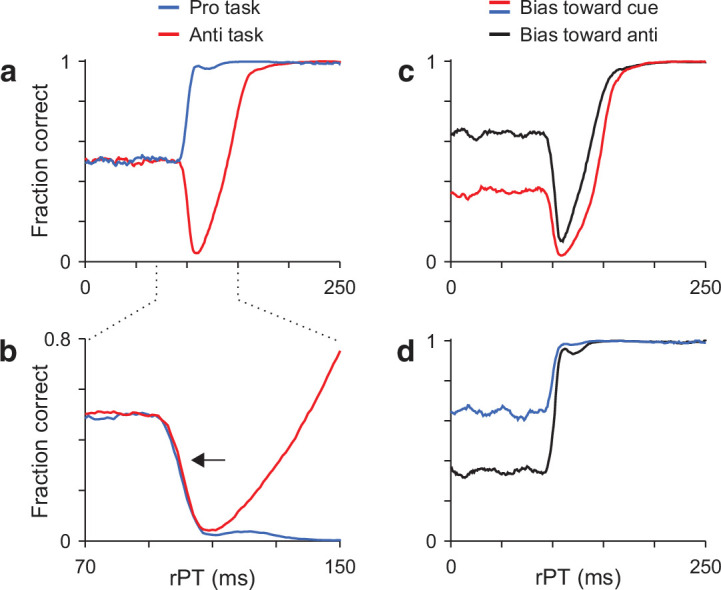
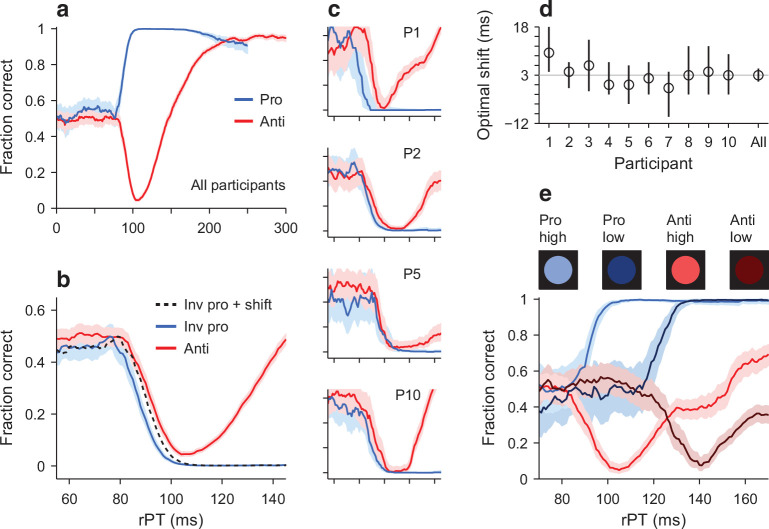
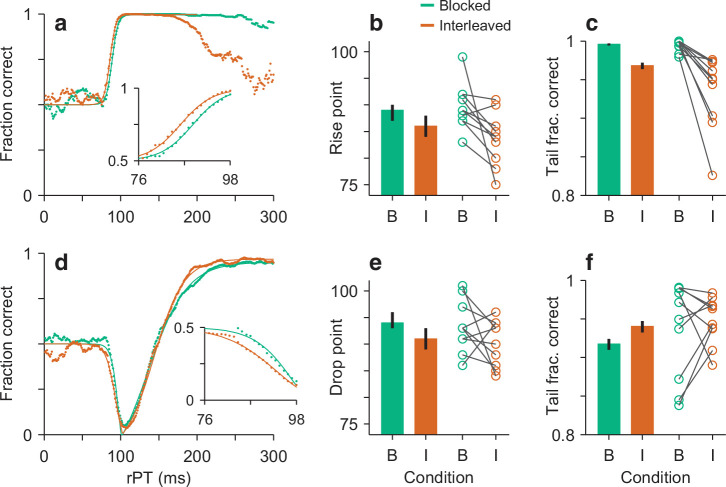
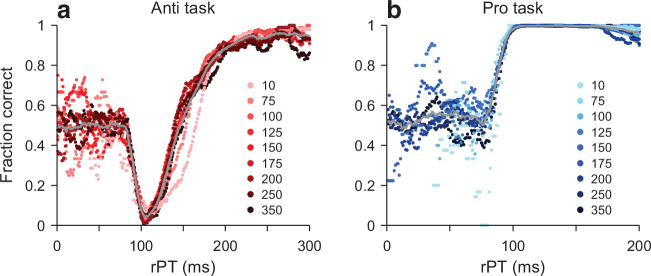
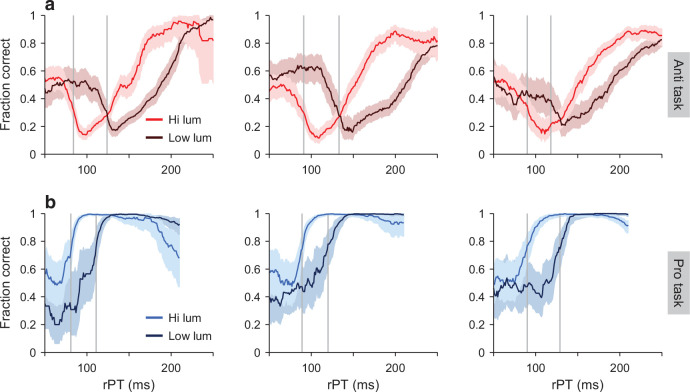
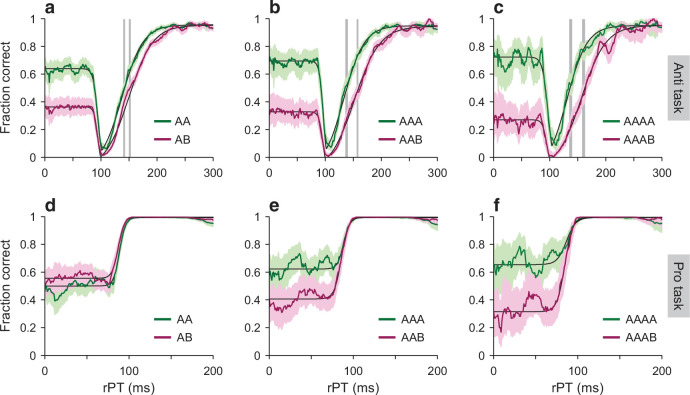
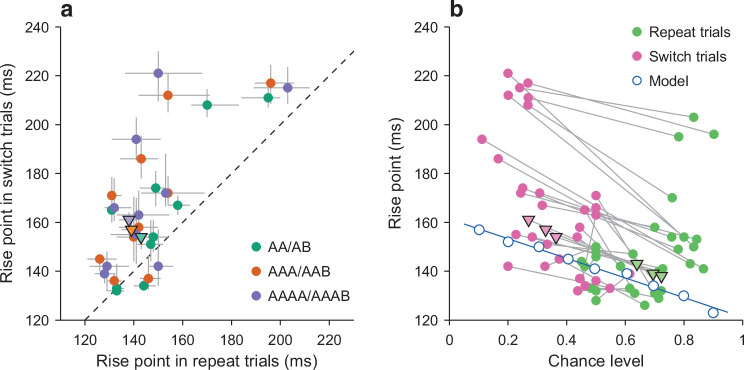
To generate the next eye movement, oculomotor circuits take into consideration the physical salience of objects in view and current behavioral goals, exogenous and endogenous influences, respectively. However, the interactions between exogenous and endogenous mechanisms and their dynamic contributions to target selection have been difficult to resolve because they evolve extremely rapidly. In a recent study (Salinas et al., 2019), we achieved the necessary temporal precision using an urgent variant of the antisaccade task wherein motor plans are initiated early and choice accuracy depends sharply on when exactly the visual cue information becomes available. Empirical and modeling results indicated that the exogenous signal arrives ∼80 ms after cue onset and rapidly accelerates the (incorrect) plan toward the cue, whereas the informed endogenous signal arrives ∼25 ms later to favor the (correct) plan away from the cue. Here, we scrutinize a key mechanistic hypothesis about this dynamic, that the exogenous and endogenous signals act at different times and independently of each other. We test quantitative model predictions by comparing the performance of human participants instructed to look toward a visual cue or away from it under high urgency. We find that, indeed, the exogenous response is largely impervious to task instructions; it simply flips its sign relative to the correct choice, and this largely explains the drastic differences in psychometric performance between the two tasks. Thus, saccadic choices are strongly dictated by the alignment between salience and behavioral goals.
为了生成下一个眼球运动,眼动回路分别考虑了视图中物体的物理显著性和当前行为目标、外源性和内源性影响。然而,外源性和内源性机制之间的相互作用及其对目标选择的动态贡献一直难以解决,因为它们的变化非常快。在最近的一项研究中(Salinas 等人,2019 年),我们使用一种紧急的反扫视任务变体实现了必要的时间精度,其中运动计划很早就开始了,并且选择准确性极大地取决于视觉线索信息何时可用。实证和建模结果表明,外源性信号在提示出现后约 80 毫秒到达,并迅速加速(错误)计划朝向提示,而信息丰富的内源性信号在约 25 毫秒后到达,有利于(正确)计划远离提示。在这里,我们仔细研究了关于这种动态的一个关键机制假设,即外源性和内源性信号在不同的时间作用,彼此独立。我们通过比较在高紧迫性下被指示看向或远离视觉提示的人类参与者的表现来检验定量模型预测。我们发现,实际上,外源性反应几乎不受任务指令的影响;它只是相对于正确选择翻转了符号,这在很大程度上解释了这两个任务之间在心理计量性能上的巨大差异。因此,眼跳选择主要受到显著性和行为目标之间的一致性的控制。