Stowe Hayley B, Andruska Neal D, Reynoso Francisco, Thomas Maria, Bergom Carmen
Department of Radiation Oncology, Washington University School of Medicine in St. Louis, St. Louis, MO, USA.
Cardio-Oncology Center of Excellence, Washington University School of Medicine in St. Louis, St. Louis, MO, USA.
Breast Cancer (Dove Med Press). 2022 Jul 20;14:175-186. doi: 10.2147/BCTT.S282799. eCollection 2022.
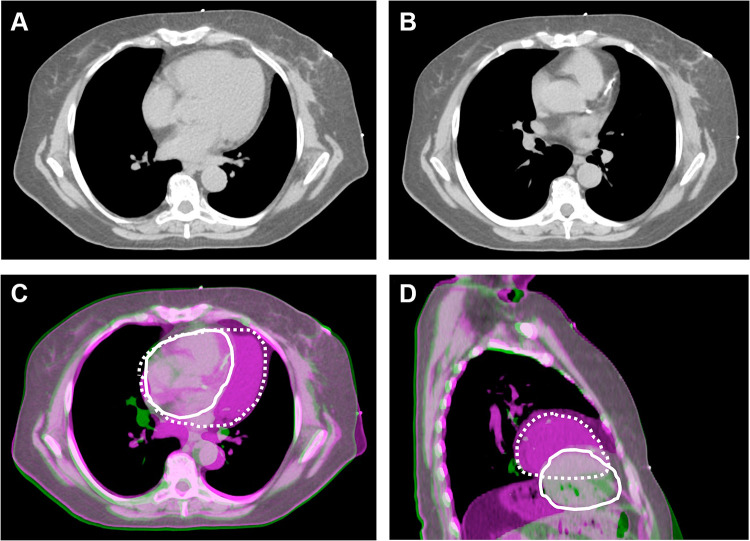
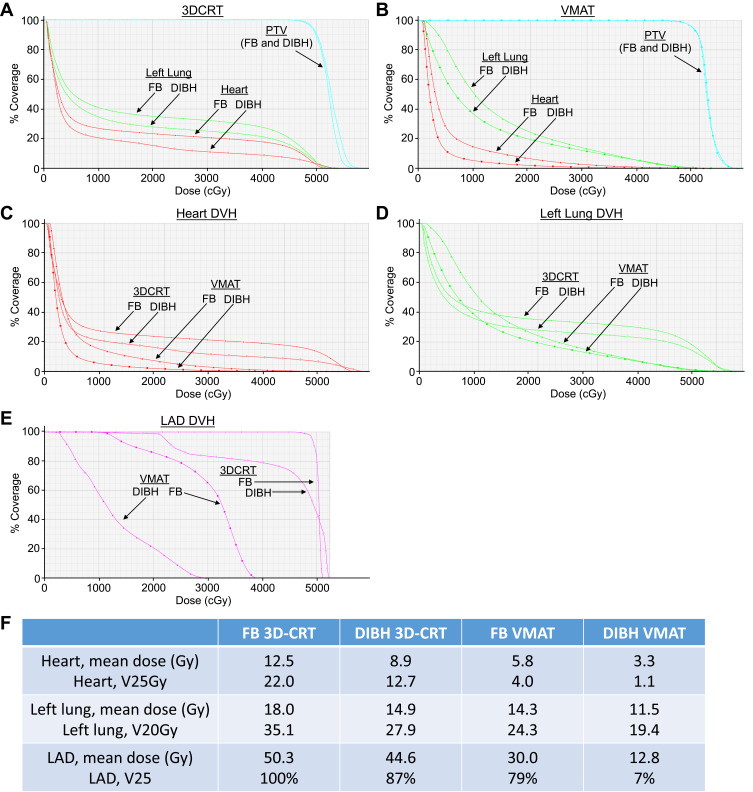
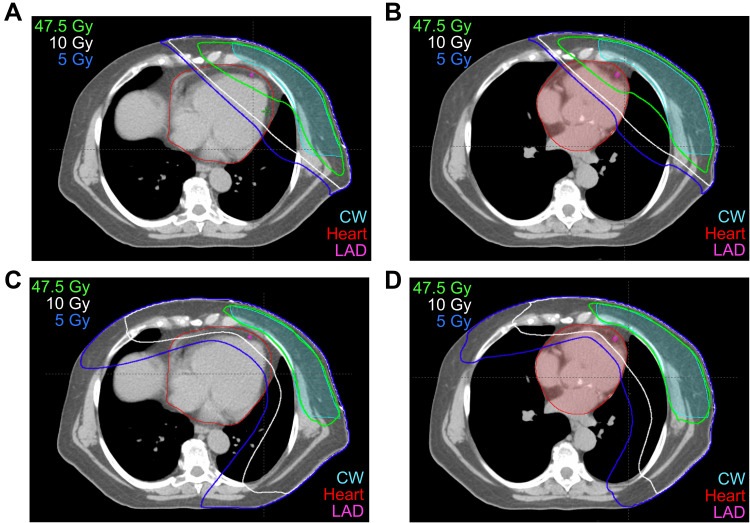
Adjuvant radiation therapy is a critical component of breast cancer management. However, when breast cancer patients receive incidental radiation to the heart, there is an increased risk of cardiac disease and mortality. This is most common for patients with left-sided breast cancers and those receiving nodal irradiation as part of treatment. The overall risk of cardiac toxicity increases 4-16% with each Gray increase in mean heart radiation dose, with data suggesting that no lower limit exists which would eliminate cardiac risk entirely. Radiation techniques have improved over time, leading to lower cardiac radiation exposure than in the past. This decline is expected to reduce the incidence of radiation-induced heart dysfunction in patients. Deep inspiration breath hold (DIBH) is one such technique that was developed to reduce the risk of cardiac death and coronary events. DIBH is a non-invasive approach that capitalizes on the natural physiology of the respiratory cycle to increase the distance between the heart and the therapeutic target throughout the course of radiation therapy. DIBH has been shown to decrease the mean incidental radiation doses to the heart and left anterior descending coronary artery by approximately 20-70%. In this review, we summarize different techniques for DIBH and discuss recent data on this technique.
辅助性放射治疗是乳腺癌治疗的关键组成部分。然而,当乳腺癌患者心脏受到附带辐射时,患心脏病和死亡的风险会增加。这在左侧乳腺癌患者以及接受淋巴结照射作为治疗一部分的患者中最为常见。平均心脏辐射剂量每增加1格雷,心脏毒性的总体风险就会增加4% - 16%,数据表明不存在能完全消除心脏风险的下限。随着时间的推移,放射技术有所改进,导致心脏辐射暴露比过去更低。预计这种下降将降低患者辐射诱发心脏功能障碍的发生率。深吸气屏气(DIBH)就是为降低心脏死亡和冠状动脉事件风险而开发的一种技术。DIBH是一种非侵入性方法,利用呼吸周期的自然生理特性,在放射治疗过程中增加心脏与治疗靶区之间的距离。DIBH已被证明可使心脏和左前降支冠状动脉的平均附带辐射剂量降低约20% - 70%。在本综述中,我们总结了DIBH的不同技术,并讨论了关于该技术的最新数据。