Department of Natural Sciences, School of Arts & Sciences, Lebanese American University, Byblos, Lebanon.
Future Microbiol. 2022 Sep;17:1001-1007. doi: 10.2217/fmb-2021-0207. Epub 2022 Jul 28.
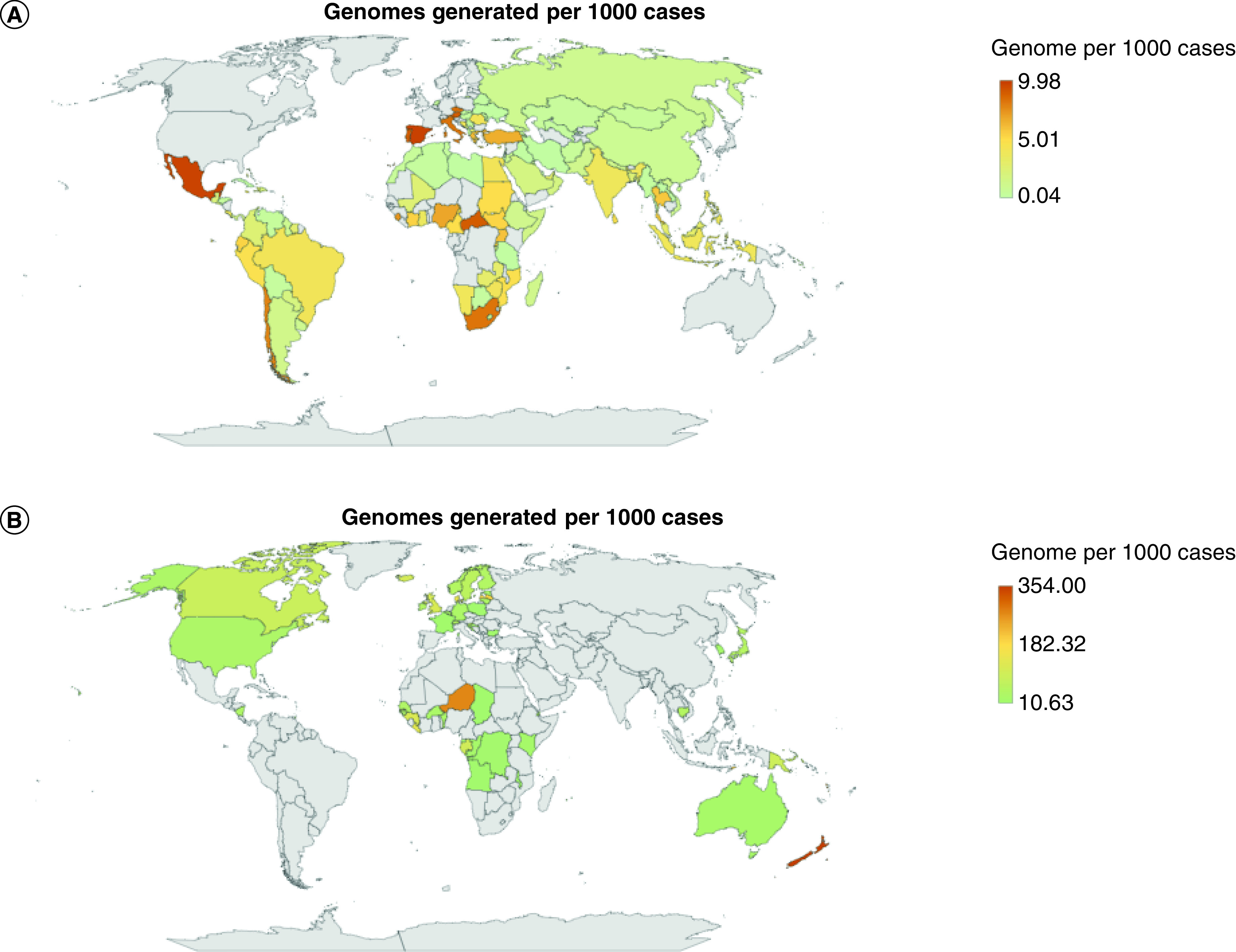
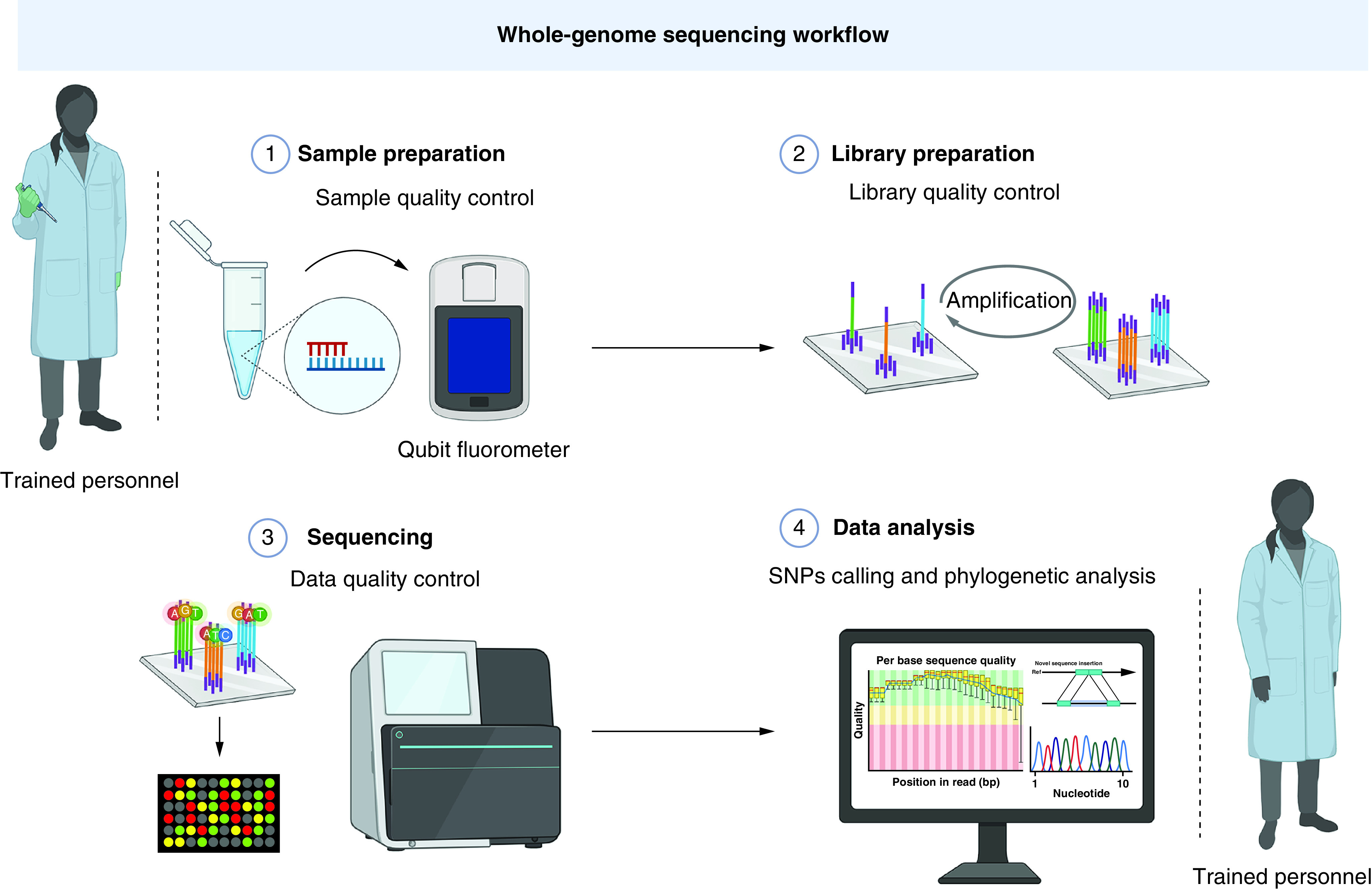
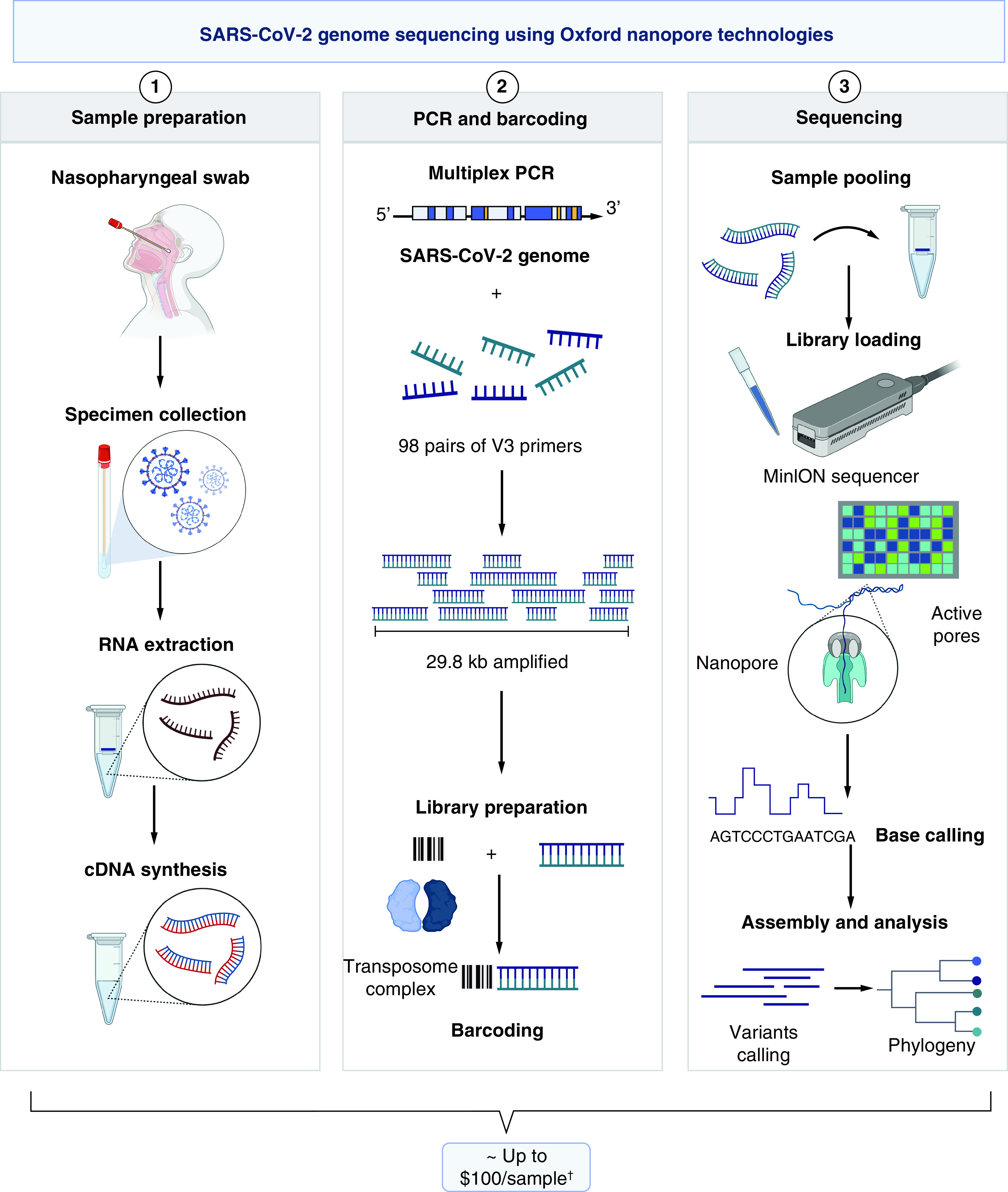
Genomic surveillance of SARS-CoV-2 is critical in monitoring viral lineages. Available data reveal a significant gap between low- and middle-income countries and the rest of the world. The SARS-CoV-2 sequencing costs using the Oxford Nanopore MinION device and hardware prices for data computation in Lebanon were estimated and compared with those in developed countries. SARS-CoV-2 genomes deposited on the Global Initiative on Sharing All Influenza Data per 1000 COVID-19 cases were determined per country. Sequencing costs in Lebanon were significantly higher compared with those in developed countries. Low- and middle-income countries showed limited sequencing capabilities linked to the lack of support, high prices, long delivery delays and limited availability of trained personnel. The authors recommend the mobilization of funds to develop whole-genome sequencing-based surveillance platforms and the implementation of genomic epidemiology to better identify and track outbreaks, leading to appropriate and mindful interventions.
对 SARS-CoV-2 进行基因组监测对于监测病毒谱系至关重要。现有数据显示,中低收入国家与世界其他地区之间存在显著差距。本文对黎巴嫩使用 Oxford Nanopore MinION 设备进行 SARS-CoV-2 测序的成本和用于数据计算的硬件价格进行了估算,并与发达国家进行了比较。按每 1000 例 COVID-19 病例计算,对每个国家在全球共享所有流感数据倡议中提交的 SARS-CoV-2 基因组进行了确定。与发达国家相比,黎巴嫩的测序成本要高得多。中低收入国家的测序能力有限,这与缺乏支持、高昂的价格、漫长的交货延迟以及训练有素的人员有限有关。作者建议动员资金来开发基于全基因组测序的监测平台,并实施基因组流行病学,以更好地识别和跟踪疫情爆发,从而采取适当和明智的干预措施。