Biomaterials for Regenerative Therapies Group, Institute for Bioengineering of Catalonia (IBEC), Barcelona Institute of Science and Technology, Barcelona, Spain; CIBER Bioengineering, Biomaterials and Nanotechnology, Spain.
Biomaterials for Regenerative Therapies Group, Institute for Bioengineering of Catalonia (IBEC), Barcelona Institute of Science and Technology, Barcelona, Spain; CIBER Bioengineering, Biomaterials and Nanotechnology, Spain; IMEM-BRT Group, Dpt. Material Science and Engineering, Universitat Politecnica de Catalunya (UPC), Barcelona, Spain.
Biomater Adv. 2022 Aug;139:213035. doi: 10.1016/j.bioadv.2022.213035. Epub 2022 Jul 20.
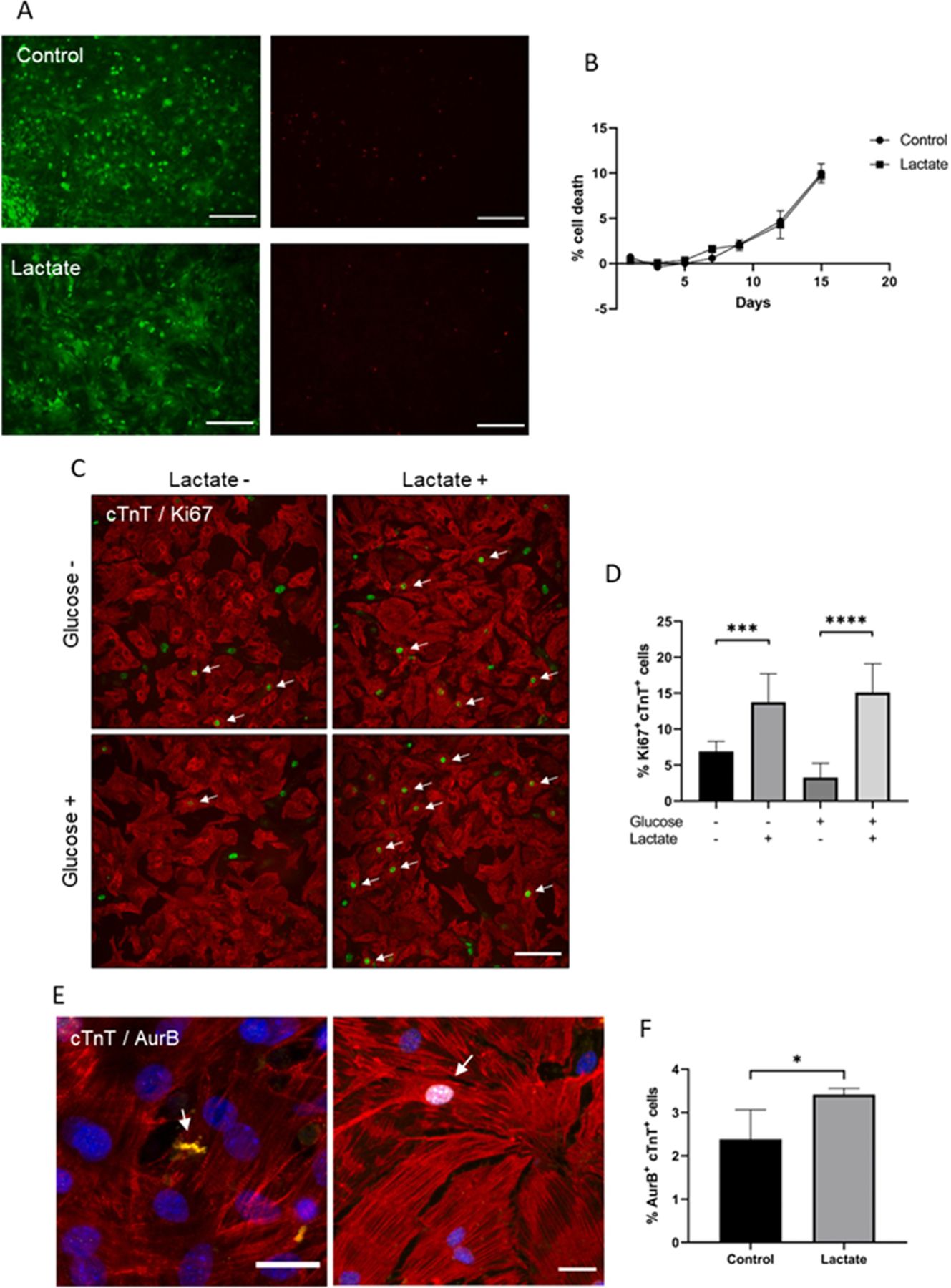
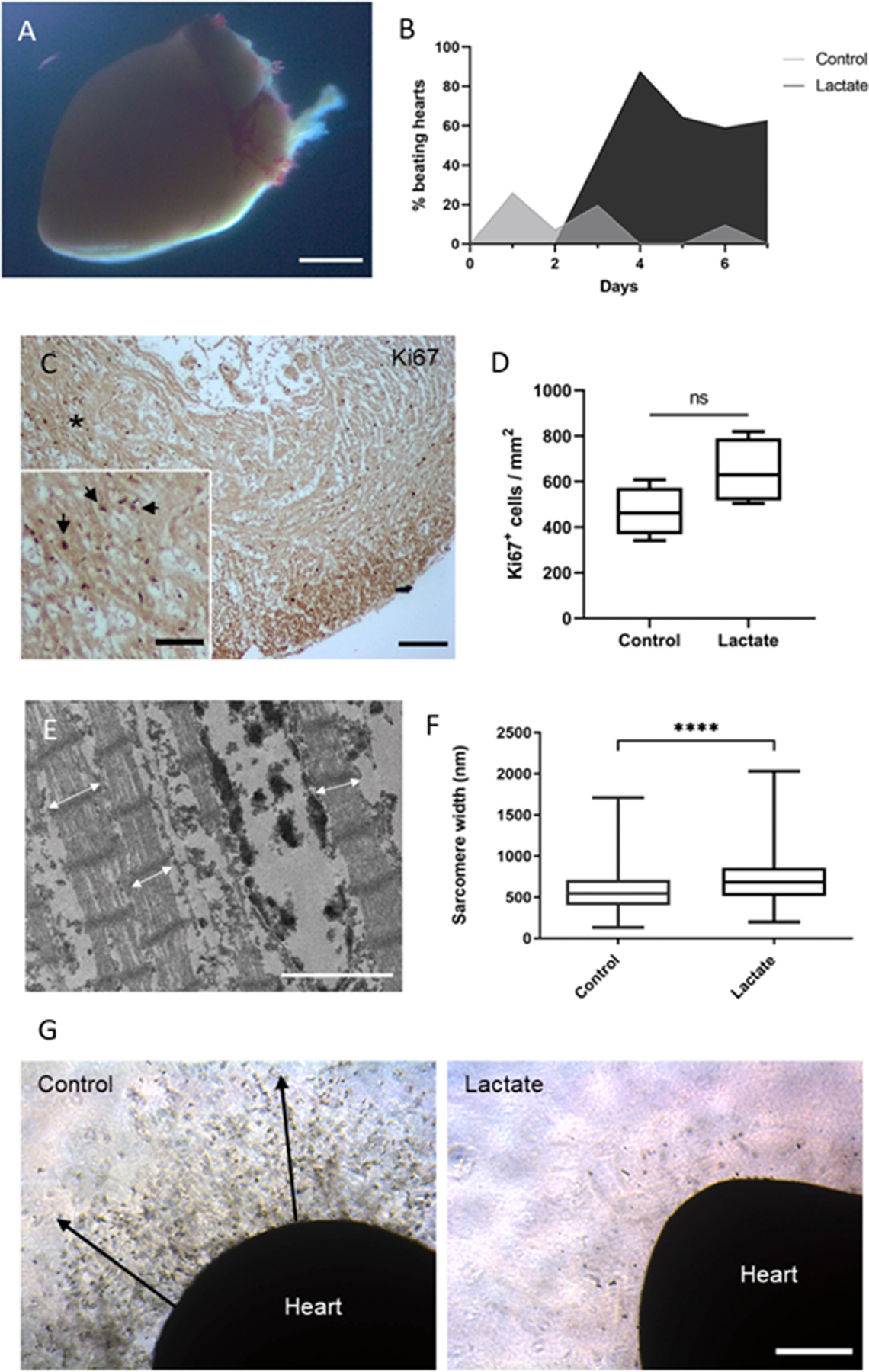
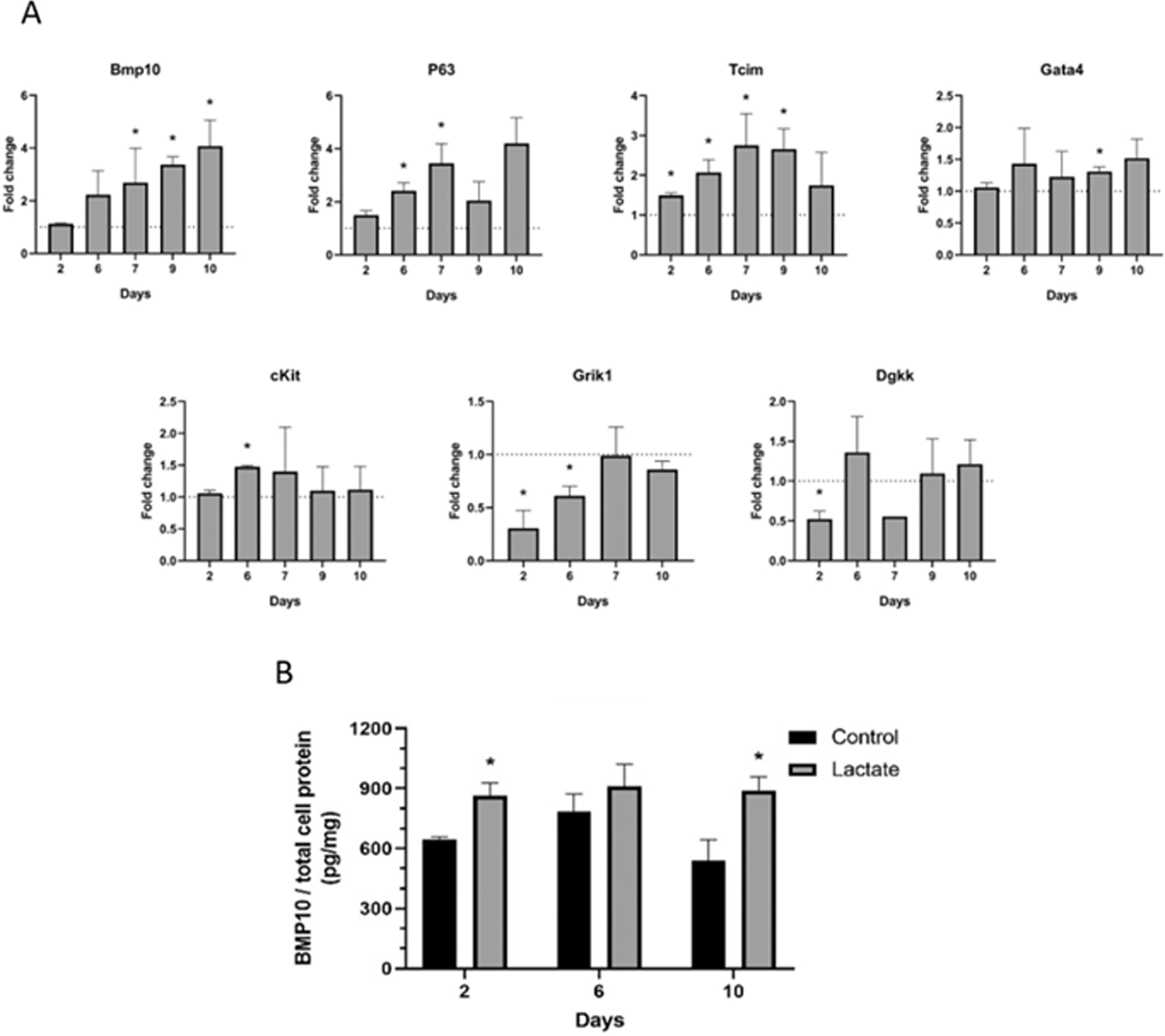
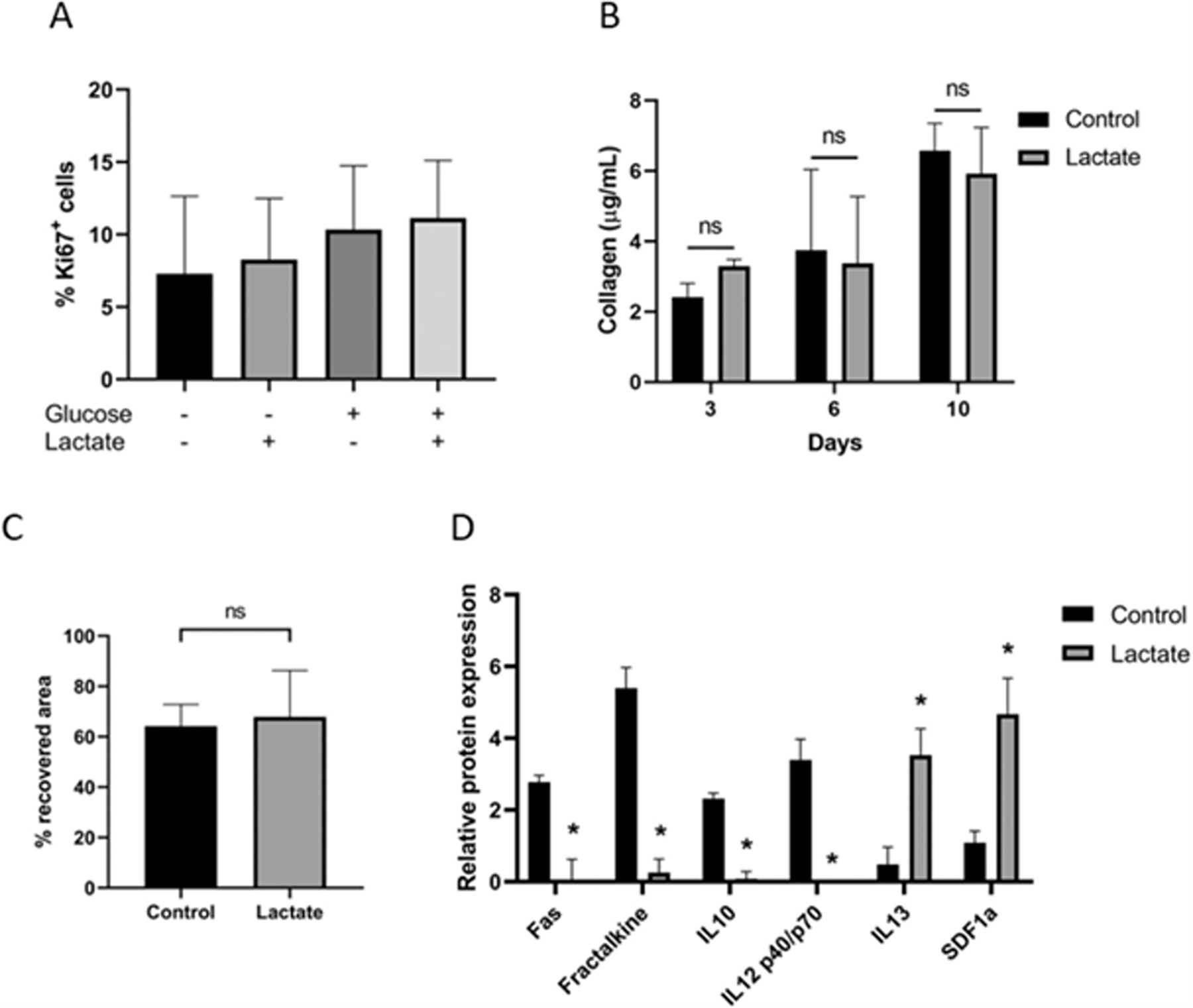
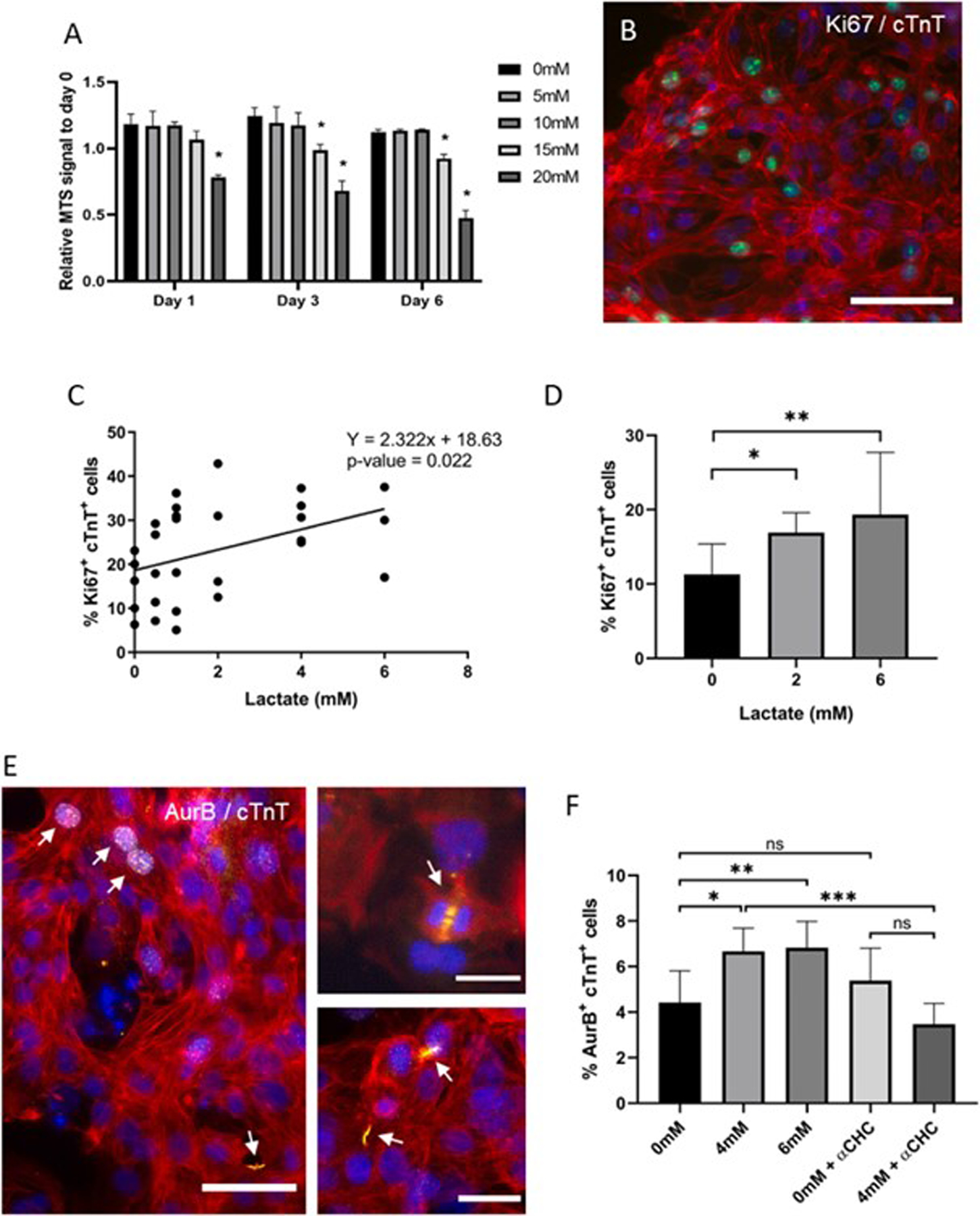
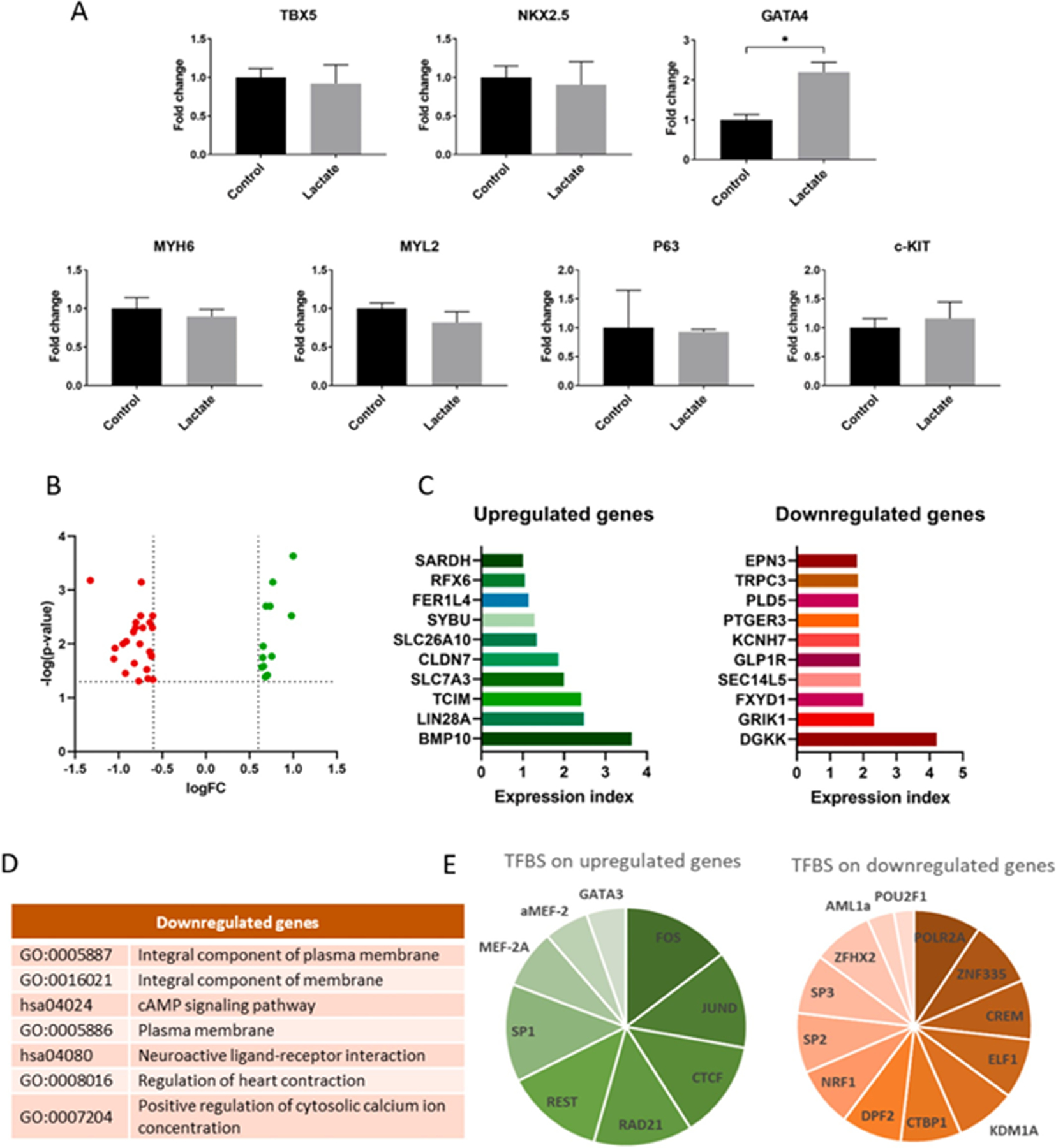
In situ tissue engineering strategies are a promising approach to activate the endogenous regenerative potential of the cardiac tissue helping the heart to heal itself after an injury. However, the current use of complex reprogramming vectors for the activation of reparative pathways challenges the easy translation of these therapies into the clinic. Here, we evaluated the response of mouse neonatal and human induced pluripotent stem cell-derived cardiomyocytes to the presence of exogenous lactate, thus mimicking the metabolic environment of the fetal heart. An increase in cardiomyocyte cell cycle activity was observed in the presence of lactate, as determined through Ki67 and Aurora-B kinase. Gene expression and RNA-sequencing data revealed that cardiomyocytes incubated with lactate showed upregulation of BMP10, LIN28 or TCIM in tandem with downregulation of GRIK1 or DGKK among others. Lactate also demonstrated a capability to modulate the production of inflammatory cytokines on cardiac fibroblasts, reducing the production of Fas, Fraktalkine or IL-12p40, while stimulating IL-13 and SDF1a. In addition, the generation of a lactate-rich environment improved ex vivo neonatal heart culture, by affecting the contractile activity and sarcomeric structures and inhibiting epicardial cell spreading. Our results also suggested a common link between the effect of lactate and the activation of hypoxia signaling pathways. These findings support a novel use of lactate in cardiac tissue engineering, modulating the metabolic environment of the heart and thus paving the way to the development of lactate-releasing platforms for in situ cardiac regeneration.
原位组织工程策略是一种很有前途的方法,可以激活心脏组织的内源性再生潜力,帮助心脏在受伤后自我修复。然而,目前用于激活修复途径的复杂重编程载体对这些疗法的临床转化提出了挑战。在这里,我们评估了外源性乳酸对小鼠新生和人诱导多能干细胞衍生的心肌细胞的反应,从而模拟胎儿心脏的代谢环境。通过 Ki67 和 Aurora-B 激酶检测到,乳酸的存在会增加心肌细胞的细胞周期活性。基因表达和 RNA 测序数据显示,与 GRIK1 或 DGKK 等基因的下调同时,与乳酸孵育的心肌细胞表现出 BMP10、LIN28 或 TCIM 的上调。乳酸还表现出调节心肌成纤维细胞产生炎症细胞因子的能力,减少 Fas、Fraktalkine 或 IL-12p40 的产生,同时刺激 IL-13 和 SDF1a 的产生。此外,富含乳酸的环境的产生通过影响收缩活性和肌节结构并抑制心外膜细胞的扩散,改善了体外新生心脏培养。我们的结果还表明,乳酸的作用与缺氧信号通路的激活之间存在共同联系。这些发现支持乳酸在心脏组织工程中的新用途,调节心脏的代谢环境,为原位心脏再生的乳酸释放平台的开发铺平了道路。