Wang Ruisong, Xiao Yaqian, Pan Meisen, Chen Zhongyuan, Yang Pinhong
College of Life and Environmental Sciences, Hunan University of Arts and Science, Changde 415000, Hunan, China.
Changde Research Centre for Artificial Intelligence and Biomedicine, Changde 415000, Hunan, China.
J Oncol. 2022 Jul 19;2022:6768139. doi: 10.1155/2022/6768139. eCollection 2022.
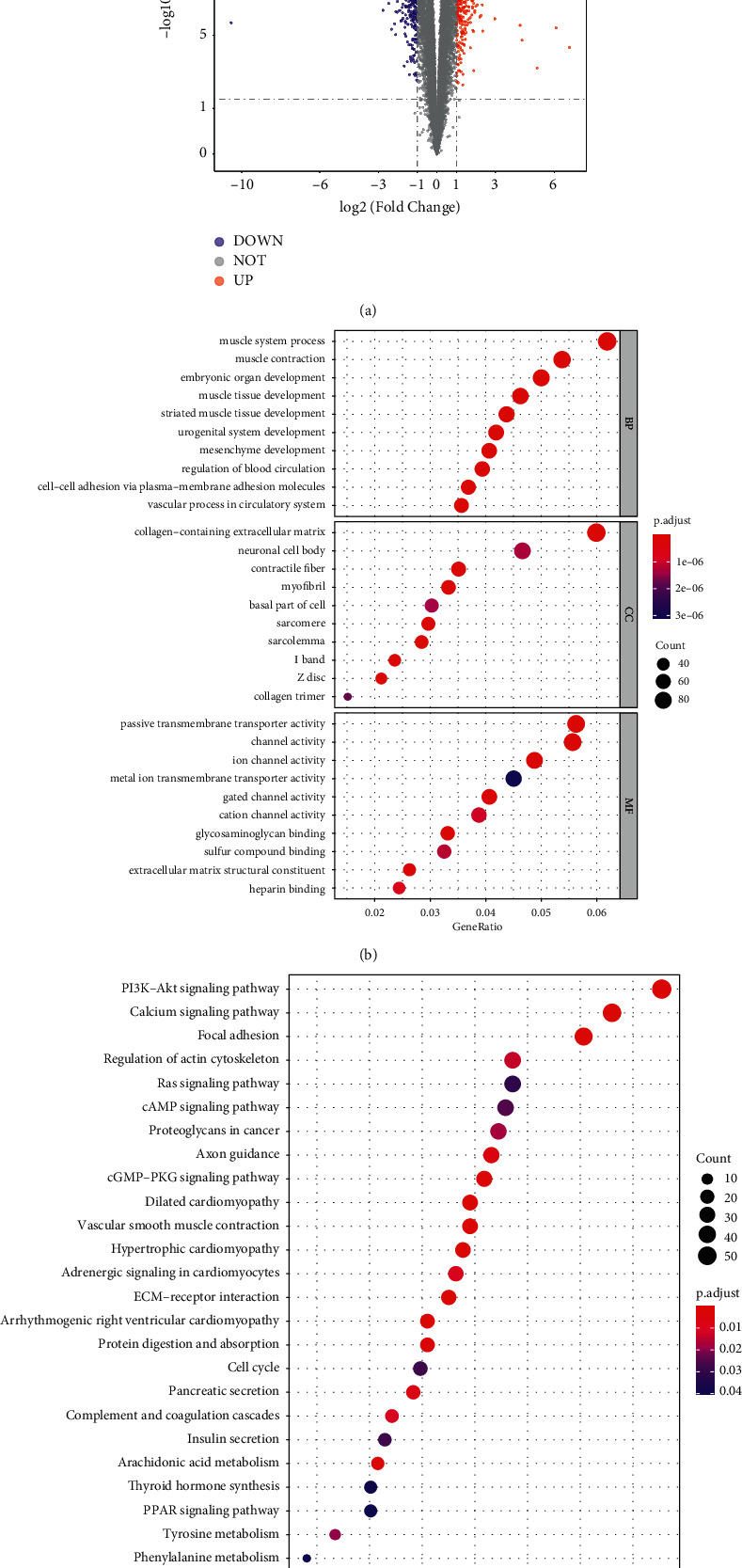
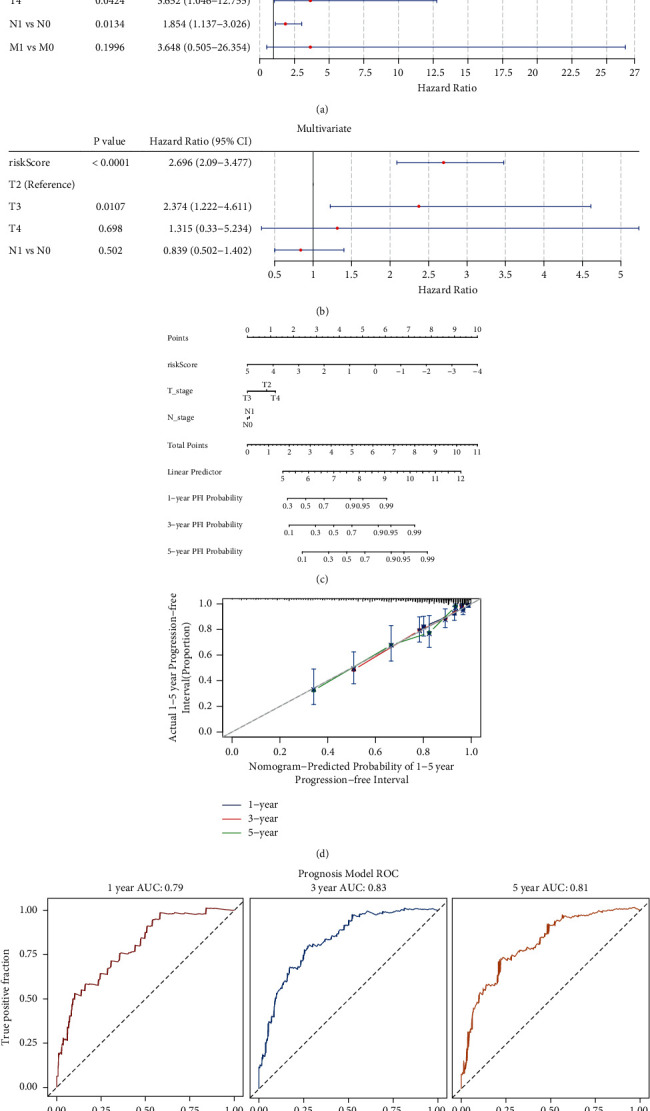
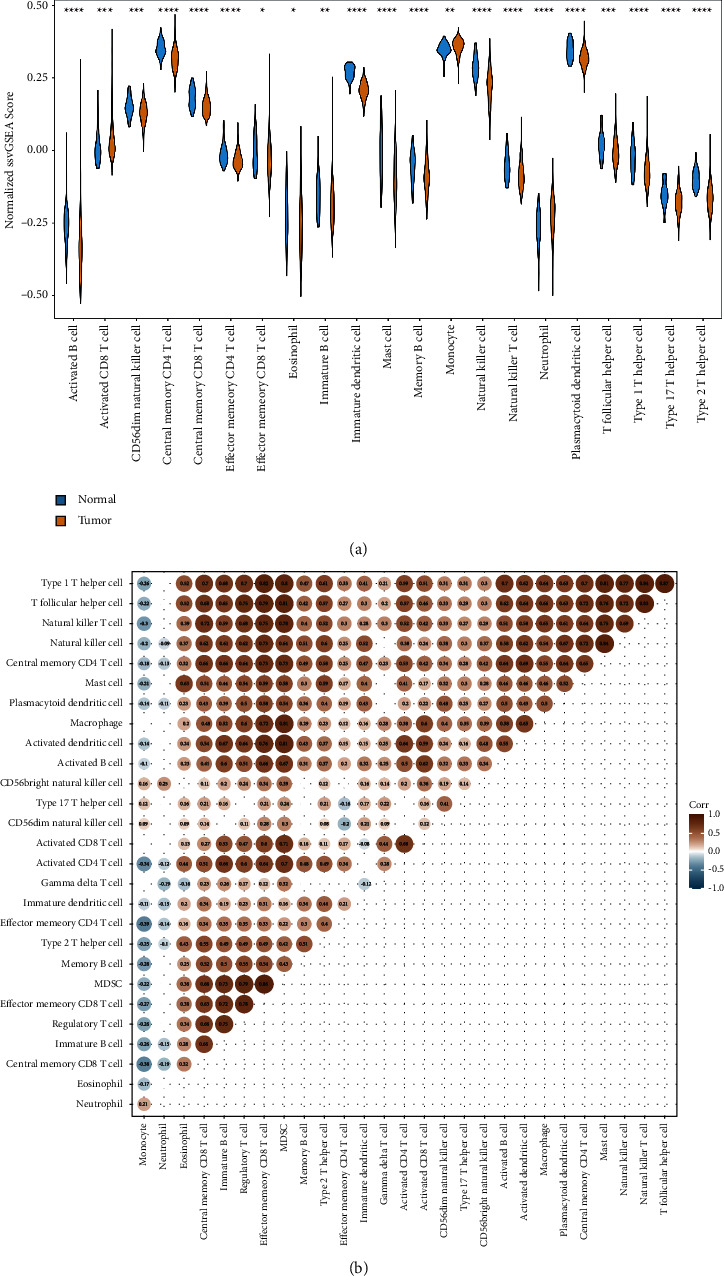
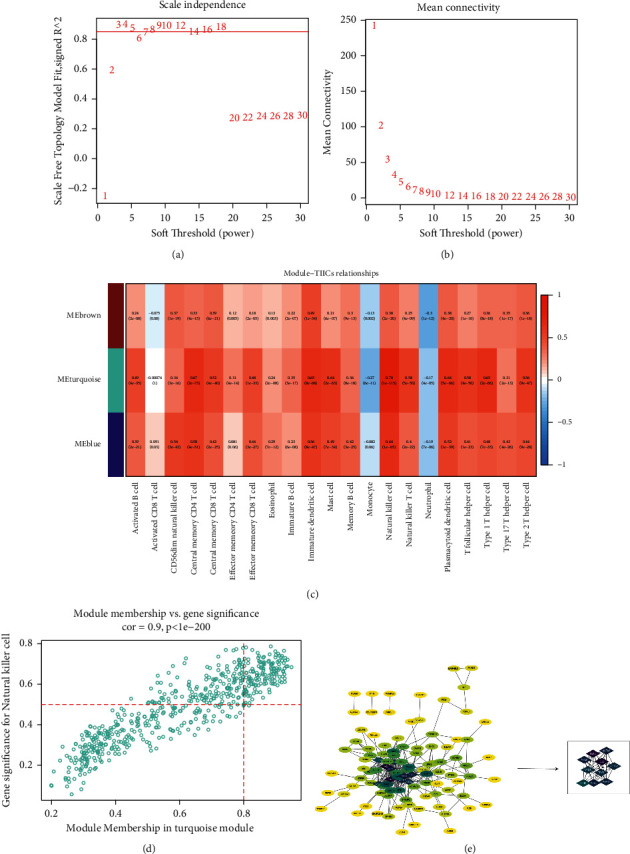
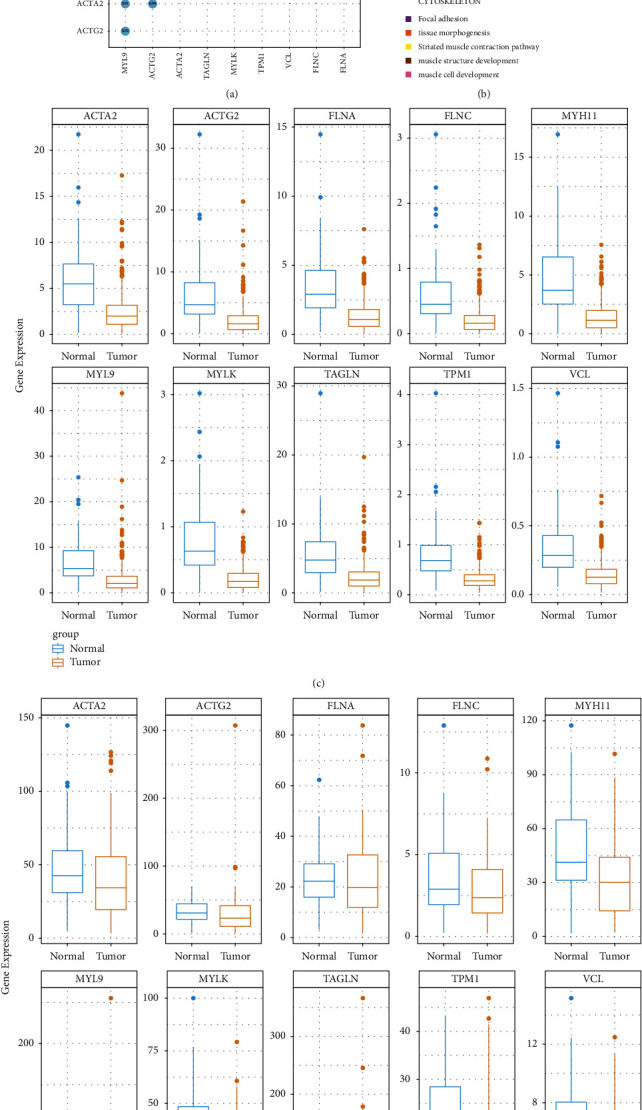
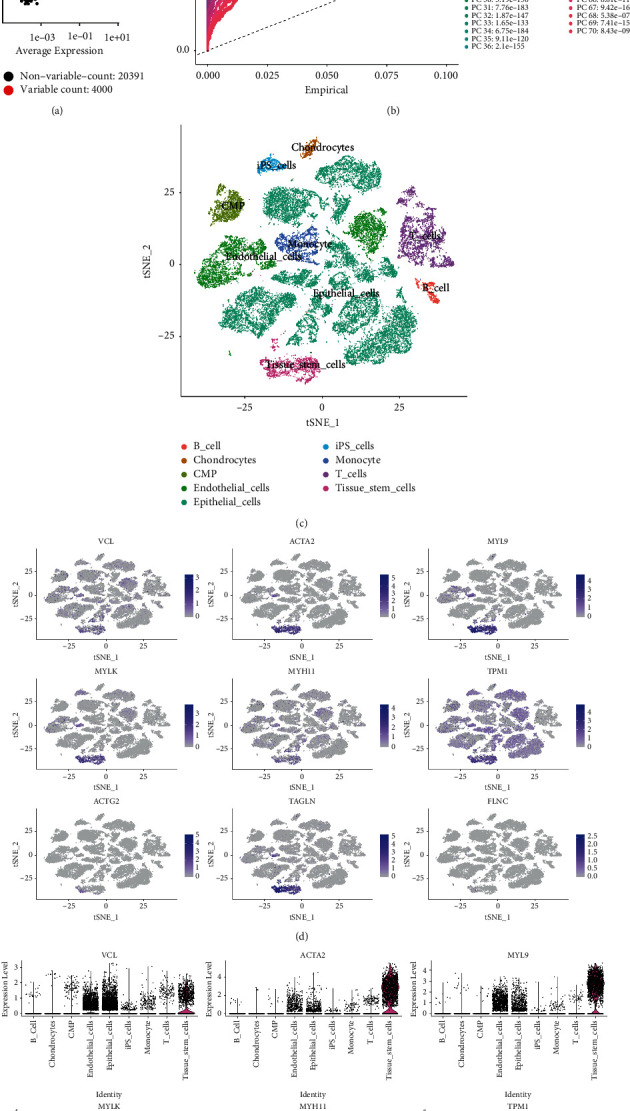
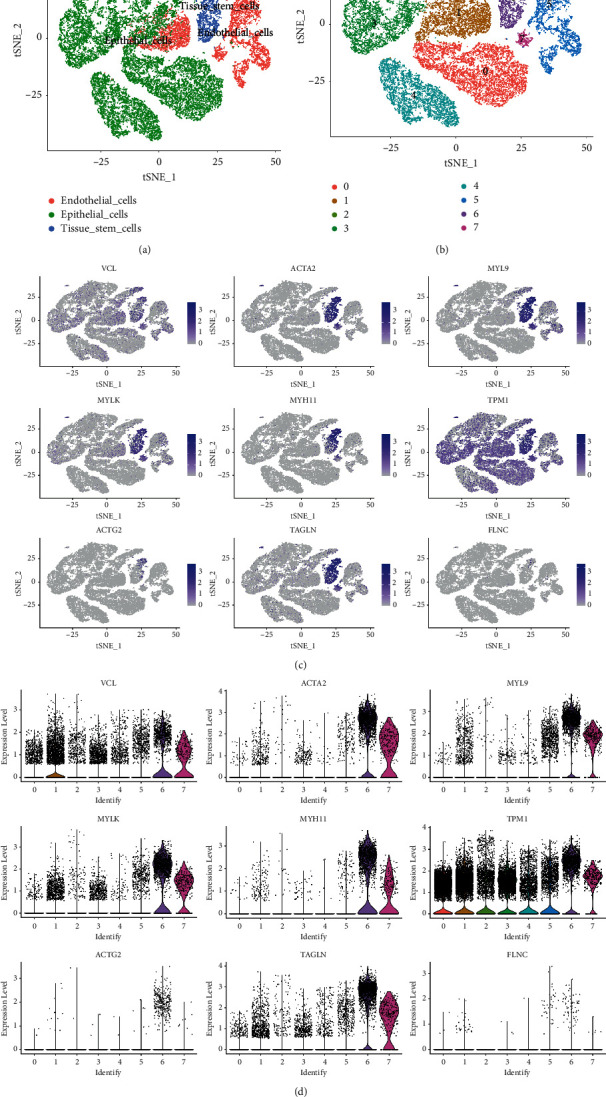
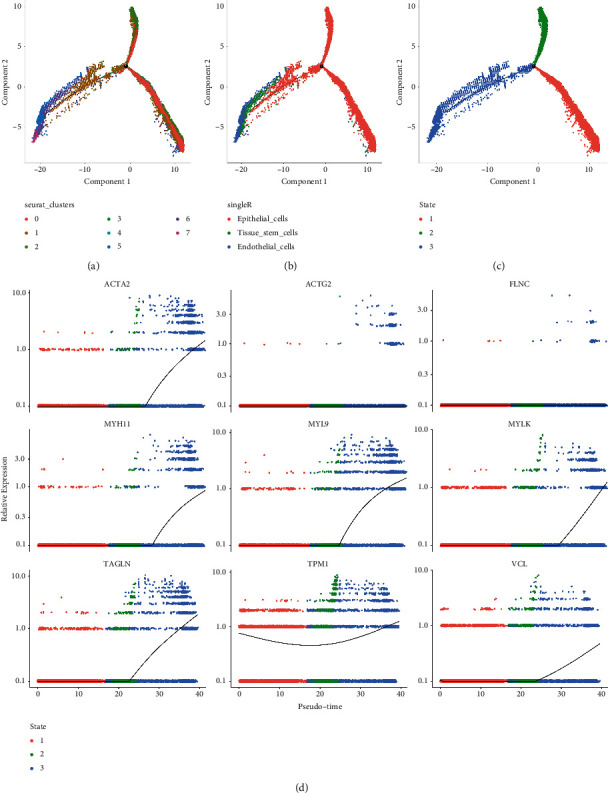
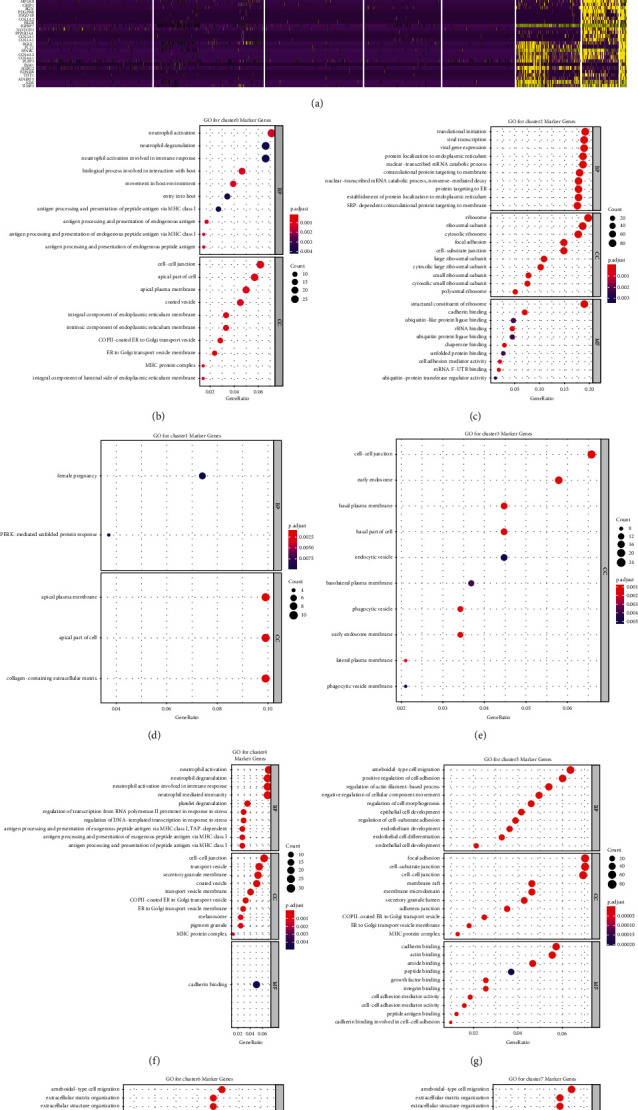
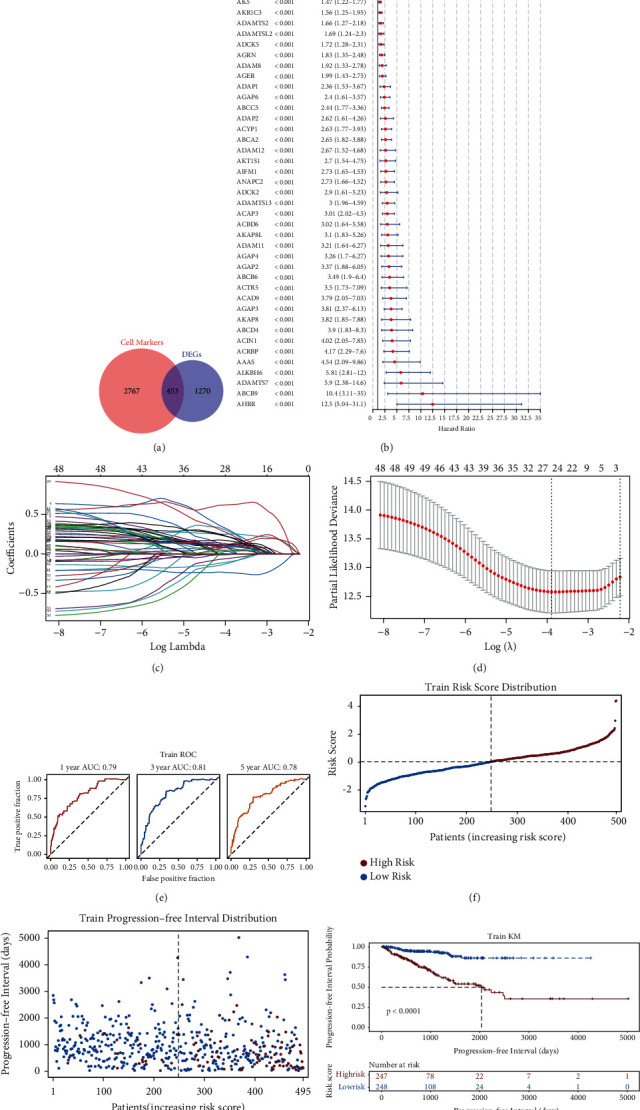
The immune microenvironment is a culmination of the collaborative effort of immune cells and is important in cancer development. The underlying mechanisms of the tumor immune microenvironment in regulating prostate cancer (PRAD) are unclear. In the current study, 144 natural killer cell-related genes were identified using differential expression, single-sample gene set enrichment analysis, and weighted gene coexpression network analysis. Furthermore, VCL, ACTA2, MYL9, MYLK, MYH11, TPM1, ACTG2, TAGLN, and FLNC were selected as hub genes via the protein-protein interaction network. Based on the expression patterns of the hub genes, endothelial, epithelial, and tissue stem cells were identified as key cell subpopulations, which could regulate PRAD via immune response, extracellular signaling, and protein formation. Moreover, 27 genes were identified as prognostic signatures and used to construct the risk score model. Receiver operating characteristic curves revealed the good performance of the risk score model in both the training and testing datasets. Different chemotherapeutic responses were observed between the low- and high-risk groups. Additionally, a nomogram based on the risk score and other clinical features was established to predict the 1-, 3-, and 5-year progression-free interval of patients with PRAD. This study provides novel insights into the molecular mechanisms of the immune microenvironment and its role in the pathogenesis of PARD. The identification of key cell subpopulations has a potential therapeutic and prognostic use in PRAD.
免疫微环境是免疫细胞协同作用的结果,在癌症发展过程中具有重要作用。肿瘤免疫微环境调控前列腺癌(PRAD)的潜在机制尚不清楚。在本研究中,通过差异表达、单样本基因集富集分析和加权基因共表达网络分析,鉴定出144个自然杀伤细胞相关基因。此外,通过蛋白质-蛋白质相互作用网络,选择VCL、ACTA2、MYL9、MYLK、MYH11、TPM1、ACTG2、TAGLN和FLNC作为枢纽基因。基于枢纽基因的表达模式,内皮细胞、上皮细胞和组织干细胞被确定为关键细胞亚群,它们可通过免疫反应、细胞外信号传导和蛋白质形成来调节PRAD。此外,27个基因被确定为预后特征,并用于构建风险评分模型。受试者工作特征曲线显示,风险评分模型在训练数据集和测试数据集中均表现良好。低风险组和高风险组之间观察到不同的化疗反应。此外,建立了基于风险评分和其他临床特征的列线图,以预测PRAD患者的1年、3年和5年无进展生存期。本研究为免疫微环境的分子机制及其在PARD发病机制中的作用提供了新的见解。关键细胞亚群的鉴定在PRAD中具有潜在的治疗和预后应用价值。