Reis Pedro B P S, Barletta German P, Gagliardi Luca, Fortuna Sara, Soler Miguel A, Rocchia Walter
CONCEPT Lab, Istituto Italiano di Teconologia, Genova, Italy.
Bioisi, University of Lisbon, Lisbon, Portugal.
Front Mol Biosci. 2022 Jul 14;9:945808. doi: 10.3389/fmolb.2022.945808. eCollection 2022.
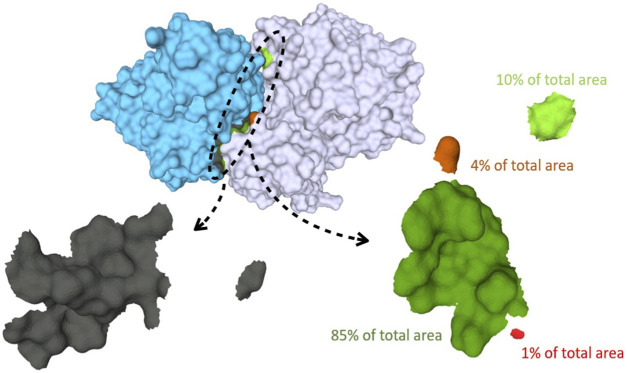
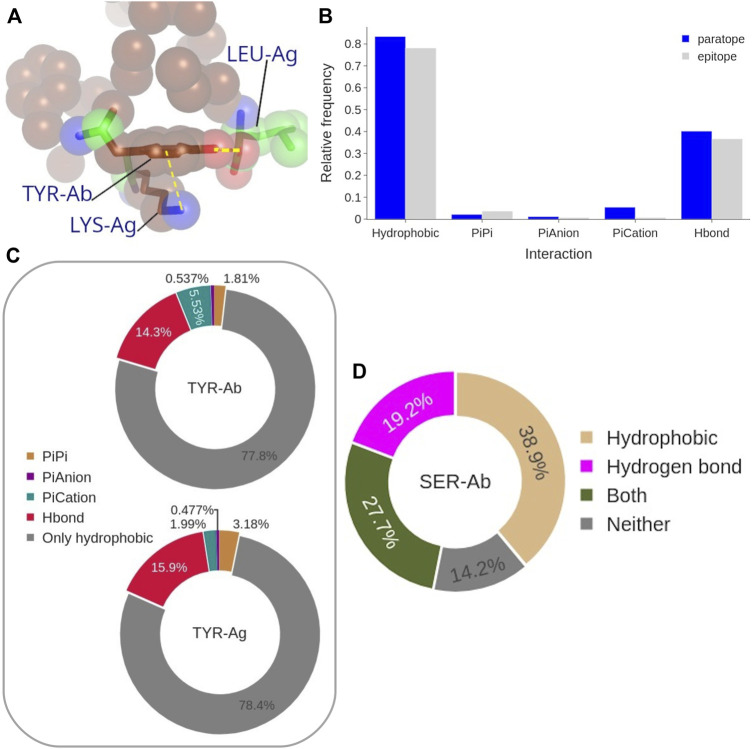
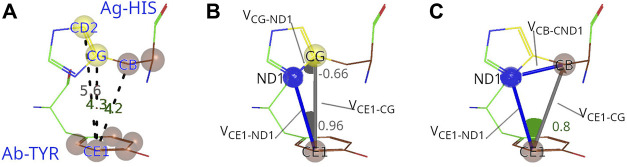
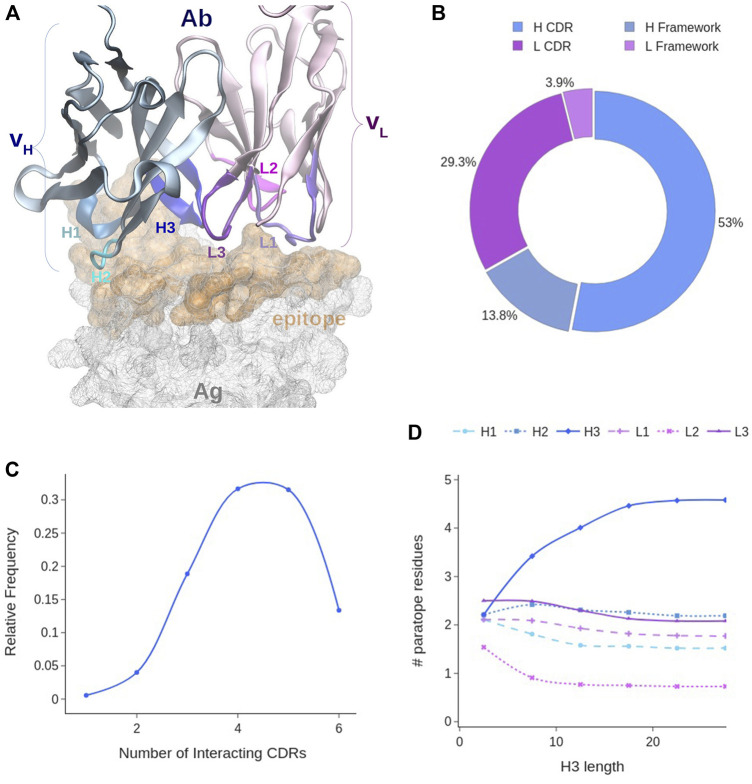
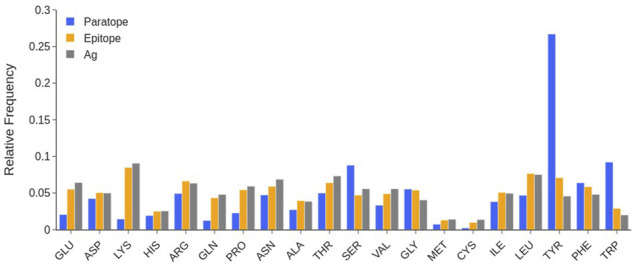
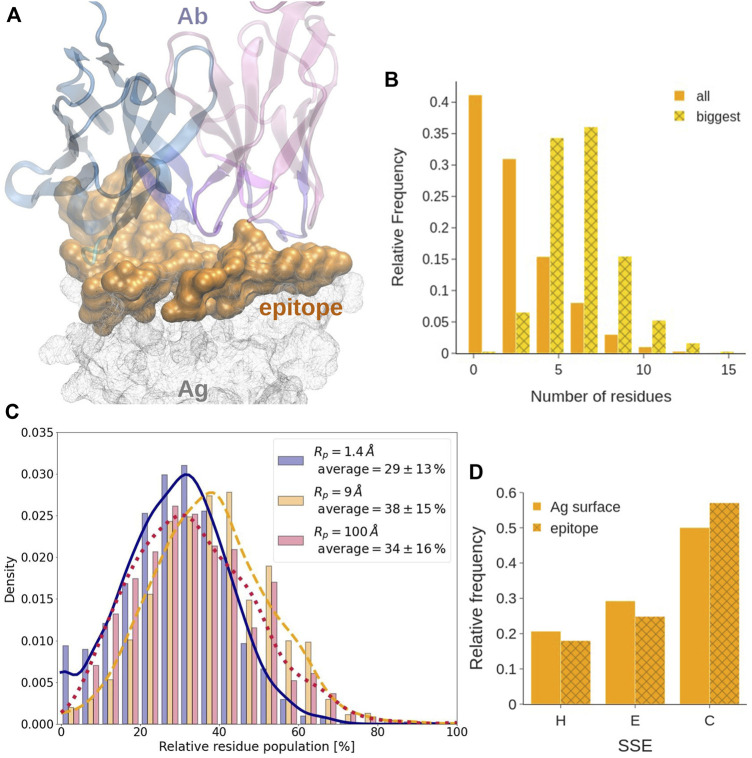
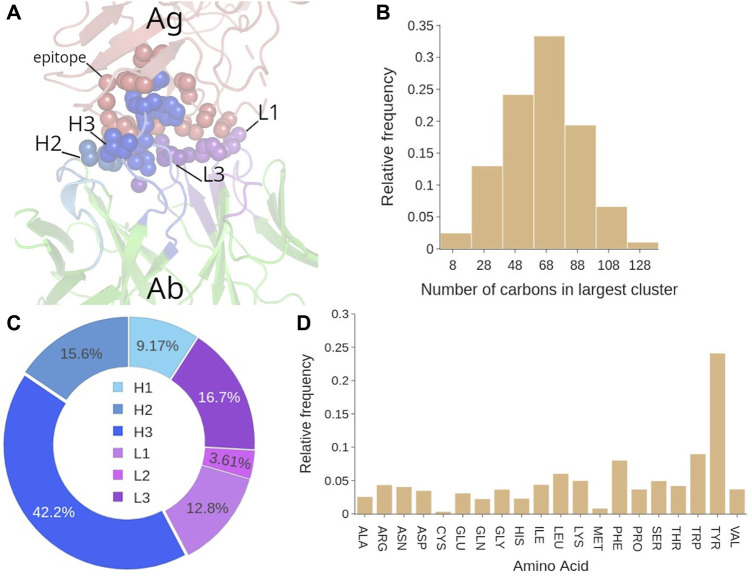
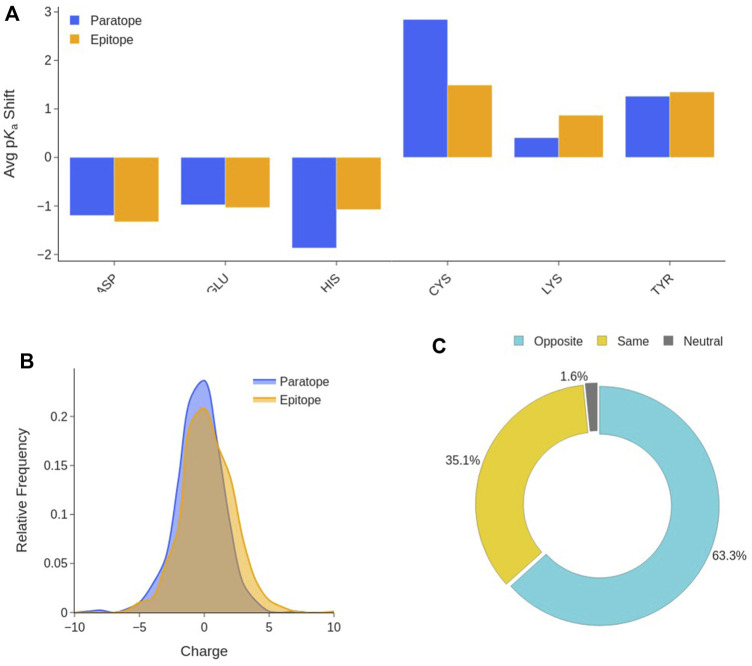
Antibodies have become the Swiss Army tool for molecular biology and nanotechnology. Their outstanding ability to specifically recognise molecular antigens allows their use in many different applications from medicine to the industry. Moreover, the improvement of conventional structural biology techniques (e.g., X-ray, NMR) as well as the emergence of new ones (e.g., Cryo-EM), have permitted in the last years a notable increase of resolved antibody-antigen structures. This offers a unique opportunity to perform an exhaustive structural analysis of antibody-antigen interfaces by employing the large amount of data available nowadays. To leverage this factor, different geometric as well as chemical descriptors were evaluated to perform a comprehensive characterization.
抗体已成为分子生物学和纳米技术的万能工具。它们具有特异性识别分子抗原的卓越能力,这使得它们能够应用于从医学到工业等许多不同领域。此外,传统结构生物学技术(如X射线、核磁共振)的改进以及新出现的技术(如冷冻电镜),在过去几年里使得解析出的抗体-抗原结构数量显著增加。这提供了一个独特的机会,利用如今可用的大量数据对抗体-抗原界面进行详尽的结构分析。为了利用这一因素,人们评估了不同的几何和化学描述符,以进行全面的表征。