Department of Biomedical Engineering, McGill University, Montreal, QC, H3G 0B1, Canada.
Rosalind & Morris Goodman Cancer Institute, McGill University, Montreal, QC, H3G 0B1, Canada.
J Nanobiotechnology. 2022 Aug 2;20(1):354. doi: 10.1186/s12951-022-01570-y.
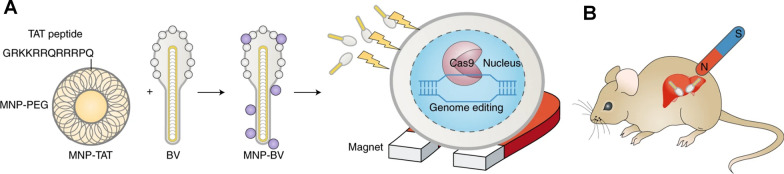
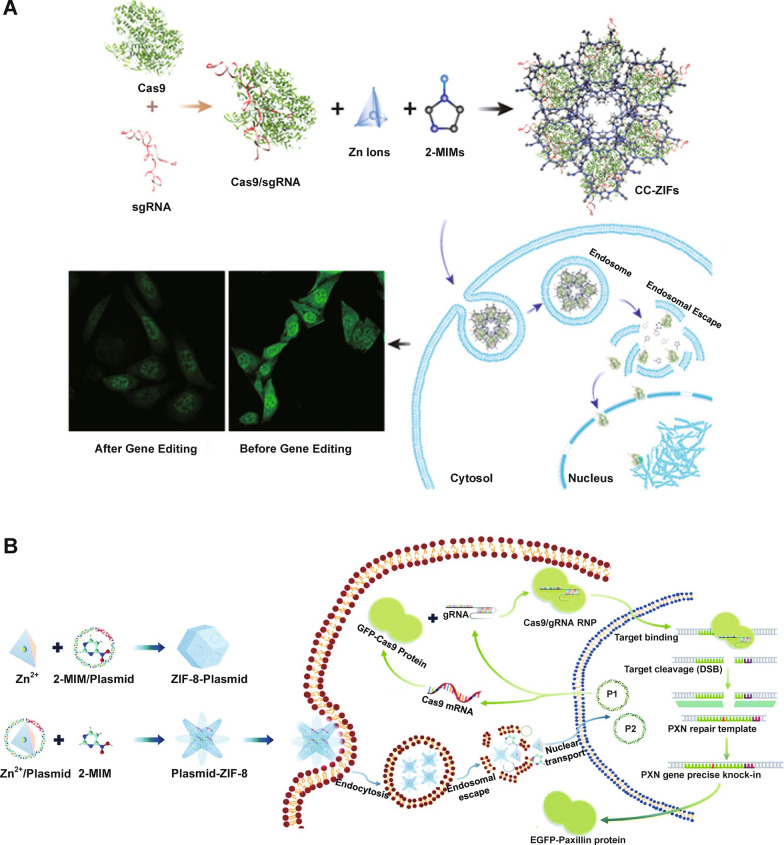
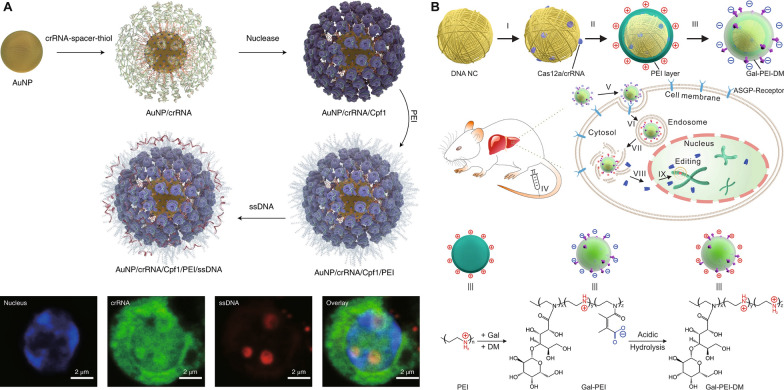
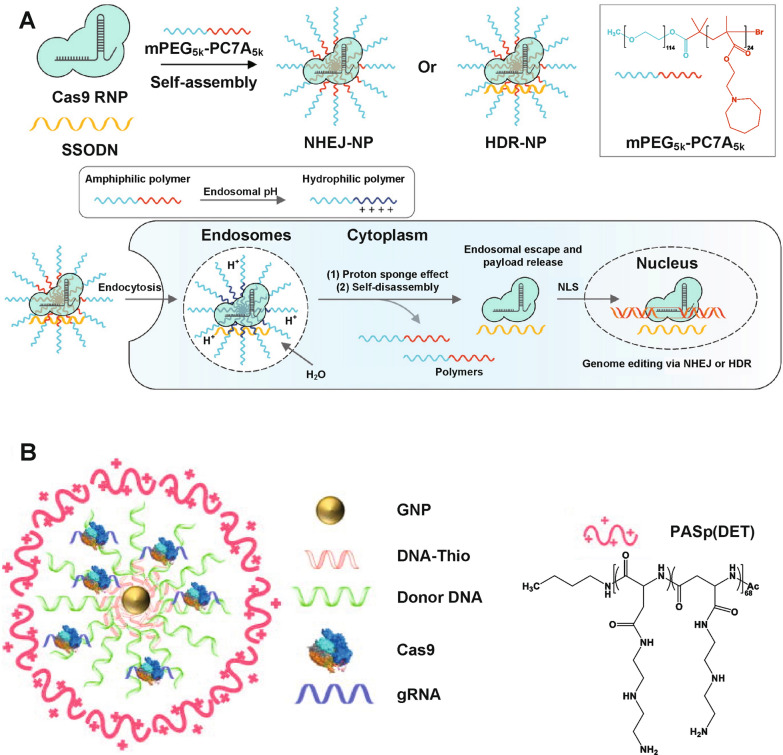
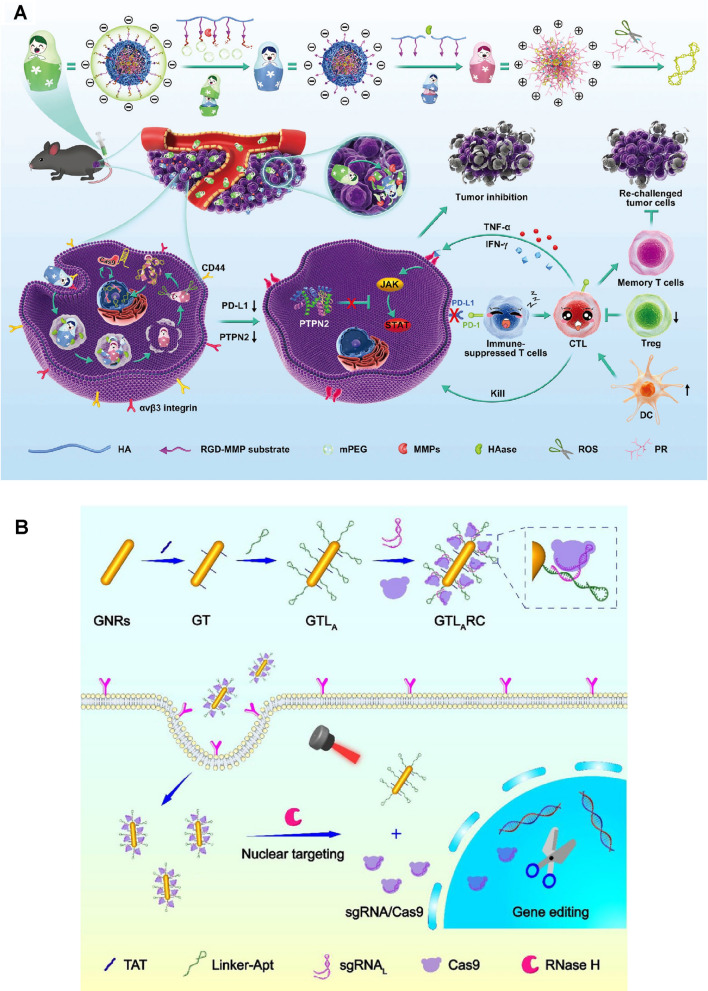
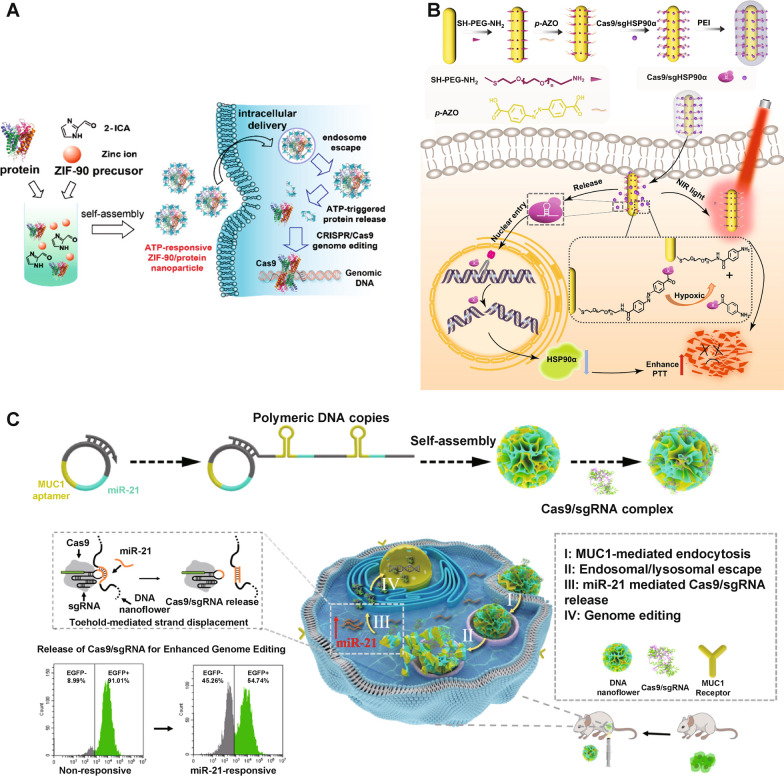
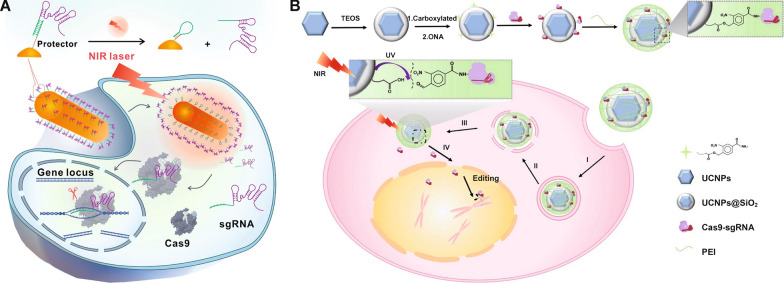
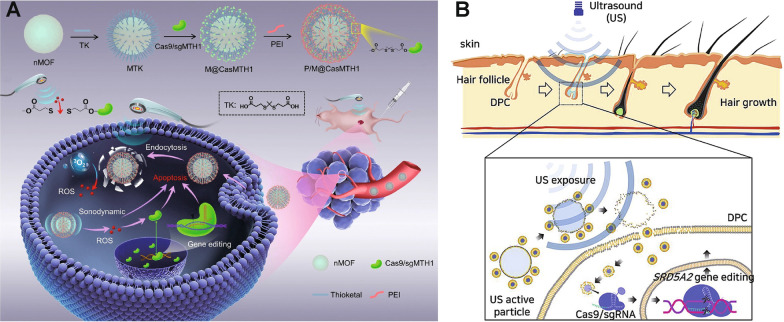
The CRISPR-Cas9 technology has changed the landscape of genome editing and has demonstrated extraordinary potential for treating otherwise incurable diseases. Engineering strategies to enable efficient intracellular delivery of CRISPR-Cas9 components has been a central theme for broadening the impact of the CRISPR-Cas9 technology. Various non-viral delivery systems for CRISPR-Cas9 have been investigated given their favorable safety profiles over viral systems. Many recent efforts have been focused on the development of stimuli-responsive non-viral CRISPR-Cas9 delivery systems, with the goal of achieving efficient and precise genome editing. Stimuli-responsive nanoplatforms are capable of sensing and responding to particular triggers, such as innate biological cues and external stimuli, for controlled CRISPR-Cas9 genome editing. In this Review, we overview the recent advances in stimuli-responsive nanoformulations for CRISPR-Cas9 delivery, highlight the rationale of stimuli and formulation designs, and summarize their biomedical applications.
CRISPR-Cas9 技术改变了基因组编辑的格局,为治疗 otherwise incurable diseases 展示了非凡的潜力。为了扩大 CRISPR-Cas9 技术的影响,工程策略旨在实现 CRISPR-Cas9 成分的高效细胞内递送,一直是一个核心主题。鉴于病毒系统,各种非病毒递送系统已被用于 CRISPR-Cas9,因为它们具有良好的安全性。许多最近的努力都集中在开发响应性非病毒 CRISPR-Cas9 递送系统上,目标是实现高效和精确的基因组编辑。响应性纳米平台能够感应和响应特定的触发因素,如先天的生物信号和外部刺激,以进行受控的 CRISPR-Cas9 基因组编辑。在这篇综述中,我们概述了用于 CRISPR-Cas9 递送的响应性纳米制剂的最新进展,强调了刺激因素和制剂设计的原理,并总结了它们在生物医学中的应用。