Huang Shuai, Zheng Gang, Men Hongkai, Wang Wei, Li Shengli
College of Animal Science and Technology, Hainan University, Haikou, China.
State Key Laboratory of Animal Nutrition, Beijing Engineering Technology Research Center of Raw Milk Quality and Safety Control, College of Animal Science and Technology, China Agricultural University, Beijing, China.
Front Microbiol. 2022 Jul 13;13:940158. doi: 10.3389/fmicb.2022.940158. eCollection 2022.
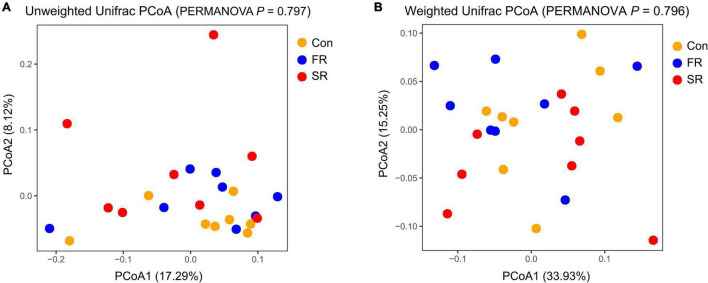
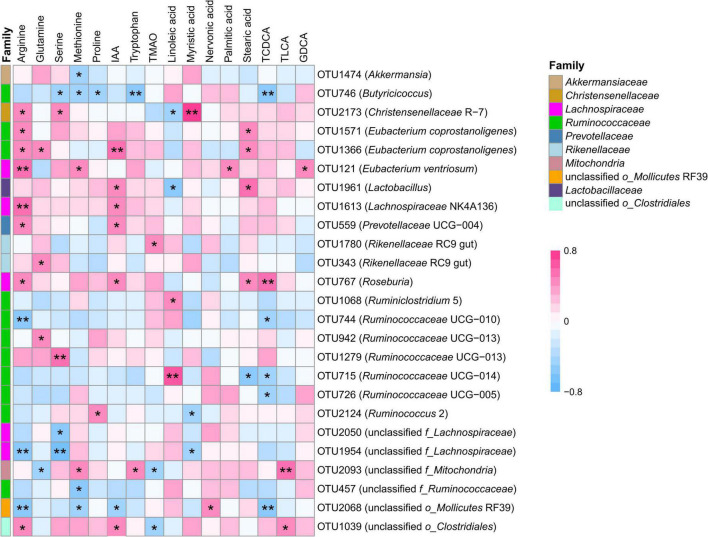
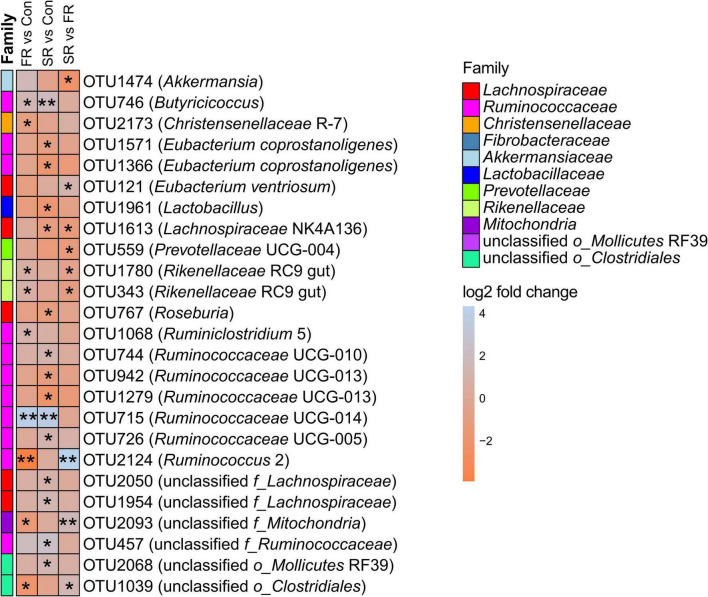
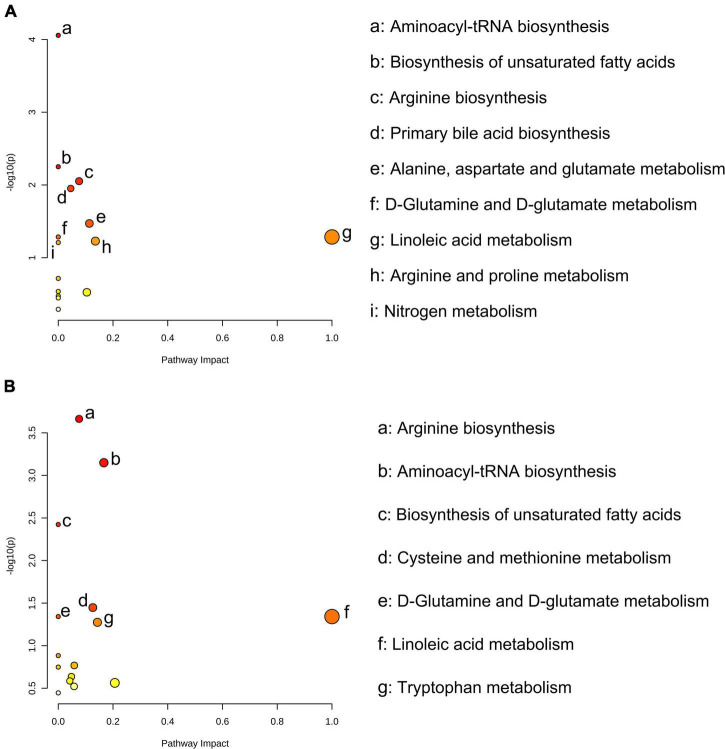
Rumen fluid transplantation (RFT) has been used to rebuild rumen bacterial homeostasis, reshape rumen function, and restore rumen fermentation, whereas the effect of RFT on fecal microbiota and host metabolism in cows remains poorly understood. In our study, a combination of 16S rRNA sequencing and serum non-targeted metabolomics was performed to investigate the response of fecal microbiota and serum metabolome in dairy cows following RFT. Twenty-four prepartum dairy cows were randomly assigned to 3 groups ( = 8) for infusion of either saline (Con), fresh rumen fluid (FR), or sterilized rumen fluid (SR) after calving. Fourteen days after calving, fecal microbiota and serum metabolome were analyzed. The sequencing data of fecal samples revealed no changes in alpha diversity and relative abundance of dominant genera such as UCG-005, RC9 gut and . However, the other genus level taxa, such as , , and , showed distinct changes following RFT. Serum metabolome analysis showed that FR or SR infusion affected amino acids metabolism, bile acids metabolism and fatty acids metabolism (including linoleic acid, oleic acid and palmitic acid). Furthermore, correlation analysis showed that taxa from genera were positively correlated with metabolites involved in tryptophan and bile acid metabolisms, such as OTU1039 from genera unclassified was positively correlated to indoleacetic acid and taurolithocholic acid. These results suggest that RFT altered the composition of the fecal microbiota and modulated microbial metabolic pathways, which is vital for the development and safety assessment of rumen microbial intervention strategies.
瘤胃液移植(RFT)已被用于重建瘤胃细菌稳态、重塑瘤胃功能和恢复瘤胃发酵,然而,RFT对奶牛粪便微生物群和宿主代谢的影响仍知之甚少。在我们的研究中,采用16S rRNA测序和血清非靶向代谢组学相结合的方法,研究RFT后奶牛粪便微生物群和血清代谢组的反应。24头产前奶牛在产犊后随机分为3组(每组n = 8),分别输注生理盐水(Con)、新鲜瘤胃液(FR)或灭菌瘤胃液(SR)。产犊后14天,分析粪便微生物群和血清代谢组。粪便样本的测序数据显示,α多样性和优势属如UCG-005、RC9肠道菌属和某菌属的相对丰度没有变化。然而,其他属水平的分类群,如某菌属、某菌属、某菌属和某菌属,在RFT后表现出明显变化。血清代谢组分析表明,输注FR或SR会影响氨基酸代谢、胆汁酸代谢和脂肪酸代谢(包括亚油酸、油酸和棕榈酸)。此外,相关性分析表明,某菌属的分类群与色氨酸和胆汁酸代谢相关的代谢物呈正相关,例如未分类某菌属的OTU1039与吲哚乙酸和牛磺石胆酸呈正相关。这些结果表明,RFT改变了粪便微生物群的组成并调节了微生物代谢途径,这对瘤胃微生物干预策略的开发和安全性评估至关重要。