Ruiz Geovanny, Torres-Lugo Norberto J, Marrero-Ortiz Pablo, Guzmán Humberto, Olivella Gerardo, Ramírez Norman
Ponce Health Sciences University, School of Medicine, Ponce, Puerto Rico.
Department of Orthopaedic Surgery, University of Puerto Rico, Medical Sciences Campus, San Juan, Puerto Rico.
EFORT Open Rev. 2022 Aug 4;7(8):599-610. doi: 10.1530/EOR-22-0040.
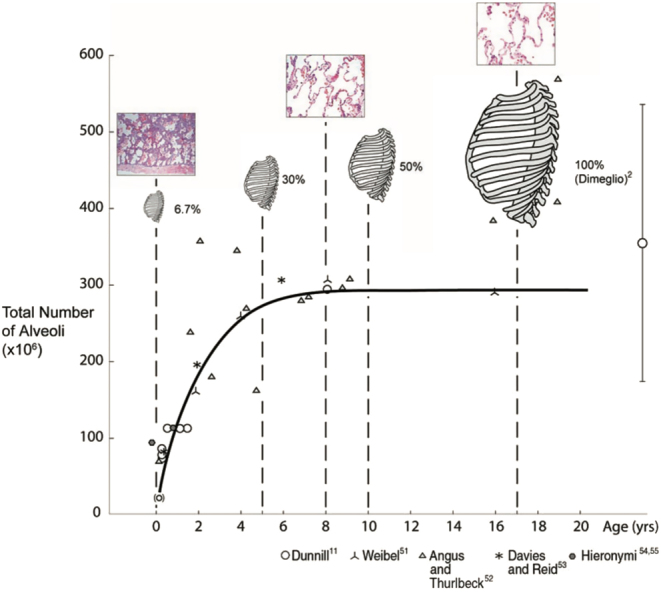
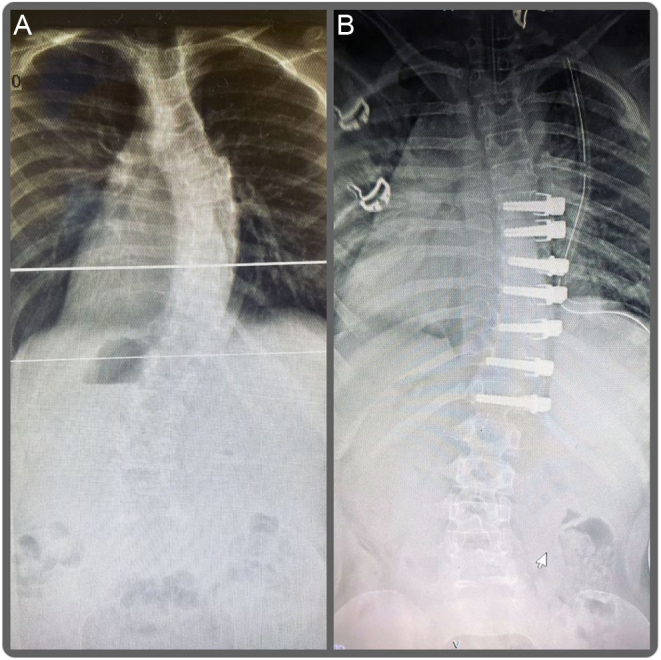
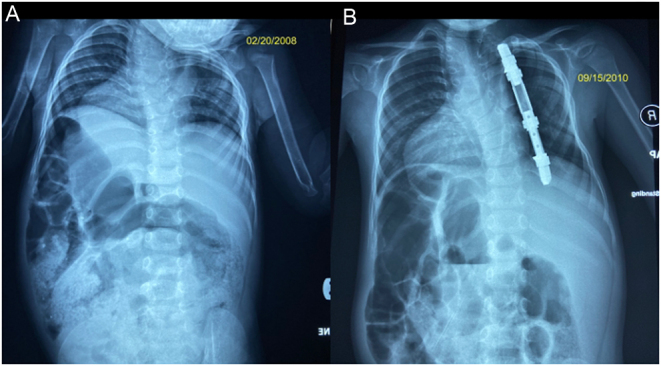
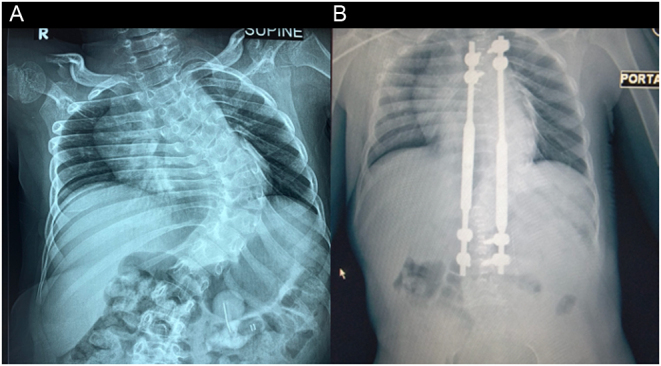
Early-onset scoliosis (EOS) is defined as any spinal deformity that is present before 10 years old, regardless of etiology. Deformity must be evaluated based on the intercorrelation between the lungs, spine, and thorax. Curvatures of early-onset have increased risk of progression, cardiorespiratory problems, and increased morbidity and mortality. Progression of the deformity may produce thoracic insufficiency syndrome, where a distorted thorax is unable to support normal respiratory function or lung growth. Management and treatment of EOS should pursue a holistic approach in which the psychological impact and quality of life of the patient are also taken into consideration. Growth-friendly surgical techniques have not met the initial expectations of correcting scoliotic deformity, promoting thoracic growth, and improving pulmonary function.
早发性脊柱侧弯(EOS)被定义为10岁之前出现的任何脊柱畸形,无论其病因如何。畸形必须根据肺、脊柱和胸廓之间的相互关系进行评估。早发性脊柱侧弯的曲度有增加进展、心肺问题以及发病率和死亡率的风险。畸形的进展可能会导致胸廓发育不全综合征,即胸廓变形无法支持正常呼吸功能或肺部生长。EOS的管理和治疗应采用整体方法,其中还应考虑患者的心理影响和生活质量。生长友好型手术技术尚未达到矫正脊柱侧弯畸形、促进胸廓生长和改善肺功能的最初预期。