Surgery Branch, Center for Cancer Research, National Cancer Institute, Bethesda, MD 20892, USA; Center for Cell-Based Therapy, National Cancer Institute, Bethesda, MD 20892, USA.
Surgery Branch, Center for Cancer Research, National Cancer Institute, Bethesda, MD 20892, USA; Center for Cell-Based Therapy, National Cancer Institute, Bethesda, MD 20892, USA.
Cell Rep. 2022 Aug 2;40(5):111153. doi: 10.1016/j.celrep.2022.111153.
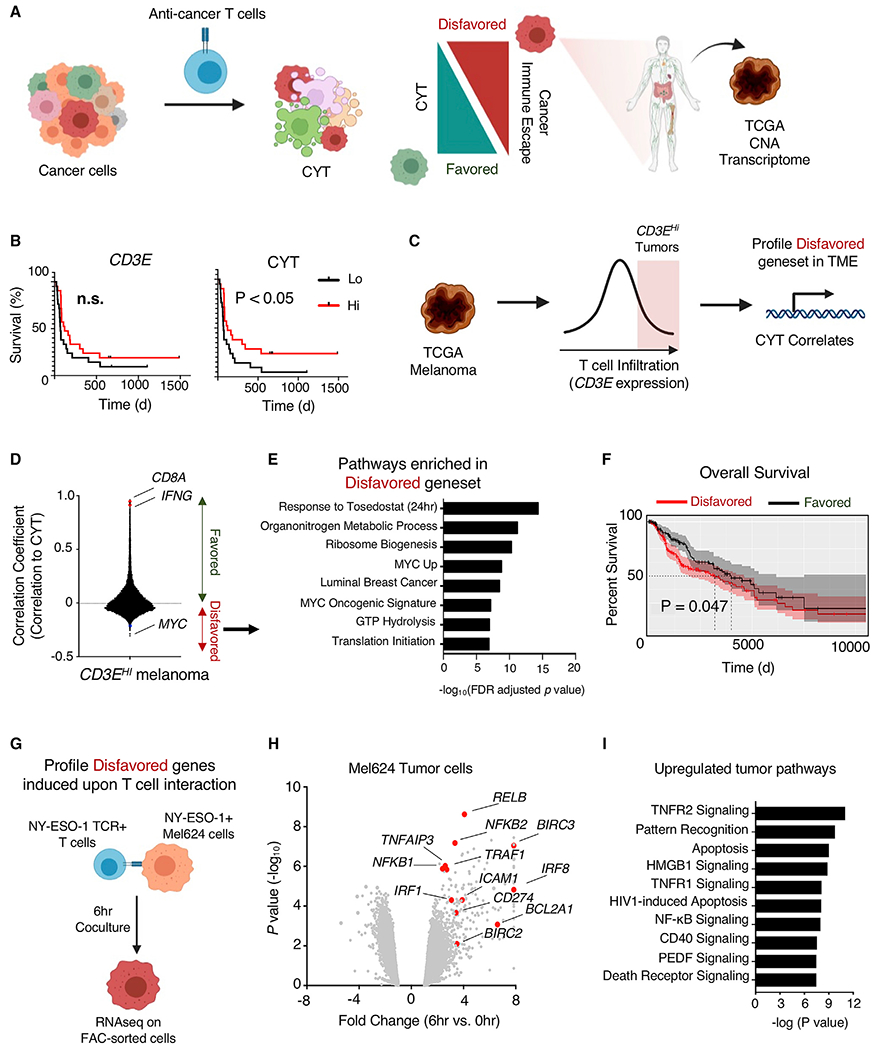
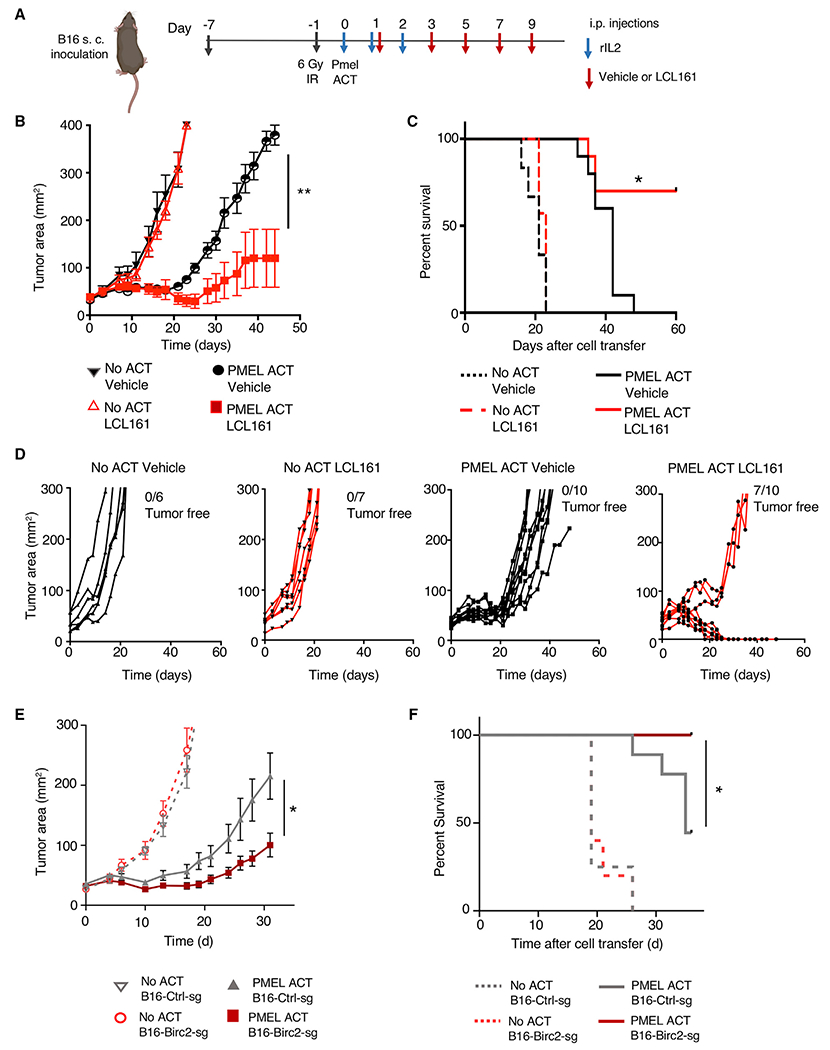
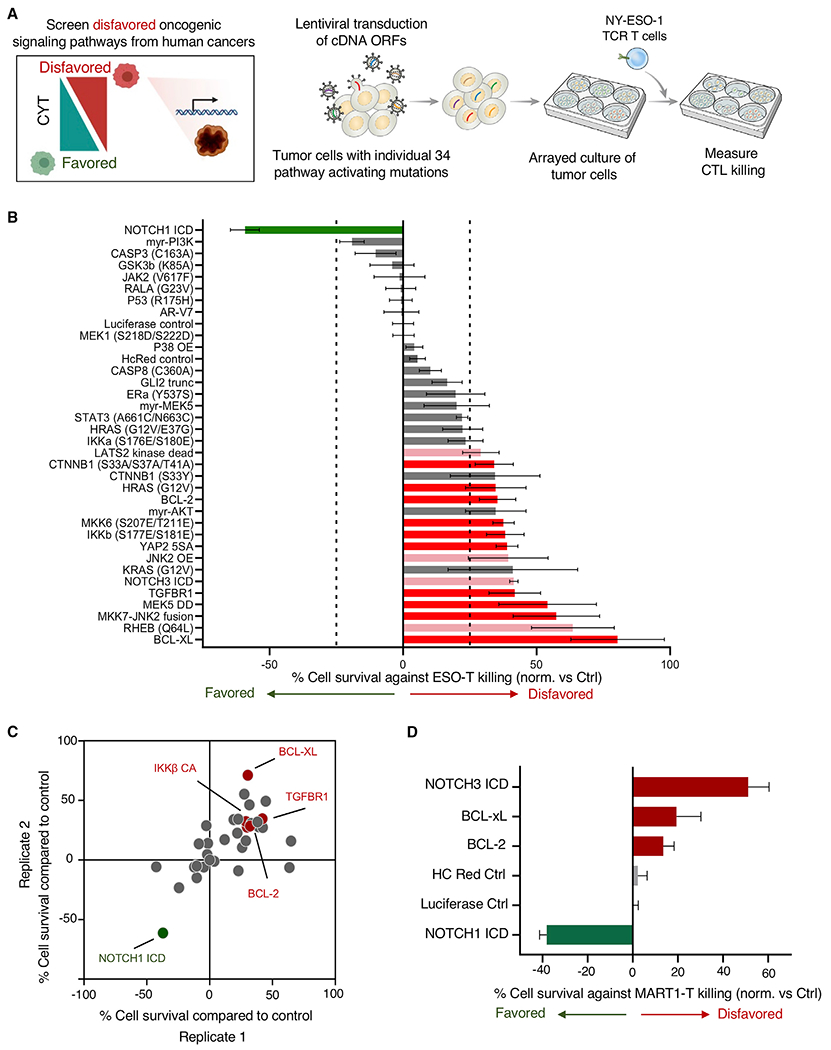
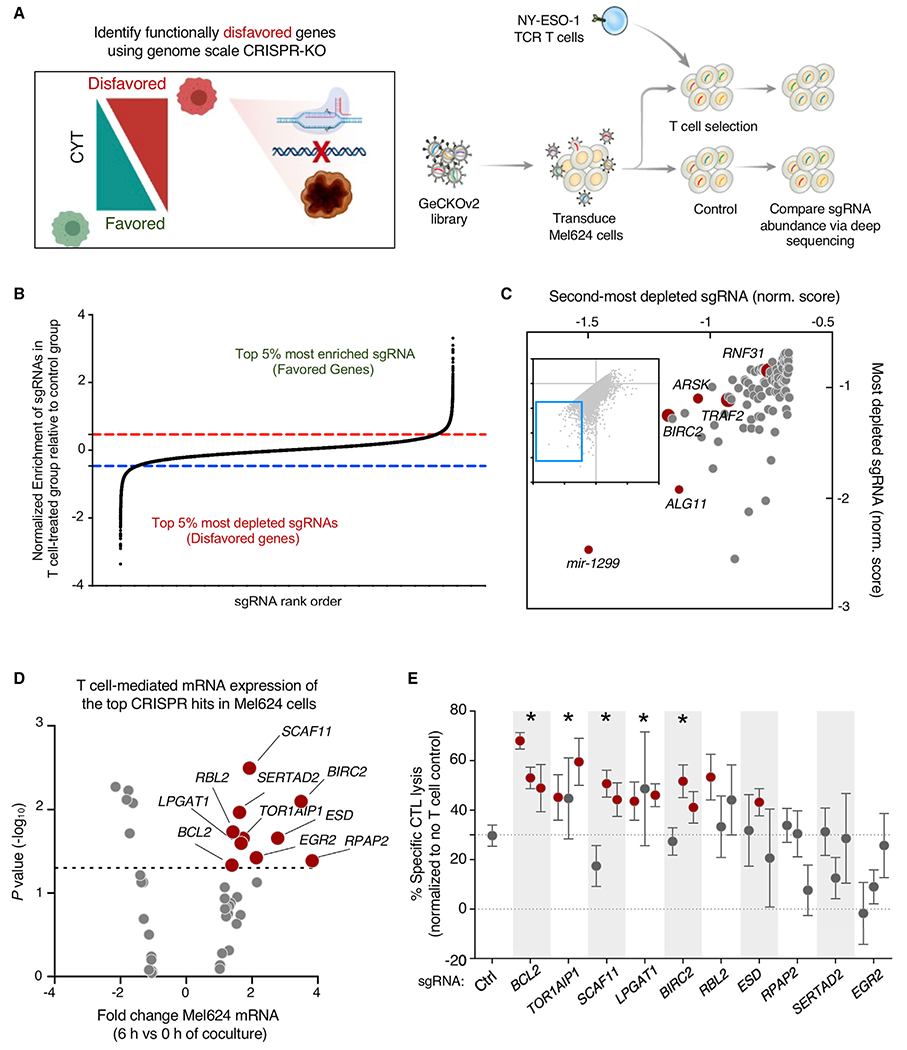
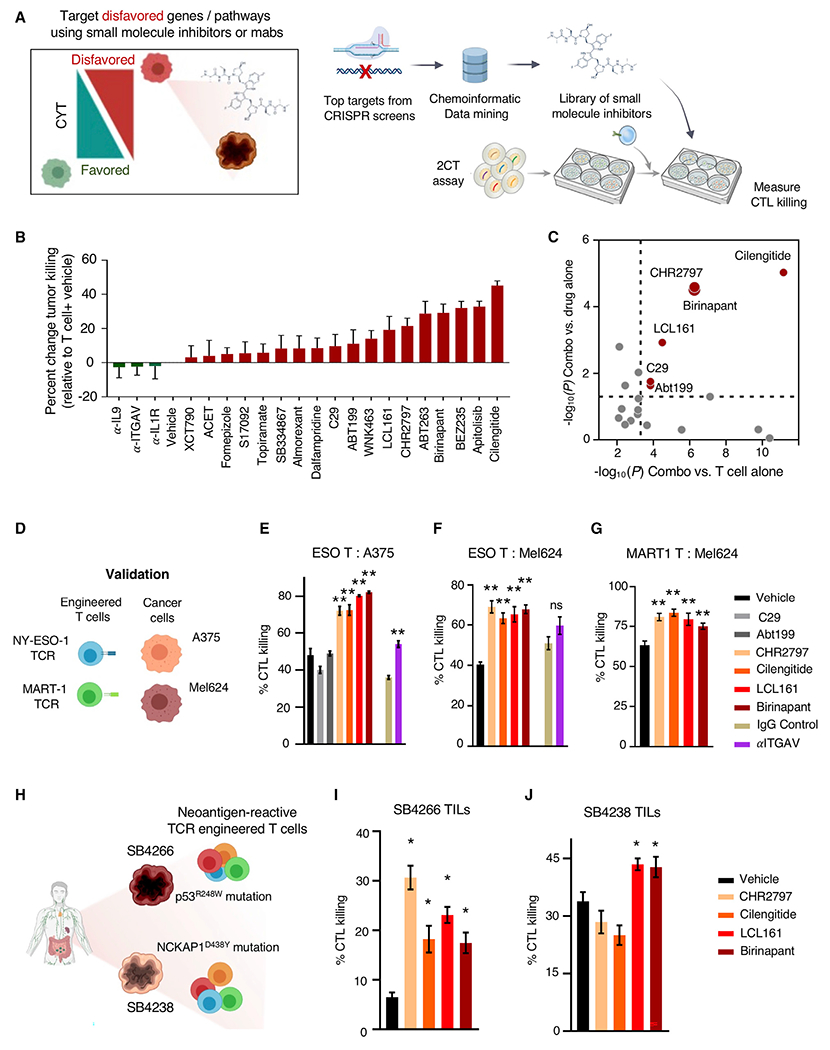
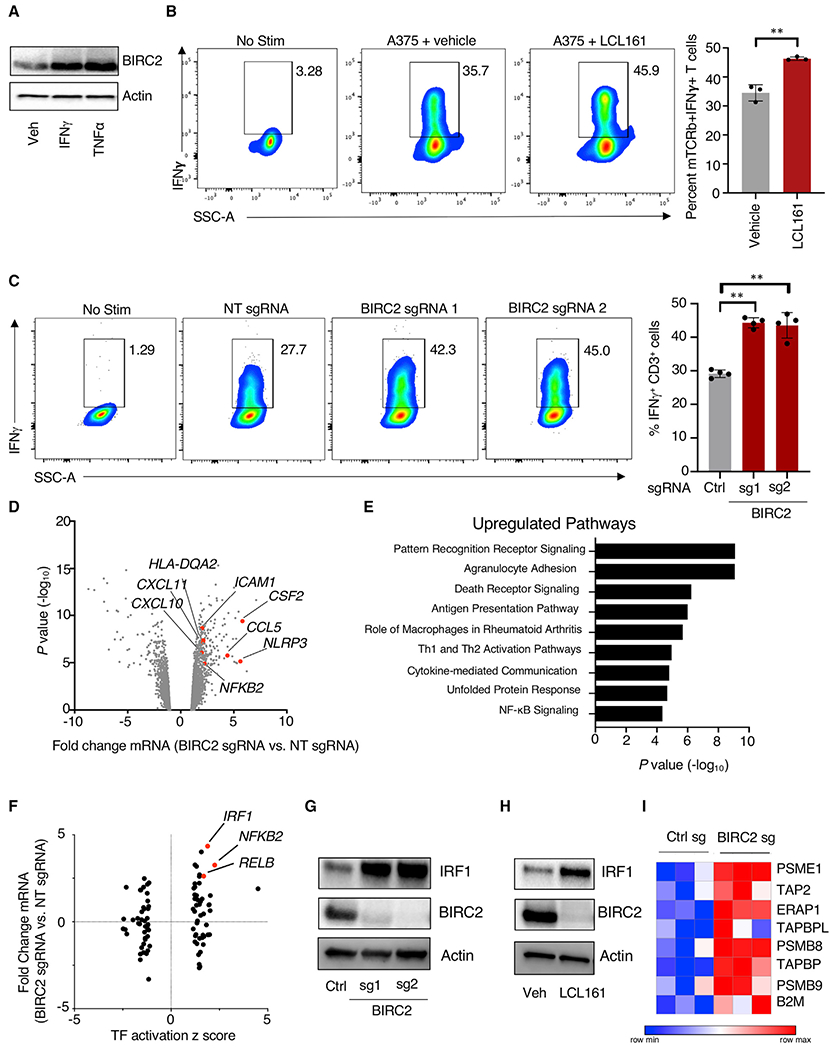
Adoptive T cell therapies (ACT) have been curative for a limited number of cancer patients. The sensitization of cancer cells to T cell killing may expand the benefit of these therapies for more patients. To this end, we use a three-step approach to identify cancer genes that disfavor T cell immunity. First, we profile gene transcripts upregulated by cancer under selection pressure from T cell killing. Second, we identify potential tumor gene targets and pathways that disfavor T cell killing using signaling pathway activation libraries and genome-wide loss-of-function CRISPR-Cas9 screens. Finally, we implement pharmacological perturbation screens to validate these targets and identify BIRC2, ITGAV, DNPEP, BCL2, and ERRα as potential ACT-drug combination candidates. Here, we establish that BIRC2 limits antigen presentation and T cell recognition of tumor cells by suppressing IRF1 activity and provide evidence that BIRC2 inhibition in combination with ACT is an effective strategy to increase efficacy.
过继性 T 细胞疗法(ACT)已能治愈少数癌症患者。使癌细胞对 T 细胞杀伤敏感可能会扩大这些疗法对更多患者的获益。为此,我们采用三步法来鉴定不利于 T 细胞免疫的癌症基因。首先,我们在 T 细胞杀伤选择压力下对癌症相关基因的转录本进行分析。其次,我们利用信号通路激活文库和全基因组基因敲除 CRISPR-Cas9 筛选来鉴定可能的肿瘤基因靶点和通路,这些靶点和通路不利于 T 细胞杀伤。最后,我们实施药理学扰动筛选来验证这些靶点,并确定 BIRC2、ITGAV、DNPEP、BCL2 和 ERRα 作为潜在的 ACT 药物联合候选物。在这里,我们证实 BIRC2 通过抑制 IRF1 活性来限制抗原呈递和 T 细胞对肿瘤细胞的识别,并提供了 BIRC2 抑制与 ACT 联合使用是提高疗效的有效策略的证据。