University at Buffalo, Buffalo, United States.
BMC Genomics. 2022 Aug 4;23(1):557. doi: 10.1186/s12864-022-08759-3.
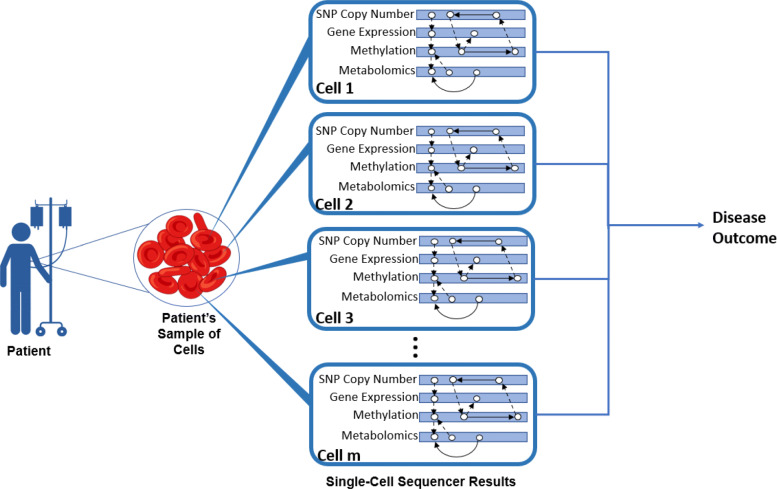
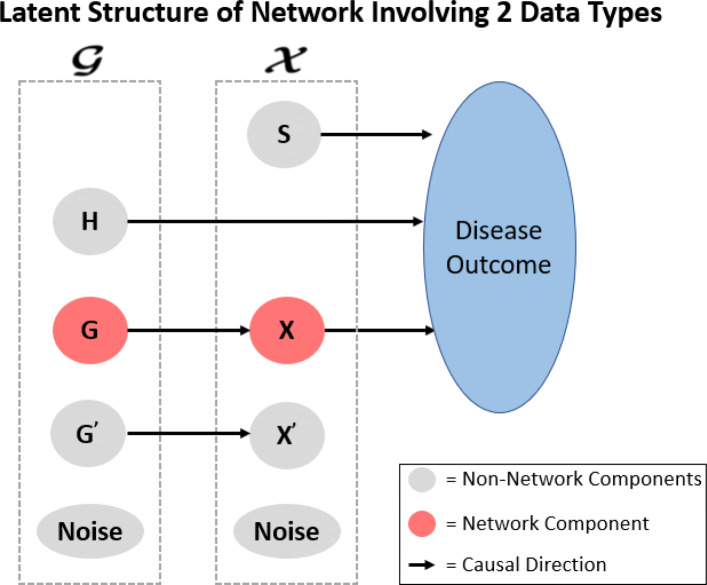
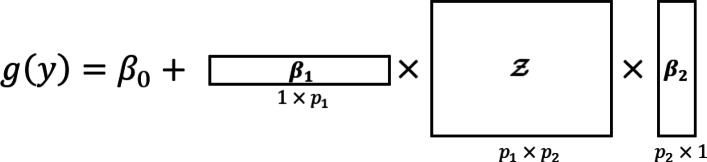
Advancements in genomic sequencing continually improve personalized medicine, and recent breakthroughs generate multimodal data on a cellular level. We introduce MOSCATO, a technique for selecting features across multimodal single-cell datasets that relate to clinical outcomes. We summarize the single-cell data using tensors and perform regularized tensor regression to return clinically-associated variable sets for each 'omic' type.
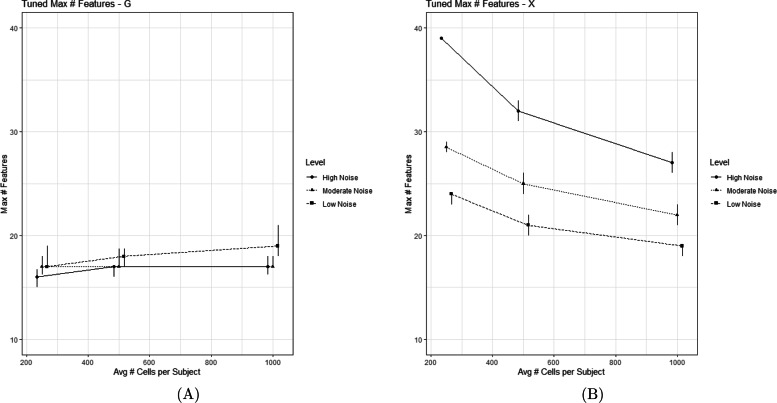
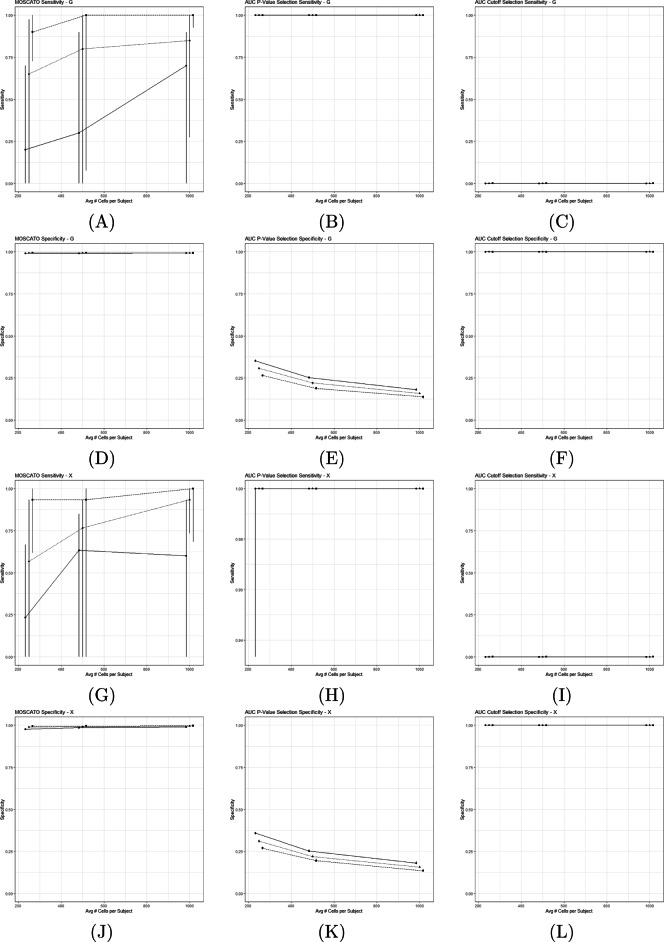
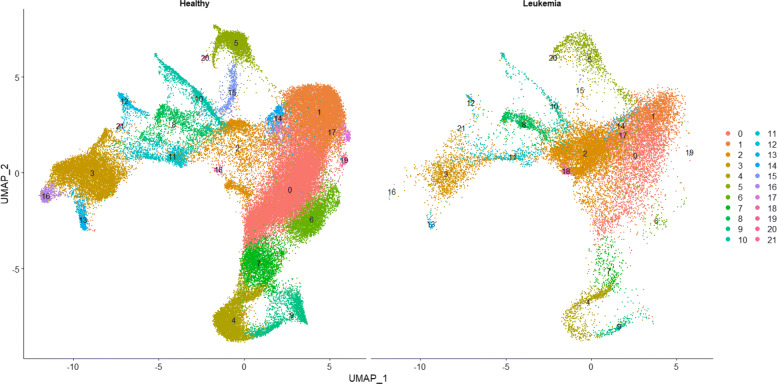
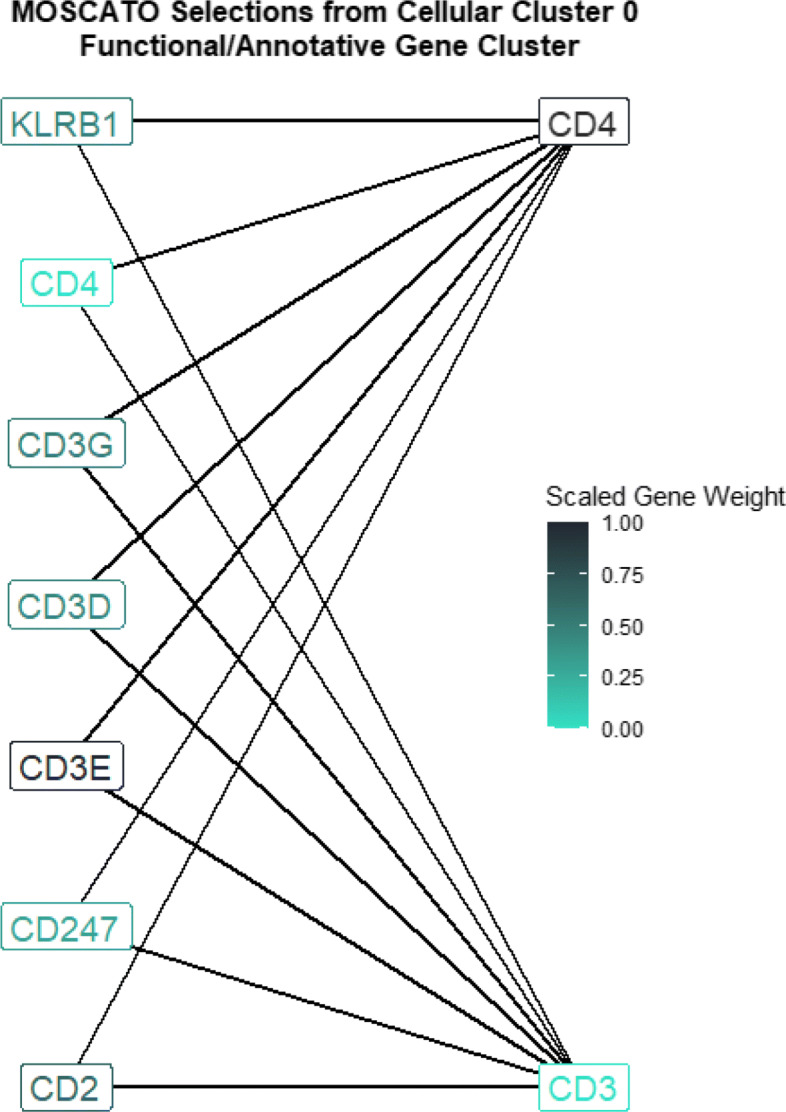
Robustness was assessed over simulations based on available single-cell simulation methods, and applicability was assessed through an example using CITE-seq data to detect genes associated with leukemia. We find that MOSCATO performs favorably in selecting network features while also shown to be applicable to real multimodal single-cell data.
MOSCATO is a useful analytical technique for supervised feature selection in multimodal single-cell data. The flexibility of our approach enables future extensions on distributional assumptions and covariate adjustments.
基因组测序技术的进步不断推动着个性化医疗的发展,最近的突破在细胞水平上产生了多模态数据。我们引入了 MOSCATO 技术,用于选择与临床结果相关的多模态单细胞数据集的特征。我们使用张量对单细胞数据进行总结,并执行正则化张量回归,为每种“组学”类型返回与临床相关的变量集。
基于现有的单细胞模拟方法对稳健性进行了评估,并通过使用 CITE-seq 数据检测与白血病相关的基因的示例评估了适用性。我们发现 MOSCATO 在选择网络特征方面表现出色,同时也适用于真实的多模态单细胞数据。
MOSCATO 是一种用于多模态单细胞数据中监督特征选择的有用分析技术。我们方法的灵活性为分布假设和协变量调整的未来扩展提供了可能。