Key Lab of Transplant Engineering and Immunology of the Ministry of Health, Laboratory of Transplant Immunology, West China Hospital, Sichuan University, Chengdu, Sichuan, 610041, P. R. China.
Regeneration Medicine Research Center, West China Hospital, Sichuan University, Chengdu, Sichuan, 610041, P. R. China.
Cell Death Dis. 2022 Aug 6;13(8):689. doi: 10.1038/s41419-022-05088-x.
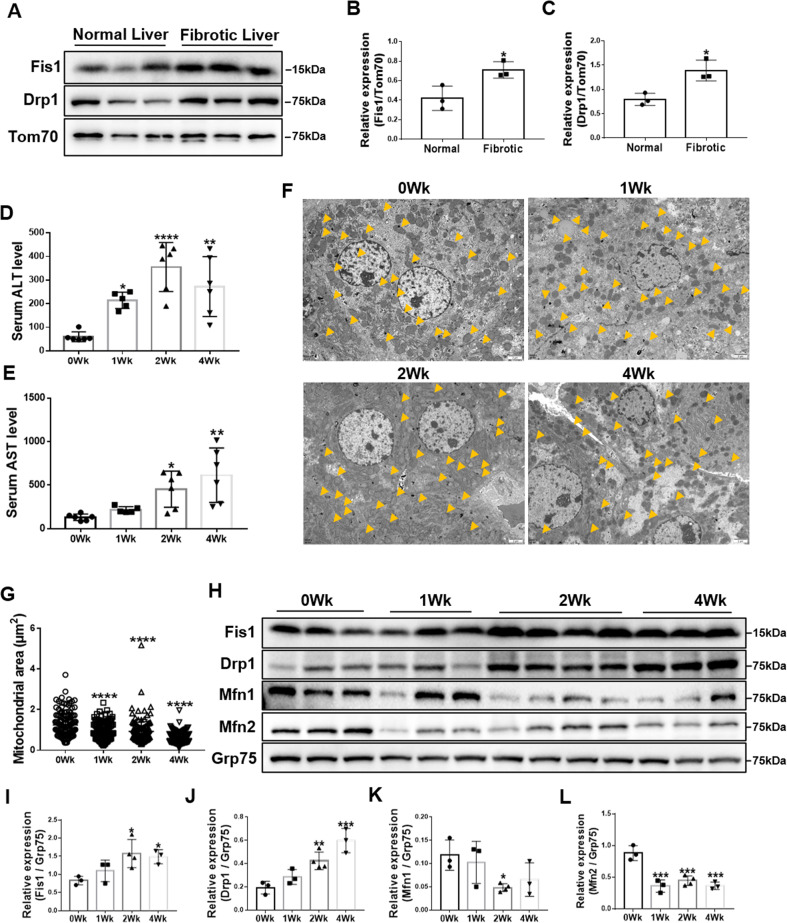
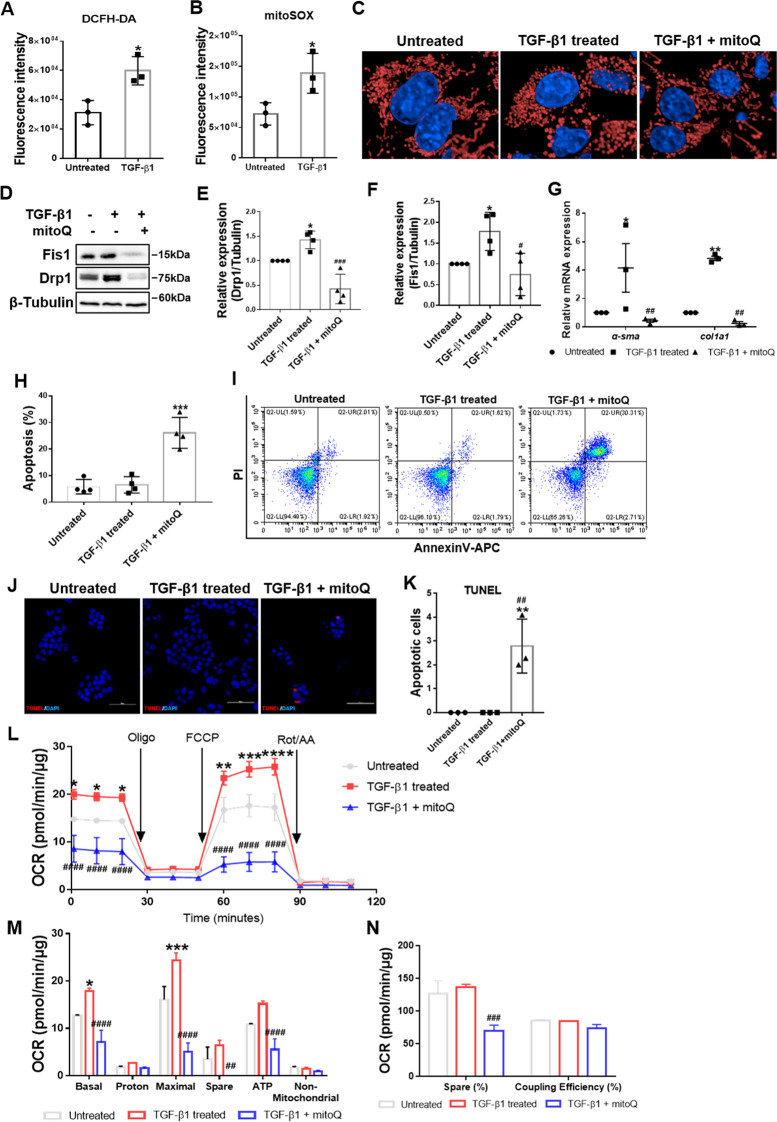
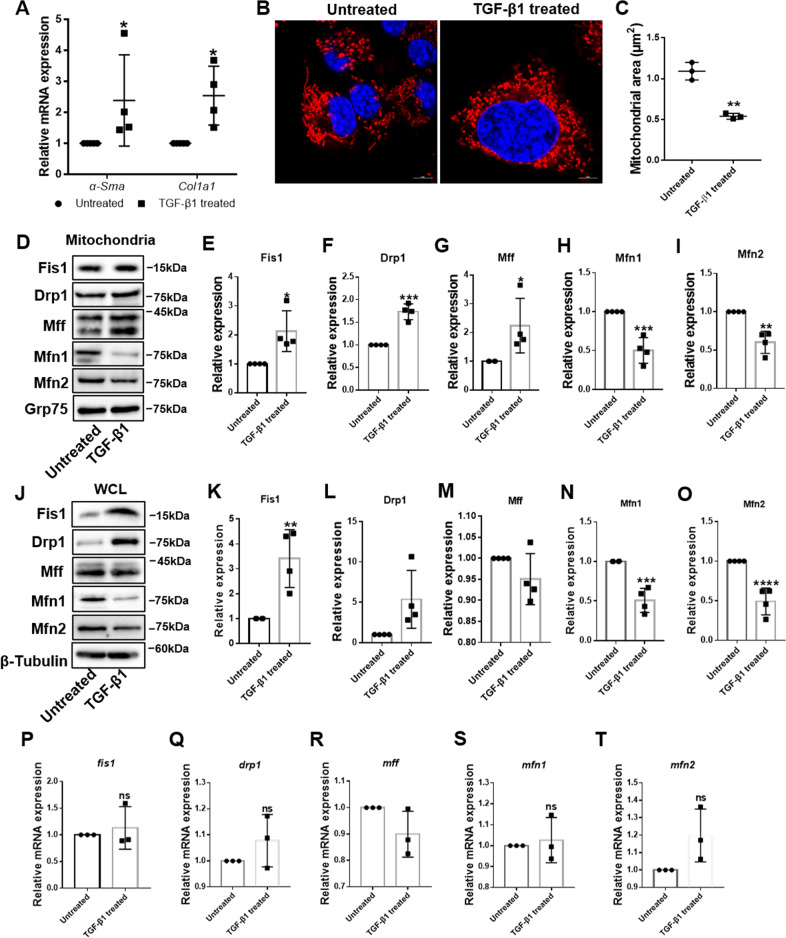
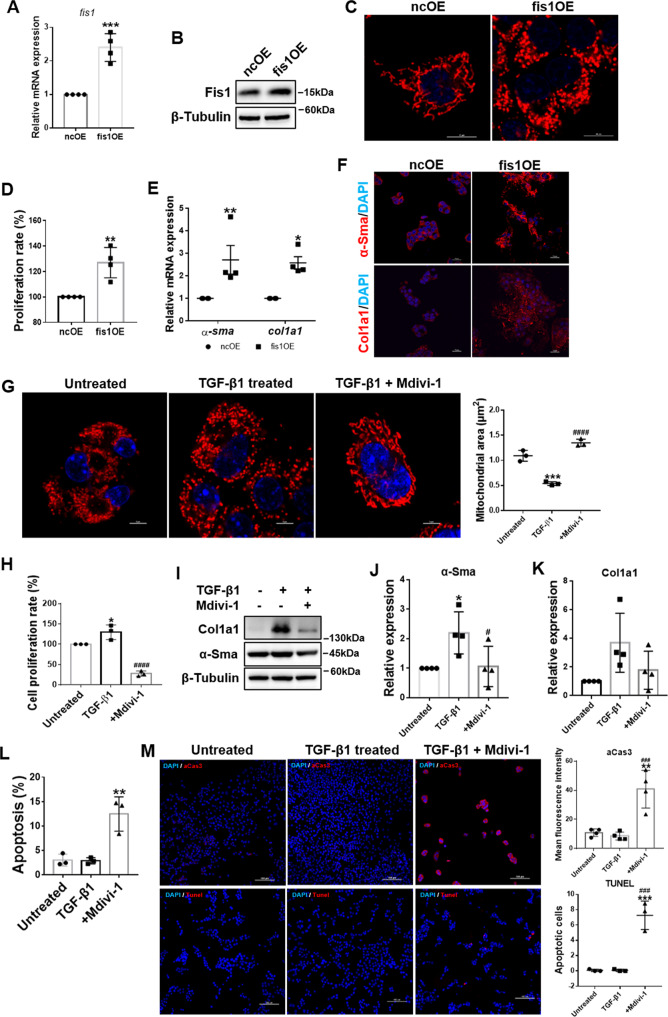
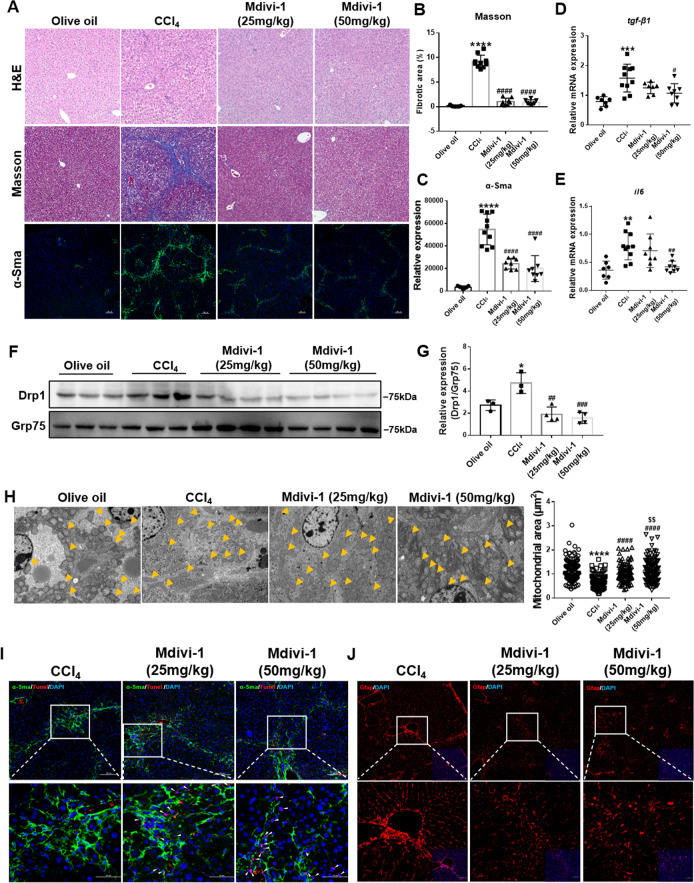
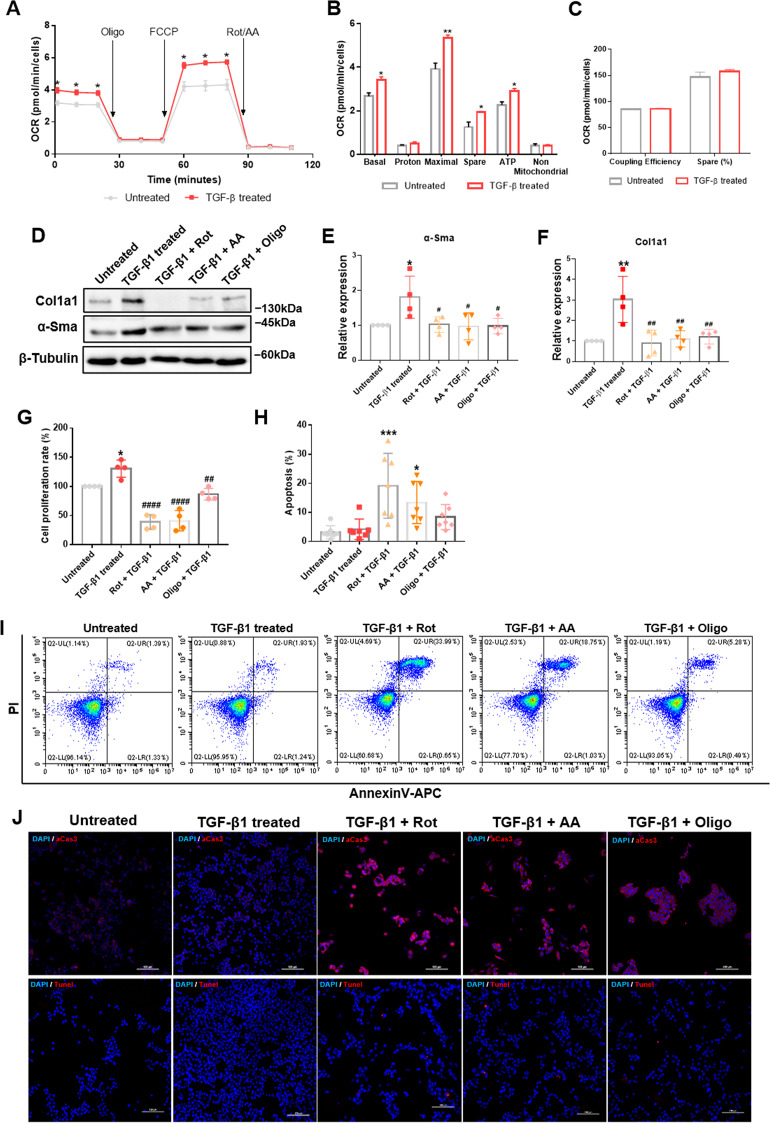
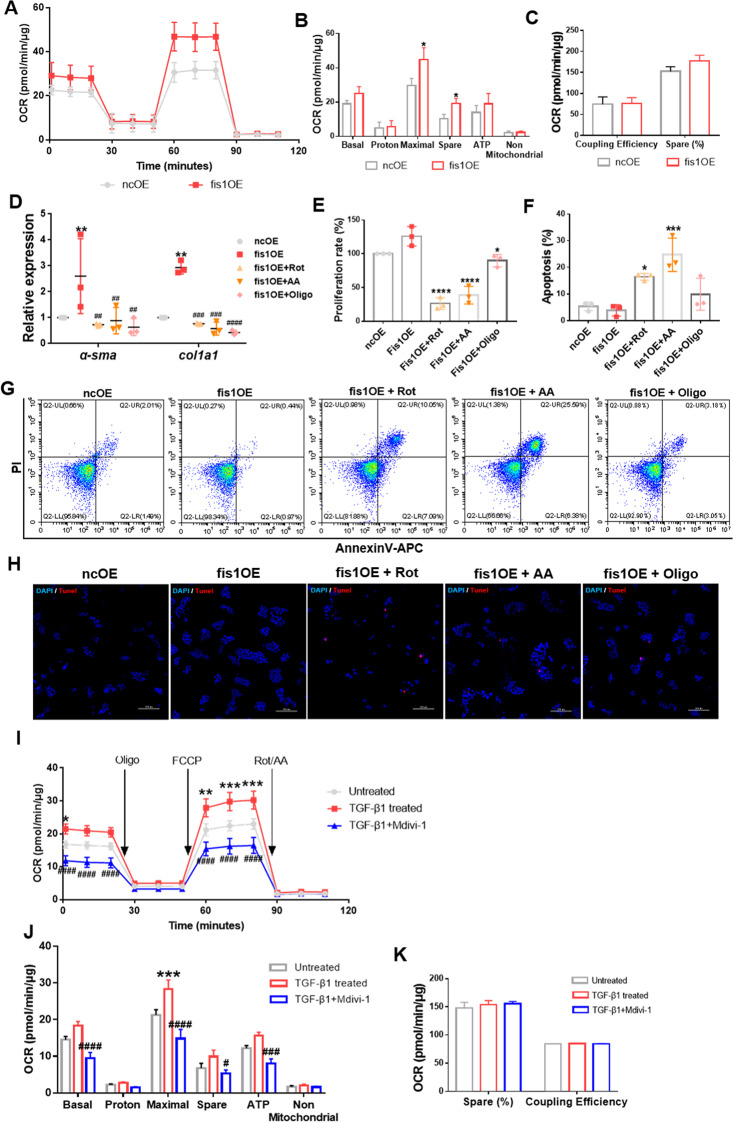
Previous studies have demonstrated dysregulated mitochondrial dynamics in fibrotic livers and hepatocytes. Little is currently known about how mitochondrial dynamics are involved, nor is it clear how mitochondrial dynamics participate in hepatic stellate cell (HSC) activation. In the present study, we investigated the role of mitochondrial dynamics in HSC activation and the underlying mechanisms. We verified that mitochondrial fission was enhanced in human and mouse fibrotic livers and active HSCs. Moreover, increased mitochondrial fission driven by fis1 overexpression could promote HSC activation. Inhibiting mitochondrial fission using mitochondrial fission inhibitor-1 (Mdivi-1) could inhibit activation and induce apoptosis of active HSCs, indicating that increased mitochondrial fission is essential for HSC activation. Mdivi-1 treatment also induced apoptosis in active HSCs in vivo and thus ameliorated CCl-induced liver fibrosis. We also found that oxidative phosphorylation (OxPhos) was increased in active HSCs, and OxPhos inhibitors inhibited activation and induced apoptosis in active HSCs. Moreover, increasing mitochondrial fission upregulated OxPhos, while inhibiting mitochondrial fission downregulated OxPhos, suggesting that mitochondrial fission stimulates OxPhos during HSC activation. Next, we found that inhibition of oxidative stress using mitoquinone mesylate (mitoQ) and Tempol inhibited mitochondrial fission and OxPhos and induced apoptosis in active HSCs, suggesting that oxidative stress contributes to excessive mitochondrial fission during HSC activation. In conclusion, our study revealed that oxidative stress contributes to enhanced mitochondrial fission, which triggers OxPhos during HSC activation. Importantly, inhibiting mitochondrial fission has huge prospects for alleviating liver fibrosis by eliminating active HSCs.
先前的研究表明,纤维化肝脏和肝细胞中线粒体动力学失调。目前对于线粒体动力学如何参与以及线粒体动力学如何参与肝星状细胞(HSC)激活尚不清楚。在本研究中,我们研究了线粒体动力学在 HSC 激活中的作用及其潜在机制。我们验证了人肝和鼠肝纤维化和活性 HSC 中线粒体裂变增强。此外, fis1 过表达驱动的线粒体裂变增加可促进 HSC 激活。使用线粒体分裂抑制剂-1(Mdivi-1)抑制线粒体裂变可抑制活性 HSC 的激活并诱导其凋亡,表明增加的线粒体裂变对于 HSC 的激活是必需的。Mdivi-1 处理还可诱导体内活性 HSC 的凋亡,从而改善 CCl 诱导的肝纤维化。我们还发现活性 HSC 中的氧化磷酸化(OxPhos)增加,OxPhos 抑制剂可抑制活性 HSC 的激活并诱导其凋亡。此外,增加线粒体裂变可上调 OxPhos,而抑制线粒体裂变可下调 OxPhos,表明线粒体裂变在 HSC 激活过程中刺激 OxPhos。接下来,我们发现使用甲磺酰甲烷(mitoQ)和 Tempo 抑制氧化应激可抑制线粒体裂变和 OxPhos,并诱导活性 HSC 的凋亡,表明氧化应激在 HSC 激活过程中导致线粒体裂变过度。总之,我们的研究表明,氧化应激导致线粒体裂变增强,从而在 HSC 激活过程中引发 OxPhos。重要的是,抑制线粒体裂变通过消除活性 HSC 具有缓解肝纤维化的巨大前景。