Mapar Maryam, Rydzak Thomas, Groves Ryan A, Lewis Ian A
Department of Biological Science, University of Calgary, Calgary, AB, Canada.
Front Microbiol. 2022 Jul 22;13:957158. doi: 10.3389/fmicb.2022.957158. eCollection 2022.
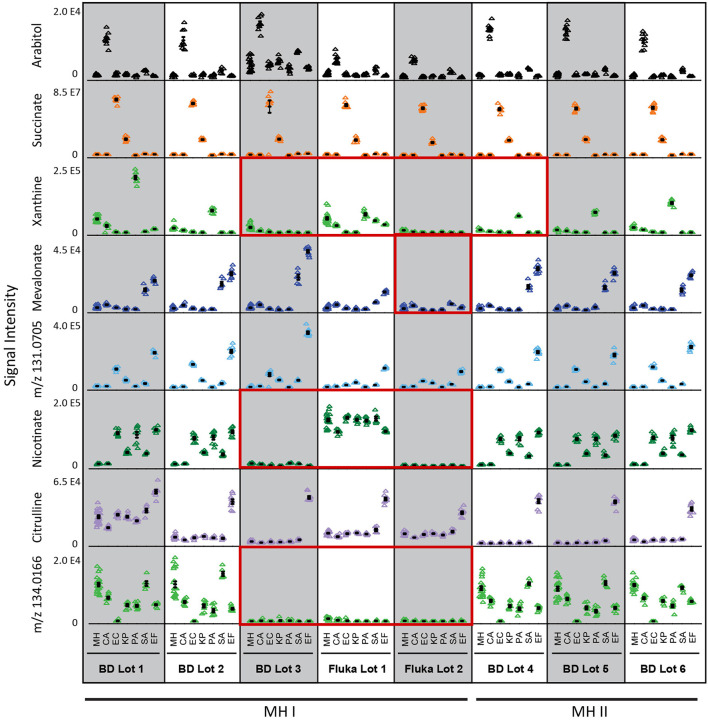
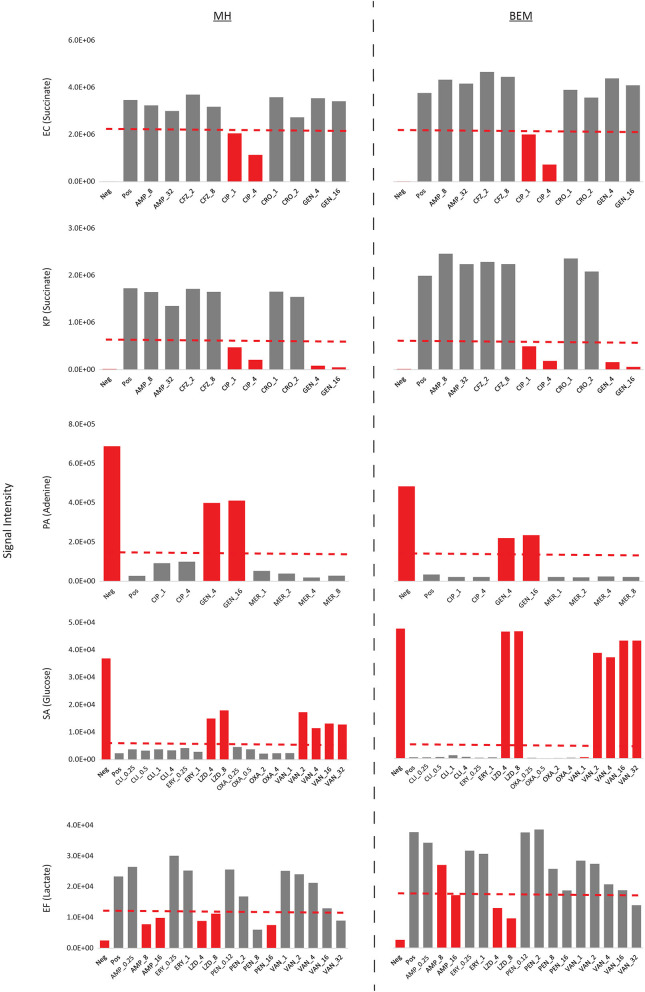
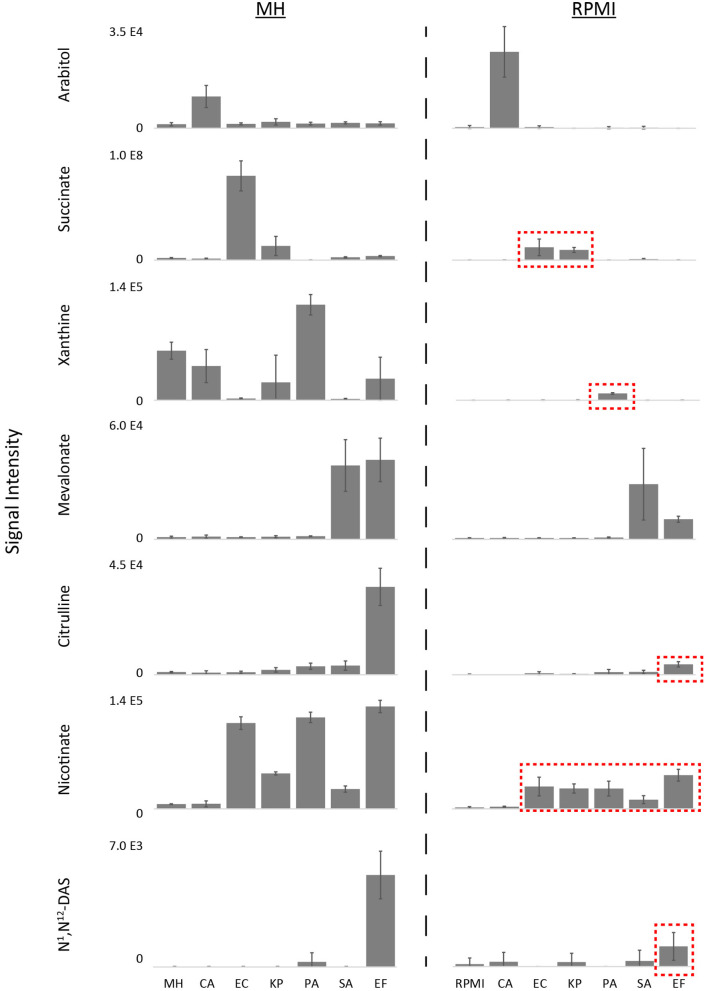
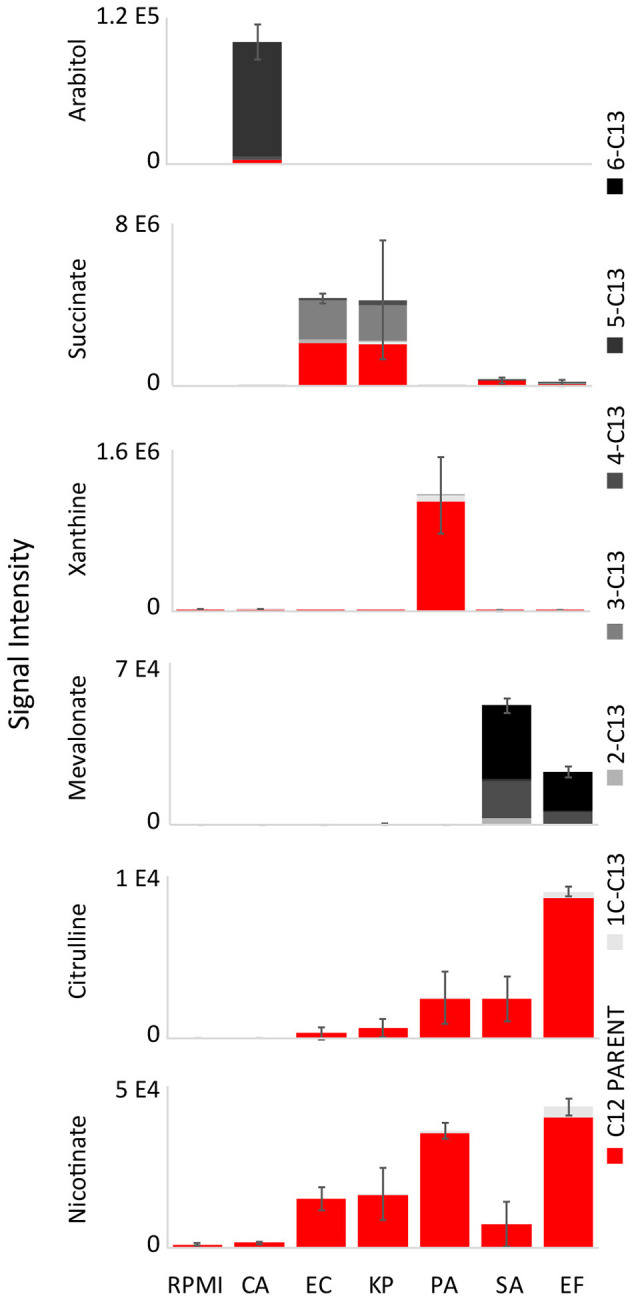
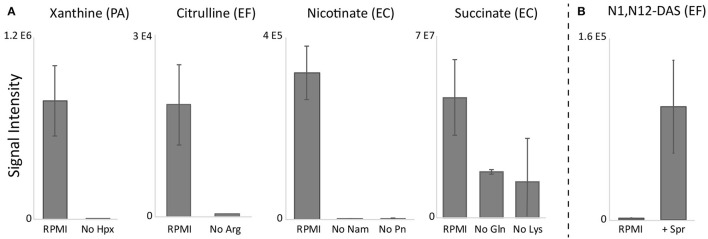
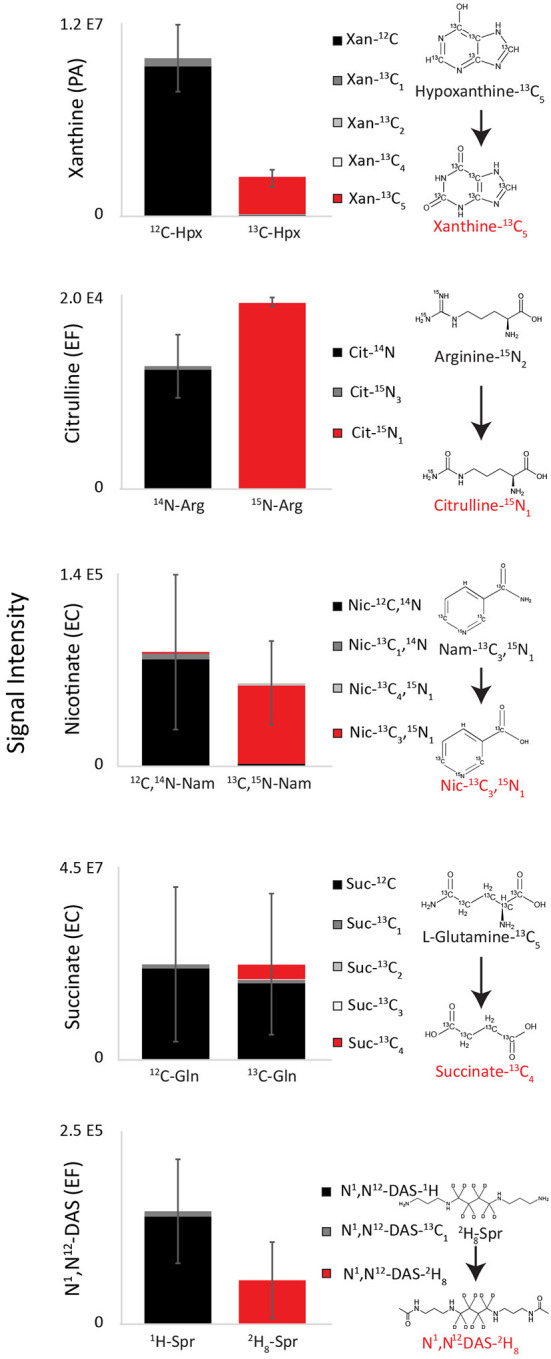
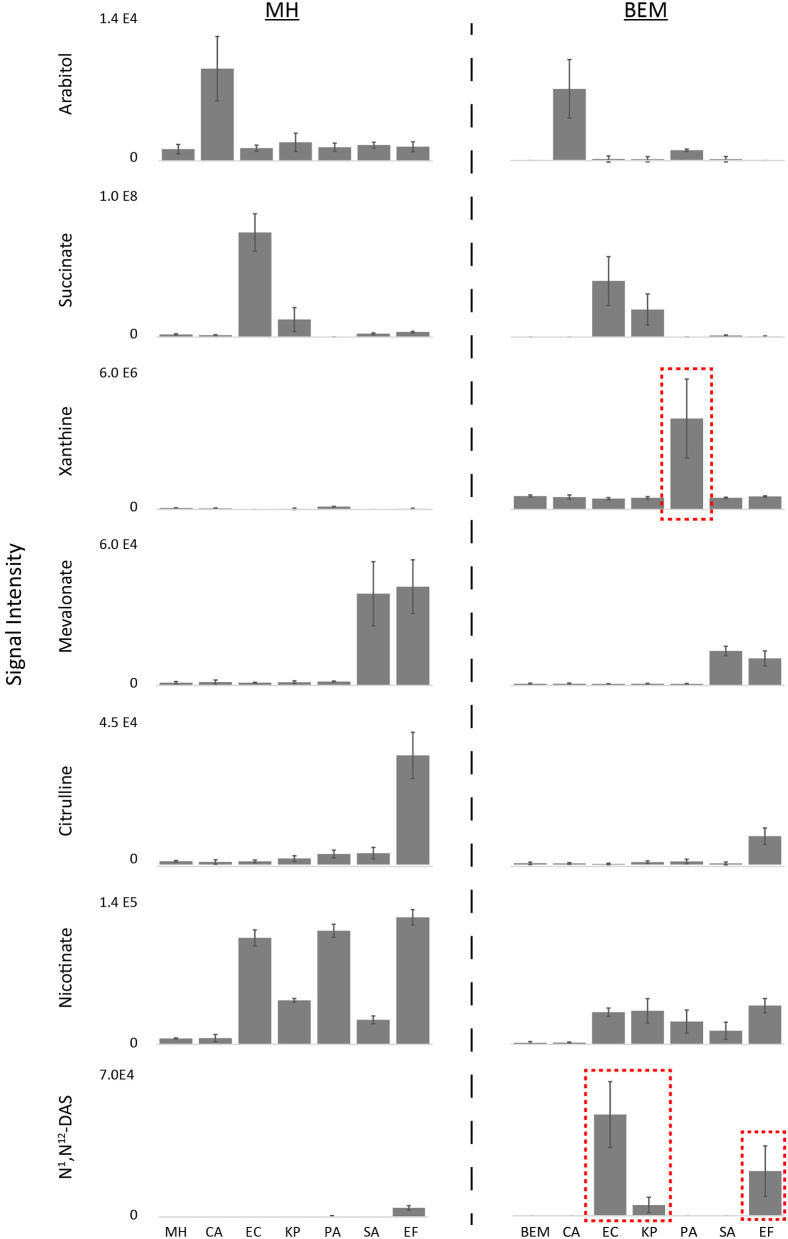
Microbes have diverse metabolic capabilities and differences in these phenotypes are critical for differentiating strains, species, and broader taxa of microorganisms. Recent advances in liquid chromatography-mass spectrometry (LC-MS) allow researchers to track the complex combinations of molecules that are taken up by each cell type and to quantify the rates that individual metabolites enter or exit the cells. This metabolomics-based approach allows complex metabolic phenotypes to be captured in a single assay, enables computational models of microbial metabolism to be constructed, and can serve as a diagnostic approach for clinical microbiology. Unfortunately, metabolic phenotypes are directly affected by the molecular composition of the culture medium and many traditional media are subject to molecular-level heterogeneity. Herein, we show that commercially sourced Mueller Hinton (MH) medium, a Clinical and Laboratory Standards Institute (CLSI) approved medium for clinical microbiology, has significant lot-to-lot and supplier-to-supplier variability in the concentrations of individual nutrients. We show that this variability does not affect microbial growth rates but does affect the metabolic phenotypes observed -including metabolic phenotypes that distinguish six common pathogens. To address this, we used a combination of isotope-labeling, substrate exclusion, and nutritional supplementation experiments using Roswell Park Memorial Institute (RPMI) medium to identify the specific nutrients used by the microbes to produce diagnostic biomarkers, and to formulate a Biomarker Enrichment Medium (BEM) as an alternative to complex undefined media for metabolomics research, clinical diagnostics, antibiotic susceptibility testing, and other applications where the analysis of stable microbial metabolic phenotypes is important.
微生物具有多样的代谢能力,这些表型差异对于区分微生物的菌株、物种及更广泛的分类单元至关重要。液相色谱-质谱联用(LC-MS)技术的最新进展使研究人员能够追踪每种细胞类型摄取的复杂分子组合,并量化单个代谢物进出细胞的速率。这种基于代谢组学的方法能够在一次检测中捕获复杂的代谢表型,构建微生物代谢的计算模型,并可作为临床微生物学的诊断方法。不幸的是,代谢表型直接受培养基分子组成的影响,许多传统培养基存在分子水平的异质性。在此,我们表明,商业采购的穆勒-欣顿(MH)培养基,一种临床和实验室标准协会(CLSI)批准用于临床微生物学的培养基,在单个营养成分的浓度上存在显著的批次间和供应商间差异。我们发现这种差异不影响微生物的生长速率,但会影响观察到的代谢表型,包括区分六种常见病原体的代谢表型。为了解决这个问题,我们结合使用同位素标记、底物排除和营养补充实验,以罗斯威尔公园纪念研究所(RPMI)培养基来确定微生物用于产生诊断生物标志物的特定营养成分,并配制一种生物标志物富集培养基(BEM),作为代谢组学研究、临床诊断、抗生素敏感性测试以及其他对稳定微生物代谢表型分析很重要的应用中复杂未定义培养基的替代品。