Laboratory of Toxinology, Oswaldo Cruz Institute, FIOCRUZ, Rio de Janeiro, Brazil.
Laboratory of Immunopharmacology, Oswaldo Cruz Institute, FIOCRUZ, Rio de Janeiro, Brazil.
Front Cell Infect Microbiol. 2022 Jul 22;12:926352. doi: 10.3389/fcimb.2022.926352. eCollection 2022.
Extracellular vesicles (EVs) are a valuable source of biomarkers and display the pathophysiological status of various diseases. In COVID-19, EVs have been explored in several studies for their ability to reflect molecular changes caused by SARS-CoV-2. Here we provide insights into the roles of EVs in pathological processes associated with the progression and severity of COVID-19.
In this study, we used a label-free shotgun proteomic approach to identify and quantify alterations in EV protein abundance in severe COVID-19 patients. We isolated plasma extracellular vesicles from healthy donors and patients with severe COVID-19 by size exclusion chromatography (SEC). Then, flow cytometry was performed to assess the origin of EVs and to investigate the presence of circulating procoagulant EVs in COVID-19 patients. A total protein extraction was performed, and samples were analyzed by nLC-MS/MS in a Q-Exactive HF-X. Finally, computational analysis was applied to signify biological processes related to disease pathogenesis.
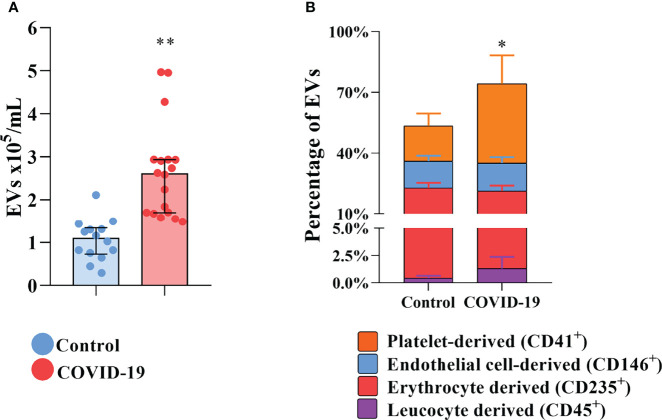
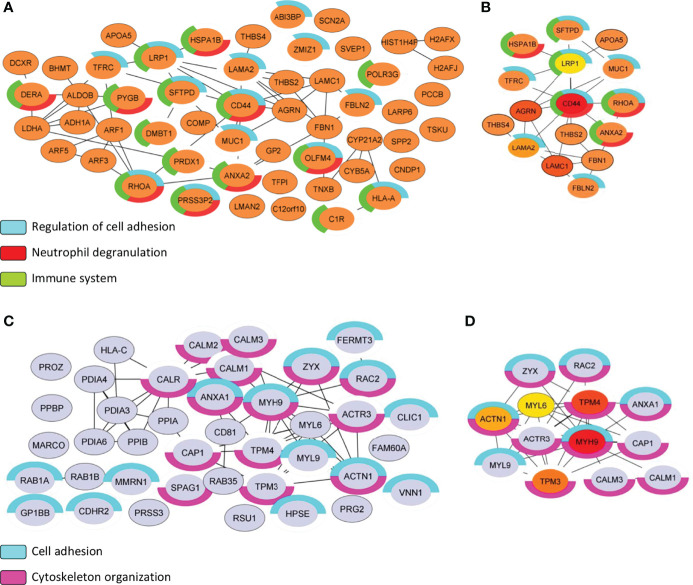
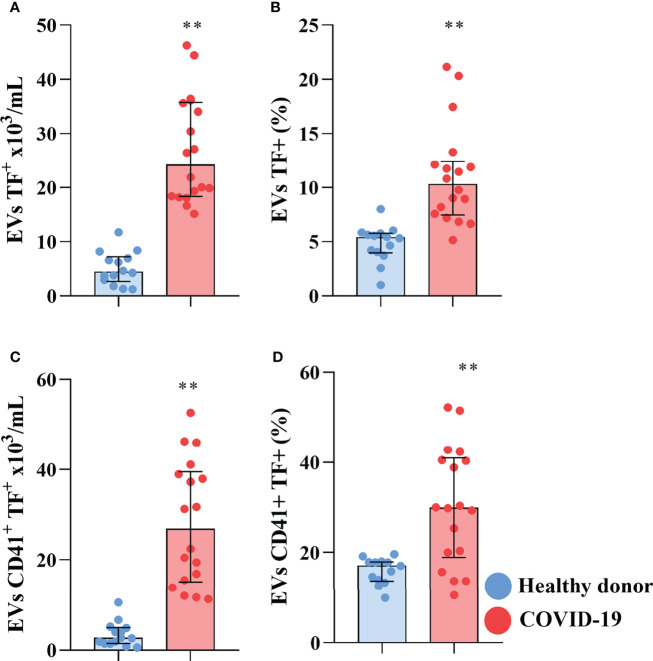
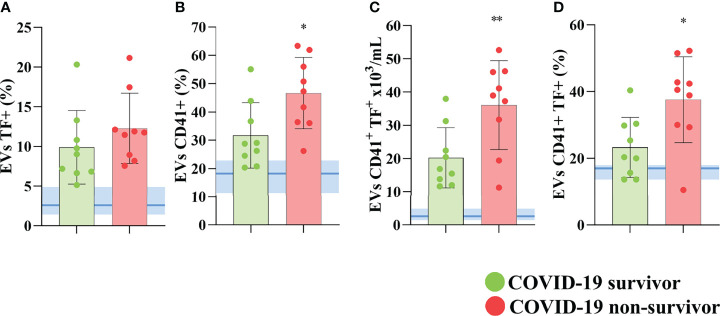
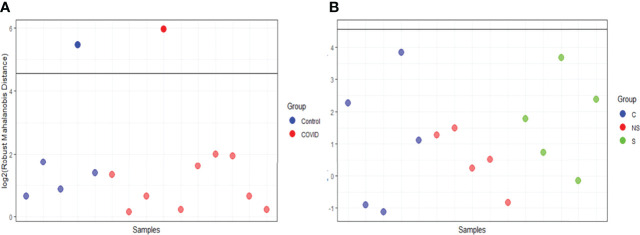
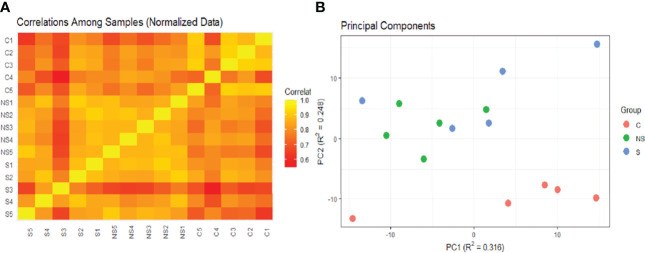
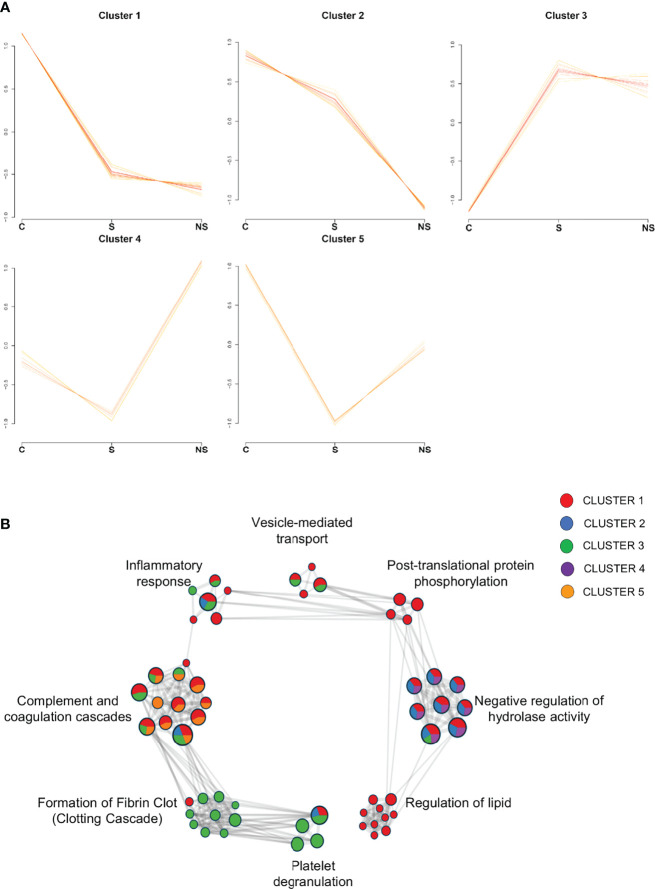
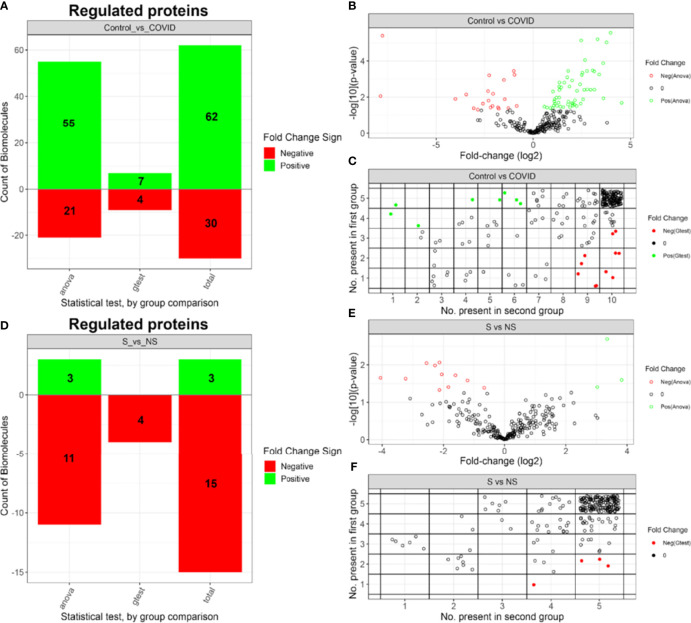
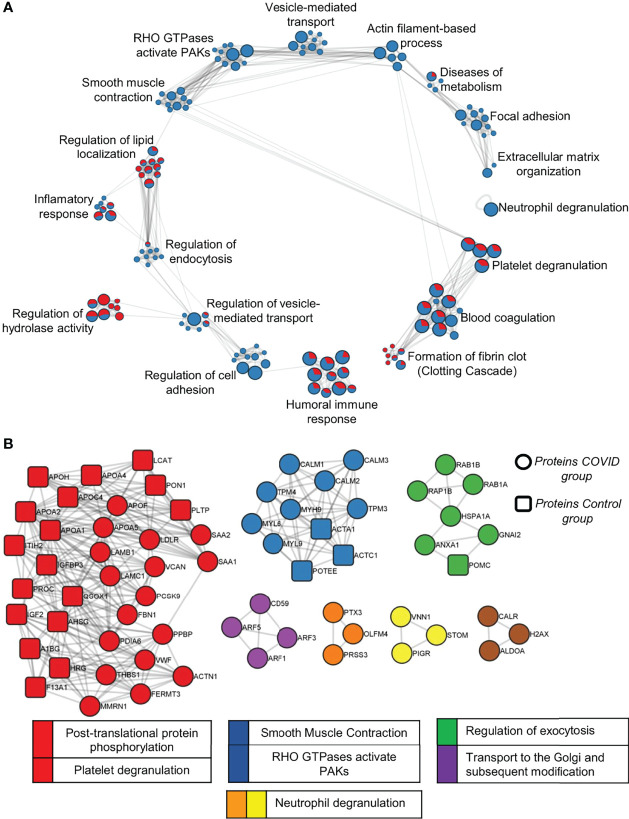
We report significant changes in the proteome of EVs from patients with severe COVID-19. Flow cytometry experiments indicated an increase in total circulating EVs and with tissue factor (TF) dependent procoagulant activity. Differentially expressed proteins in the disease groups were associated with complement and coagulation cascades, platelet degranulation, and acute inflammatory response.
The proteomic data reinforce the changes in the proteome of extracellular vesicles from patients infected with SARS-CoV-2 and suggest a role for EVs in severe COVID-19.
细胞外囊泡 (EVs) 是生物标志物的宝贵来源,可反映各种疾病的病理生理状态。在 COVID-19 中,EVs 在多项研究中因其能够反映 SARS-CoV-2 引起的分子变化而受到关注。在此,我们探讨了 EV 在与 COVID-19 进展和严重程度相关的病理过程中的作用。
本研究采用无标记的鸟枪法蛋白质组学方法,鉴定并定量严重 COVID-19 患者 EV 蛋白丰度的变化。我们通过大小排阻色谱 (SEC) 从健康供体和严重 COVID-19 患者中分离血浆细胞外囊泡。然后,通过流式细胞术评估 EV 的起源,并研究 COVID-19 患者中循环促凝 EV 的存在。进行总蛋白提取,并用 nLC-MS/MS 在 Q-Exactive HF-X 中进行分析。最后,应用计算分析来表示与疾病发病机制相关的生物学过程。
我们报告了严重 COVID-19 患者 EV 蛋白质组的显著变化。流式细胞术实验表明总循环 EV 增加,且具有组织因子 (TF) 依赖性促凝活性。疾病组中差异表达的蛋白质与补体和凝血级联、血小板脱颗粒和急性炎症反应有关。
蛋白质组学数据强化了 SARS-CoV-2 感染患者细胞外囊泡蛋白质组的变化,并提示 EV 在严重 COVID-19 中的作用。