U.S. Geological Survey, Alaska Science Center, 4210 University Drive, Anchorage, AK, 99508, USA.
Alaska Coastal Rainforest Center, University of Alaska Southeast, 11066 Auke Lake Way, Juneau AK, 99801, USA.
Harmful Algae. 2022 Aug;117:102270. doi: 10.1016/j.hal.2022.102270. Epub 2022 Jul 9.
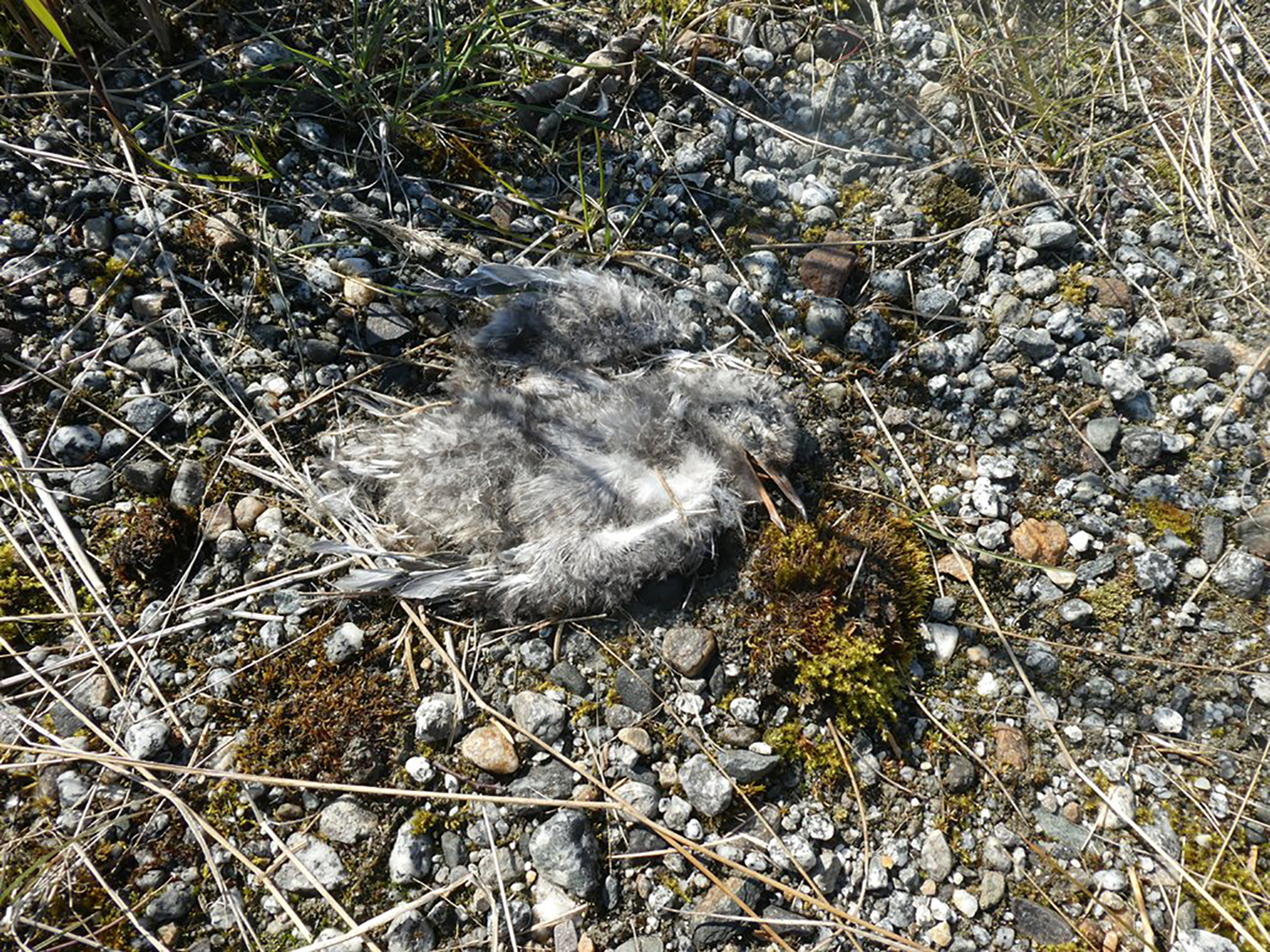
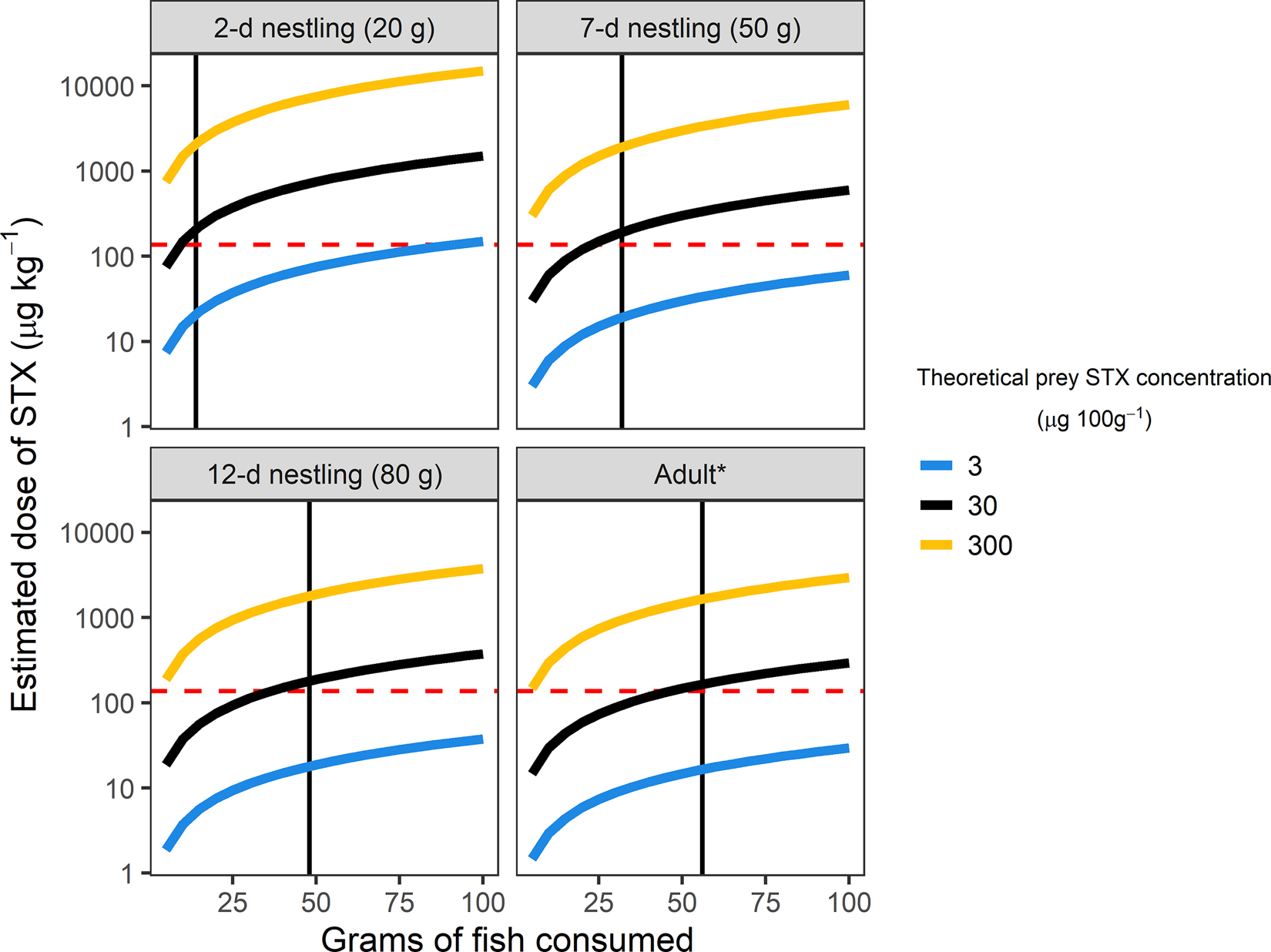
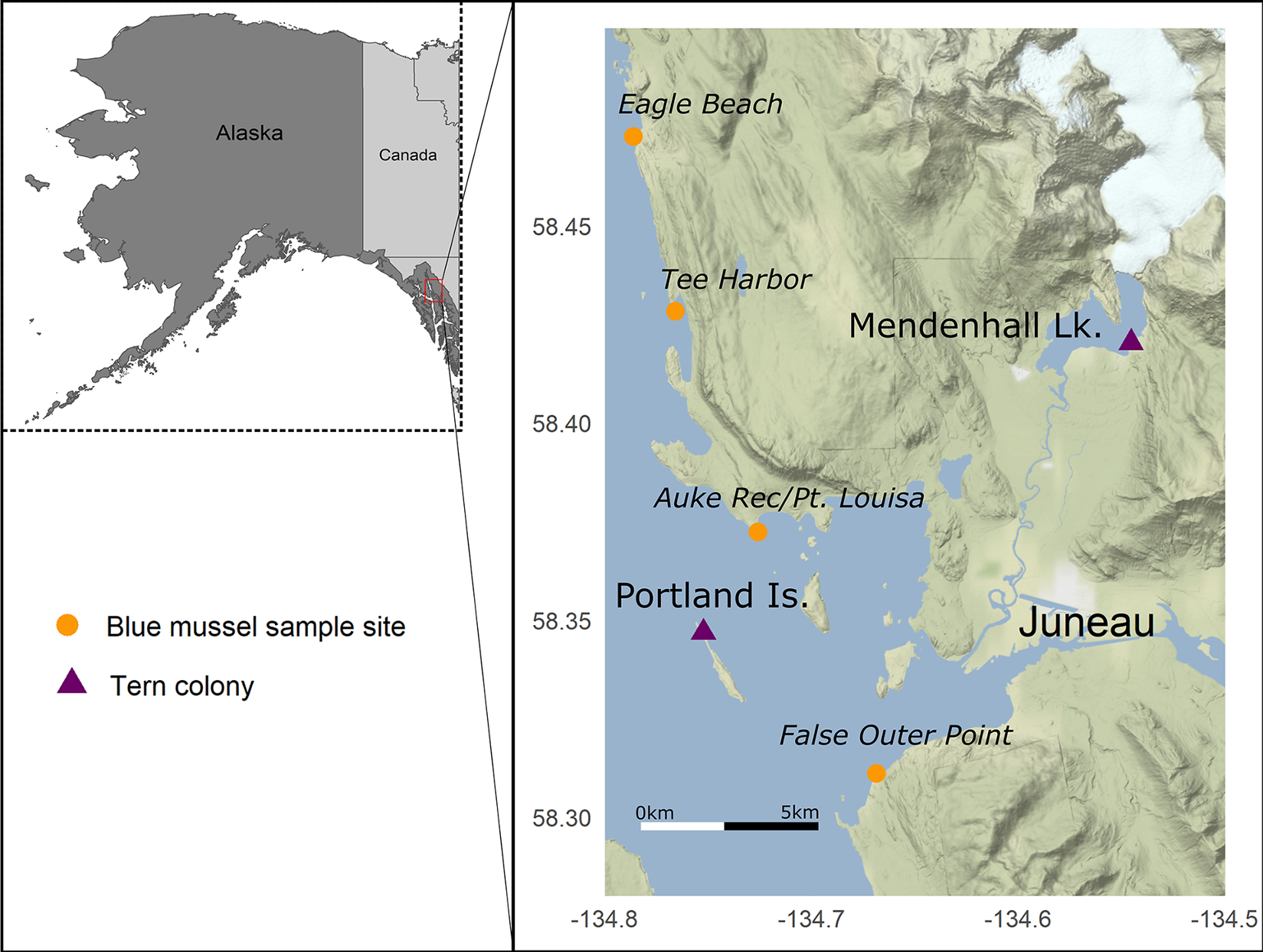
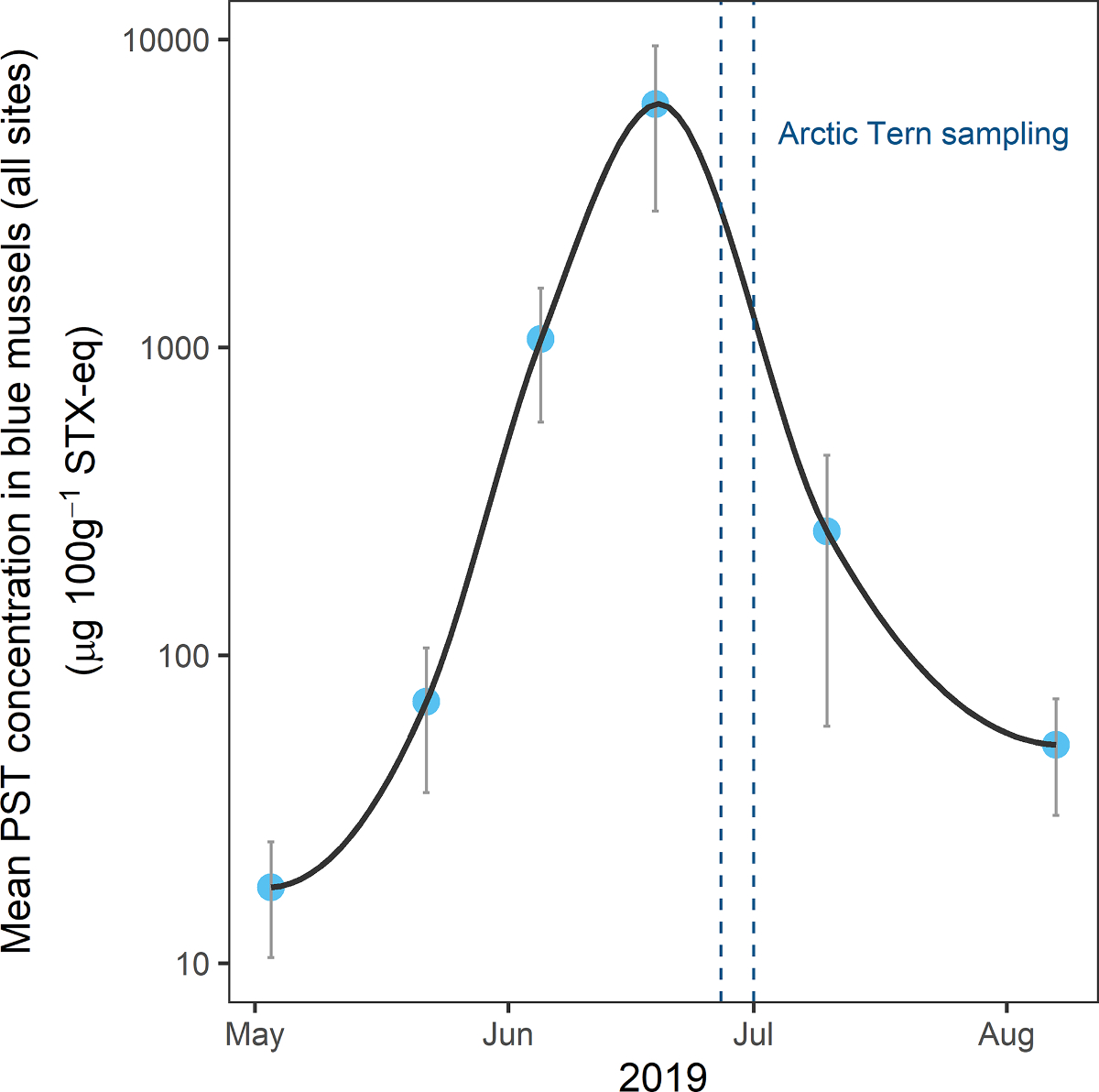
Harmful algal blooms produce biotoxins that can injure or kill fish, wildlife, and humans. These blooms occur naturally but have intensified in many locations globally due to recent climatic changes, including ocean warming. Such changes are especially pronounced in northern regions, where the effects of paralytic shellfish toxins (PSTs) on marine wildlife are of growing concern. In Alaska, seabird mortality events have increased in frequency, magnitude, and duration since 2015 alongside anomalously high ocean temperatures. Although starvation has been implicated as the apparent cause of death in many of these die-offs, saxitoxin (STX) and other PSTs have been identified as possible contributing factors. Here, we describe a mortality event at a nesting colony of Arctic Terns (Sterna paradisaea) near Juneau, Alaska in 2019 and report elevated concentrations of PSTs in bird, forage fish, and mussel samples. Concentrations of STX and other PSTs in tern tissues (2.5-51.2 µg 100g STX-equivalents [STX-eq]) were of similar magnitude to those reported from other PST-induced bird die-offs. We documented high PST concentrations in blue mussels (>11,000 µg 100g STX-eq; Mytilus edulis spp.) collected from nearby beaches, as well as in forage fish (up to 494 µg 100g STX-eq) retrieved from Arctic Tern nests, thereby providing direct evidence of PST exposure via the terns' prey. At maximum concentrations measured in this study, a single 5 g Pacific Sand Lance (Ammodytes personatus) could exceed the median lethal STX dose (LD) currently estimated for birds, offering strong support for PSTs as a likely source of tern mortality. In addition to describing this localized bird mortality event, we used existing energetics data from adult and nestling Arctic Terns to calculate estimated cumulative daily PST exposure based on ecologically relevant concentrations in forage fish. Our estimates revealed potentially lethal levels of PST exposure even at relatively low (≤30 ug 100g STX-eq) toxin concentrations in prey. These findings suggest that PSTs present a significant hazard to Arctic Terns and other northern seabirds and should be included in future investigations of avian mortality events as well as assessments of population health.
有害藻类大量繁殖会产生生物毒素,这些毒素会伤害或杀死鱼类、野生动物和人类。这些藻类大量繁殖是自然现象,但由于最近的气候变化,包括海洋变暖,在许多地方变得更加严重。这种变化在北方地区尤为明显,那里麻痹性贝类毒素 (PSTs) 对海洋野生动物的影响越来越令人担忧。在阿拉斯加,自 2015 年以来,海鸟死亡事件的频率、规模和持续时间都有所增加,同时海洋温度也异常升高。尽管在许多这些死亡事件中,饥饿被认为是明显的死因,但已确定石房蛤毒素 (STX) 和其他 PSTs 是可能的促成因素。在这里,我们描述了 2019 年在阿拉斯加朱诺附近的一个北极燕鸥 (Sterna paradisaea) 筑巢地发生的一次死亡事件,并报告了在鸟类、饲料鱼和贻贝样本中 PSTs 浓度升高。燕鸥组织中的 STX 和其他 PSTs 浓度(2.5-51.2 µg 100g STX 当量 [STX-eq])与其他 PST 引起的鸟类死亡事件报告的浓度相当。我们记录了从附近海滩采集的贻贝(>11,000 µg 100g STX-eq;Mytilus edulis spp.)和从北极燕鸥巢中取出的饲料鱼(高达 494 µg 100g STX-eq)中的 PST 浓度较高,从而提供了通过燕鸥的猎物接触 PST 的直接证据。在本研究中测量的最大浓度下,一条 5 克太平洋沙鳗 (Ammodytes personatus) 就可能超过目前估计的鸟类中 STX 的中值致死剂量 (LD),这有力地支持了 PST 是燕鸥死亡的一个可能来源。除了描述这次局部鸟类死亡事件外,我们还利用成年和雏鸟北极燕鸥的现有能量学数据,根据饲料鱼中生态相关浓度计算了估计的累积每日 PST 暴露量。即使在猎物中的毒素浓度相对较低(≤30 µg 100g STX-eq),我们的估计也显示出潜在的致命 PST 暴露水平。这些发现表明 PSTs 对北极燕鸥和其他北方海鸟构成重大威胁,应在未来的鸟类死亡事件调查以及对种群健康的评估中予以考虑。