Department of Biochemistry, Faculty of Science, Alexandria University, Alexandria, Egypt.
Plant Protection Research Institute, Agriculture Research Center, Giza, Egypt.
PLoS One. 2022 Aug 10;17(8):e0272776. doi: 10.1371/journal.pone.0272776. eCollection 2022.
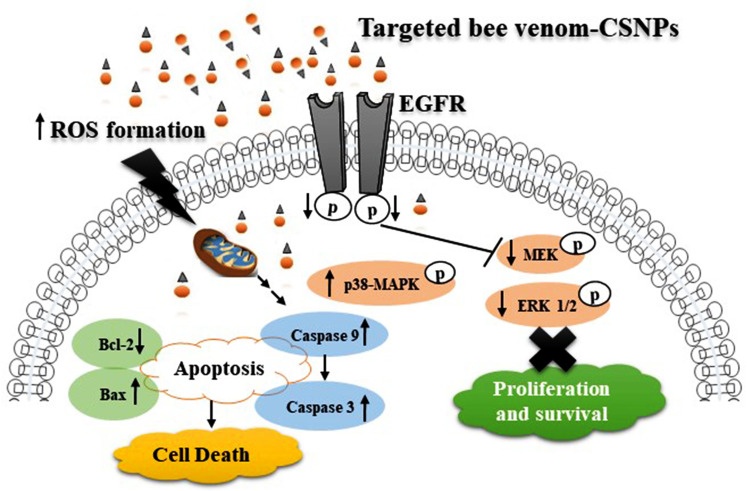
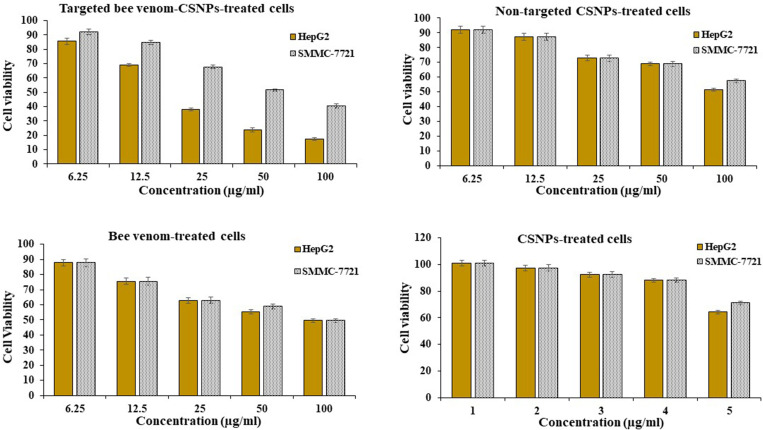
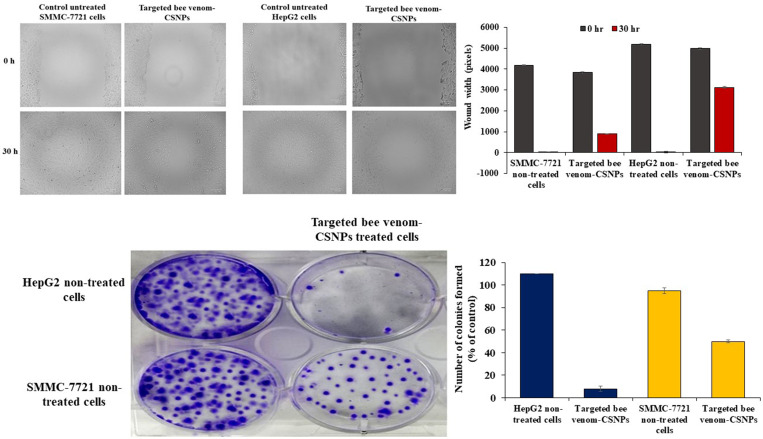
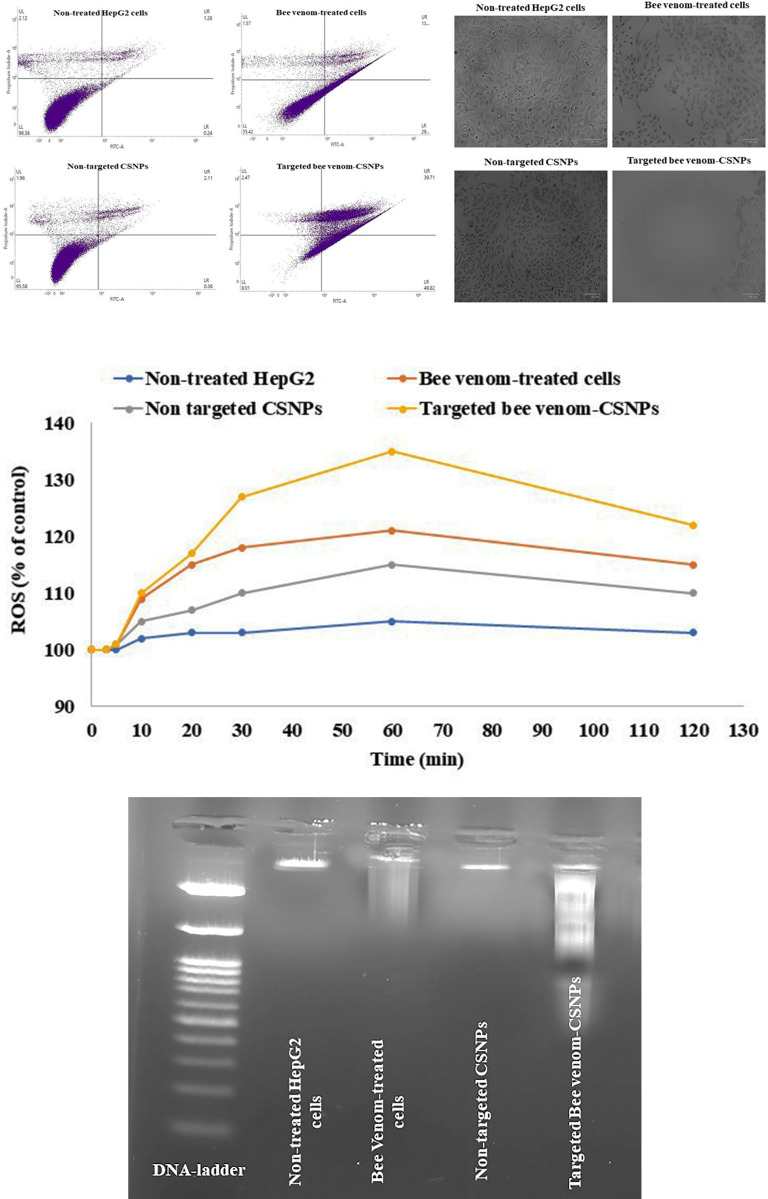
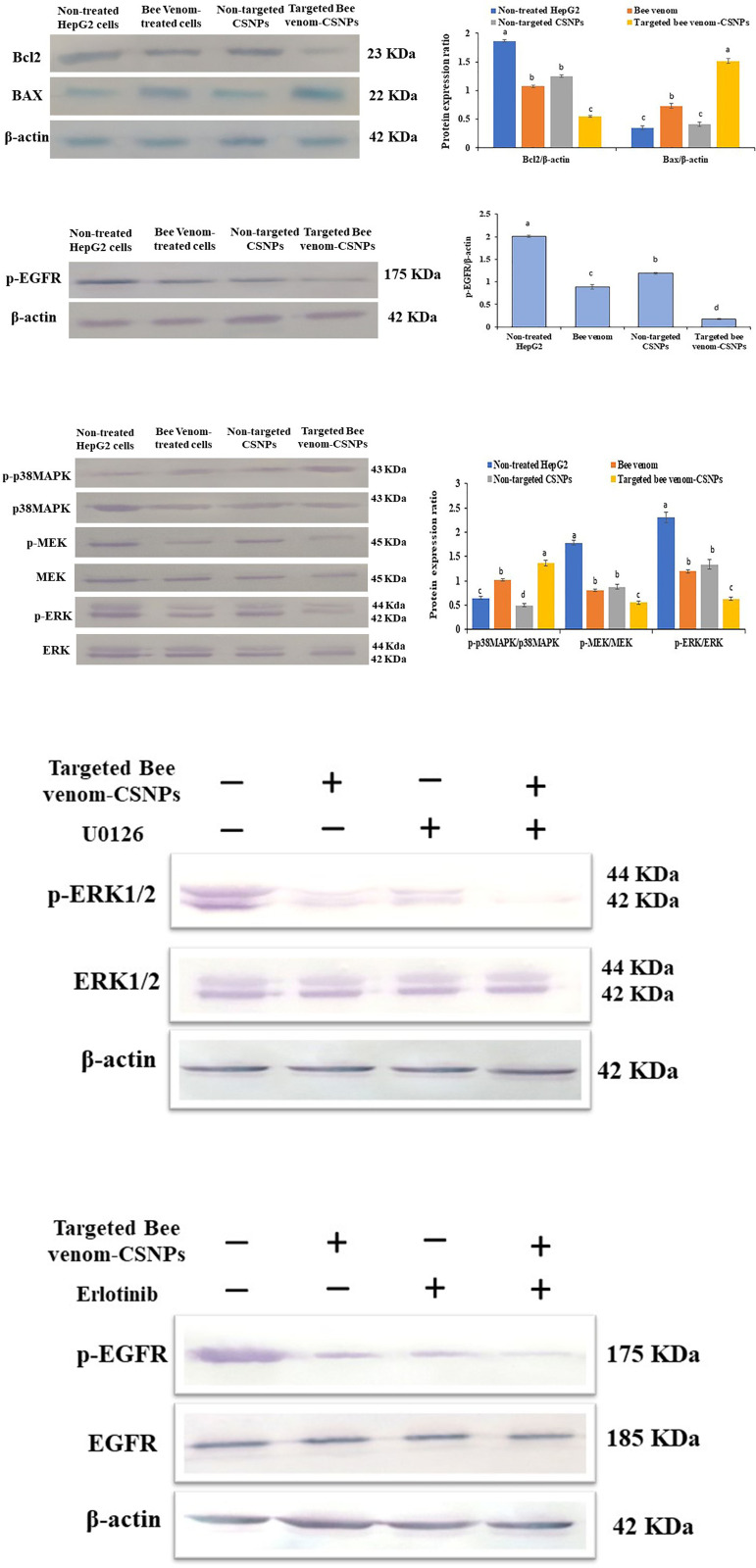
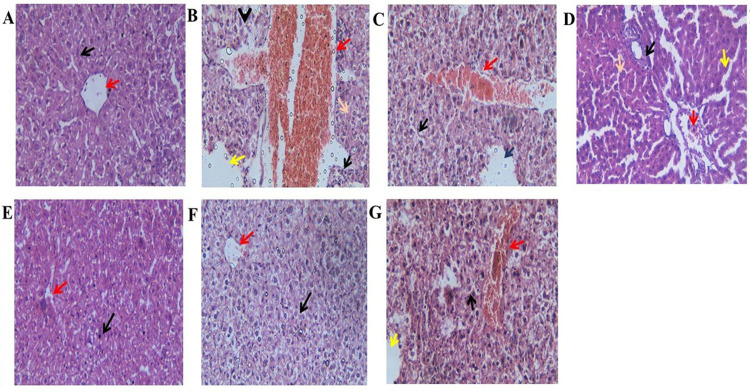
Hepatocellular carcinoma (HCC) is one of the world's most risky diseases due to the lack of clear and cost-effective therapeutic targets. Currently, the toxicity of conventional chemotherapeutic medications and the development of multidrug resistance is driving research into targeted therapies. The nano-biomedical field's potential for developing an effective therapeutic nano-sized drug delivery system is viewed as a significant pharmaceutical trend for the encapsulation and release of numerous anticancer therapies. In this regard, current research is centered on the creation of biodegradable chitosan nanoparticles (CSNPs) for the selective and sustained release of bee venom into liver cancer cells. Furthermore, surface modification with polyethylene glycol (PEG) and GE11 peptide-conjugated bee venom-CSNPs allows for the targeting of EGFR-overexpressed liver cancer cells. A series of in vitro and in vivo cellular analyses were used to investigate the antitumor effects and mechanisms of targeted bee venom-CSNPs. Targeted bee venom-CSNPs, in particular, were found to have higher cytotoxicity against HepG2 cells than SMMC-7721 cells, as well as stronger cellular uptake and a substantial reduction in cell migration, leading to improved cancer suppression. It also promotes cancer cell death in EGFR overexpressed HepG2 cells by boosting reactive oxygen species, activating mitochondria-dependent pathways, inhibiting EGFR-stimulated MEK/ERK pathway, and elevating p38-MAPK in comparison to native bee venom. In hepatocellular carcinoma (HCC)-induced mice, it has anti-cancer properties against tumor tissue. It also improved liver function and architecture without causing any noticeable toxic side effects, as well as inhibiting tumor growth by activating the apoptotic pathway. The design of this cancer-targeted nanoparticle establishes GE11-bee venom-CSNPs as a potential chemotherapeutic treatment for EGFR over-expressed malignancies. Finally, our work elucidates the molecular mechanism underlying the anticancer selectivity of targeted bee venom-CSNPs and outlines therapeutic strategies to target liver cancer.
肝细胞癌(HCC)是世界上最危险的疾病之一,因为缺乏明确且具有成本效益的治疗靶点。目前,传统化疗药物的毒性和多药耐药性的发展促使人们研究靶向治疗。纳米生物医学领域在开发有效的治疗性纳米药物递送系统方面具有潜力,被认为是封装和释放多种抗癌疗法的重要制药趋势。在这方面,目前的研究集中在开发可生物降解的壳聚糖纳米粒子(CSNPs),用于将蜂毒选择性和持续释放到肝癌细胞中。此外,通过聚乙二醇(PEG)和 GE11 肽偶联蜂毒-CSNPs 进行表面修饰,可实现对 EGFR 过表达肝癌细胞的靶向。一系列体外和体内细胞分析用于研究靶向蜂毒-CSNPs 的抗肿瘤作用和机制。靶向蜂毒-CSNPs 尤其对 HepG2 细胞的细胞毒性高于 SMMC-7721 细胞,并且具有更强的细胞摄取和显著减少细胞迁移,从而改善癌症抑制。它还通过增加活性氧、激活线粒体依赖性途径、抑制 EGFR 刺激的 MEK/ERK 途径以及升高 p38-MAPK,促进 EGFR 过表达 HepG2 细胞中的癌细胞死亡,与天然蜂毒相比。在肝细胞癌(HCC)诱导的小鼠中,它对肿瘤组织具有抗癌作用。它还改善了肝功能和结构,没有引起任何明显的毒副作用,并且通过激活凋亡途径抑制肿瘤生长。这种癌症靶向纳米粒子的设计确立了 GE11-蜂毒-CSNPs 作为 EGFR 过表达恶性肿瘤的潜在化疗治疗方法。最后,我们的工作阐明了靶向蜂毒-CSNPs 的抗肿瘤选择性的分子机制,并概述了针对肝癌的治疗策略。