Department of Microbiology, University of Massachusetts, Amherst, MA, USA.
Department of Microbiology, University of Massachusetts, Amherst, MA, USA; Molecular and Cellular Biology Graduate Program, University of Massachusetts, Amherst, MA, USA.
J Lipid Res. 2022 Sep;63(9):100262. doi: 10.1016/j.jlr.2022.100262. Epub 2022 Aug 8.
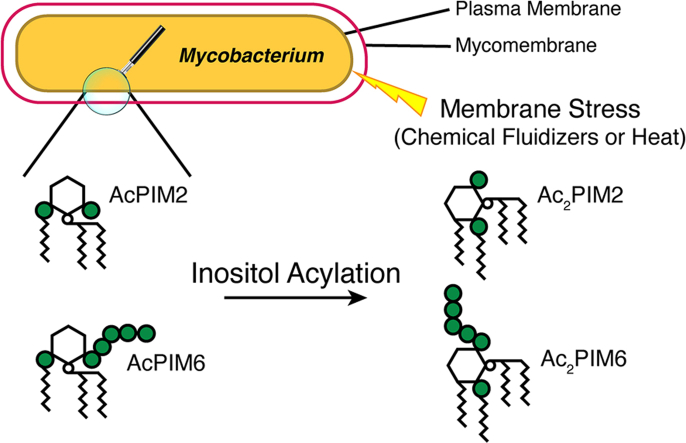
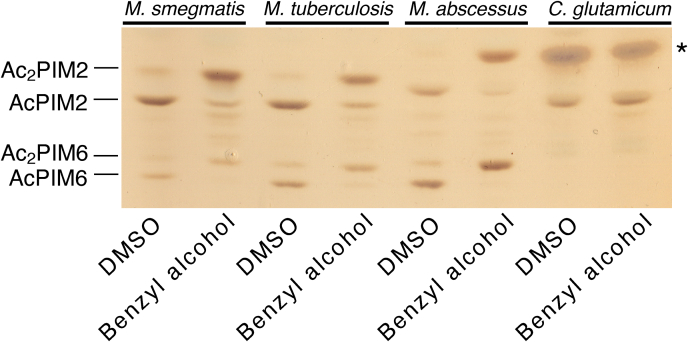
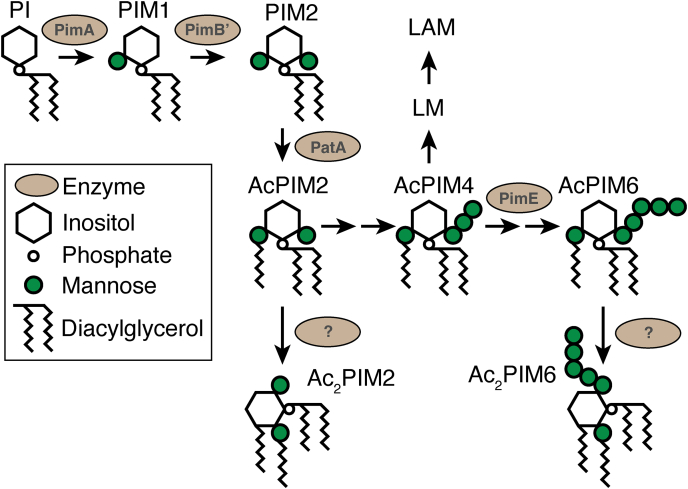
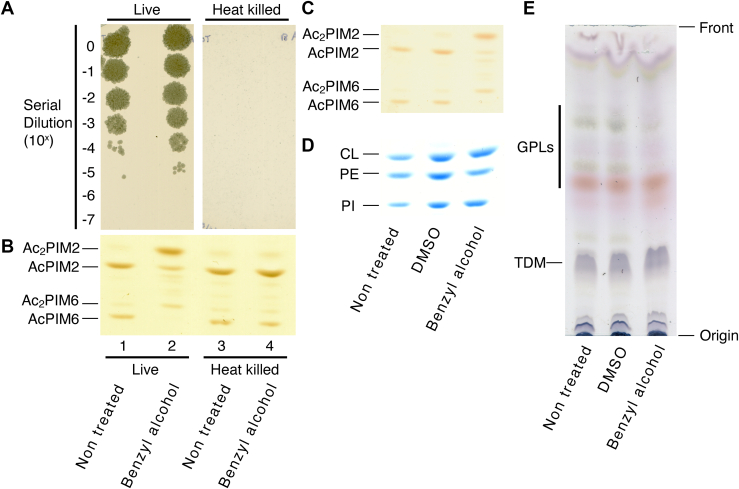
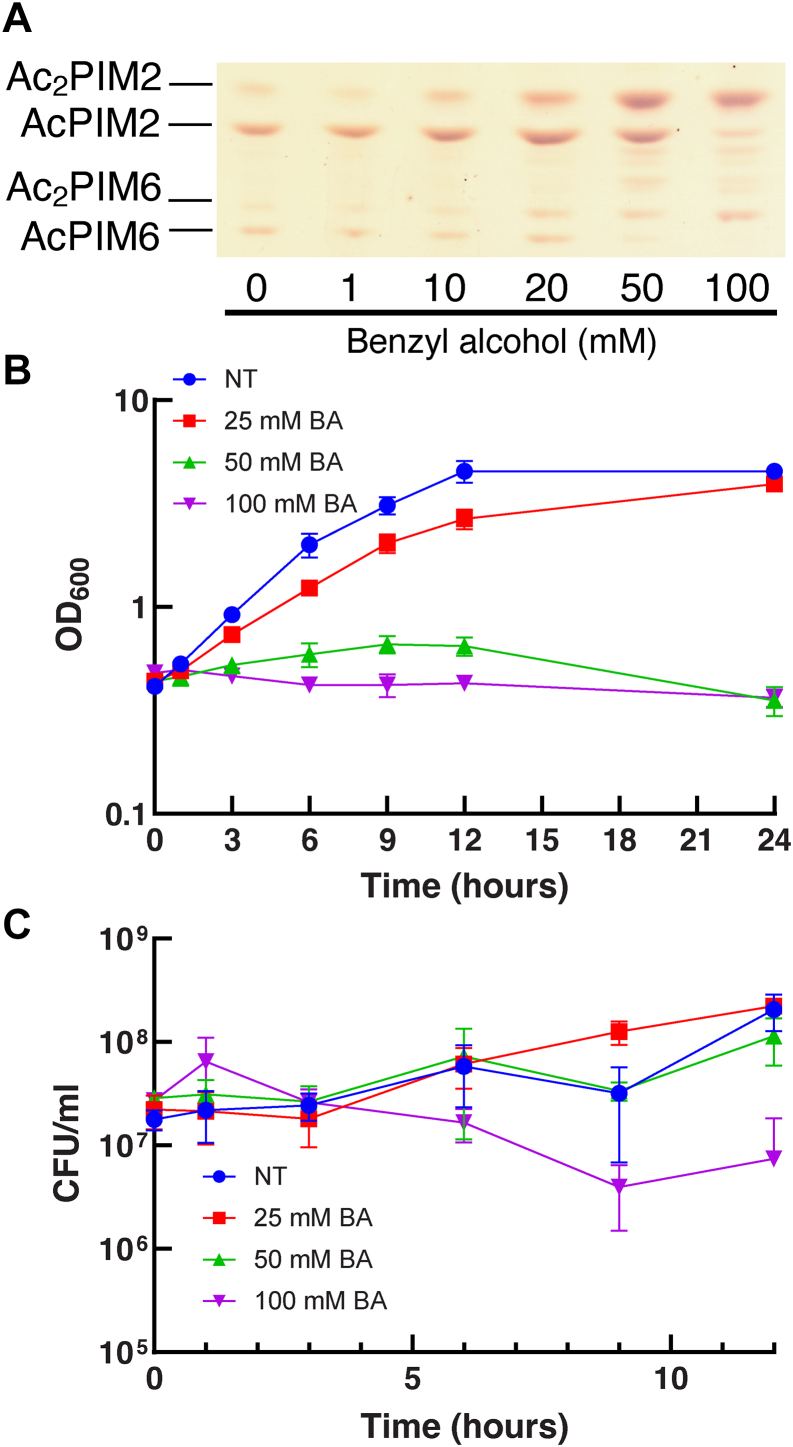
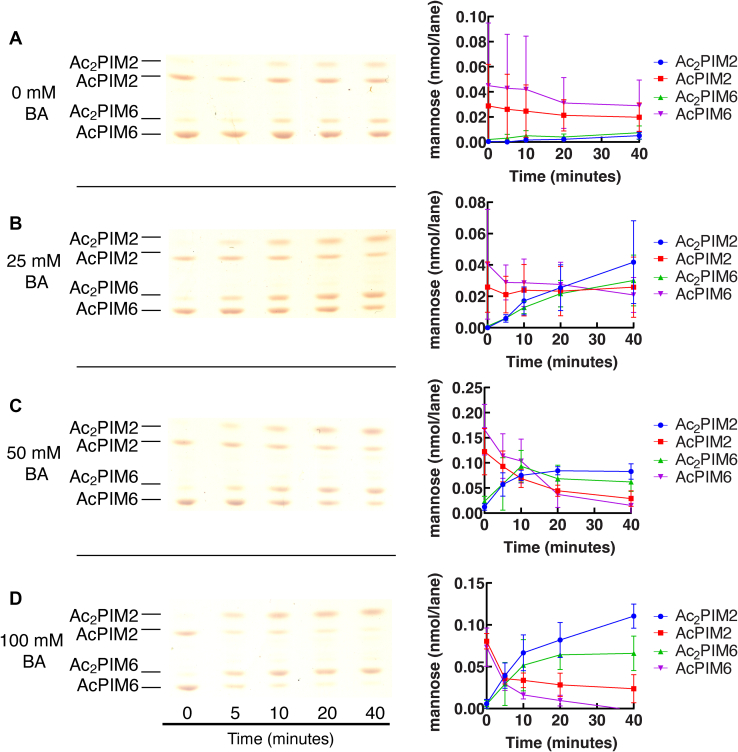
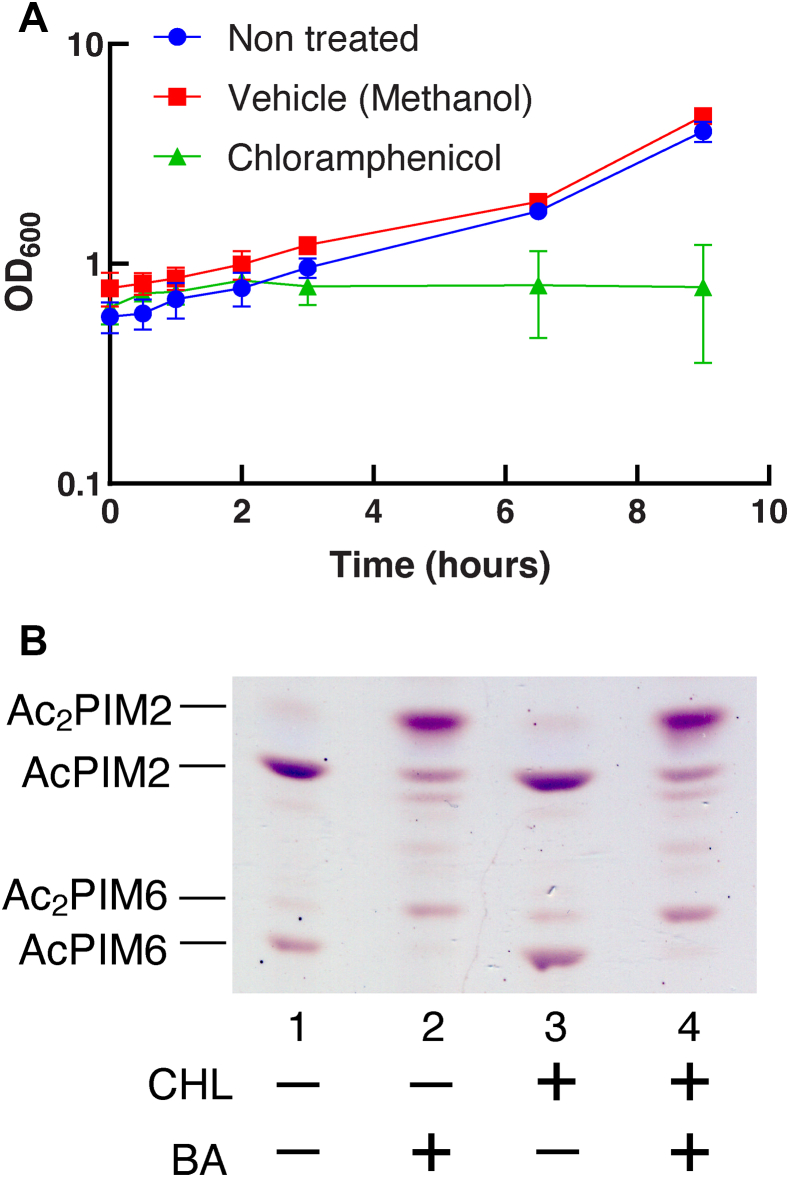
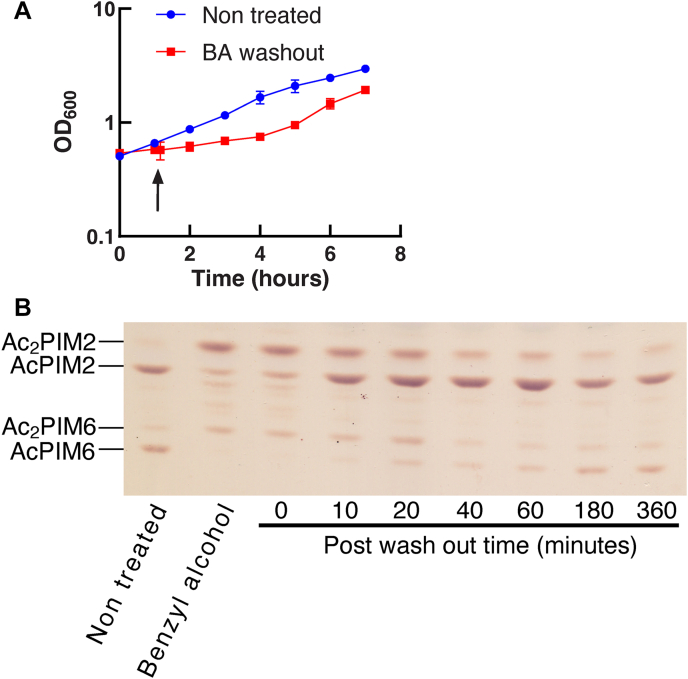
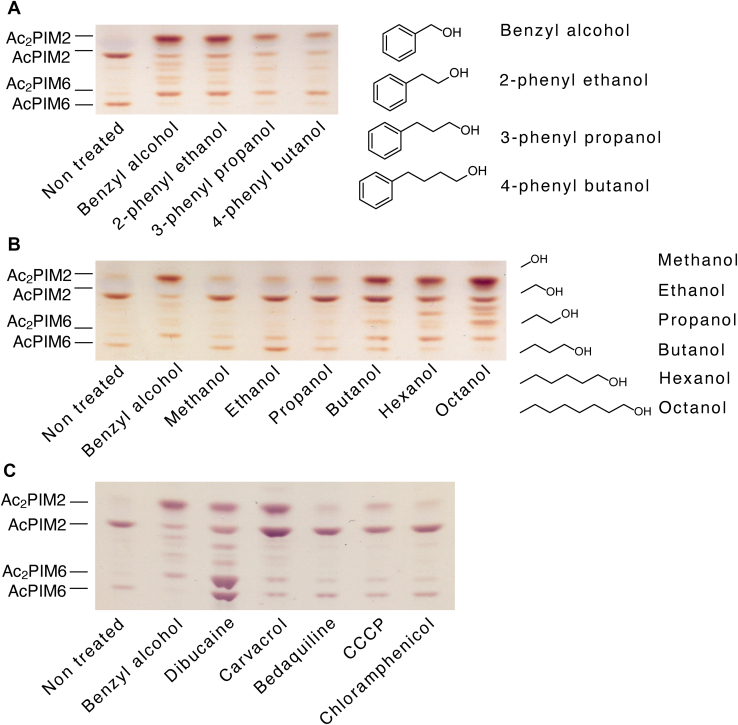
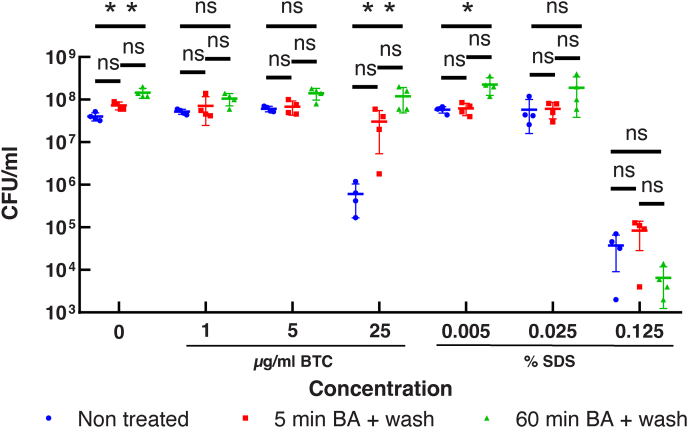
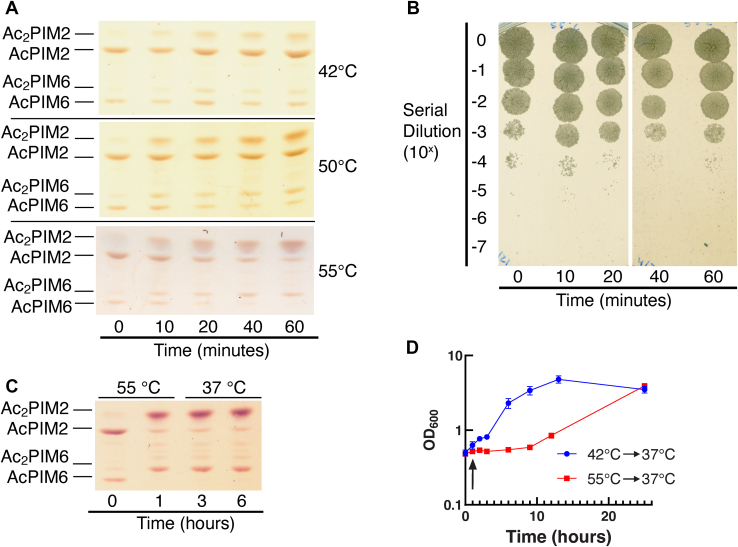
Mycobacteria share an unusually complex, multilayered cell envelope, which contributes to adaptation to changing environments. The plasma membrane is the deepest layer of the cell envelope and acts as the final permeability barrier against outside molecules. There is an obvious need to maintain the plasma membrane integrity, but the adaptive responses of the plasma membrane to stress exposure remain poorly understood. Using chemical treatment and heat stress to fluidize the membrane, we show here that phosphatidylinositol (PI)-anchored plasma membrane glycolipids known as PI mannosides (PIMs) are rapidly remodeled upon membrane fluidization in Mycobacterium smegmatis. Without membrane stress, PIMs are predominantly in a triacylated form: two acyl chains of the PI moiety plus one acyl chain modified at one of the mannose residues. Upon membrane fluidization, we determined the fourth fatty acid is added to the inositol moiety of PIMs, making them tetra-acylated variants. Additionally, we show that PIM inositol acylation is a rapid response independent of de novo protein synthesis, representing one of the fastest mass conversions of lipid molecules found in nature. Strikingly, we found that M. smegmatis is more resistant to the bactericidal effect of a cationic detergent after benzyl alcohol pre-exposure. We further demonstrate that fluidization-induced PIM inositol acylation is conserved in pathogens such as Mycobacterium tuberculosis and Mycobacterium abscessus. Our results demonstrate that mycobacteria possess a mechanism to sense plasma membrane fluidity change. We suggest that inositol acylation of PIMs is a novel membrane stress response that enables mycobacterial cells to resist membrane fluidization.
分枝杆菌具有一种非常复杂的、多层次的细胞包膜,这有助于它们适应不断变化的环境。质膜是细胞包膜的最深处,充当着阻止外部分子进入的最后一道渗透屏障。显然,需要维持质膜的完整性,但质膜对压力暴露的适应性反应仍知之甚少。通过化学处理和热应激使膜流化,我们在这里表明,在分枝杆菌属中,已知的质膜糖脂磷脂酰肌醇(PI)锚定糖脂(PIM)在膜流化时会迅速重塑。在没有膜应激的情况下,PIM 主要以三酰化形式存在:PI 部分的两个酰基链加上一个在一个甘露糖残基上修饰的酰基链。在膜流化后,我们确定第四个脂肪酸被添加到 PIM 的肌醇部分,使它们成为四酰化变体。此外,我们表明 PIM 肌醇酰化是一种快速反应,不依赖于从头蛋白质合成,代表了自然界中发现的最快的脂质分子质量转换之一。引人注目的是,我们发现分枝杆菌属在苯甲醇预处理后对阳离子洗涤剂的杀菌作用更具抵抗力。我们进一步证明,在分枝杆菌属和脓肿分枝杆菌等病原体中,诱导的 PIM 肌醇酰化在质膜流化中是保守的。我们的研究结果表明,分枝杆菌具有感知质膜流动性变化的机制。我们认为,PIM 的肌醇酰化是一种新的膜应激反应,使分枝杆菌细胞能够抵抗质膜流化。