Ilie Gheorghe-Ionuț, Milea Ștefania-Adelina, Râpeanu Gabriela, Cîrciumaru Adrian, Stănciuc Nicoleta
Faculty of Food Science and Engineering, Dunarea de Jos University of Galati, 800201 Galați, Romania.
Cross-Border Faculty, Dunarea de Jos University of Galati, 800201 Galați, Romania.
Foods. 2022 Aug 5;11(15):2334. doi: 10.3390/foods11152334.
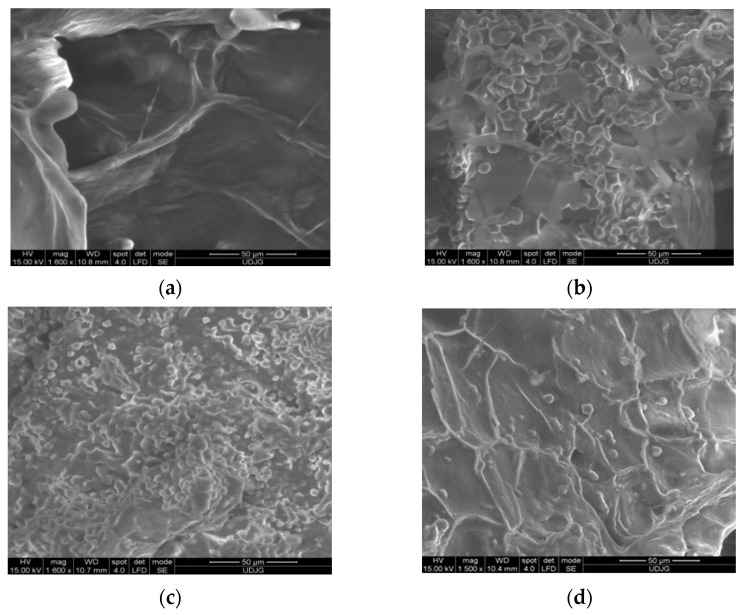
Industrial processing of kiwifruits generates a large quantity of byproducts, estimated to be one million tons per year. The resulting byproducts are rich sources of bioactive components that may be used as additives, hence minimizing economic and environmental issues. In this study, kiwifruit byproducts were used to develop added-value food-grade ingredients containing probiotics. The byproducts were divided into peels and pomace. Both residues were inoculated with a selected strain of probiotic ( 431), and two variants were additionally enhanced with prebiotic sources (buckwheat and black rice flours). The inoculated powders were obtained by freeze-drying, and the final ingredients were coded as KP (freeze-dried kiwi peels), KBR (freeze-dried kiwi pomace and black rice flour), KPB (freeze-dried kiwi pomace and buckwheat flour), and KPO (freeze-dried kiwi pomace). The phytochemical profile was assessed using different spectrophotometric methods, such as the determination of polyphenols, flavonoids, and carotenoids. The kiwi byproduct-based formulations showed a polyphenolic content varying from 10.56 ± 0.30 mg AGE/g DW to 13.16 ± 0.33 mg AGE/g, and the survival rate of lactic acid bacteria after freeze-drying ranged from 73% to 88%. The results showed an increase in total flavonoid content from the oral to gastric environment and controlled release in the intestinal environment, whereas a maximum survival rate of probiotics at the intestinal end stage was 48%. The results of SEM and droplet size measurements revealed vesicular and polyhedral structures on curved surfaces linked by ridge sections. The CIELab* color data were strongly associated with the particular pigment in kiwi pulp, as well as the color of the additional flour. Finally, the ingredients were tested in protein bars and enhanced the value of the final food product regarding its phytochemical and probiotic content.
猕猴桃的工业加工会产生大量副产品,估计每年达100万吨。这些副产品富含生物活性成分,可用作添加剂,从而减少经济和环境问题。在本研究中,猕猴桃副产品被用于开发含益生菌的增值食品级成分。副产品被分为果皮和果渣。两种残渣均接种了选定的益生菌菌株(431),另外两个变体还用益生元来源(荞麦粉和黑米面粉)进行了强化。接种后的粉末通过冷冻干燥获得,最终成分编码为KP(冷冻干燥的猕猴桃皮)、KBR(冷冻干燥的猕猴桃果渣和黑米面粉)、KPB(冷冻干燥的猕猴桃果渣和荞麦面粉)和KPO(冷冻干燥的猕猴桃果渣)。使用不同的分光光度法评估植物化学特征,如多酚、黄酮类化合物和类胡萝卜素的测定。基于猕猴桃副产品的配方显示多酚含量在10.56±0.30毫克AGE/克干重至13.16±0.33毫克AGE/克之间,冷冻干燥后乳酸菌的存活率在73%至88%之间。结果表明,从口腔到胃环境总黄酮含量增加,在肠道环境中可控释放,而益生菌在肠道末期的最大存活率为48%。扫描电子显微镜和液滴尺寸测量结果显示,在由脊状部分连接的曲面上存在囊泡状和多面体结构。CIELab*颜色数据与猕猴桃果肉中的特定色素以及添加面粉的颜色密切相关。最后,这些成分在蛋白棒中进行了测试,并提高了最终食品在植物化学和益生菌含量方面的价值。