Department of Life Science, Fu Jen Catholic University, New Taipei City 242062, Taiwan.
Graduate Institute of Applied Science and Engineering, Fu Jen Catholic University, New Taipei City 242062, Taiwan.
Int J Mol Sci. 2022 Jul 30;23(15):8449. doi: 10.3390/ijms23158449.
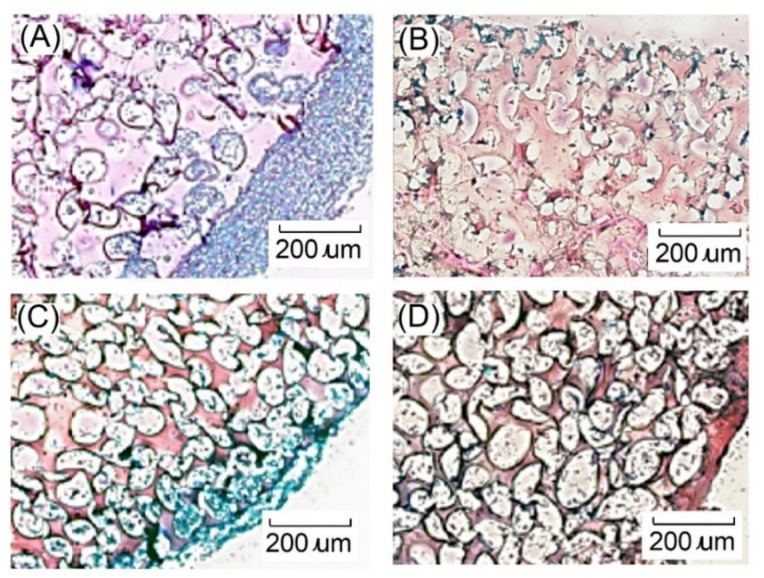
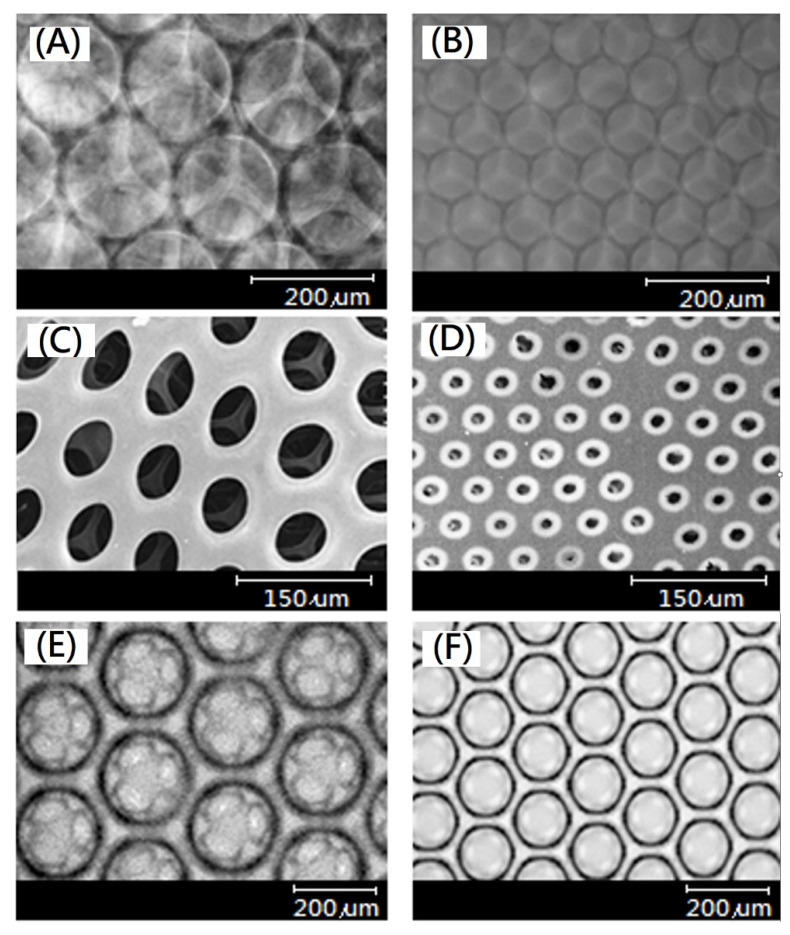
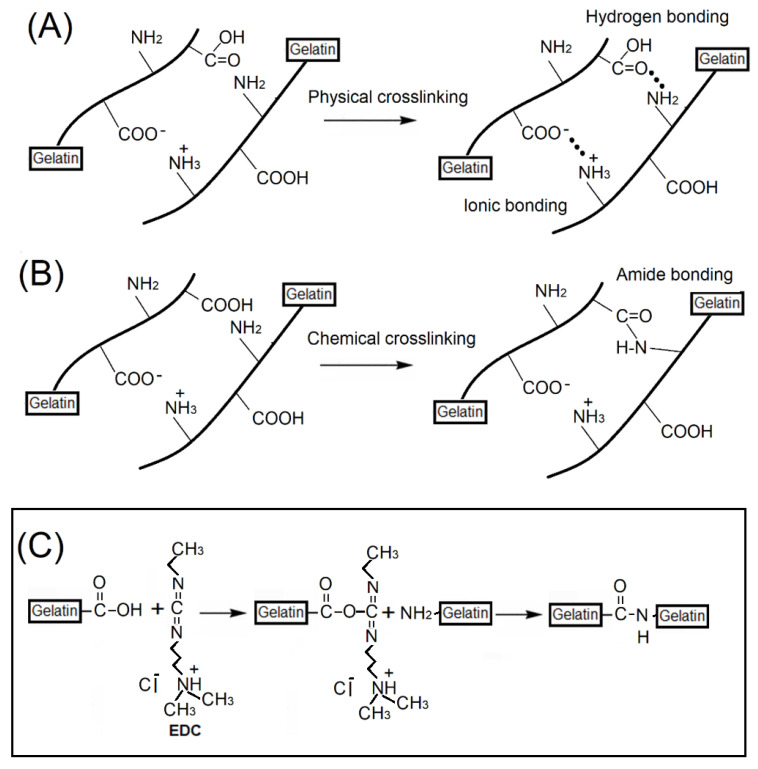
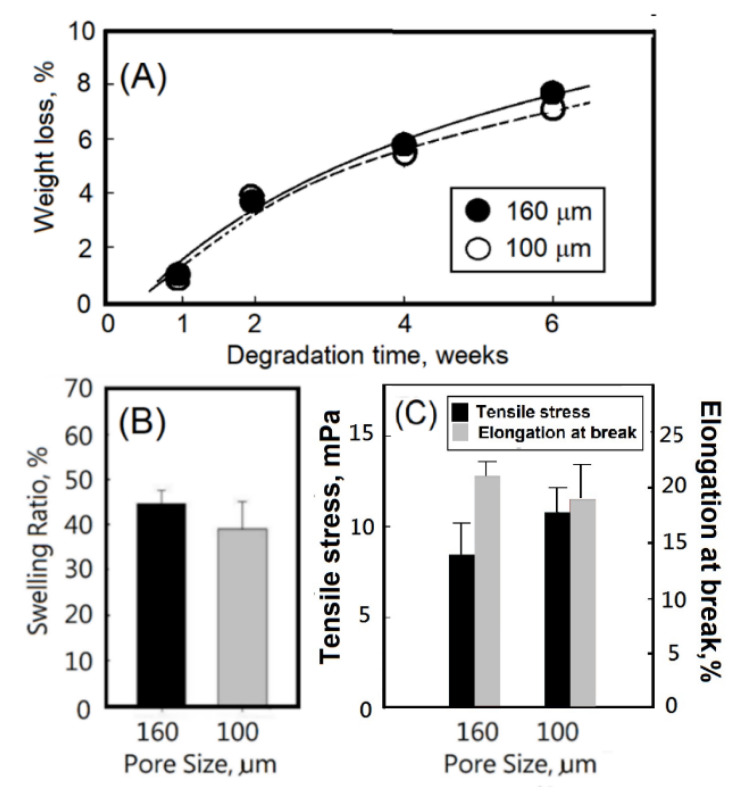
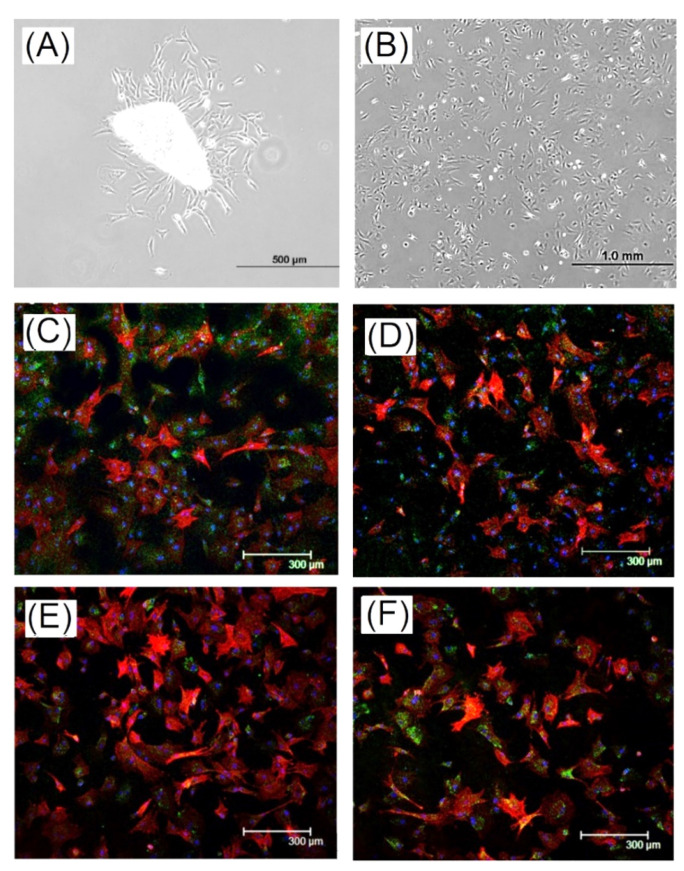
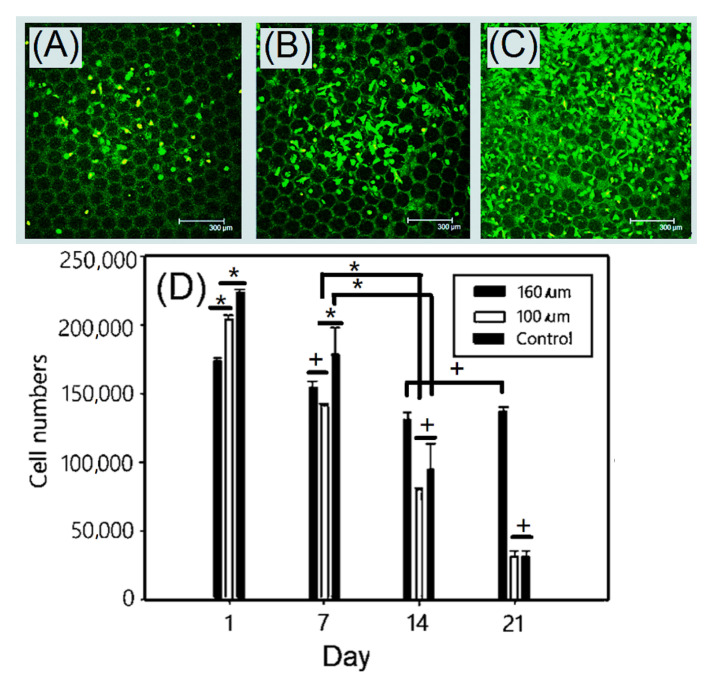
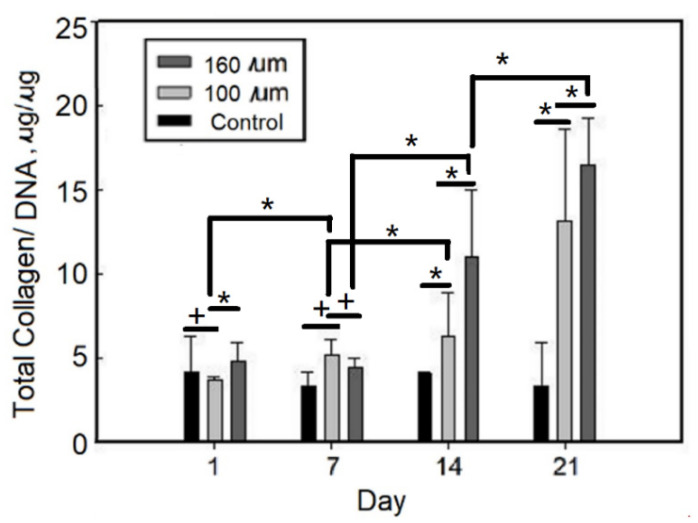
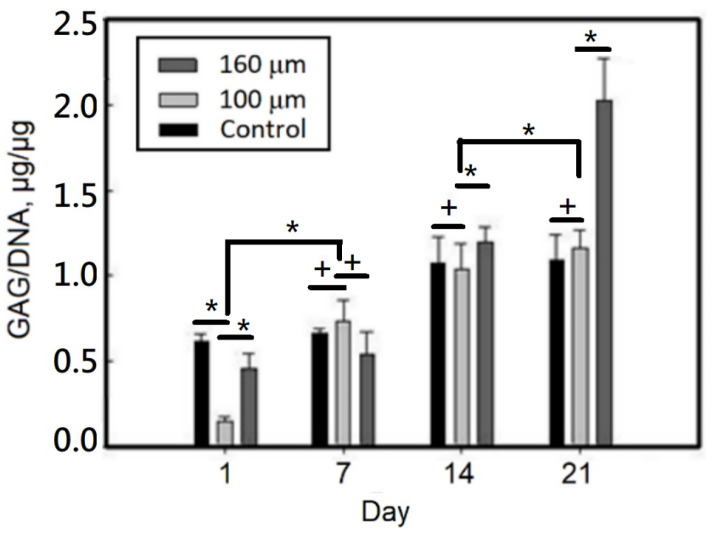
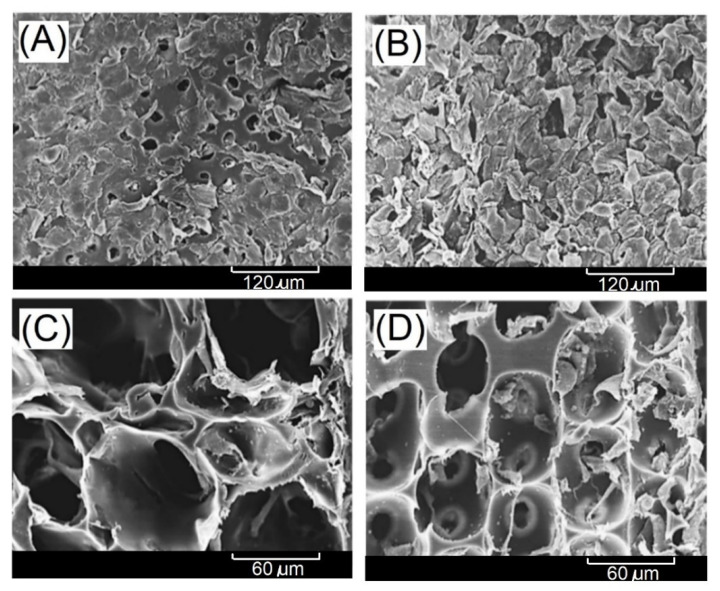
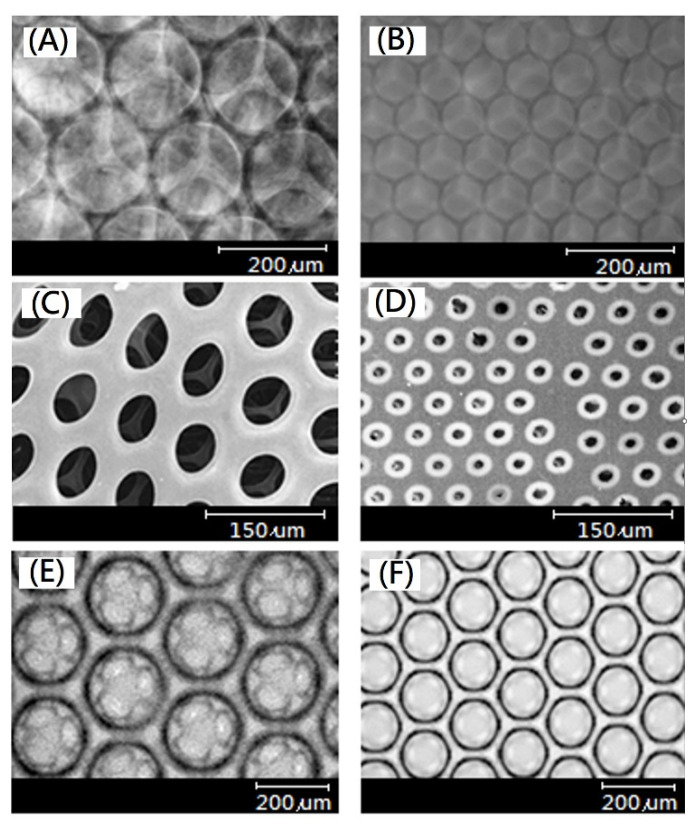
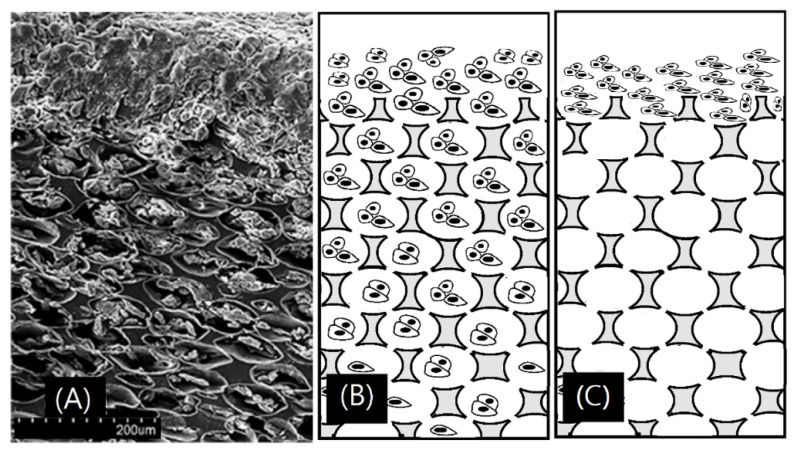
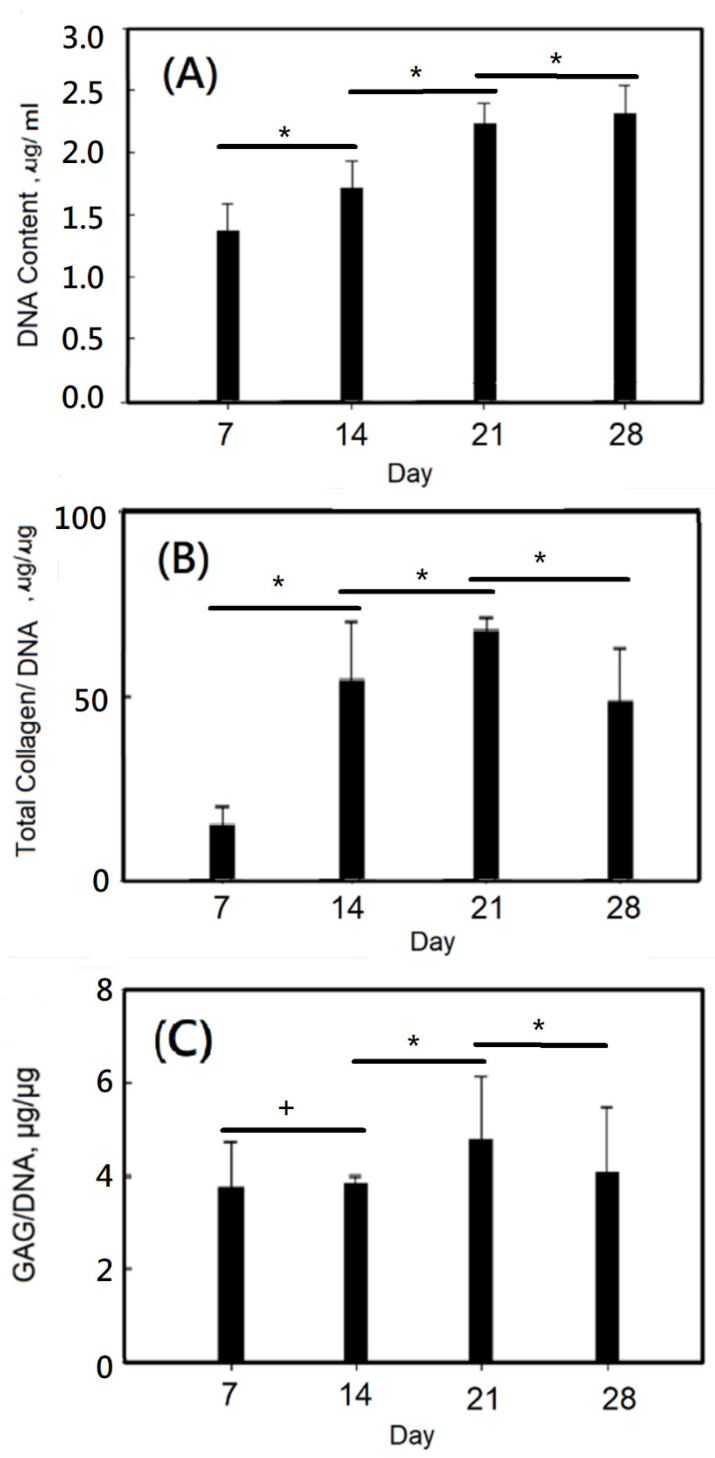
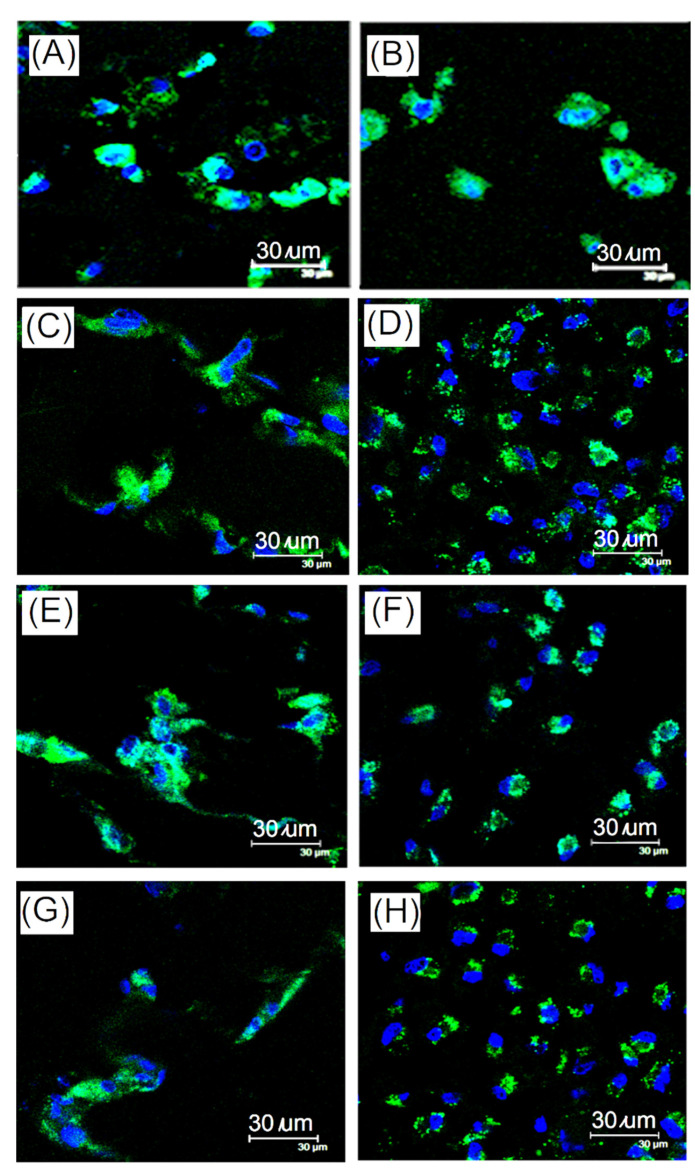
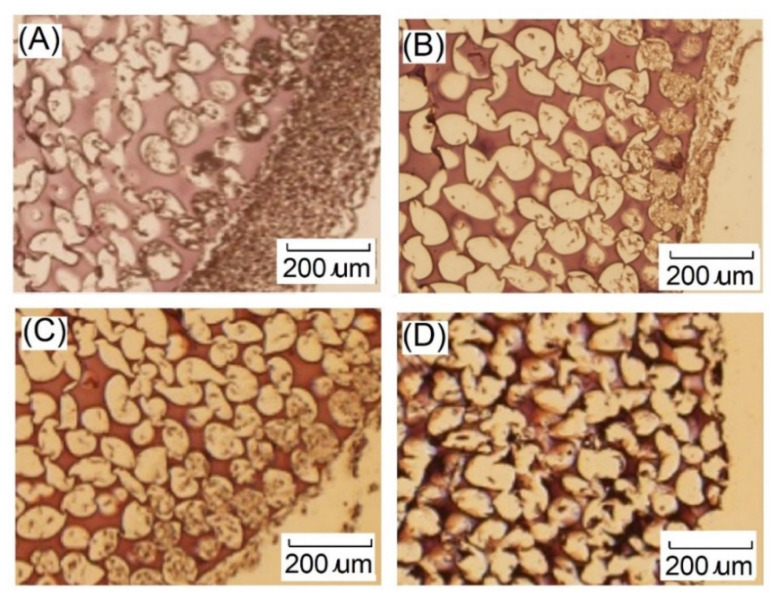
A gelatin-based hydrogel scaffold with highly uniform pore size and biocompatibility was fabricated for cartilage tissue engineering using microfluidic 3D-foaming technology. Mainly, bubbles with different diameters, such as 100 μm and 160 μm, were produced by introducing an optimized nitrogen gas and gelatin solution at an optimized flow rate, and N/gelatin bubbles were formed. Furthermore, a cross-linking agent (1-ethyl-3-(3-dimethyl aminopropyl)-carbodiimide, EDC) was employed for the cross-linking reaction of the gelatin-based hydrogel scaffold with uniform bubbles, and then the interface between the close cells were broken by degassing. The pore uniformity of the gelatin-based hydrogel scaffolds was confirmed by use of a bright field microscope, conjugate focus microscope and scanning electron microscope. The in vitro degradation rate, mechanical properties, and swelling rate of gelatin-based hydrogel scaffolds with highly uniform pore size were studied. Rabbit knee cartilage was cultured, and its extracellular matrix content was analyzed. Histological analysis and immunofluorescence staining were employed to confirm the activity of the rabbit knee chondrocytes. The chondrocytes were seeded into the resulting 3D porous gelatin-based hydrogel scaffolds. The growth conditions of the chondrocyte culture on the resulting 3D porous gelatin-based hydrogel scaffolds were evaluated by MTT analysis, live/dead cell activity analysis, and extracellular matrix content analysis. Additionally, a dynamic culture of cartilage tissue was performed, and the expression of cartilage-specific proteins within the culture time was studied by immunofluorescence staining analysis. The gelatin-based hydrogel scaffold encouraged chondrocyte proliferation, promoting the expression of collagen type II, aggrecan, and sox9 while retaining the structural stability and durability of the cartilage after dynamic compression and promoting cartilage repair.
采用微流控 3D 发泡技术,制备了具有高度均匀孔径和生物相容性的明胶基水凝胶支架用于软骨组织工程。主要是通过引入优化的氮气和明胶溶液以优化的流速来产生不同直径的气泡,如 100μm 和 160μm,形成 N/明胶气泡。此外,使用交联剂(1-乙基-3-(3-二甲基氨基丙基)碳二亚胺,EDC)对具有均匀气泡的明胶基水凝胶支架进行交联反应,然后通过脱气破坏封闭细胞之间的界面。使用明场显微镜、共轭焦显微镜和扫描电子显微镜证实了明胶基水凝胶支架的孔径均匀性。研究了具有高度均匀孔径的明胶基水凝胶支架的体外降解率、力学性能和溶胀率。培养兔膝关节软骨,并分析其细胞外基质含量。进行组织学分析和免疫荧光染色以确认兔膝关节软骨细胞的活性。将软骨细胞接种到所得的 3D 多孔明胶基水凝胶支架中。通过 MTT 分析、活/死细胞活性分析和细胞外基质含量分析评估软骨细胞在所得 3D 多孔明胶基水凝胶支架上的培养条件。此外,进行了软骨组织的动态培养,并通过免疫荧光染色分析研究了培养时间内软骨特异性蛋白的表达。明胶基水凝胶支架促进了软骨细胞的增殖,促进了 II 型胶原、聚集蛋白聚糖和 sox9 的表达,同时保留了软骨在动态压缩后的结构稳定性和耐久性,并促进了软骨修复。