Department of Biomedical and Neuromotor Sciences, University of Bologna, 40126 Bologna, Italy.
Department of Medical and Surgical Sciences, University of Bologna, 40126 Bologna, Italy.
Int J Mol Sci. 2022 Aug 5;23(15):8719. doi: 10.3390/ijms23158719.
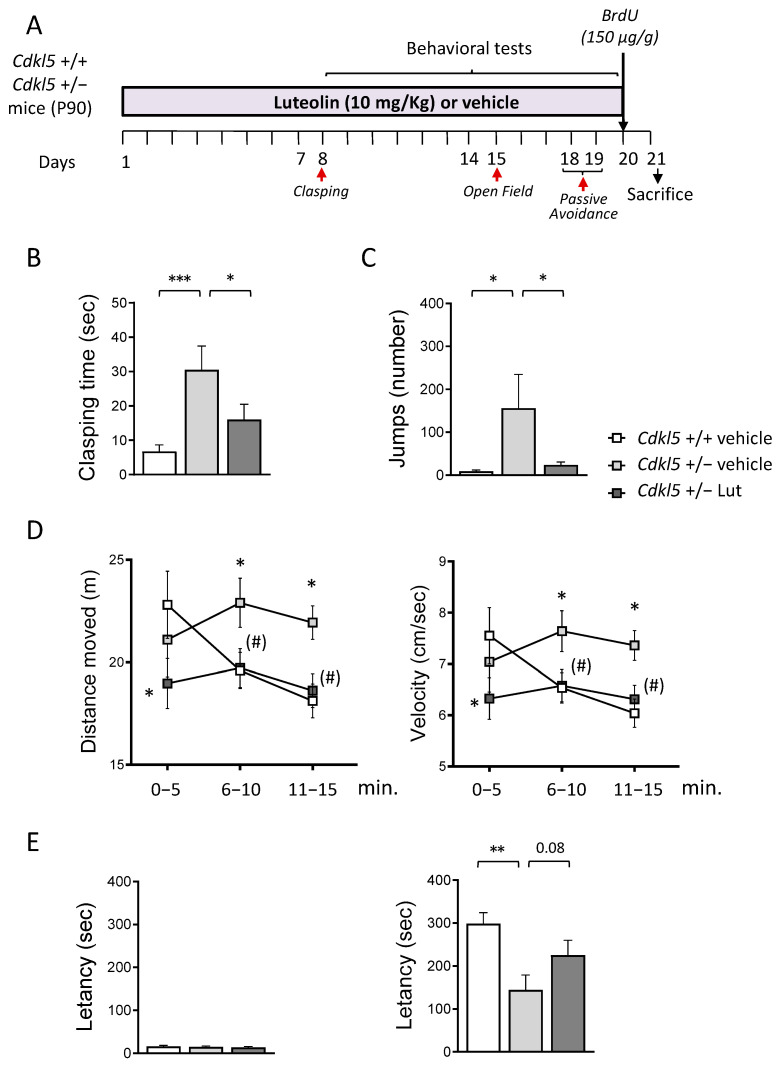
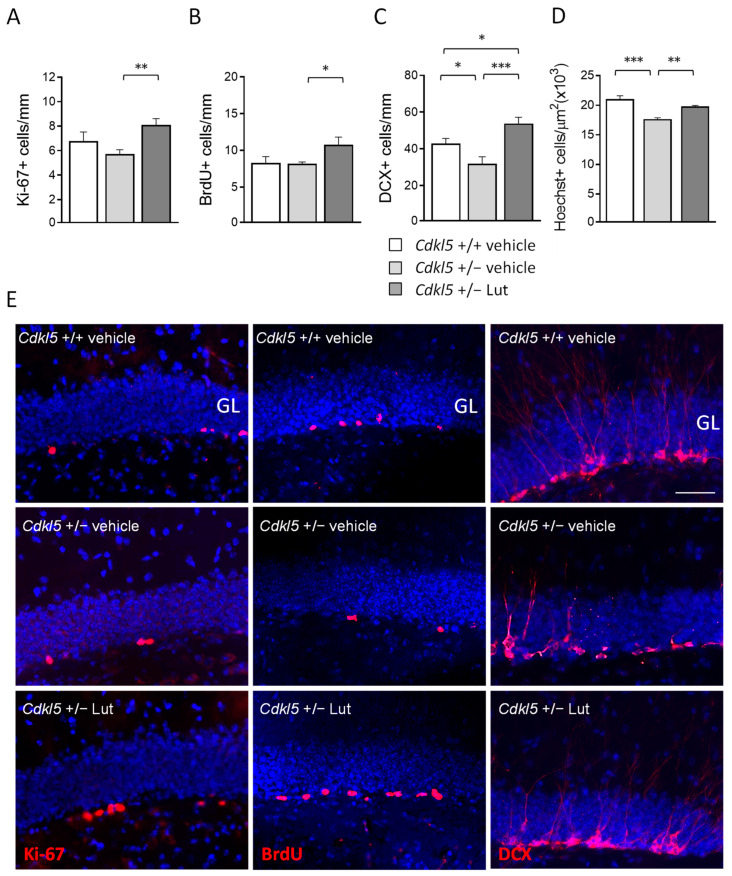
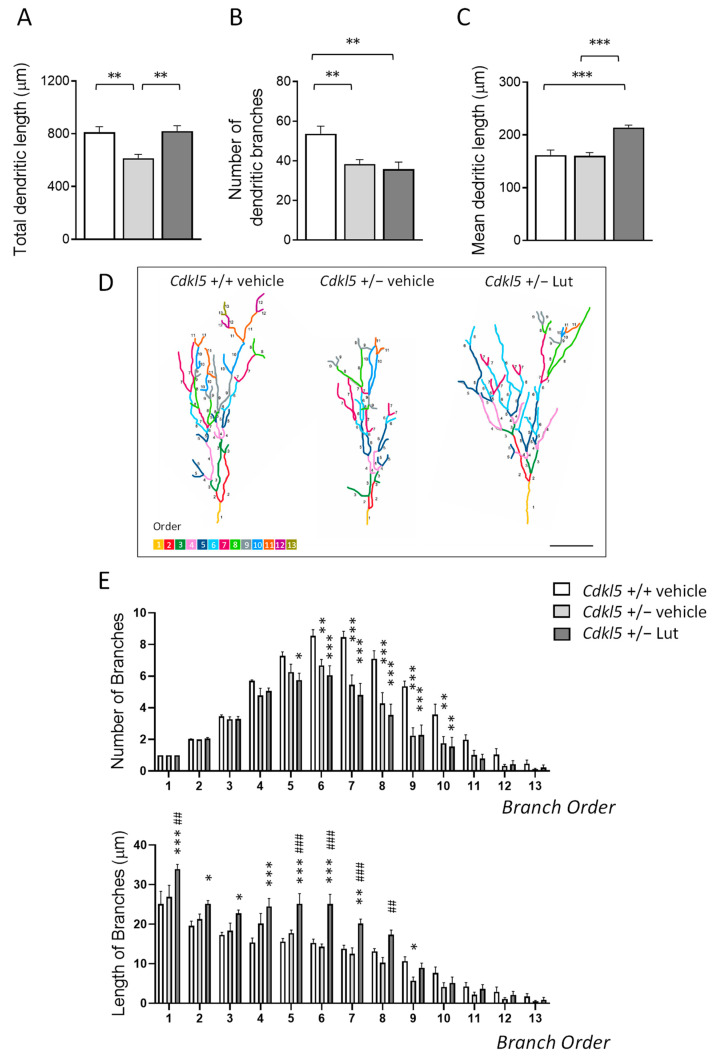
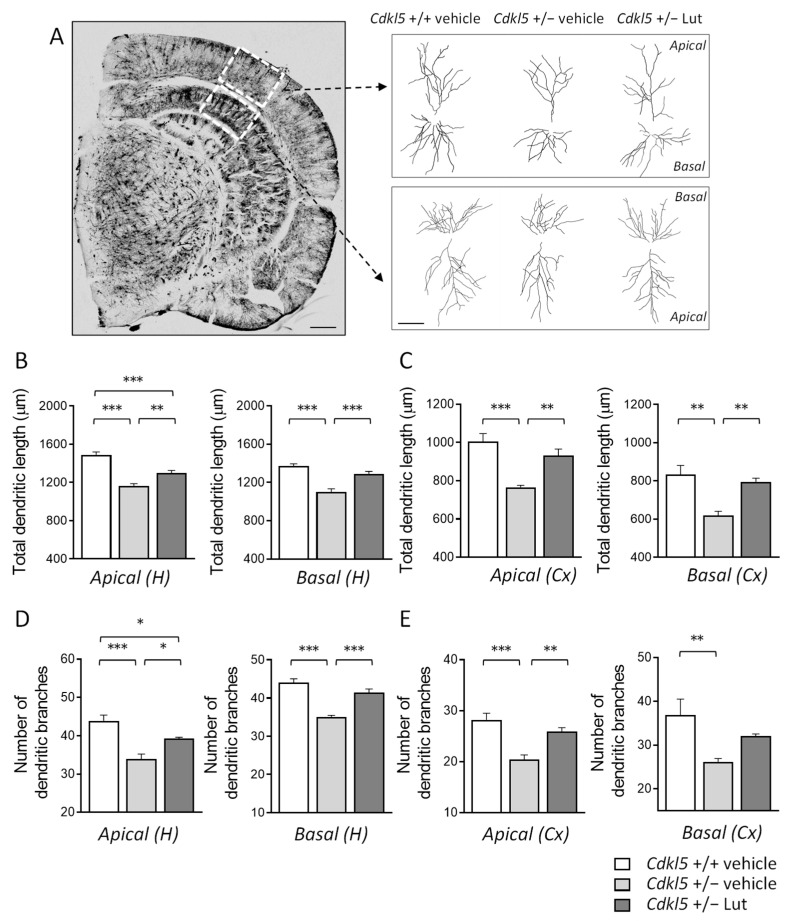
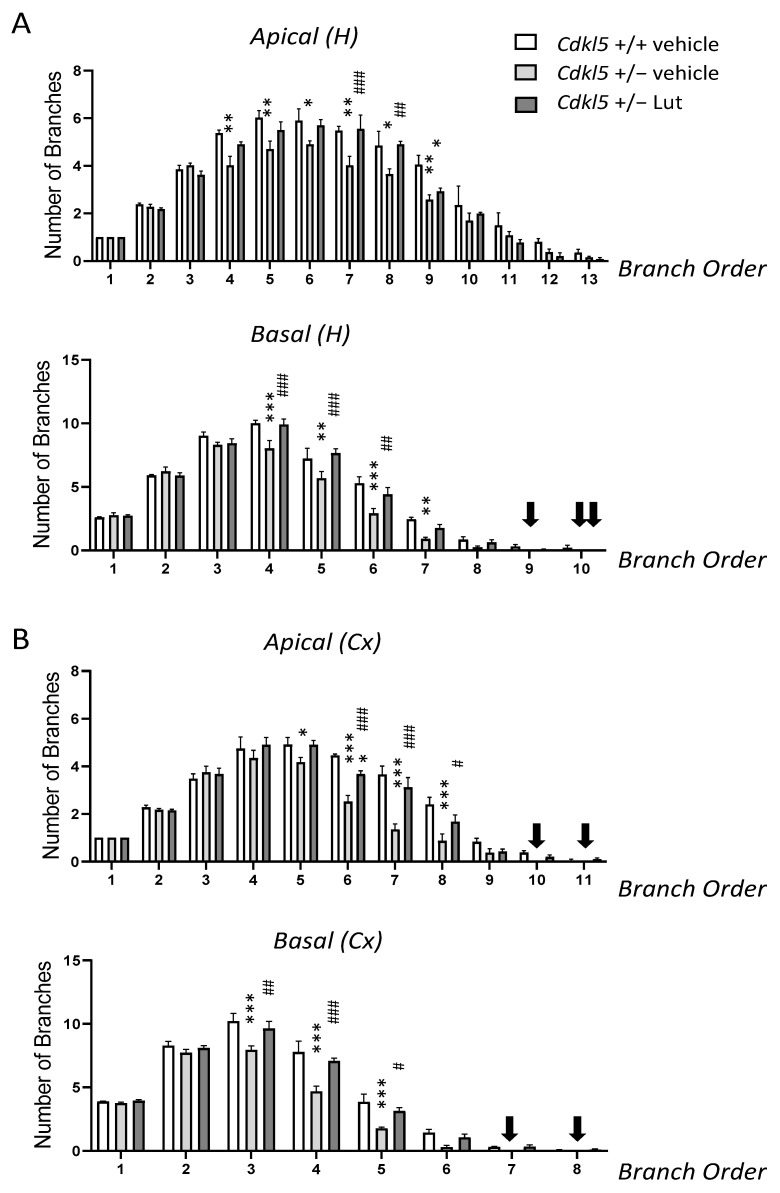
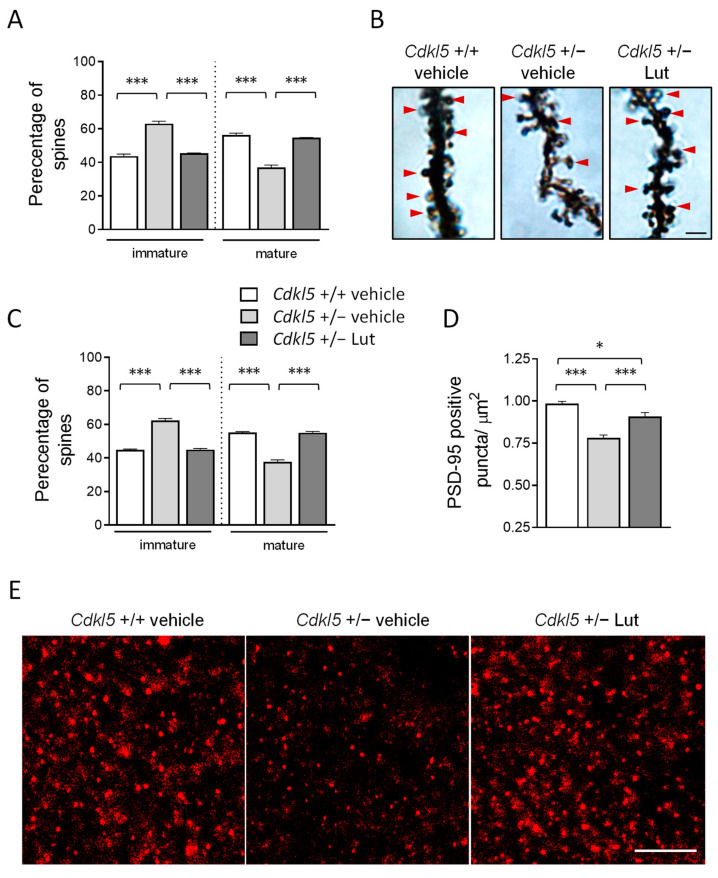
CDKL5 deficiency disorder (CDD), a rare and severe neurodevelopmental disease caused by mutations in the X-linked 5 gene, is characterized by early-onset epilepsy, intellectual disability, and autistic features. Although pharmacotherapy has shown promise in the CDD mouse model, safe and effective clinical treatments are still far off. Recently, we found increased microglial activation in the brain of a mouse model of CDD, the 5 KO mouse, suggesting that a neuroinflammatory state, known to be involved in brain maturation and neuronal dysfunctions, may contribute to the pathophysiology of CDD. The present study aims to evaluate the possible beneficial effect of treatment with luteolin, a natural flavonoid known to have anti-inflammatory and neuroprotective activities, on brain development and behavior in a heterozygous (+/-) female mouse, the mouse model of CDD that best resembles the genetic clinical condition. We found that inhibition of neuroinflammation by chronic luteolin treatment ameliorates motor stereotypies, hyperactive profile and memory ability in +/- mice. Luteolin treatment also increases hippocampal neurogenesis and improves dendritic spine maturation and dendritic arborization of hippocampal and cortical neurons. These findings show that microglia overactivation exerts a harmful action in the +/- brain, suggesting that treatments aimed at counteracting the neuroinflammatory process should be considered as a promising adjuvant therapy for CDD.
CDKL5 缺乏症(CDD)是一种由 X 连锁 5 基因突变引起的罕见且严重的神经发育疾病,其特征为早发性癫痫、智力障碍和自闭症特征。尽管药物治疗已在 CDD 小鼠模型中显示出前景,但安全有效的临床治疗方法仍遥遥无期。最近,我们发现 CDD 小鼠模型,即 5 号 KO 小鼠的大脑中微胶质细胞激活增加,这表明神经炎症状态可能与大脑成熟和神经元功能障碍有关,从而导致 CDD 的病理生理学发生。本研究旨在评估天然黄酮类化合物木犀草素的治疗可能对最接近遗传临床状况的杂合子( +/-)雌性小鼠,即 CDD 的小鼠模型的大脑发育和行为产生有益影响。我们发现,慢性木犀草素治疗抑制神经炎症可改善 +/- 小鼠的刻板运动、多动表型和记忆能力。木犀草素治疗还增加了海马神经发生,并改善了海马和皮质神经元的树突棘成熟和树突分支。这些发现表明,小胶质细胞过度激活对 +/- 大脑产生有害作用,这表明针对神经炎症过程的治疗应被视为 CDD 的一种有前途的辅助治疗方法。