Department of Biomedical and Neuromotor Sciences, University of Bologna, Piazza di Porta San Donato 2, 40126, Bologna, Italy.
J Neuroinflammation. 2021 Jul 8;18(1):155. doi: 10.1186/s12974-021-02204-0.
CDKL5 deficiency disorder (CDD), a severe neurodevelopmental disorder characterized by early onset epilepsy, intellectual disability, and autistic features, is caused by mutations in the CDKL5 gene. Evidence in animal models of CDD showed that absence of CDKL5 negatively affects neuronal survival, as well as neuronal maturation and dendritic outgrowth; however, knowledge of the substrates underlying these alterations is still limited. Neuroinflammatory processes are known to contribute to neuronal dysfunction and death. Recent evidence shows a subclinical chronic inflammatory status in plasma from CDD patients. However, to date, it is unknown whether a similar inflammatory status is present in the brain of CDD patients and, if so, whether this plays a causative or exacerbating role in the pathophysiology of CDD.
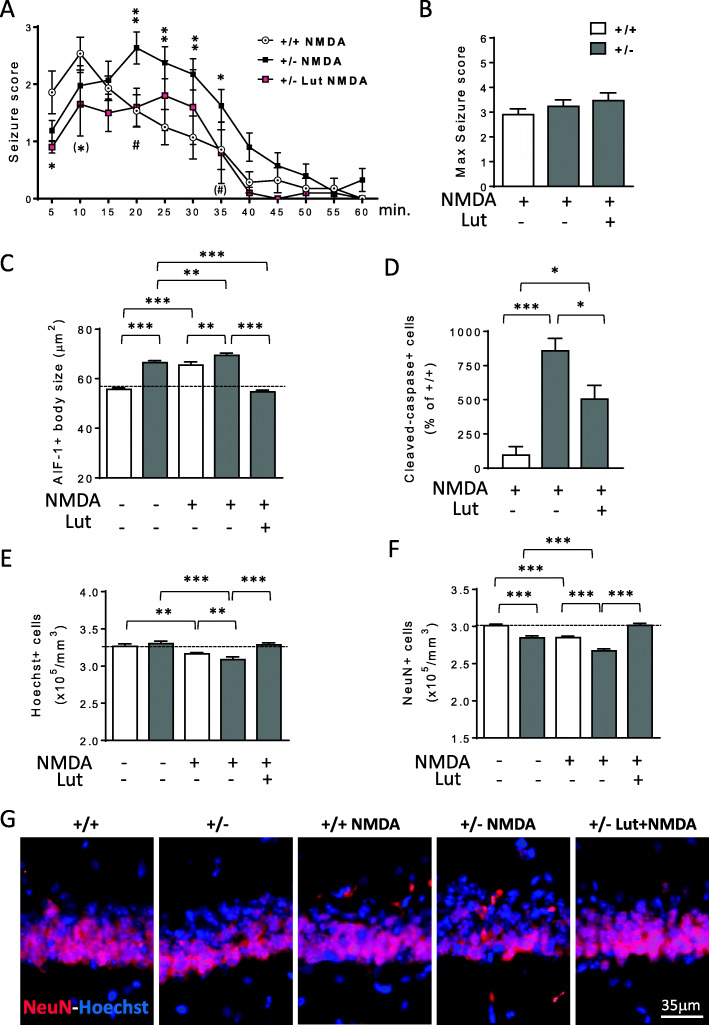
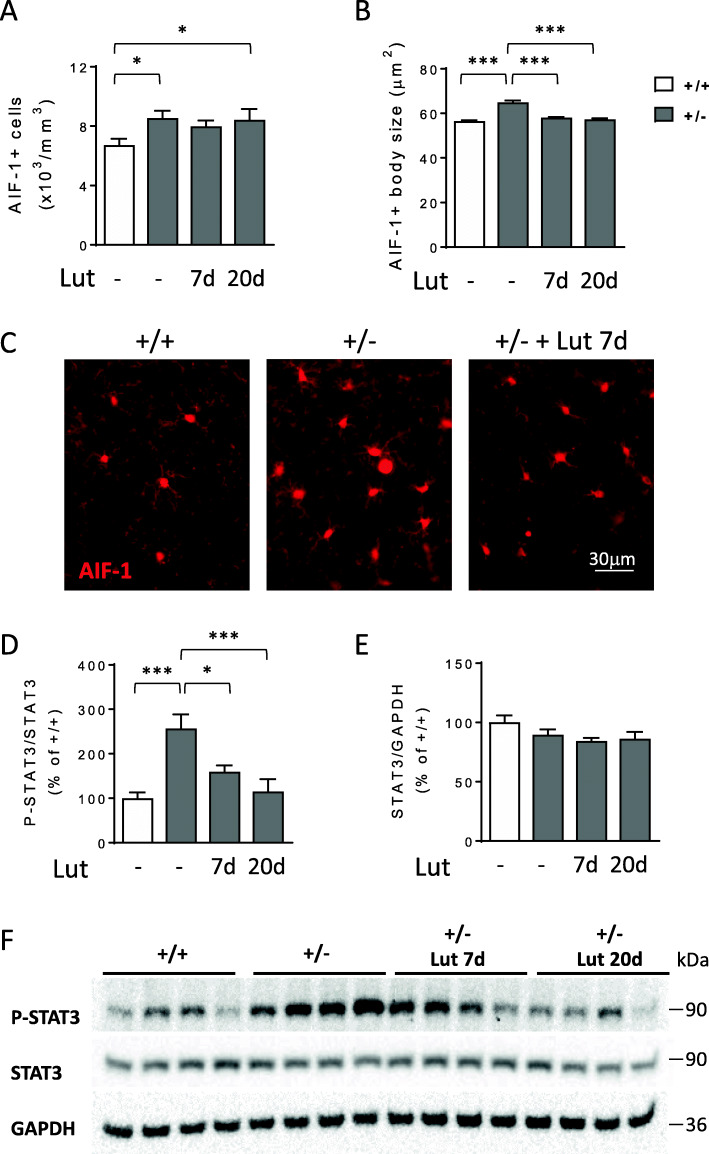
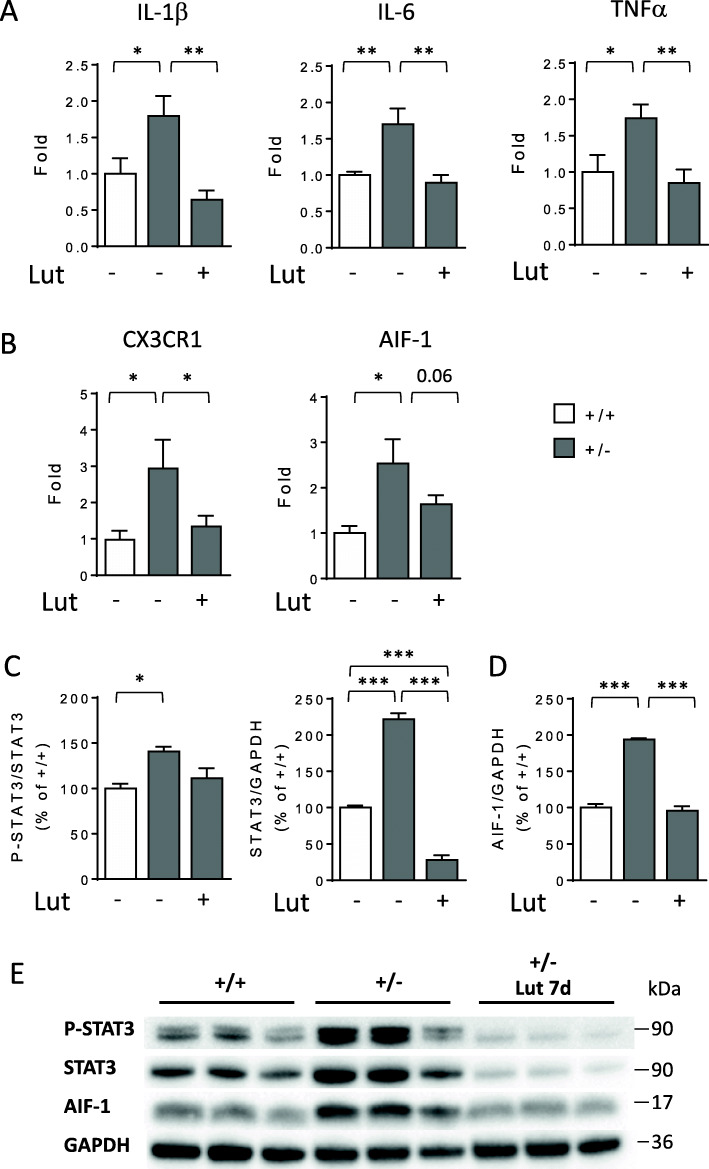
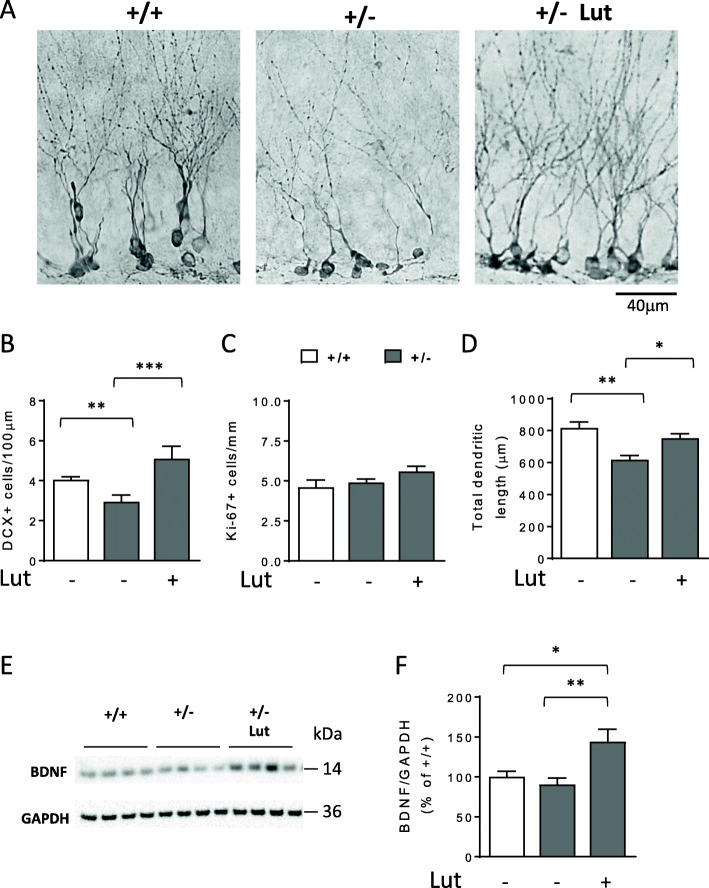
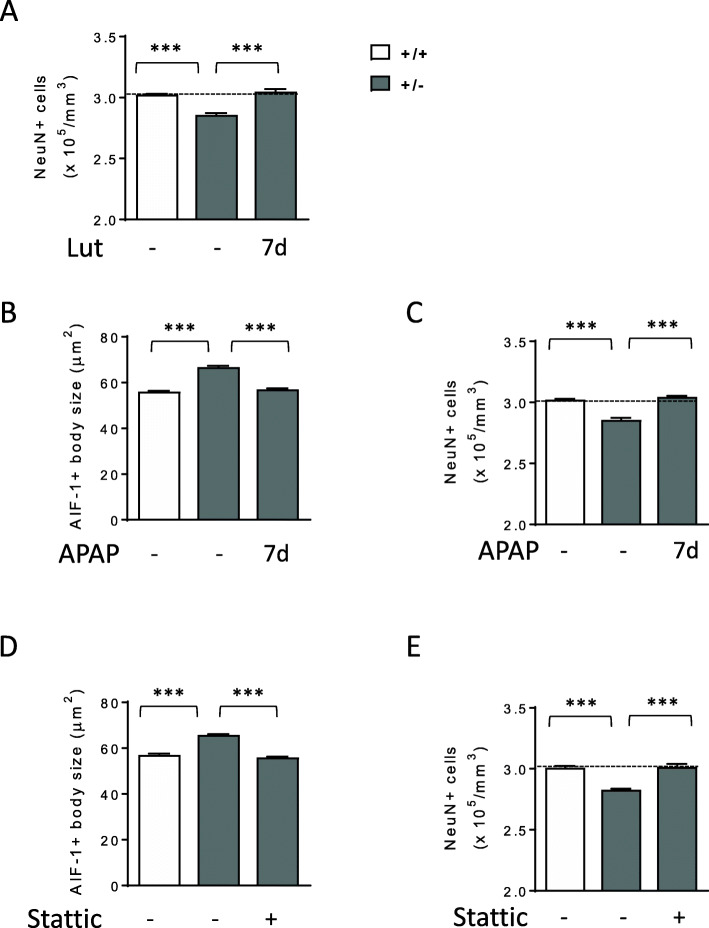
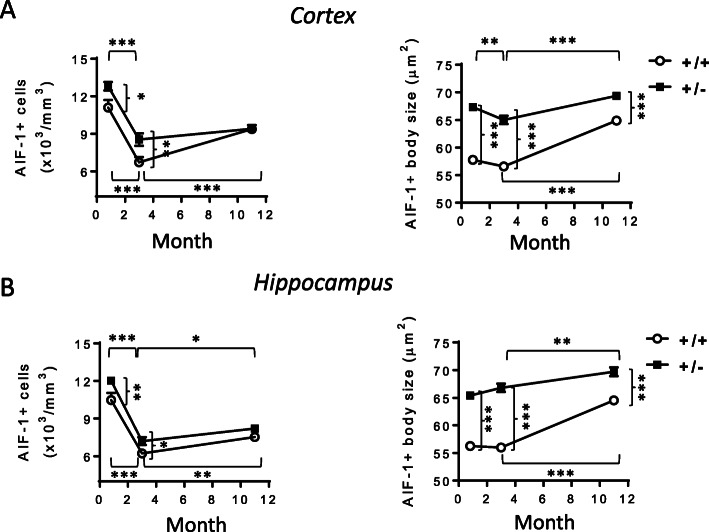
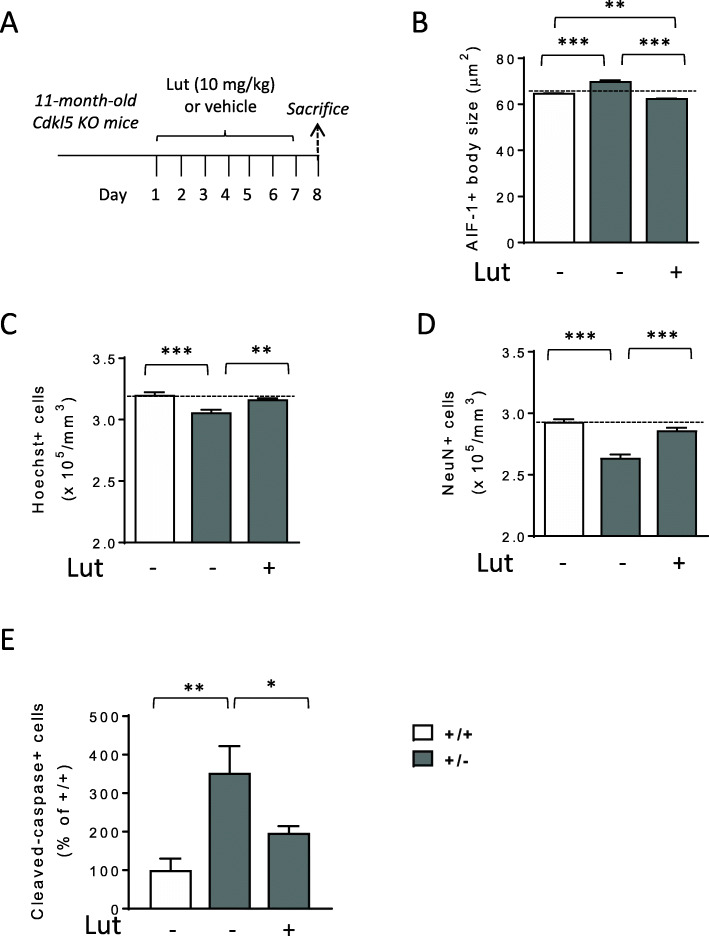
We evaluated microglia activation using AIF-1 immunofluorescence, proinflammatory cytokine expression, and signaling in the brain of a mouse model of CDD, the Cdkl5 KO mouse, which is characterized by an impaired survival of hippocampal neurons that worsens with age. Hippocampal neuron survival was determined by DCX, NeuN, and cleaved caspase-3 immunostaining in Cdkl5 KO mice treated with luteolin (10 mg/kg), a natural anti-inflammatory flavonoid. Since hippocampal neurons of Cdkl5 KO mice exhibit increased susceptibility to excitotoxic stress, we evaluated neuronal survival in Cdkl5 KO mice injected with NMDA (60 mg/kg) after a 7-day treatment with luteolin.
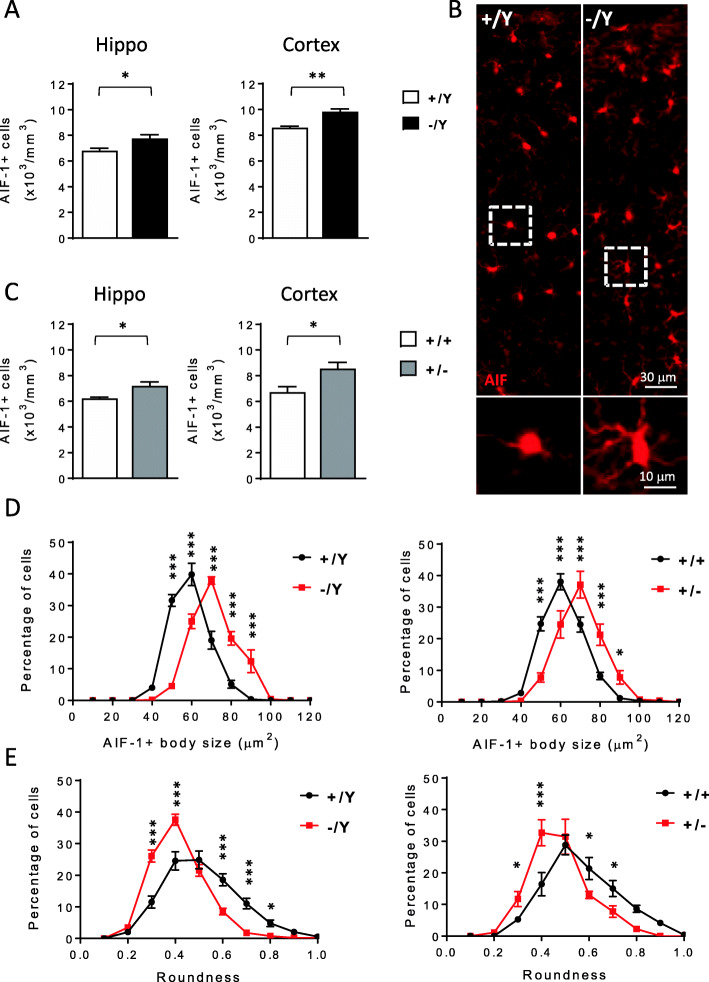
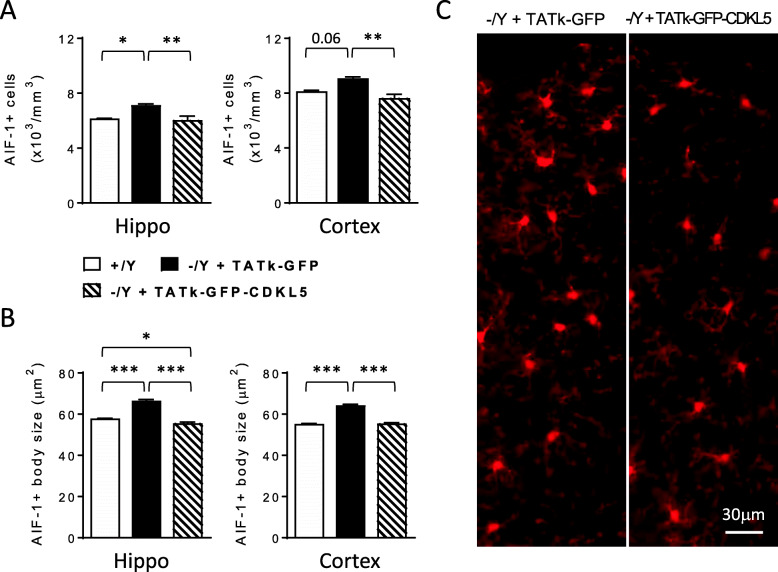
We found increased microglial activation in the brain of the Cdkl5 KO mouse. We found alterations in microglial cell morphology and number, increased levels of AIF-1 and proinflammatory cytokines, and activation of STAT3 signaling. Remarkably, treatment with luteolin recovers microglia alterations as well as neuronal survival and maturation in Cdkl5 KO mice, and prevents the increase in NMDA-induced cell death in the hippocampus.
Our results suggest that neuroinflammatory processes contribute to the pathogenesis of CDD and imply the potential usefulness of luteolin as a treatment option in CDD patients.
CDKL5 缺乏症(CDD)是一种严重的神经发育障碍,其特征为早期发病的癫痫、智力障碍和自闭症特征,由 CDKL5 基因突变引起。在 CDD 的动物模型中,证据表明 CDKL5 的缺失会对神经元的存活以及神经元的成熟和树突生长产生负面影响;然而,对于这些改变的潜在机制仍然知之甚少。神经炎症过程已知会导致神经元功能障碍和死亡。最近的证据表明,CDD 患者的血浆存在亚临床慢性炎症状态。然而,迄今为止,尚不清楚 CDD 患者的大脑中是否存在类似的炎症状态,如果存在,这种炎症状态是否在 CDD 的病理生理学中起因果或加重作用。
我们使用 AIF-1 免疫荧光、促炎细胞因子表达和信号转导来评估 CDD 小鼠模型(Cdkl5 KO 小鼠)中微胶质细胞的激活,该模型的特征是海马神经元的存活受损,随着年龄的增长而恶化。通过对用 luteolin(10 mg/kg)治疗的 Cdkl5 KO 小鼠中的 DCX、NeuN 和 cleaved caspase-3 免疫染色来确定海马神经元的存活,luteolin 是一种天然抗炎类黄酮。由于 Cdkl5 KO 小鼠的海马神经元对兴奋性毒性应激的敏感性增加,我们评估了在 luteolin 治疗 7 天后用 NMDA(60 mg/kg)注射的 Cdkl5 KO 小鼠中的神经元存活。
我们发现 Cdkl5 KO 小鼠大脑中的小胶质细胞激活增加。我们发现小胶质细胞形态和数量发生改变,AIF-1 和促炎细胞因子水平升高,STAT3 信号转导激活。值得注意的是,luteolin 治疗可恢复 Cdkl5 KO 小鼠中的小胶质细胞改变以及神经元的存活和成熟,并防止海马中 NMDA 诱导的细胞死亡增加。
我们的结果表明神经炎症过程有助于 CDD 的发病机制,并暗示 luteolin 作为 CDD 患者的治疗选择具有潜在的益处。