Instituto de Investigación Biomédica de Málaga y Plataforma en Nanomedicina-IBIMA Plataforma BIONAND, 29590 Málaga, Spain.
Centro de Investigación Biomédica en Red de Bioingeniería, Biomateriales y Nanomedicina (CIBER-BBN), Instituto de Salud Carlos III, 28029 Madrid, Spain.
Molecules. 2022 Aug 6;27(15):5008. doi: 10.3390/molecules27155008.
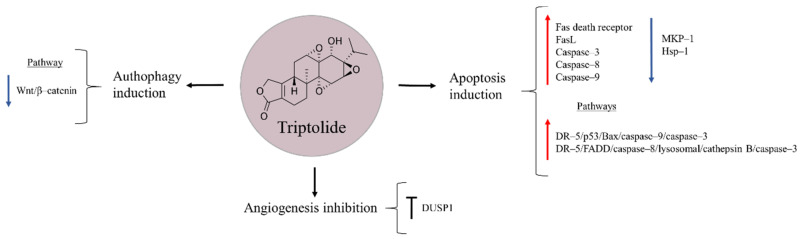
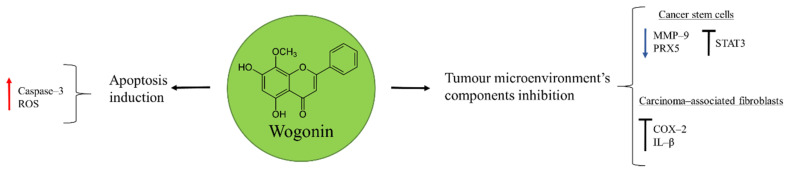
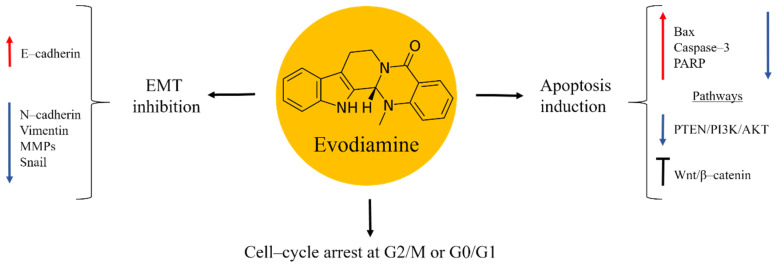
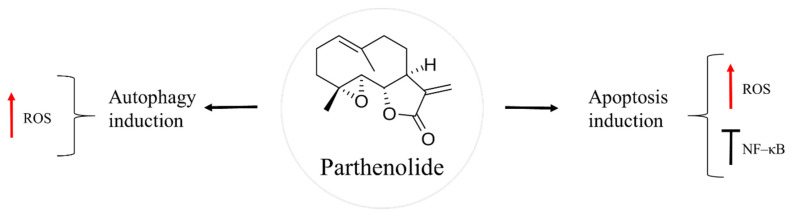
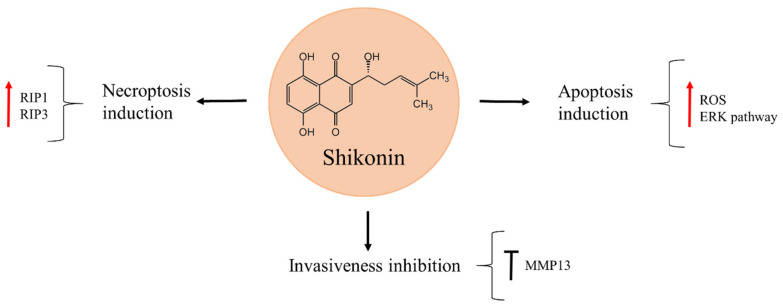
Osteosarcoma is one of the most common types of bone cancers among paediatric patients. Despite the advances made in surgery, chemo-, and radiotherapy, the mortality rate of metastatic osteosarcoma remains unchangeably high. The standard drug combination used to treat this bone cancer has remained the same for the last 20 years, and it produces many dangerous side effects. Through history, from ancient to modern times, nature has been a remarkable source of chemical diversity, used to alleviate human disease. The application of modern scientific technology to the study of natural products has identified many specific molecules with anti-cancer properties. This review describes the latest discovered anti-cancer compounds extracted from traditional medicinal plants, with a focus on osteosarcoma research, and on their cellular and molecular mechanisms of action. The presented compounds have proven to kill osteosarcoma cells by interfering with different pathways: apoptosis induction, stimulation of autophagy, generation of reactive oxygen species, etc. This wide variety of cellular targets confer natural products the potential to be used as chemotherapeutic drugs, and also the ability to act as sensitizers in drug combination treatments. The major hindrance for these molecules is low bioavailability. A problem that may be solved by chemical modification or nano-encapsulation.
骨肉瘤是儿童中最常见的骨癌类型之一。尽管在手术、化疗和放疗方面取得了进展,但转移性骨肉瘤的死亡率仍然居高不下。过去 20 年来,用于治疗这种骨癌的标准药物组合一直没有改变,而且会产生许多危险的副作用。纵观历史,从古代到现代,大自然一直是化学多样性的显著来源,被用来缓解人类疾病。将现代科学技术应用于天然产物的研究已经确定了许多具有抗癌特性的特定分子。本综述描述了从传统药用植物中提取的最新发现的抗癌化合物,重点介绍了骨肉瘤研究及其细胞和分子作用机制。已证明这些化合物通过干扰不同途径来杀死骨肉瘤细胞:诱导细胞凋亡、刺激自噬、产生活性氧等。这种广泛的细胞靶标使天然产物有可能用作化疗药物,并且还能够作为药物联合治疗中的增敏剂。这些分子的主要障碍是生物利用度低。这个问题可以通过化学修饰或纳米封装来解决。