Chaudhari Armi M, Joshi Madhvi, Kumar Dinesh, Patel Amrutlal, Lokhande Kiran Bharat, Krishnan Anandi, Hanack Katja, Filipek Slawomir, Liepmann Dorian, Renugopalakrishnan Venkatesan, Paulmurugan Ramasamy, Joshi Chaitanya
Gujarat Biotechnology Research Centre (GBRC), Department of Science and Technology, Government of Gujarat, Gandhinagar 382011, India.
Cellular Pathway Imaging Laboratory (CPIL), Department of Radiology, Stanford University School of Medicine, Palo Alto, CA 94304, United States.
Comput Struct Biotechnol J. 2022;20:4501-4516. doi: 10.1016/j.csbj.2022.08.010. Epub 2022 Aug 8.
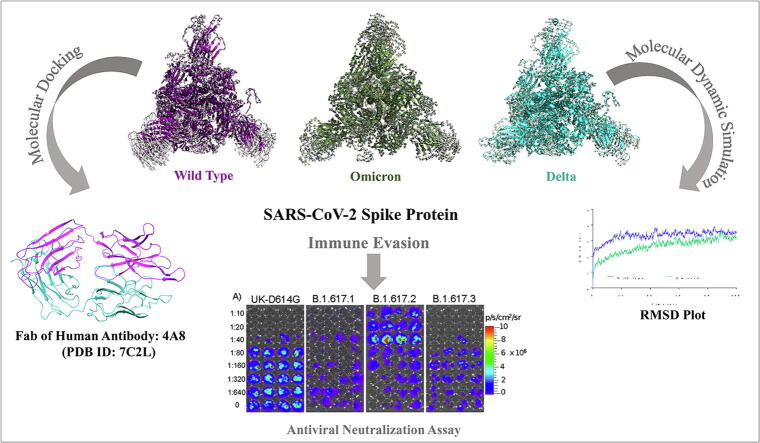
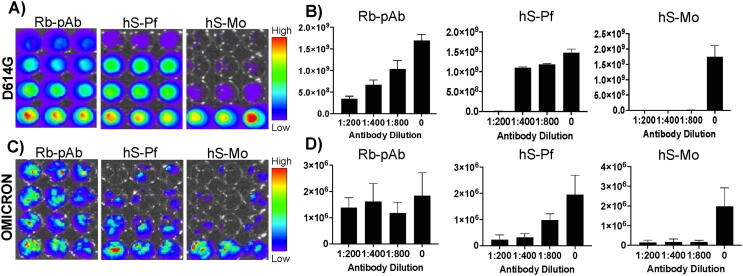
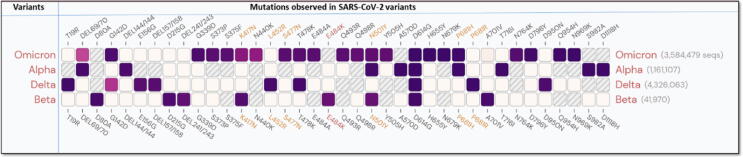
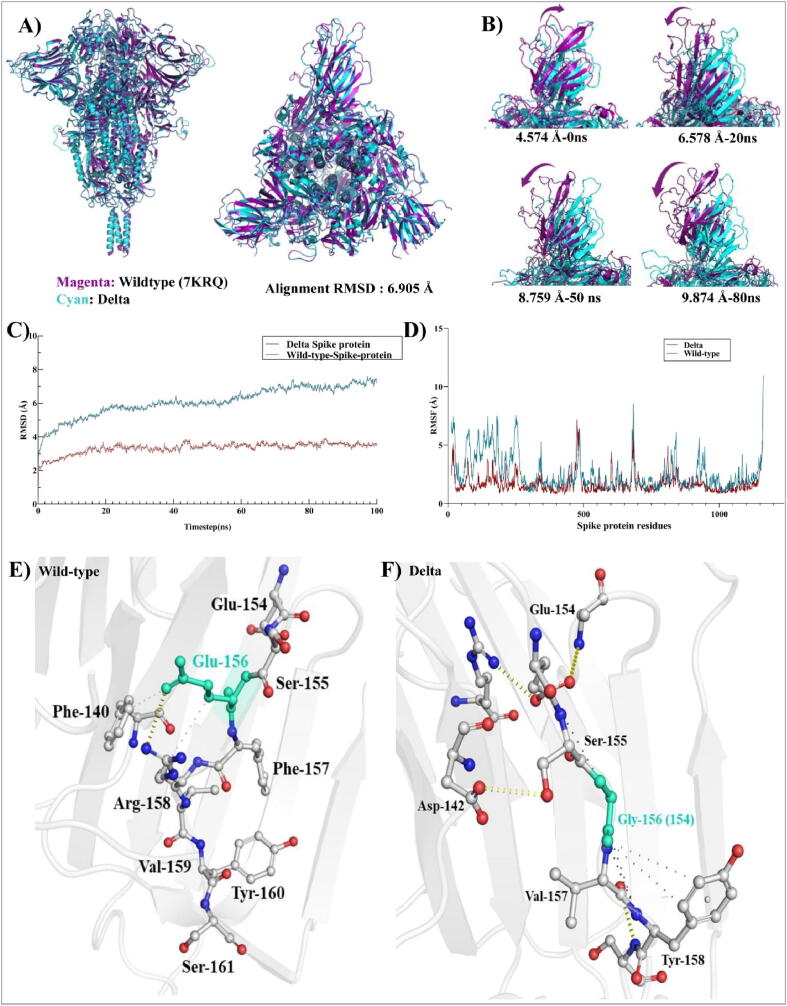
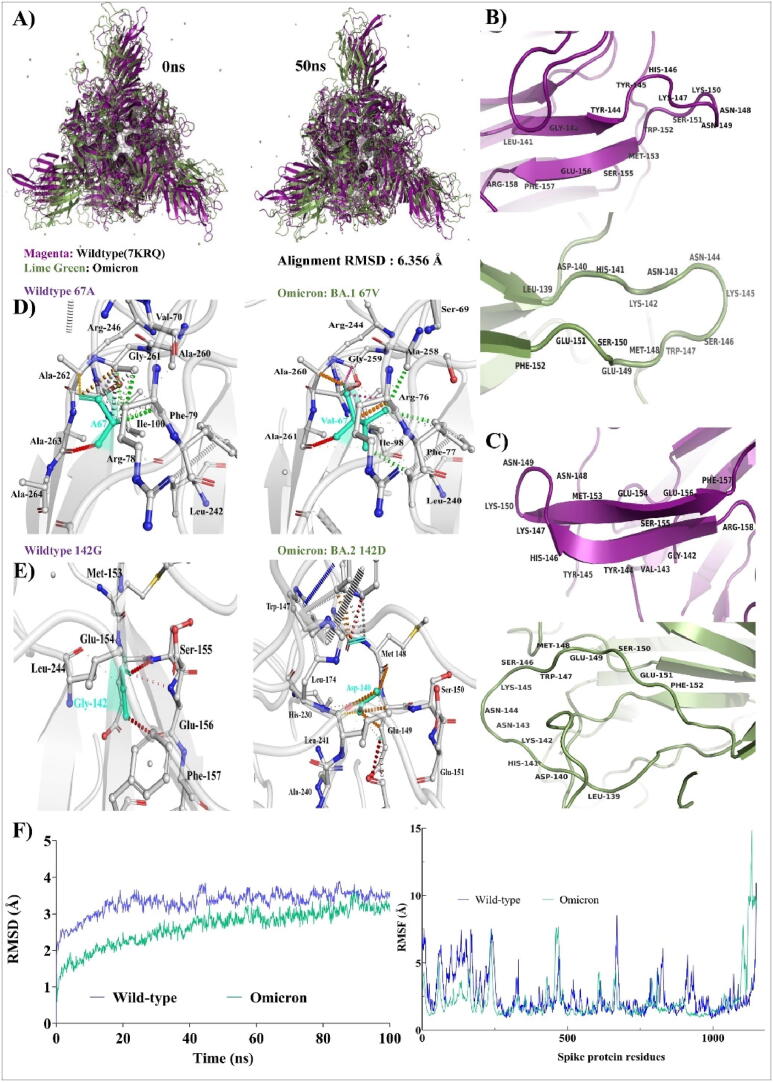
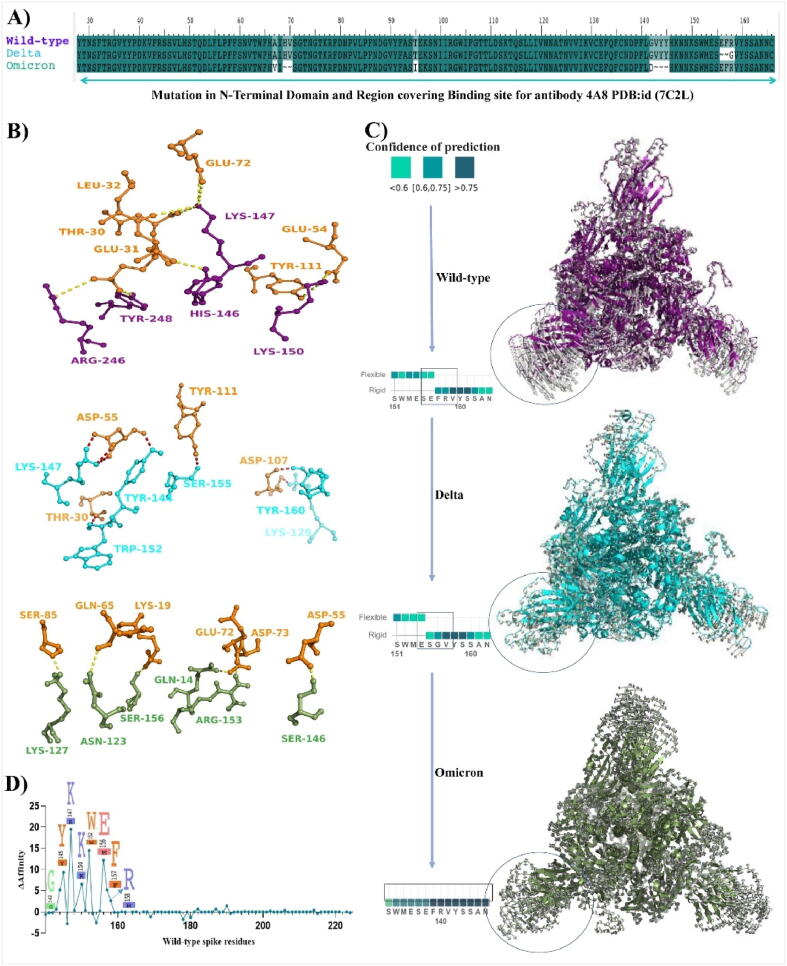
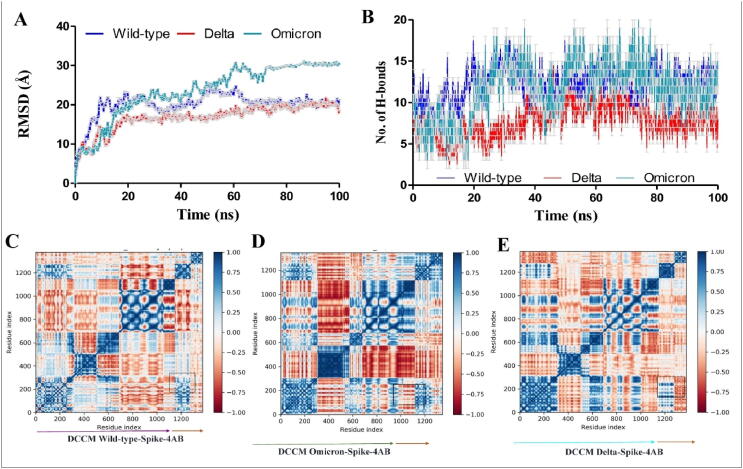
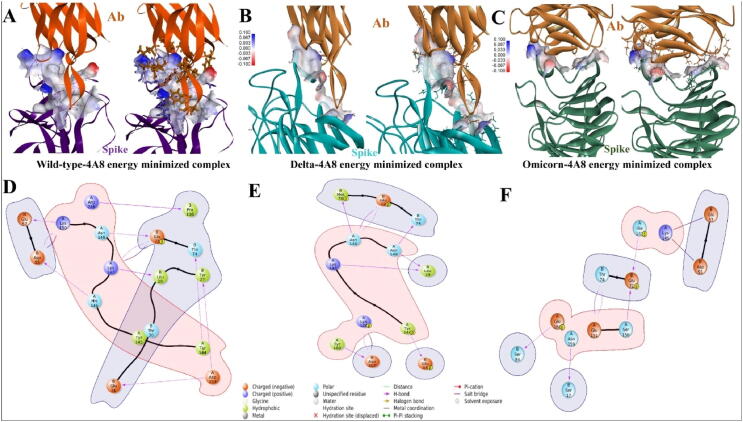
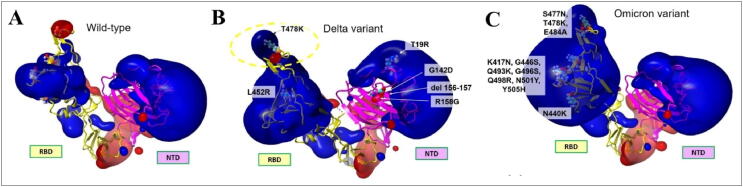
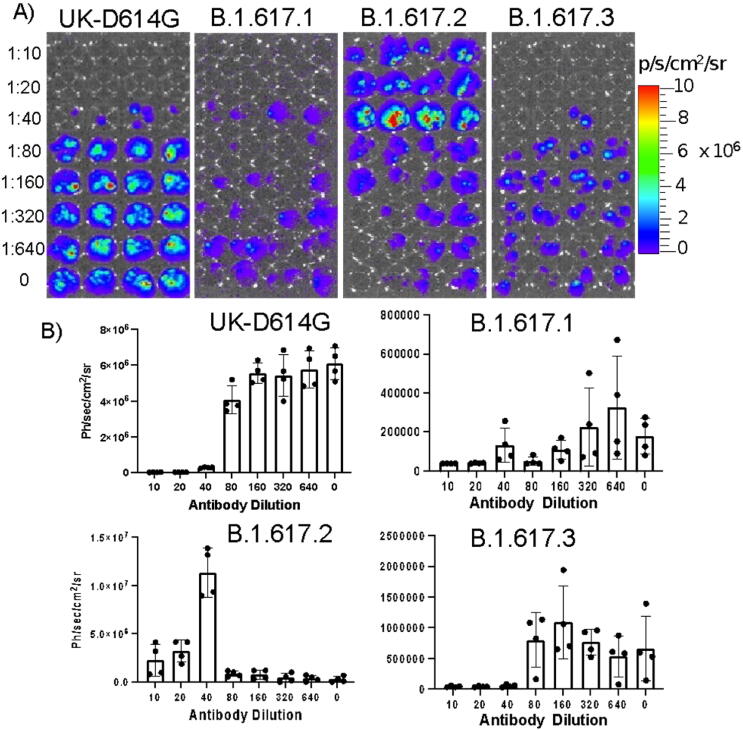
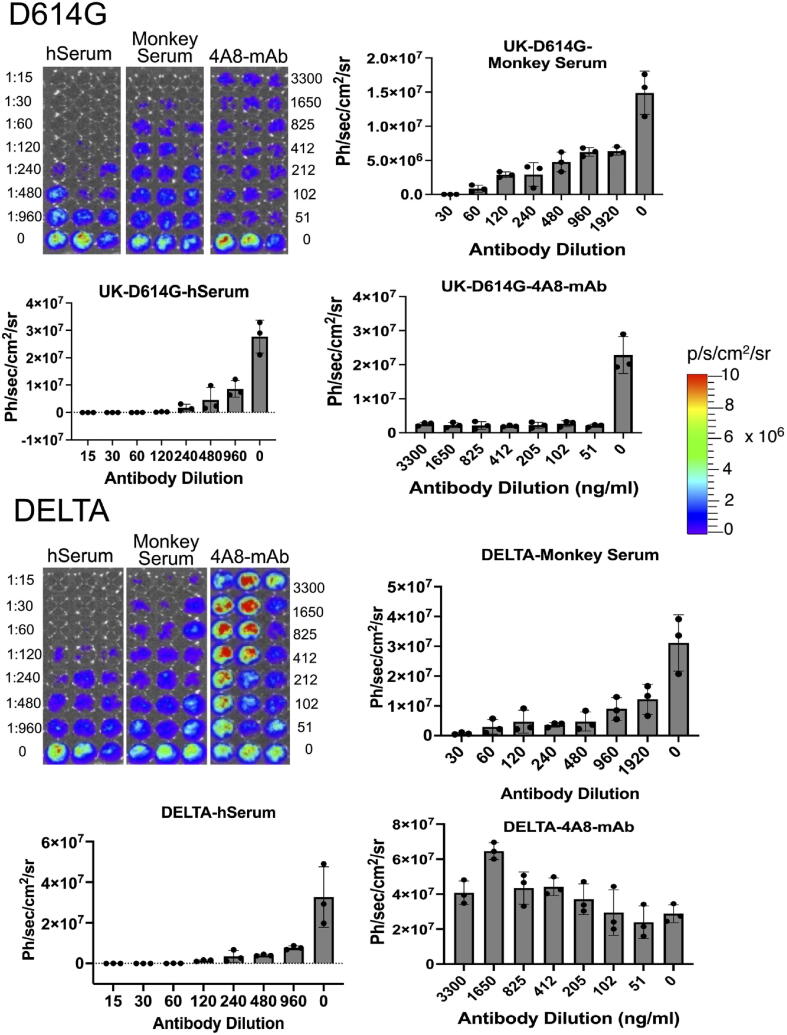
Emerging SARS-CoV-2 variants with higher transmissibility and immune escape remain a persistent threat across the globe. This is evident from the recent outbreaks of the Delta (B.1.617.2) and Omicron variants. These variants have originated from different continents and spread across the globe. In this study, we explored the genomic and structural basis of these variants for their lineage defining mutations of the spike protein through computational analysis, protein modeling, and molecular dynamic (MD) simulations. We further experimentally validated the importance of these deletion mutants for their immune escape using a pseudovirus-based neutralization assay, and an antibody (4A8) that binds directly to the spike protein's NTD. Delta variant with the deletion and mutations in the NTD revealed a better rigidity and reduced flexibility as compared to the wild-type spike protein (Wuhan isolate). Furthermore, computational studies of 4A8 monoclonal antibody (mAb) revealed a reduced binding of Delta variant compared to the wild-type strain. Similarly, the MD simulation data and virus neutralization assays revealed that the Omicron also exhibits immune escape, as antigenic beta-sheets appear to be disrupted. The results of the present study demonstrate the higher possibility of immune escape and thereby achieved better fitness advantages by the Delta and Omicron variants, which warrants further demonstrations through experimental evidences. Our study, based on computational modelling, simulations, and pseudovirus-based neutralization assay, highlighted and identified the probable mechanism through which the Delta and Omicron variants are more pathogenically evolved with higher transmissibility as compared to the wild-type strain.
具有更高传播性和免疫逃逸能力的新型严重急性呼吸综合征冠状病毒2(SARS-CoV-2)变种在全球范围内仍然是一个持续存在的威胁。最近德尔塔(B.1.617.2)和奥密克戎变种的爆发就证明了这一点。这些变种起源于不同大陆并在全球传播。在本研究中,我们通过计算分析、蛋白质建模和分子动力学(MD)模拟,探索了这些变种刺突蛋白的谱系定义突变的基因组和结构基础。我们还使用基于假病毒的中和试验以及直接结合刺突蛋白N端结构域(NTD)的抗体(4A8),通过实验验证了这些缺失突变体对于免疫逃逸的重要性。与野生型刺突蛋白(武汉分离株)相比,NTD有缺失和突变的德尔塔变种显示出更好 的刚性和更低的灵活性。此外,对4A8单克隆抗体(mAb)的计算研究表明,与野生型菌株相比,德尔塔变种的结合减少。同样,MD模拟数据和病毒中和试验表明,奥密克戎也表现出免疫逃逸,因为抗原性β折叠似乎被破坏。本研究结果表明,德尔塔和奥密克戎变种具有更高的免疫逃逸可能性,从而获得了更好的适应性优势,这需要通过实验证据进行进一步论证。我们基于计算建模、模拟和基于假病毒的中和试验的研究,突出并确定了德尔塔和奥密克戎变种与野生型菌株相比更具致病性进化且传播性更高的可能机制。