Department of Immunology, Institute of Translational Medicine, Medical College, Yangzhou University, Yangzhou, China.
Jiangsu Key Laboratory of Experimental & Translational Non-coding RNA Research, Yangzhou University, Yangzhou, China.
Front Immunol. 2022 Jul 29;13:928593. doi: 10.3389/fimmu.2022.928593. eCollection 2022.
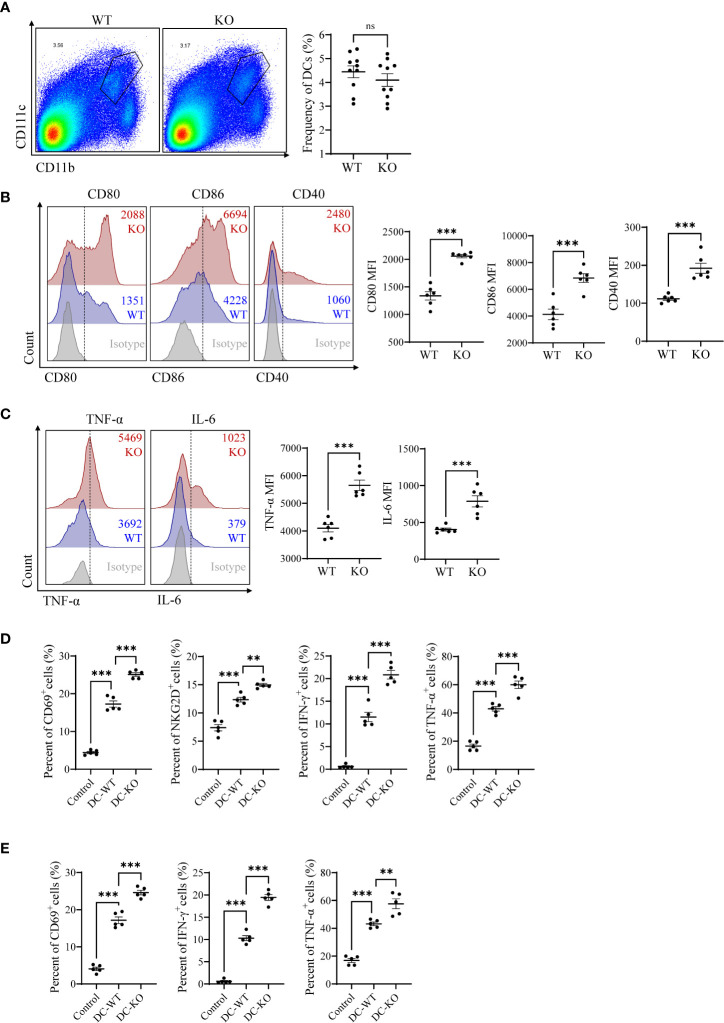
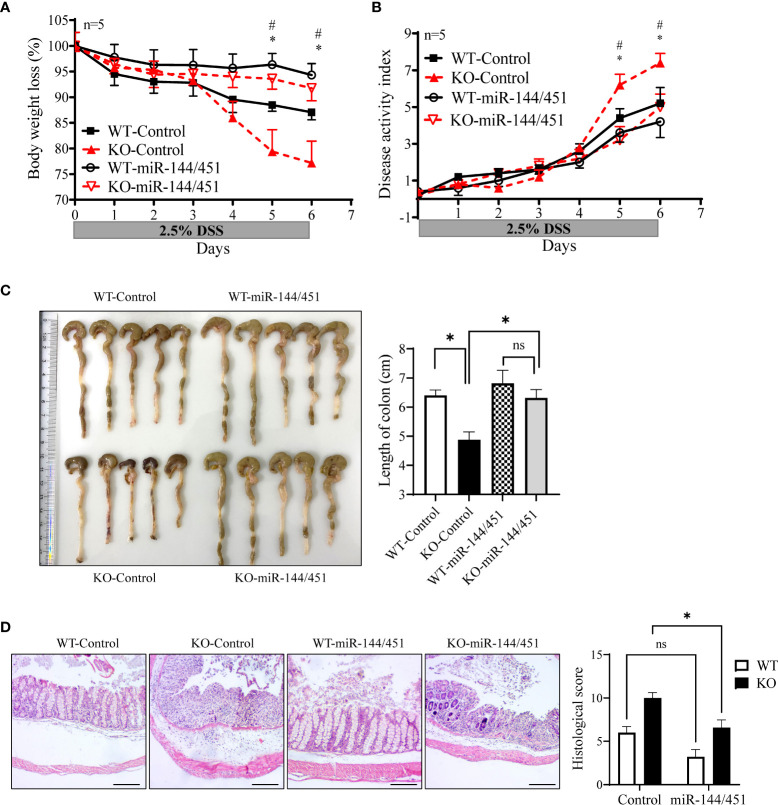
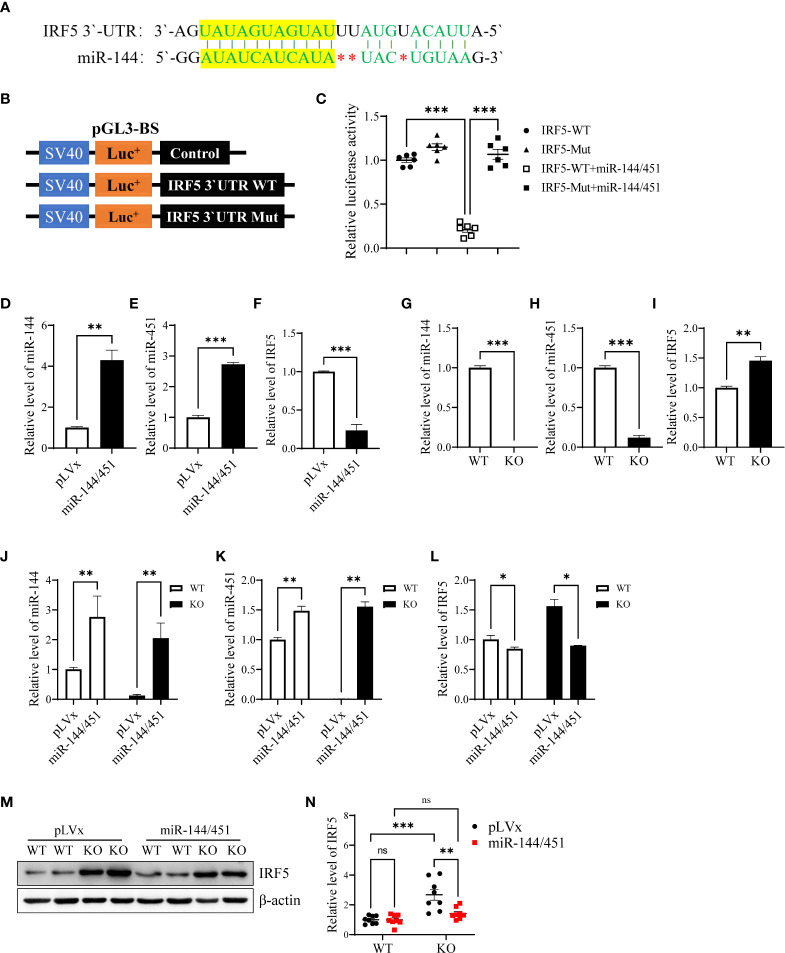
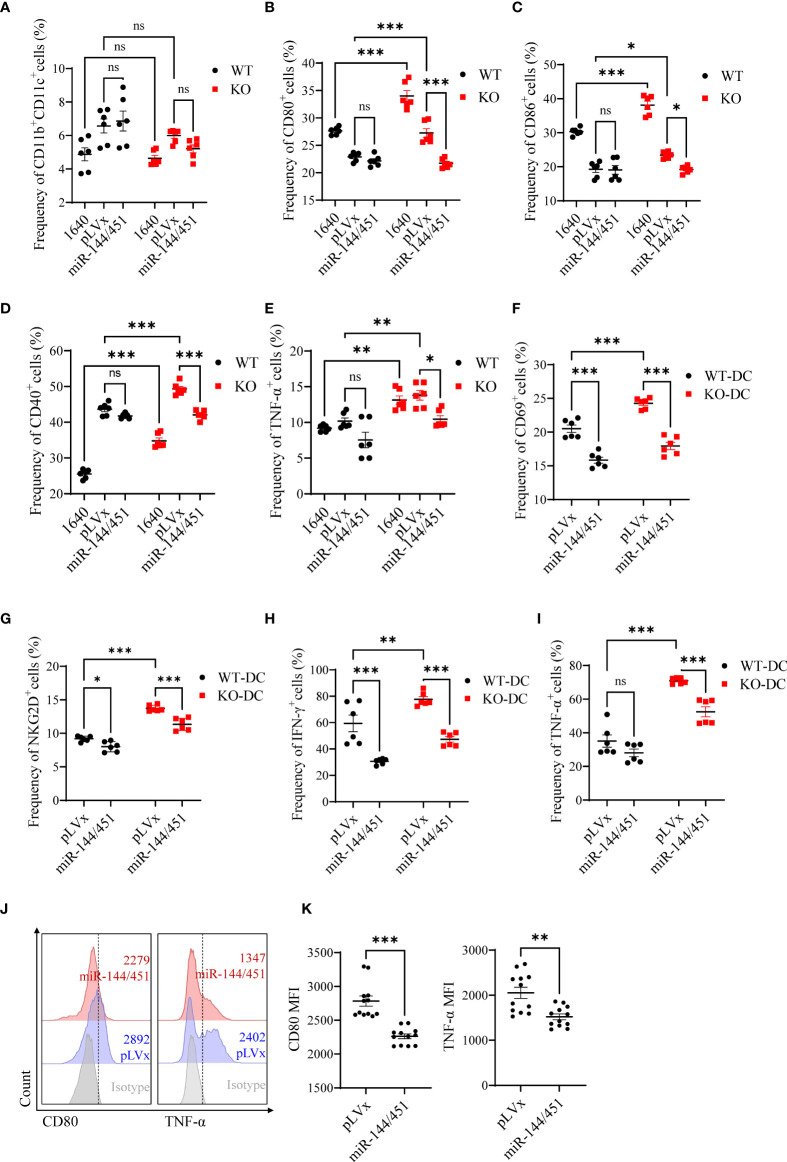
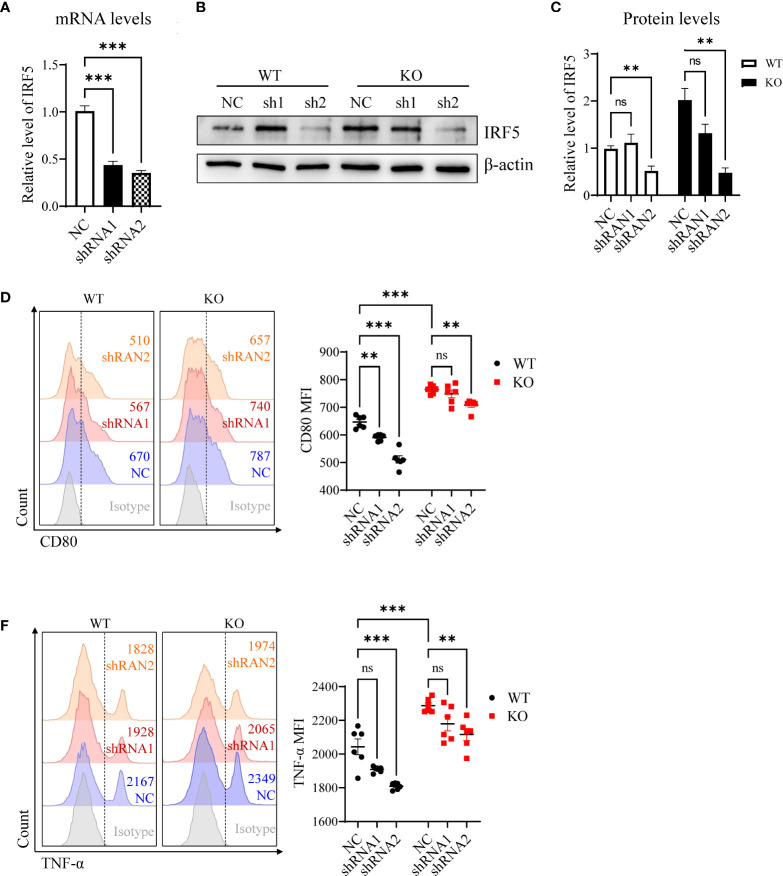
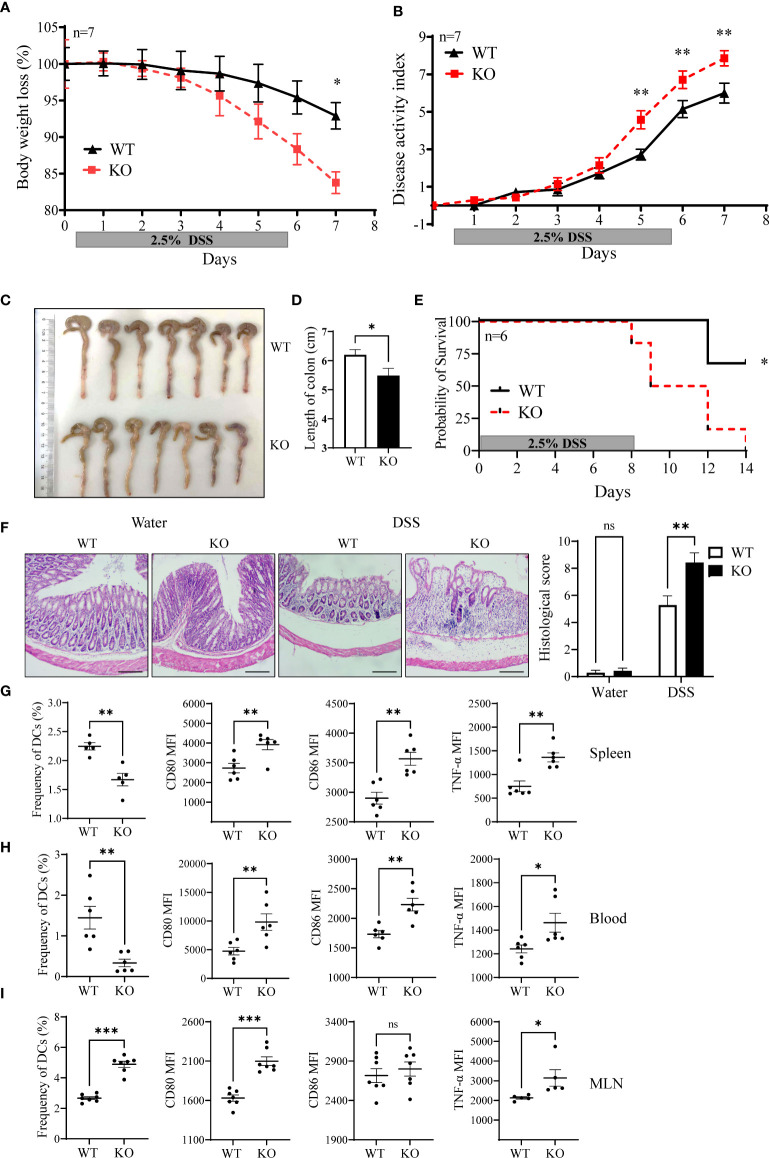
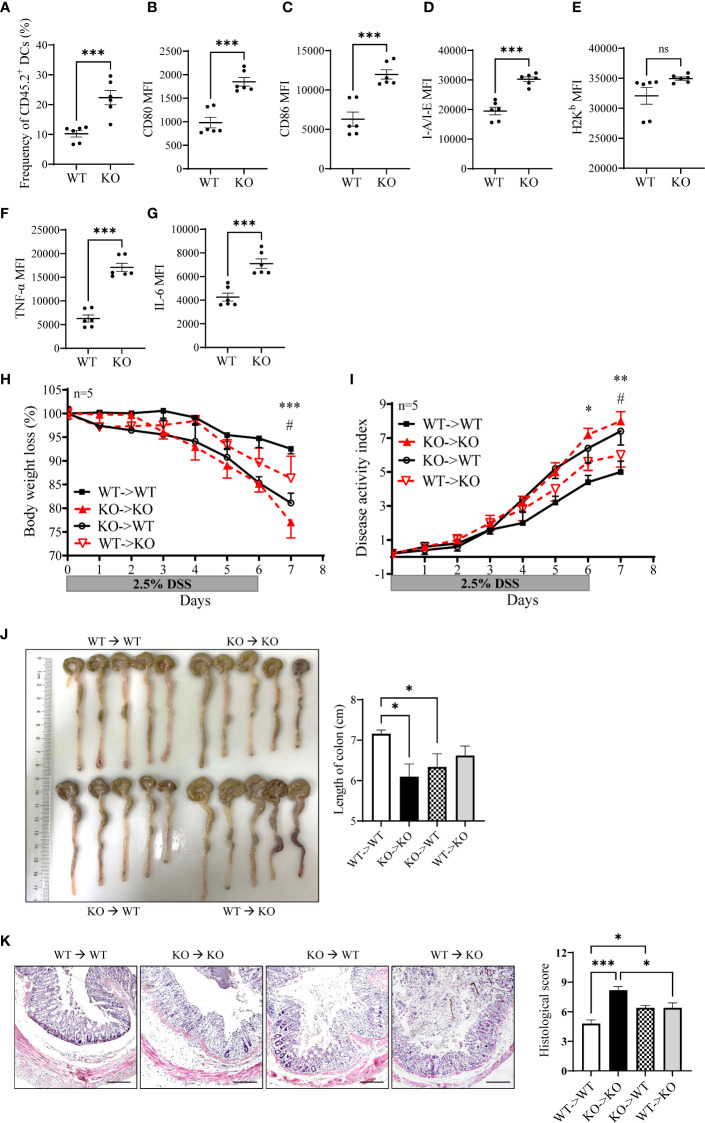
The microRNAs miR-144/451 are highly conserved miRNA that is strongly induced during erythropoiesis. Despite the biological functions of miR-144/451 have been extensively studied in erythropoiesis and tumorigenesis, few studies have been conducted in immune responses. In this study, we showed that miR-144/451 DCs exhibit increased activation. Mechanistically, the miR-144 directly targets the 3`-UTR of IRF5 and represses the expression of IRF5 in DCs. Ectopic expression of miR-144/451 by lentiviruses downregulates the levels of IRF5 and suppresses DCs function. In addition, knockdown of IRF5 by shRNA significantly inhibits activities of the miR-144/451 DCs. Expression of miR144/451 was decreased in DCs from both patients with IBD and mice with DSS-colitis compared with controls. Human PBMC derived DCs were downregulated expression of miR144/451 after LPS stimulation. In the DSS-induced colitis mice model, we showed that ablation of the miR-144/451 gene causes severe colitis, and their DCs from both periphery and MLN expressed higher co-stimulatory molecules and pro-inflammatory cytokines than wild-type mice. In addition, DCs isolated from miR-144/451 mice transfusion exacerbates mice colitis. In the bone marrow transplanted chimeric mice model, we show that miR-144/451 bone marrow transplantation deteriorated DSS-induced colitis. At last, we treat the mice with miR-144/451 delivered by chitosan nanoparticles revealing protective effects in DSS-induced colitis mice. Thus, our results reveal a novel miR144/451-IRF5 pathway in DCs that protects experimental colitis. The manipulation of miR-144/451 expression and DCs activation in IBD patients may be a novel therapeutic approach for the treatment of inflammatory diseases.
miR-144/451 是高度保守的 microRNA,在红细胞生成过程中强烈诱导。尽管 miR-144/451 在红细胞生成和肿瘤发生中的生物学功能已被广泛研究,但在免疫反应中进行的研究很少。在这项研究中,我们表明 miR-144/451 DC 表现出增强的激活。在机制上,miR-144 直接靶向 IRF5 的 3`-UTR 并抑制 DC 中 IRF5 的表达。慢病毒过表达 miR-144/451 下调 IRF5 水平并抑制 DC 功能。此外,shRNA 敲低 IRF5 可显著抑制 miR-144/451 DC 的活性。与对照组相比,IBD 患者和 DSS-结肠炎小鼠的 DC 中 miR144/451 的表达降低。人 PBMC 衍生的 DC 在 LPS 刺激后下调 miR144/451 的表达。在 DSS 诱导的结肠炎小鼠模型中,我们表明 miR-144/451 基因的缺失导致严重的结肠炎,其外周和 MLN 的 DC 表达更高的共刺激分子和促炎细胞因子比野生型小鼠。此外,从 miR-144/451 小鼠输注分离的 DC 加剧了小鼠结肠炎。在骨髓移植嵌合小鼠模型中,我们表明 miR-144/451 骨髓移植恶化了 DSS 诱导的结肠炎。最后,我们用壳聚糖纳米粒递送 miR-144/451 治疗小鼠,揭示了对 DSS 诱导的结肠炎小鼠的保护作用。因此,我们的结果揭示了 DC 中 miR144/451-IRF5 通路在保护实验性结肠炎中的新作用。在 IBD 患者中操纵 miR-144/451 表达和 DC 激活可能是治疗炎症性疾病的一种新的治疗方法。