Center for Environmental Medicine, Asthma and Lung Biology, School of Medicine, University of North Carolina, Chapel Hill, NC, USA.
Division of Allergy & Immunology, Department of Pediatrics, School of Medicine, University of North Carolina, Chapel Hill, NC, USA.
Inhal Toxicol. 2022;34(11-12):329-339. doi: 10.1080/08958378.2022.2110334. Epub 2022 Aug 15.
We are currently screening human volunteers to determine their sputum polymorphonuclear neutrophil (PMN) response 6- and 24-hours following initiation of exposure to wood smoke particles (WSP). Inflammatory responders (≥10% increase in %PMN) are identified for their subsequent participation in mitigation studies against WSP-induced airways inflammation. In this report we compared responder status (<i>N</i> = 52) at both 6 and 24 hr time points to refine/expand its classification, assessed the impact of the GSTM1 genotype, asthma status and sex on responder status, and explored whether sputum soluble phase markers of inflammation correlate with PMN responsiveness to WSP.
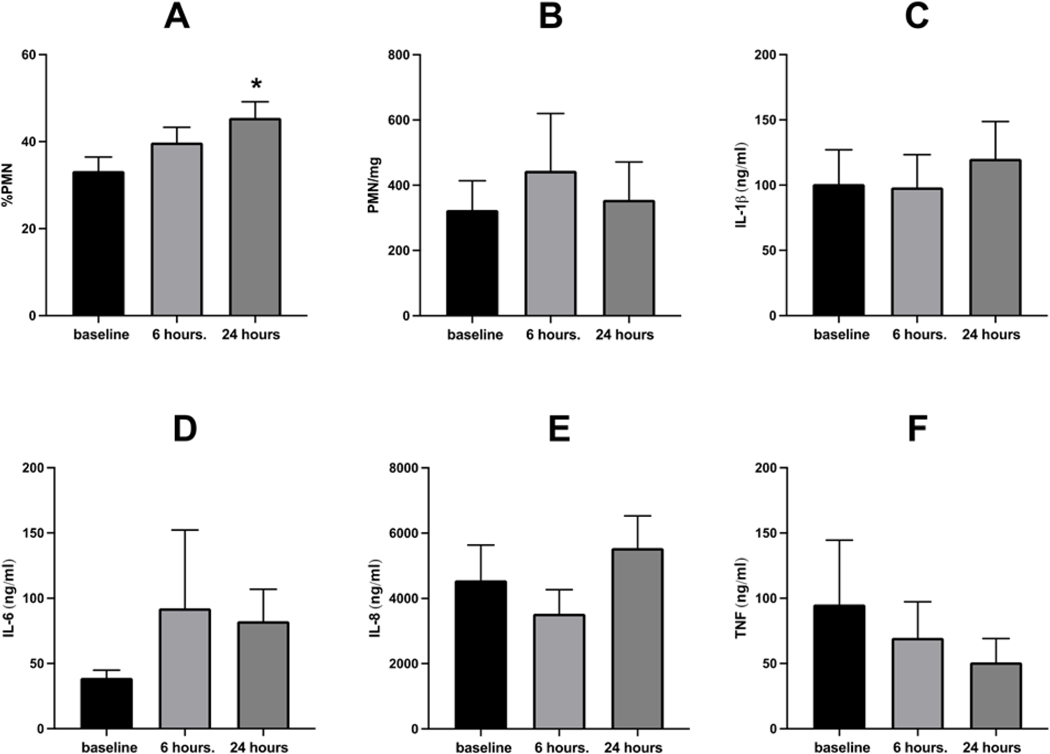
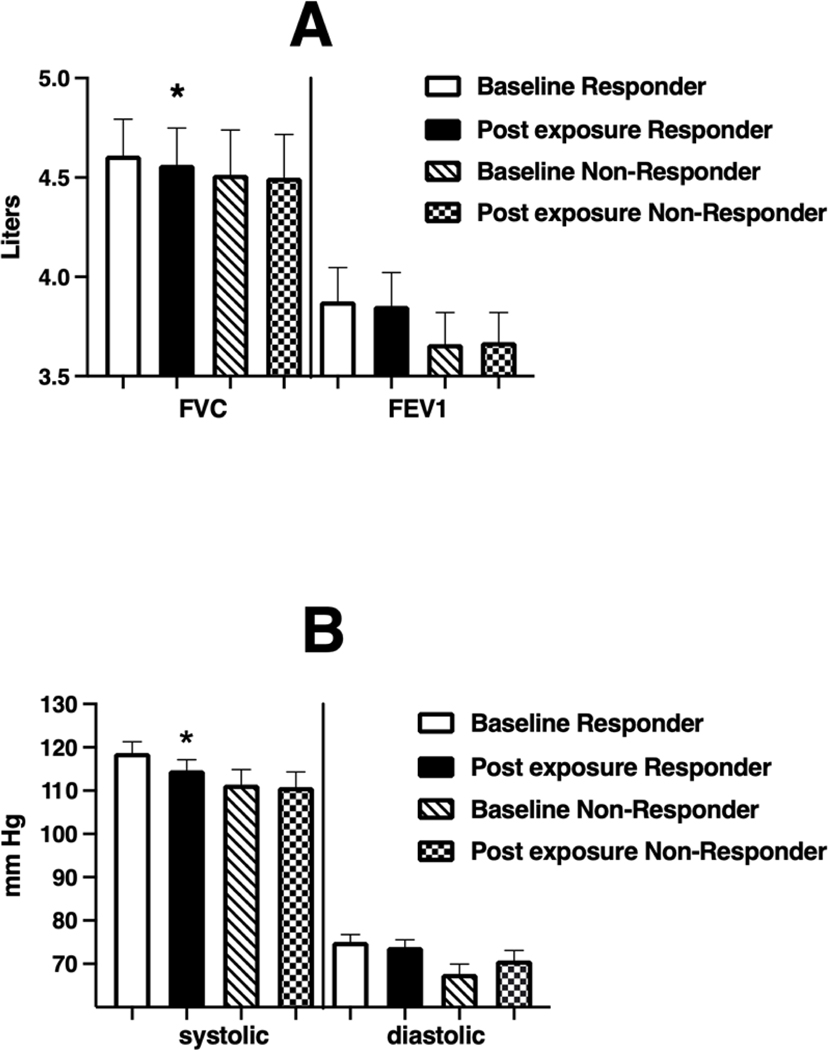
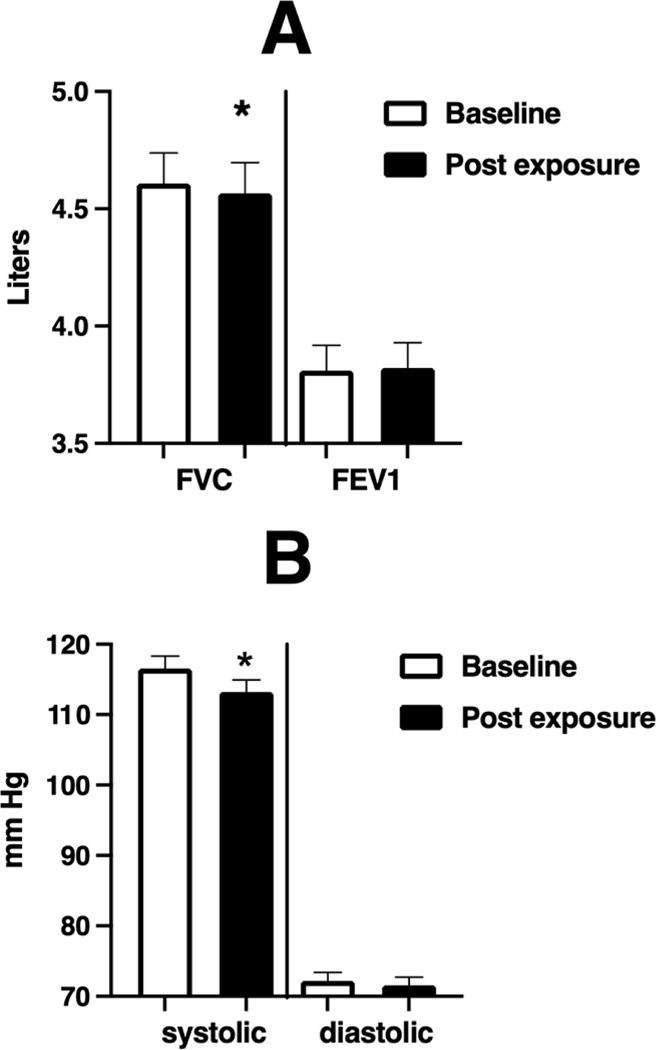
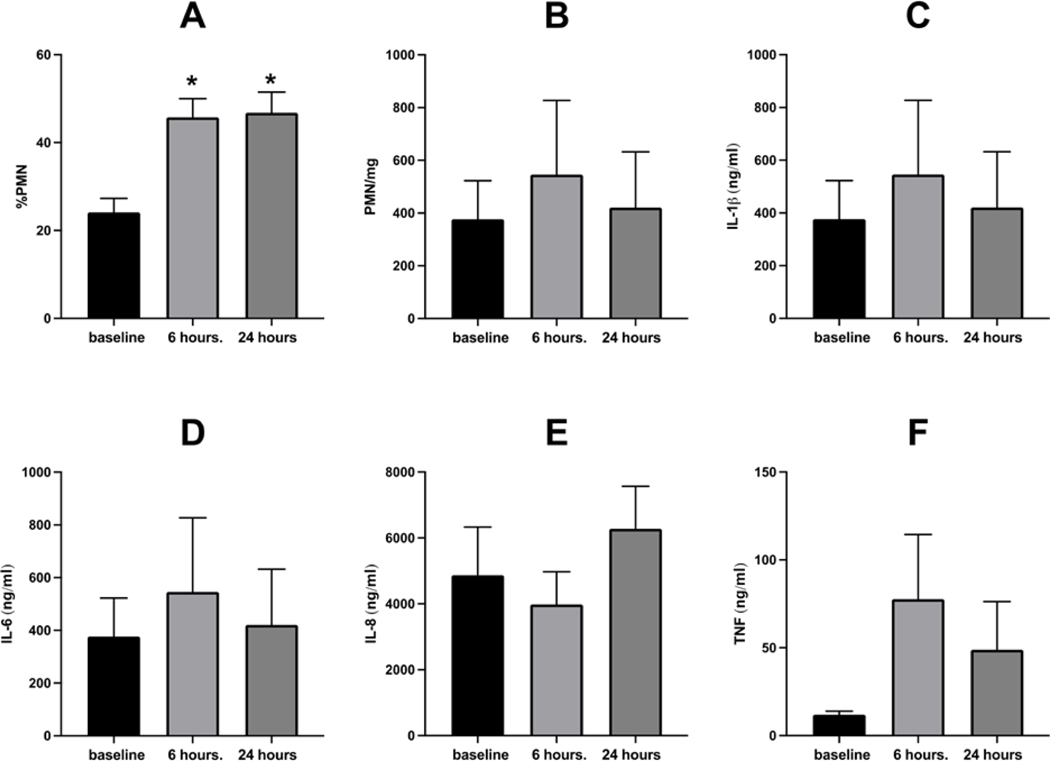
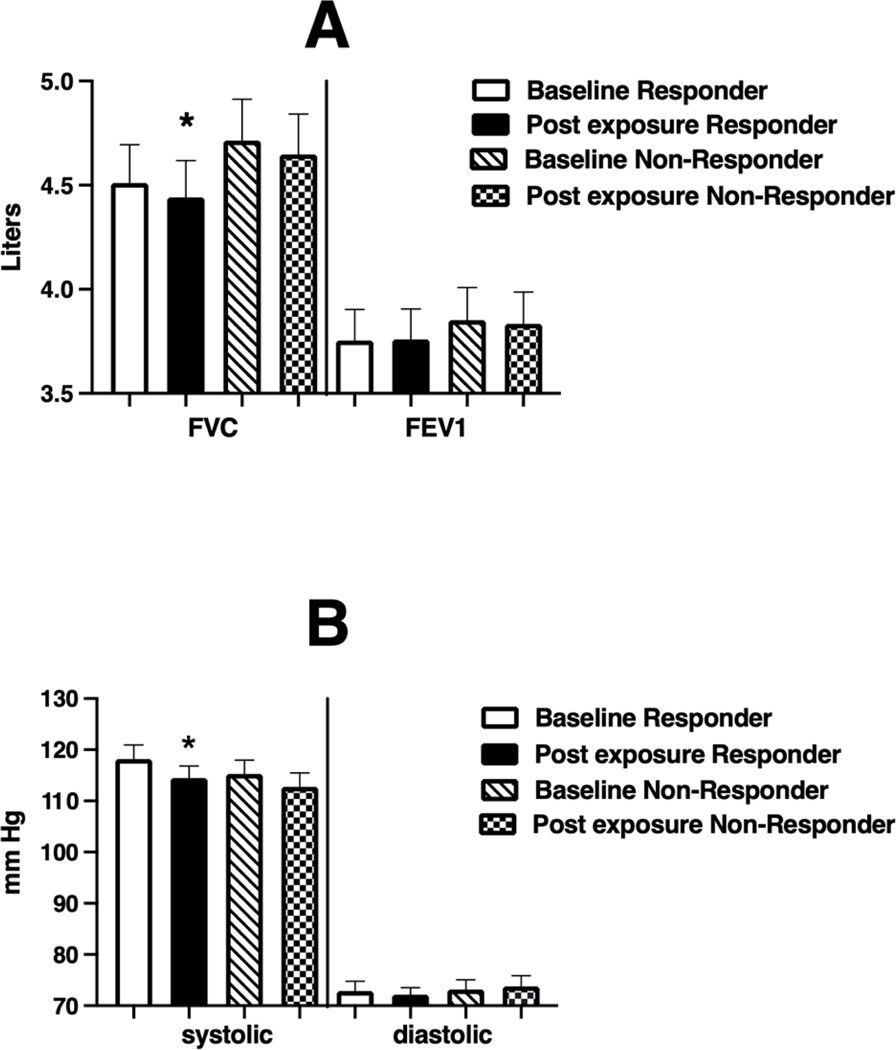
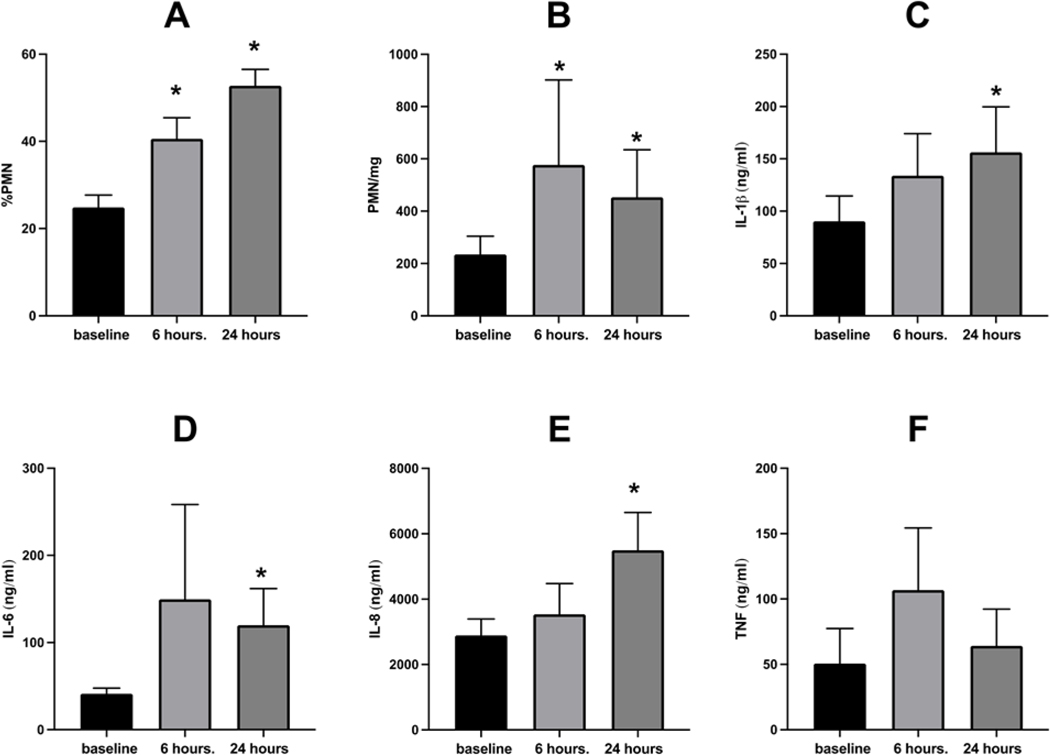
Six-hour responders tended to be 24-hour responders and vice versa, but 24-hour responders also had significantly increased IL-1beta, IL-6, IL-8 at 24 hours post WSP exposure. The GSTM1 null genotype significantly (<i>p</i> < 0.05) enhanced the %PMN response by 24% in the 24-hour responders and not at all in the 6 hours responders. Asthma status enhanced the 24 hour %PMN response in the 6- and 24-hour responders. In the entire cohort (not stratified by responder status), we found a significant, but very small decrease in FVC and systolic blood pressure immediately following WSP exposure and sputum %PMNs were significantly increased and associated with sputum inflammatory markers (IL-1beta, IL-6, IL-8, and PMN/mg) at 24 but not 6 hours post exposure. Blood endpoints in the entire cohort showed a significant increase in %PMN and PMN/mg at 6 but not 24 hours. Sex had no effect on %PMN response.
The 24-hour time point was more informative than the 6-hour time point in optimally and expansively defining airway inflammatory responsiveness to WSP exposure. GSTM1 and asthma status are significant effect modifiers of this response. These study design and subject parameters should be considered before enrolling volunteers for proof-of-concept WSP mitigation studies.
我们目前正在筛选人类志愿者,以确定他们在接触木烟颗粒(WSP)后 6 小时和 24 小时痰液多形核中性粒细胞(PMN)的反应。对炎症反应者(PMN%增加≥10%)进行鉴定,以便随后参与针对 WSP 诱导的气道炎症的缓解研究。在本报告中,我们比较了 6 小时和 24 小时时的反应者状态(<i>N</i>=52),以细化/扩展其分类,评估 GSTM1 基因型、哮喘状态和性别对反应者状态的影响,并探讨痰可溶性炎症标志物是否与 WSP 诱导的 PMN 反应性相关。
6 小时反应者倾向于成为 24 小时反应者,反之亦然,但 24 小时反应者在 WSP 暴露后 24 小时时,IL-1beta、IL-6、IL-8 也显著增加。GSTM1 无效基因型使 24 小时反应者的 PMN%反应显著增强(<i>p</i><0.05),而对 6 小时反应者没有影响。哮喘状态增强了 6 小时和 24 小时反应者的 24 小时 PMN%反应。在整个队列(未按反应者状态分层)中,我们发现 FVC 和收缩压在 WSP 暴露后立即显著下降,但非常小,痰 PMN%显著增加,并与痰炎症标志物(IL-1beta、IL-6、IL-8 和 PMN/mg)在 24 小时而不是 6 小时时相关。整个队列的血液终点在 6 小时时 PMN%和 PMN/mg 显著增加,但在 24 小时时没有增加。性别对 PMN%反应无影响。
24 小时时间点比 6 小时时间点更能优化和广泛地定义对 WSP 暴露的气道炎症反应性。GSTM1 和哮喘状态是这种反应的重要效应修饰因子。在招募志愿者进行概念验证的 WSP 缓解研究之前,应考虑这些研究设计和受试者参数。