Department of Laboratory Medicine, West China Hospital, Sichuan University, Chengdu, China.
BMC Microbiol. 2022 Aug 16;22(1):198. doi: 10.1186/s12866-022-02612-z.
Acinetobacter baumannii has emerged as the major opportunistic pathogen in healthcare-associated infections with high-level antibiotic resistance and high mortality. Quorum sensing (QS) system is a cell-to-cell bacterial communication mediated by the synthesis, secretion, and binding of auto-inducer signals. It is a global regulatory system to coordinate the behavior of individual bacteria in a population. The present study focused on the QS system, aiming to investigate the regulatory role of QS in bacterial virulence and antibiotic resistance.
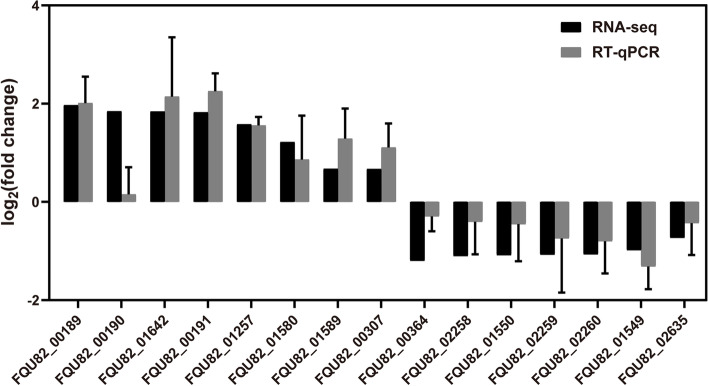
The auto-inducer synthase gene abaI was deleted using the A. baumannii ATCC 19606 strain to interrupt the QS process. The RNA-seq was performed to identify the differentially expressed genes (DEGs) and pathways in the mutant (△abaI) strain compared with the wild-type (WT) strain.
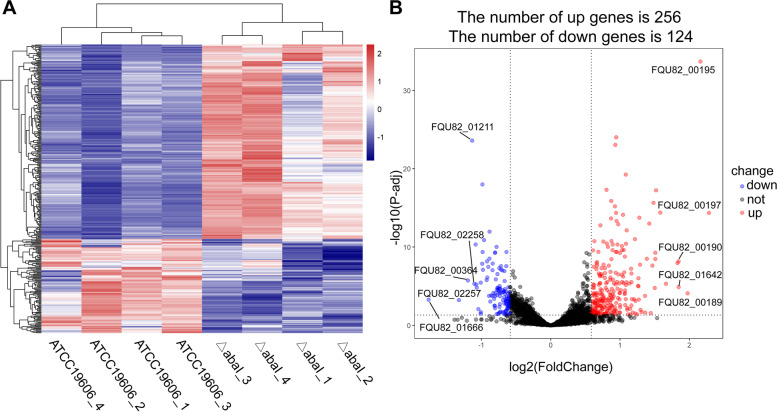
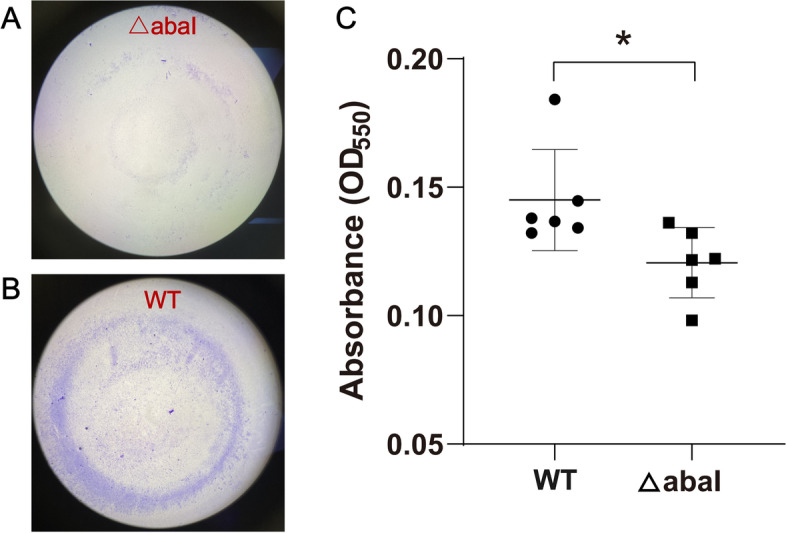
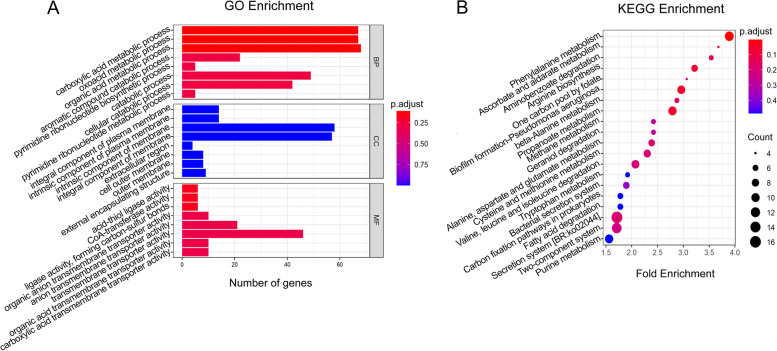
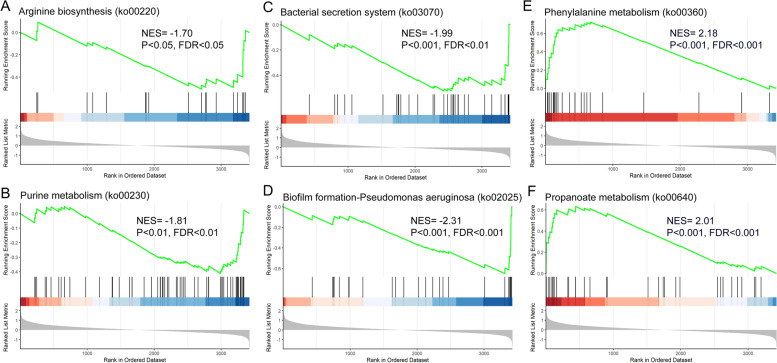
A total of 380 DEGs [the adjusted P value < 0.05 and the absolute value of log(fold change) > log1.5] were identified, including 256 upregulated genes and 124 downregulated genes in the △abaI strain. The enrichment analysis indicated that the DEGs involved in arginine biosynthesis, purine metabolism, biofilm formation, and type VI secretion system (T6SS) were downregulated, while the DEGs involved in pathways related to fatty acid metabolism and amino acid metabolism were upregulated. Consistent with the expression change of the DEGs, a decrease in biofilm formation was observed in the △abaI strain compared with the WT strain. On the contrary, no obvious changes were found in antimicrobial resistance following the deletion of abaI.
The present study demonstrated the transcriptomic profile of A. baumannii after the deletion of abaI, revealing an important regulatory role of the QS system in bacterial virulence. The deletion of abaI suppressed the biofilm formation in A. baumannii ATCC 19606, leading to decreased pathogenicity. Further studies on the role of abaR, encoding the receptor of auto-inducer in the QS circuit, are required for a better understanding of the regulation of bacterial virulence and pathogenicity in the QS network.
鲍曼不动杆菌已成为与高水平抗生素耐药性和高死亡率相关的医疗相关感染的主要机会性病原体。群体感应(QS)系统是一种由自动诱导物信号的合成、分泌和结合介导的细菌细胞间通讯。它是一种全球调控系统,用于协调群体中单个细菌的行为。本研究侧重于 QS 系统,旨在研究 QS 在细菌毒力和抗生素耐药性中的调节作用。
使用鲍曼不动杆菌 ATCC 19606 株缺失自动诱导物合成酶基因 abaI 来中断 QS 过程。进行 RNA-seq 以鉴定突变(△abaI)株与野生型(WT)株相比差异表达的基因(DEGs)和途径。
鉴定出总共 380 个 DEGs[调整后的 P 值<0.05 和 log(fold change)的绝对值>log1.5],包括△abaI 株中 256 个上调基因和 124 个下调基因。富集分析表明,DEGs 涉及精氨酸生物合成、嘌呤代谢、生物膜形成和 VI 型分泌系统(T6SS)下调,而涉及脂肪酸代谢和氨基酸代谢途径的 DEGs上调。与 DEGs 的表达变化一致,与 WT 株相比,△abaI 株的生物膜形成减少。相反,在缺失 abaI 后,抗菌药物耐药性没有明显变化。
本研究显示了缺失 abaI 后鲍曼不动杆菌的转录组图谱,揭示了 QS 系统在细菌毒力中的重要调节作用。缺失 abaI 抑制了鲍曼不动杆菌 ATCC 19606 的生物膜形成,导致致病性降低。需要进一步研究 QS 回路中自动诱导物受体 abaR 的作用,以更好地了解 QS 网络中细菌毒力和致病性的调节。