Department of Clinical and Health Psychology, School of Health in Social Science, University of Edinburgh, Teviot Place, Edinburgh EH8 9AG, UK.
Department of Clinical and Health Psychology, School of Health in Social Science, University of Edinburgh, Teviot Place, Edinburgh EH8 9AG, UK.
Explore (NY). 2023 May-Jun;19(3):405-416. doi: 10.1016/j.explore.2022.08.004. Epub 2022 Aug 11.
The aim of this project was to conduct a randomised control study to examine whether outdoor mindful walking in nature can effectively improve university students' sleep quality, mood, and mindfulness during the Covid-19 pandemic in the U.K.
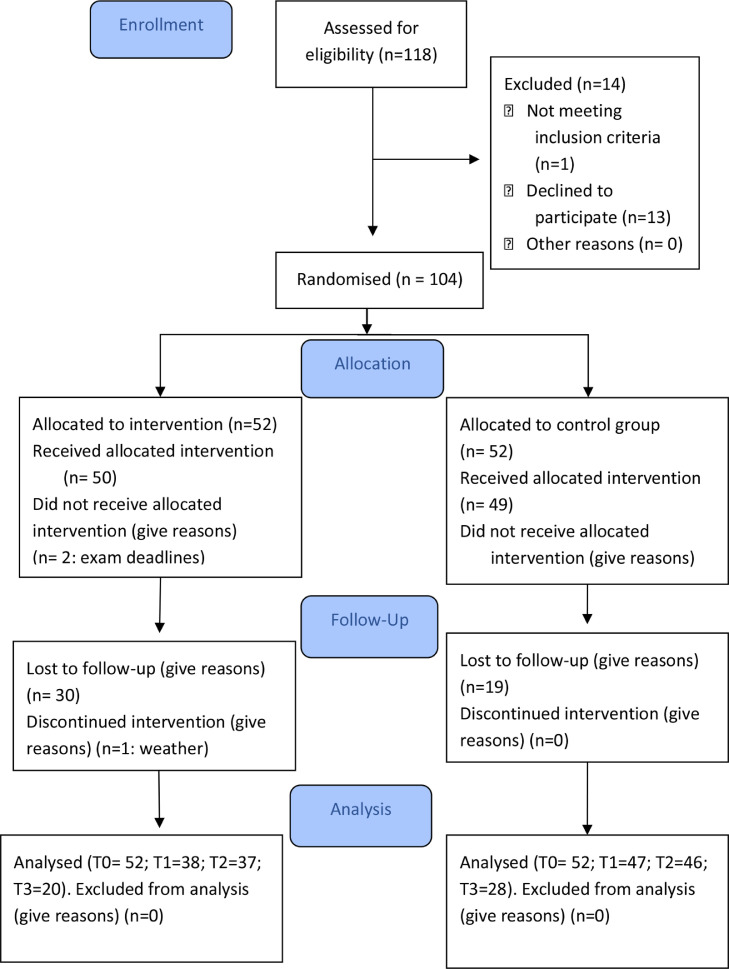
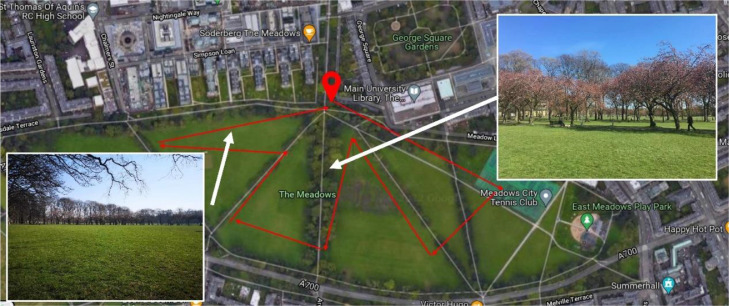
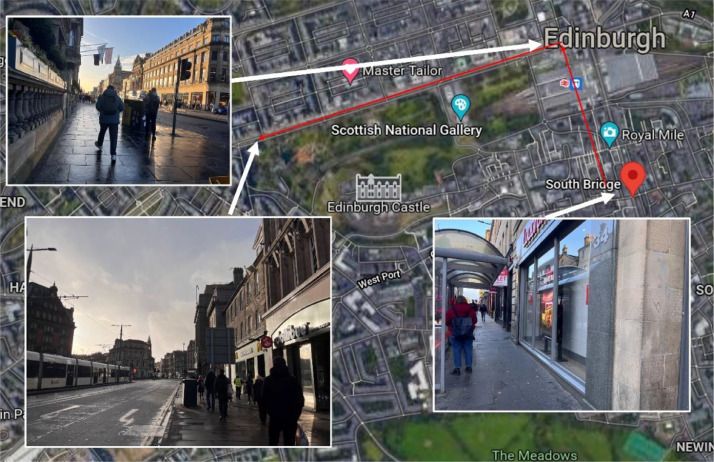
Participants were measured at T (pre-study baseline), T (pre-intervention), T (post-intervention), and T (follow-up). A total of 104 participants (female = 94) who were experiencing sleep difficulties were randomly allocated to either an experimental (i.e., nature) or control (i.e., urban) walking environment. Participants in each walking condition independently undertook a daily 35-minute walk for a week (7 days). Subjective sleep quality, total mood disturbance, mindfulness, and degree of nature connectedness, and participants' perspectives on the intervention, were collected.
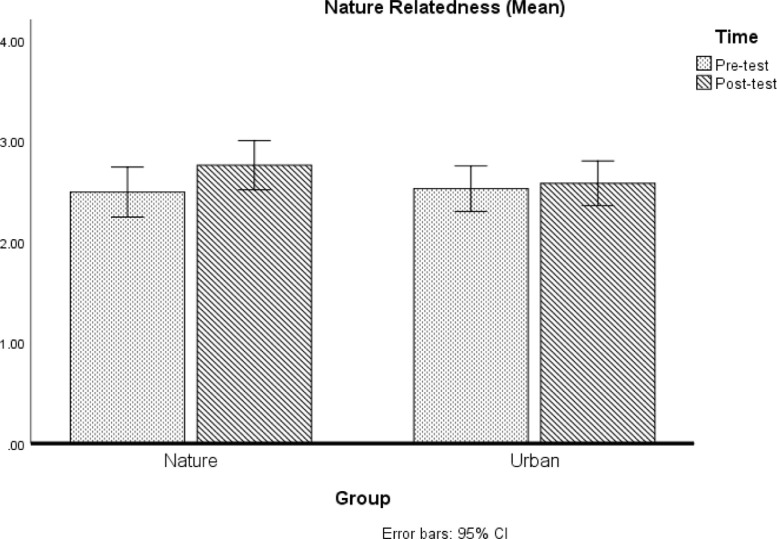
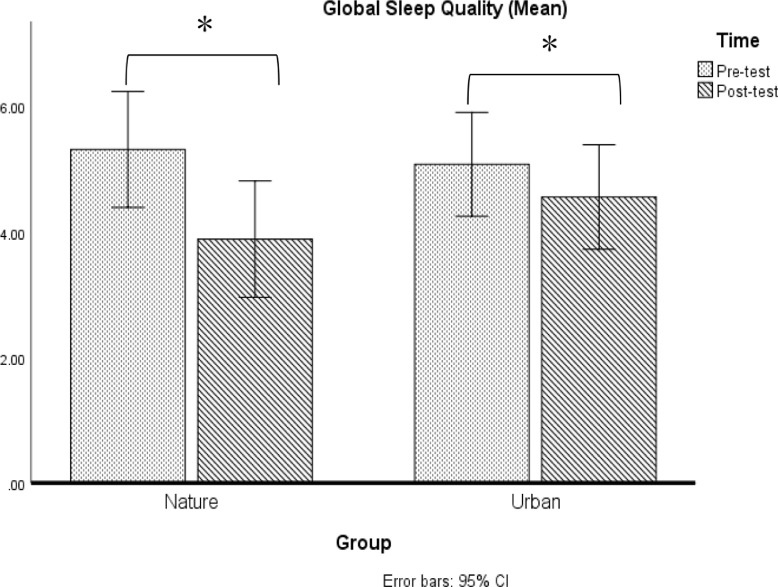
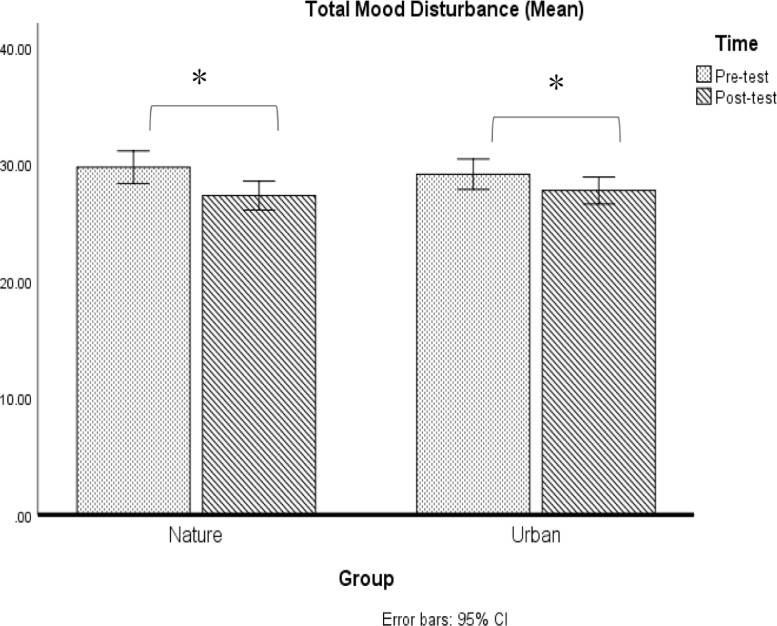
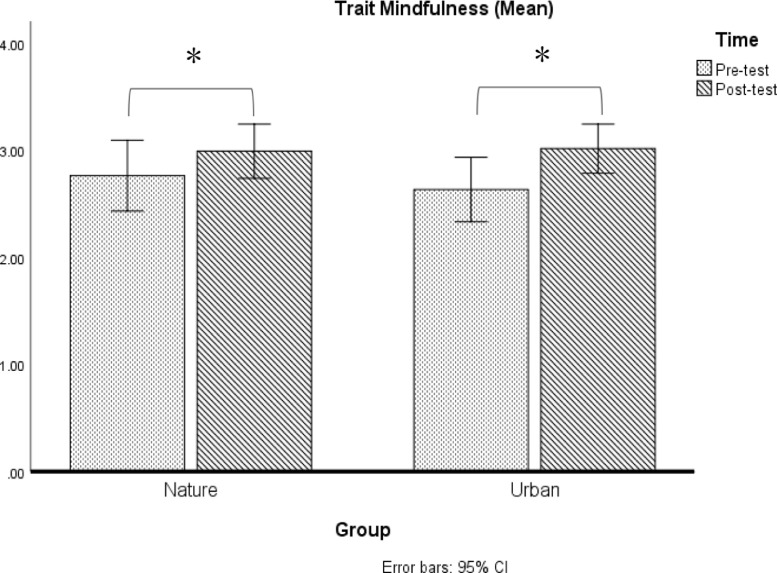
Findings suggest that both groups resulted in significant improvements in participants' trait mindfulness, sleep quality and mood after the intervention. However, mindful walking in nature did not bring additional mental health benefits to participants relative to those who walked an urban environment. Participants provided their perspectives about the intervention, which will assist with future intervention development.
Findings contribute to the evidence-base on the effectiveness of outdoor mindful walking interventions for enhancing mental health. These findings contribute new knowledge on how mindful walking outdoors reduces university students' mood disturbances and improves sleep quality and mindfulness level.
本研究旨在开展一项随机对照试验,以检验在英国新冠疫情期间,户外正念散步是否能有效改善大学生的睡眠质量、情绪和正念水平。
参与者在 T 期(研究前基线)、T 期(干预前)、T 期(干预后)和 T 期(随访)接受测量。共有 104 名(女性 94 名)存在睡眠困难的参与者被随机分配到实验组(即自然环境)或对照组(即城市环境)进行散步。在每个散步条件下,参与者独立进行为期一周(7 天)的每日 35 分钟散步。收集了主观睡眠质量、总情绪干扰、正念水平和与自然的连接程度,以及参与者对干预的看法。
研究结果表明,干预后两组参与者的特质正念、睡眠质量和情绪均有显著改善。然而,与在城市环境中散步相比,在自然环境中进行正念散步并没有给参与者带来额外的心理健康益处。参与者提供了他们对干预的看法,这将有助于未来干预措施的发展。
研究结果为户外正念散步干预措施在改善心理健康方面的有效性提供了证据支持。这些发现提供了新的知识,即户外正念散步如何减轻大学生的情绪困扰,提高睡眠质量和正念水平。