Kumar Akshi, Aggarwal Nipun, Kumar Sanjay
Department of Computing and Mathematics, Faculty of Science and Engineering, Manchester Metropolitan University, Manchester, United Kingdom.
Department of Computer Science and Engineering, Delhi Technological University, New Delhi, 110042 India.
Soft comput. 2023;27(7):4307-4320. doi: 10.1007/s00500-022-07397-x. Epub 2022 Aug 12.
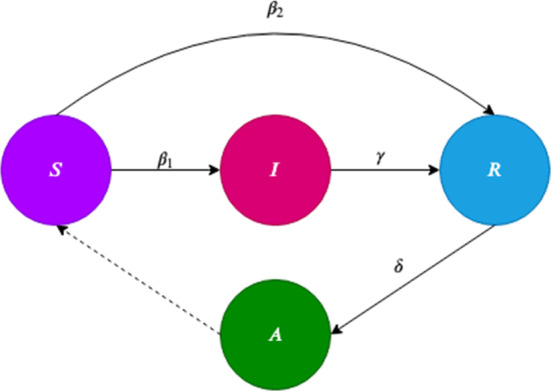
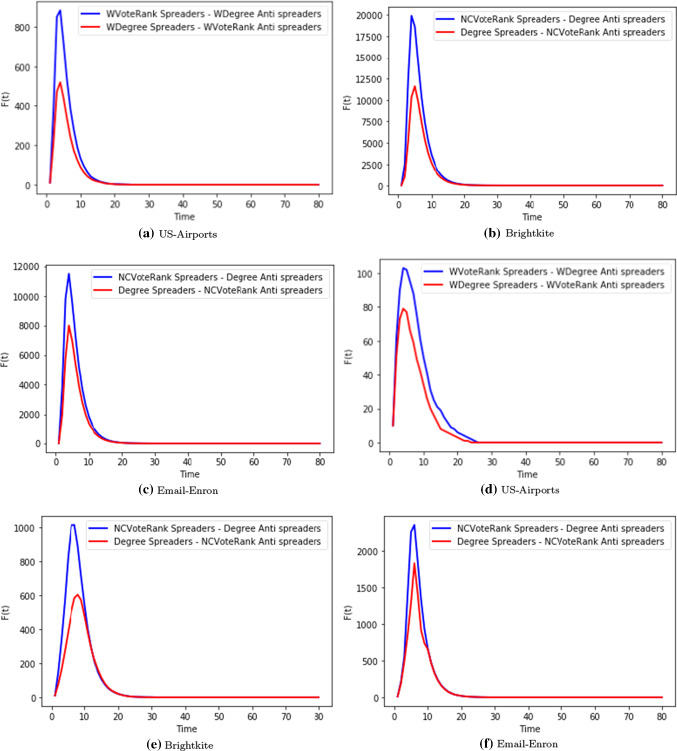
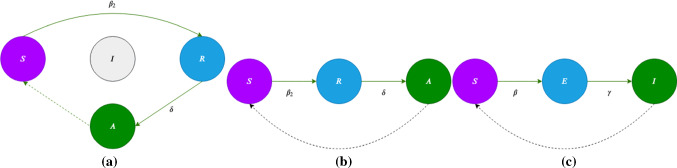
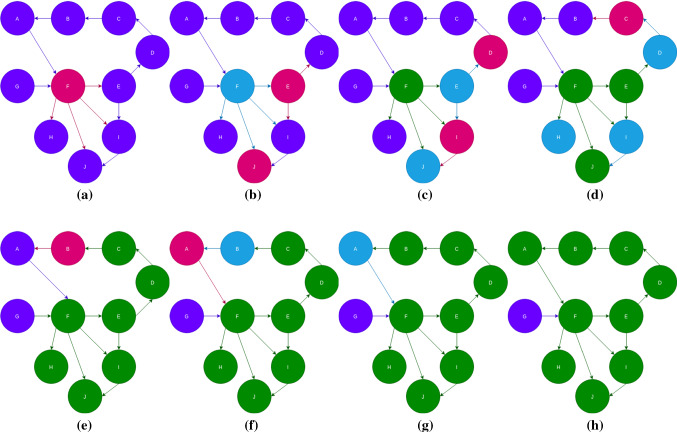
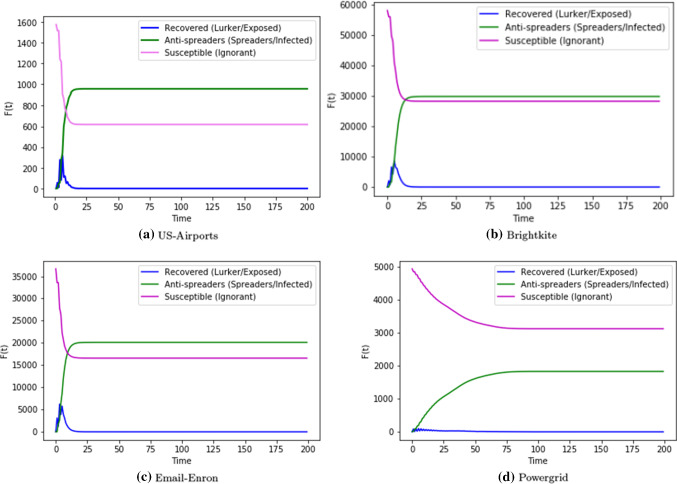
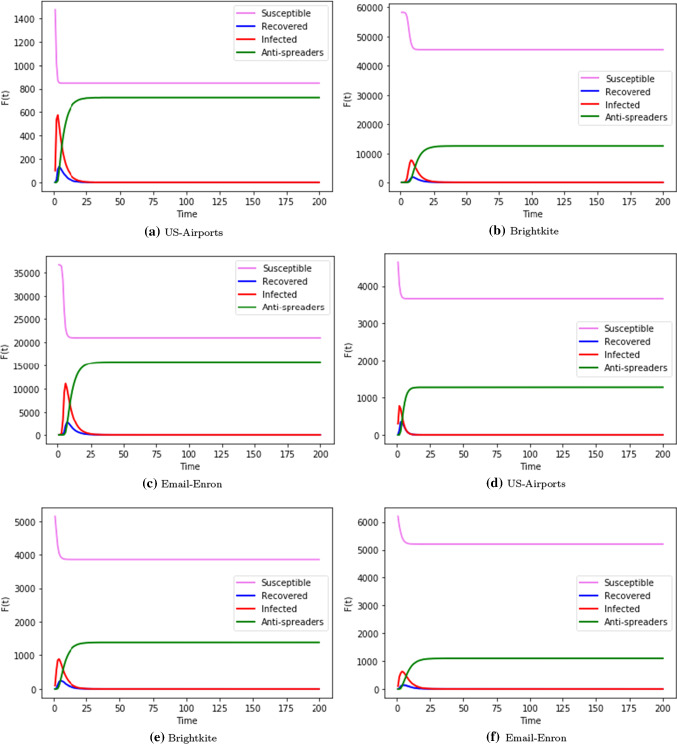
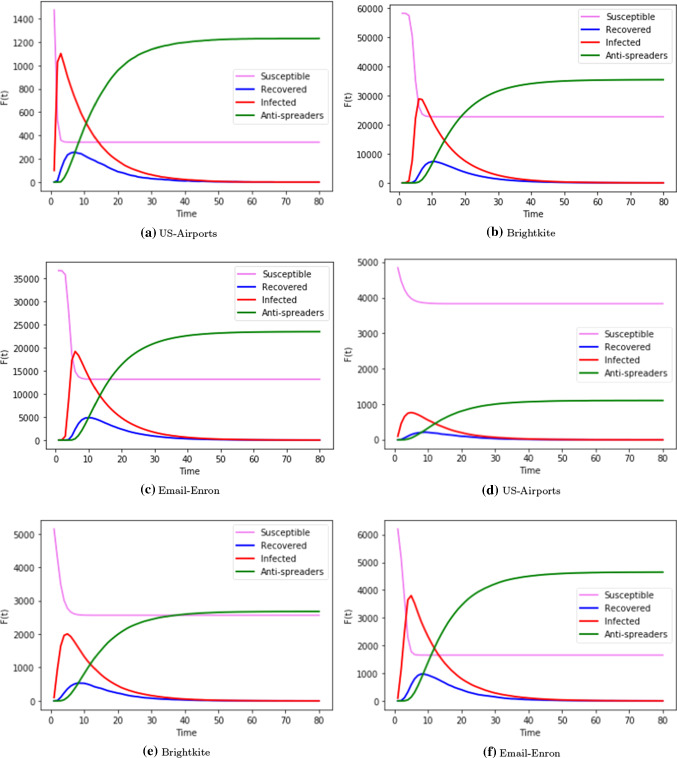
Healthcare social networks have a significant role in providing connected and personalized healthcare environment with real-time capabilities. However, building resilient, robust and technology-driven healthcare 5.0 has its own barriers. Especially with social media's high susceptibility to rumors and fake news, these networks can harm the society. Many researchers have been investigating the process of information diffusion, and it has been one of the most intriguing issues in network analysis. Modeling rumor propagation is one of the prominent researched topics in recent years. Traditional models assume that rumor propagation happens only in one direction, where only supporters are supposed to be active, whereas, in a real-life situation, both supporters and deniers of the information operate simultaneously. In this paper, we introduce a model for the recovery of nodes in a setting where rumor propagation and rumor control happen simultaneously. We propose the Susceptible-Infected-Recovered-Anti-spreader model based on the notion of spreading of epidemics and also its applications to modeling the propagation of rumors and control of rumor. Our model assumes people have multiple forms of reactions to rumor, either posting it, deleting it or announcing the rumor as fake. This paper also suggests how the model can act as a simulation method to compare two node centrality algorithms where spreaders chosen from one centrality algorithm try to spread the rumor, and the anti-spreaders chosen from other centrality try to dispel the rumor and vice versa. We simulate the proposed algorithm on different weighted and unweighted real-world network datasets and establish that the experimental results agrees with the proposed model.
医疗保健社交网络在提供具有实时功能的互联且个性化的医疗保健环境方面发挥着重要作用。然而,构建具有弹性、稳健且由技术驱动的医疗保健5.0存在其自身的障碍。特别是考虑到社交媒体极易受到谣言和虚假新闻的影响,这些网络可能会对社会造成危害。许多研究人员一直在研究信息传播过程,它一直是网络分析中最引人入胜的问题之一。对谣言传播进行建模是近年来备受关注的研究课题之一。传统模型假设谣言传播仅沿一个方向发生,即只有支持者才会活跃,而在现实生活中,信息的支持者和否认者会同时行动。在本文中,我们介绍了一种在谣言传播和谣言控制同时发生的情况下恢复节点的模型。我们基于流行病传播的概念提出了易感-感染-恢复-反传播者模型,以及它在谣言传播建模和谣言控制方面的应用。我们的模型假设人们对谣言有多种反应形式,要么发布它,要么删除它,要么宣布该谣言为假。本文还提出了该模型如何作为一种模拟方法来比较两种节点中心性算法,即从一种中心性算法中选择传播者试图传播谣言,而从另一种中心性算法中选择反传播者试图消除谣言,反之亦然。我们在不同的加权和未加权真实世界网络数据集上模拟了所提出的算法,并确定实验结果与所提出的模型一致。