Department of Hepatobiliary Surgery, The Affiliated Drum Tower Hospital of Nanjing University Medical School, Nanjing, 210000, China.
Department of Hepatobiliary Surgery, The First Affiliated Hospital of Anhui Medical University, Hefei, 230022, China.
Adv Sci (Weinh). 2022 Oct;9(28):e2201889. doi: 10.1002/advs.202201889. Epub 2022 Aug 17.
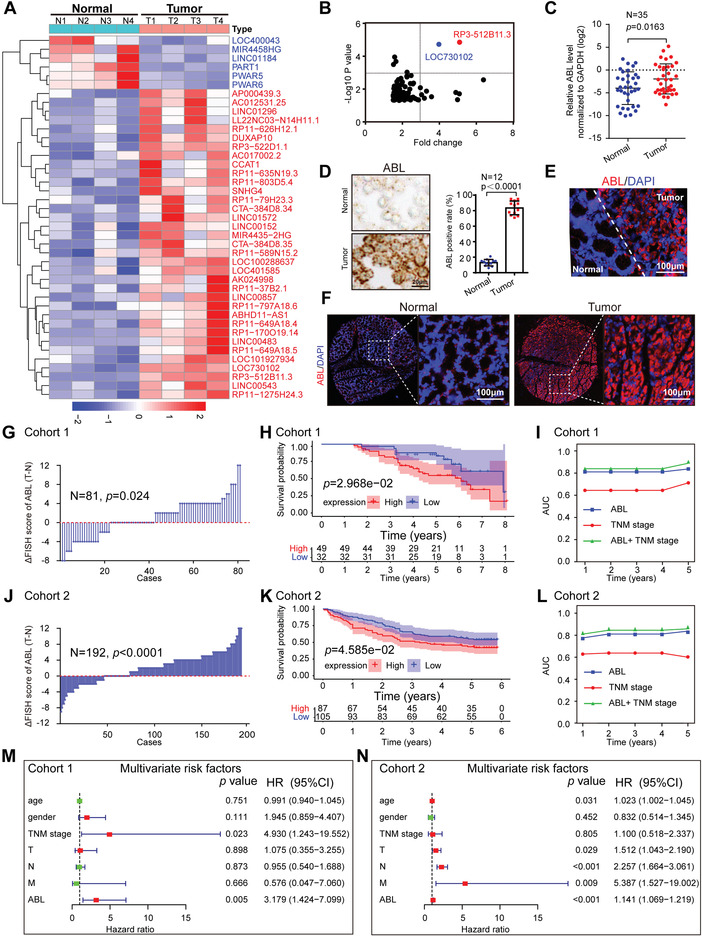
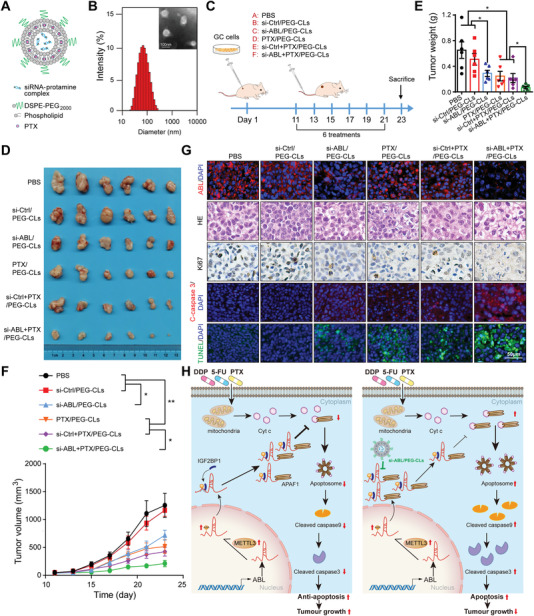
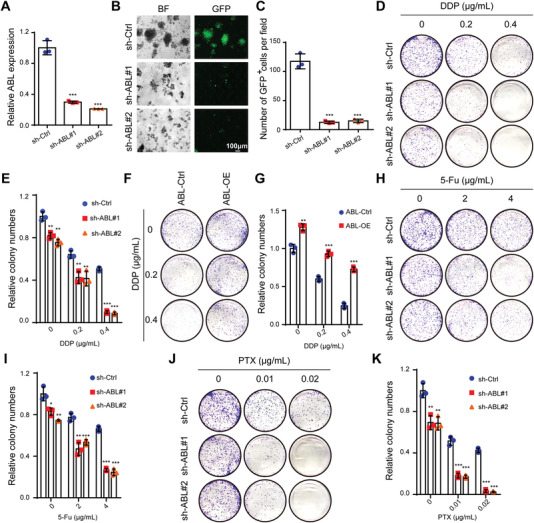
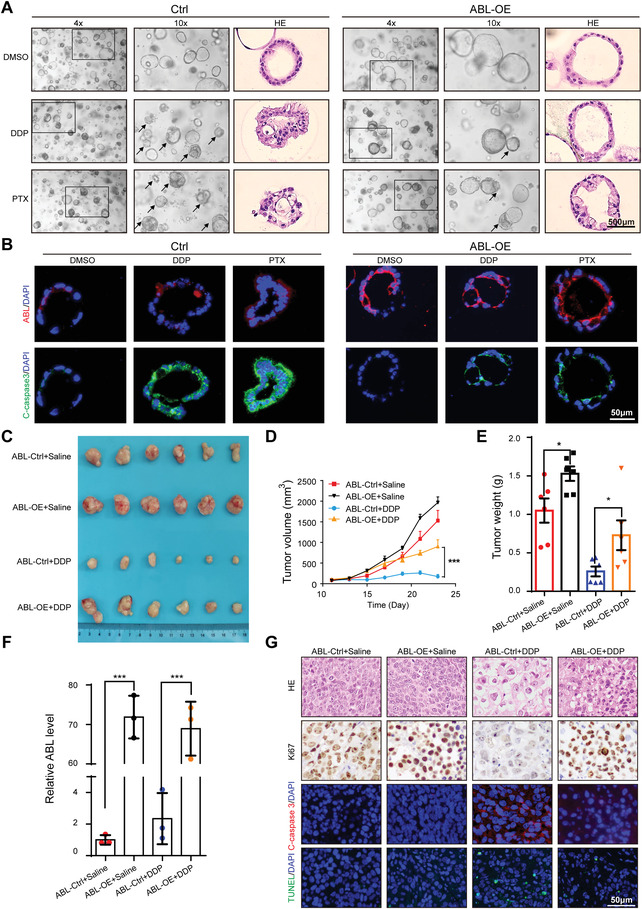
Chemotherapeutics remain the first choice for advanced gastric cancers (GCs). However, drug resistance and unavoidable severe toxicity lead to chemotherapy failure and poor prognosis. Long noncoding RNAs (lncRNAs) play critical roles in tumor progression in many cancers, including GC. Here, through RNA screening, an apoptotic protease-activating factor 1 (APAF1)-binding lncRNA (ABL) that is significantly elevated in cancerous GC tissues and an independent prognostic factor for GC patients is identified. Moreover, ABL overexpression inhibits GC cell apoptosis and promotes GC cell survival and multidrug resistance in GC xenograft and organoid models. Mechanistically, ABL directly binds to the RNA-binding protein IGF2BP1 via its KH1/2 domain, and then IGF2BP1 further recognizes the METTL3-mediated m6A modification on ABL, which maintains ABL stability. In addition, ABL can bind to the WD1/WD2 domain of APAF1, which competitively prevent cytochrome c from interacting with APAF1, blocking apoptosome assembly and caspase-9/3 activation; these events lead to resistance to cell death in GC cells. Intriguingly, targeting ABL using encapsulated liposomal siRNA can significantly enhance the sensitivity of GC cells to chemotherapy. Collectively, the results suggest that ABL can be a potential prognostic biomarker and therapeutic target in GC.
化疗仍然是晚期胃癌(GC)的首选治疗方法。然而,耐药性和不可避免的严重毒性导致化疗失败和预后不良。长链非编码 RNA(lncRNA)在许多癌症的肿瘤进展中发挥着关键作用,包括 GC。在这里,通过 RNA 筛选,发现一种凋亡蛋白酶激活因子 1(APAF1)结合的 lncRNA(ABL)在癌性 GC 组织中显著升高,是 GC 患者的独立预后因素。此外,ABL 的过表达抑制 GC 细胞凋亡,并在 GC 异种移植和类器官模型中促进 GC 细胞存活和多药耐药性。在机制上,ABL 通过其 KH1/2 结构域直接与 RNA 结合蛋白 IGF2BP1 结合,然后 IGF2BP1 进一步识别 METTL3 介导的 ABL 上的 m6A 修饰,从而维持 ABL 的稳定性。此外,ABL 可以与 APAF1 的 WD1/WD2 结构域结合,这会竞争性地阻止细胞色素 c 与 APAF1 相互作用,阻止凋亡小体组装和 caspase-9/3 的激活;这些事件导致 GC 细胞对细胞死亡的抵抗力增强。有趣的是,使用包裹脂质体的 siRNA 靶向 ABL 可以显著提高 GC 细胞对化疗的敏感性。综上所述,结果表明 ABL 可以作为 GC 的潜在预后生物标志物和治疗靶点。