Rinaldi Vito Gaetano, Prill Robert, Jahnke Sonja, Zaffagnini Stefano, Becker Roland
II Clinica Ortopedica e Traumatologica, IRCCS Istituto Ortopedico Rizzoli, 40136, Bologna, Italy.
Center of Orthopaedics and Traumatology, University Hospital Brandenburg/Havel, Brandenburg, Germany.
J Exp Orthop. 2022 Aug 17;9(1):81. doi: 10.1186/s40634-022-00513-8.
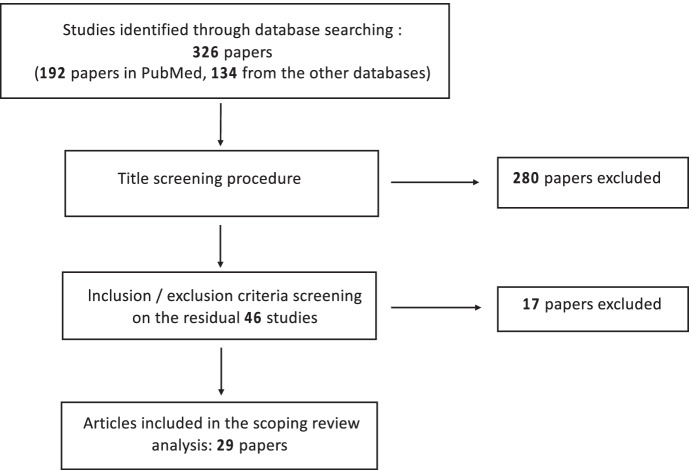
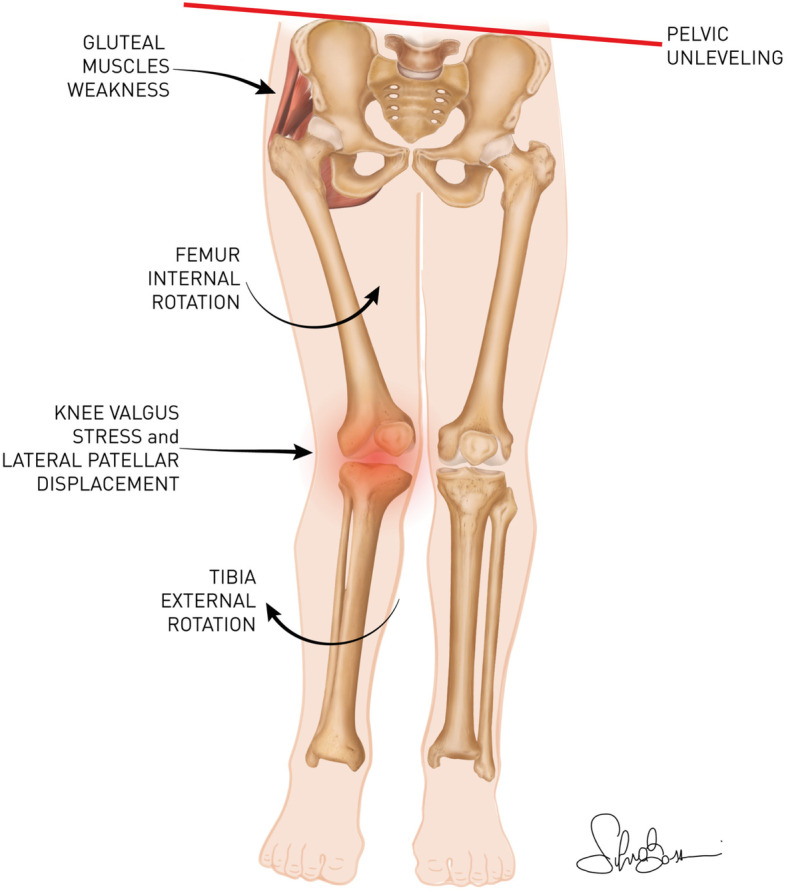
Anterior cruciate ligament (ACL) injuries are caused by both contact and non-contact injuries. However, it can be claimed that non-contact ones account approximately for 70% of all cases. Thus, several authors have emphasized the role of reduction of muscle strength as a modifiable risk factor referred to non-contact ACL injury, with the latter being targeted by specific training interventions.The present paper wants to review the available literature specifically on the relationship between dynamic knee valgus, gluteal muscles (GM) strength, apart from the potential correlation regarding ACL injury.After a research based on MEDLINE via PubMed, Google scholar, and Web of Science, a total of 29 articles were collected and thus included.Additionally, this review highlights the crucial role of gluteal muscles in maintaining a correct knee position in the coronal plane during different exercises, namely walking, running, jumping and landing.
前交叉韧带(ACL)损伤由接触性和非接触性损伤引起。然而,可以说非接触性损伤约占所有病例的70%。因此,几位作者强调了肌肉力量下降作为非接触性ACL损伤的一个可改变风险因素的作用,后者是特定训练干预的目标。本文旨在专门综述关于动态膝外翻、臀肌(GM)力量之间的关系,以及与ACL损伤潜在相关性的现有文献。通过PubMed、谷歌学术和科学网对MEDLINE进行检索后,共收集并纳入了29篇文章。此外,本综述强调了臀肌在不同运动(即行走、跑步、跳跃和着陆)过程中在冠状面维持正确膝关节位置方面的关键作用。