Centre for Tissue Engineering and Regenerative Medicine (CTERM), Universiti Kebangsaan Malaysia Medical Centre (UKMMC), Kuala Lumpur, Malaysia.
Institute for Research in Molecular Medicine (INFORMM), Universiti Sains Malaysia, Pulau Pinang, Malaysia.
PeerJ. 2022 Aug 12;10:e13704. doi: 10.7717/peerj.13704. eCollection 2022.
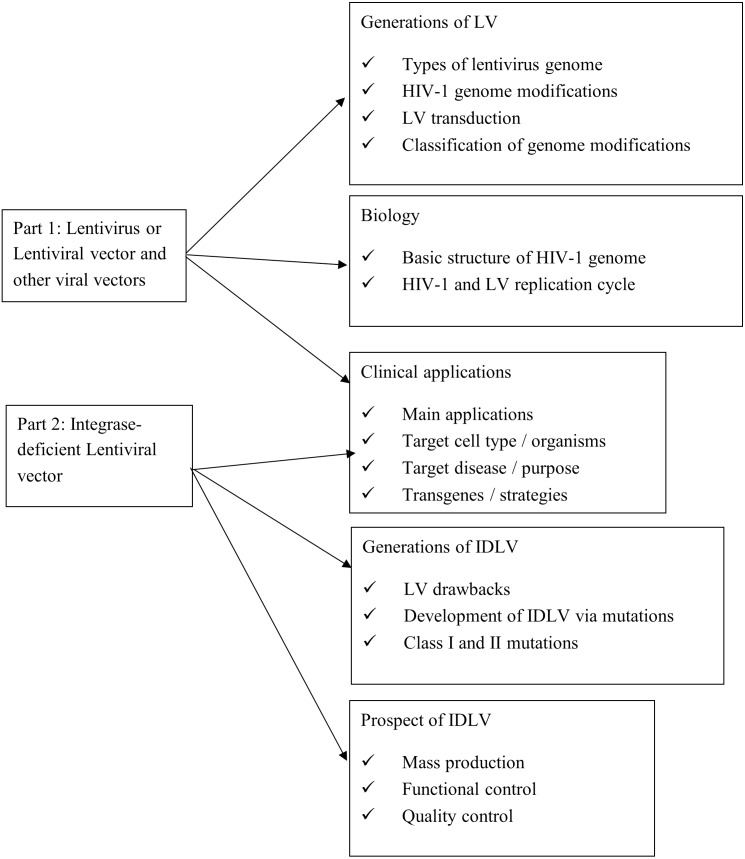
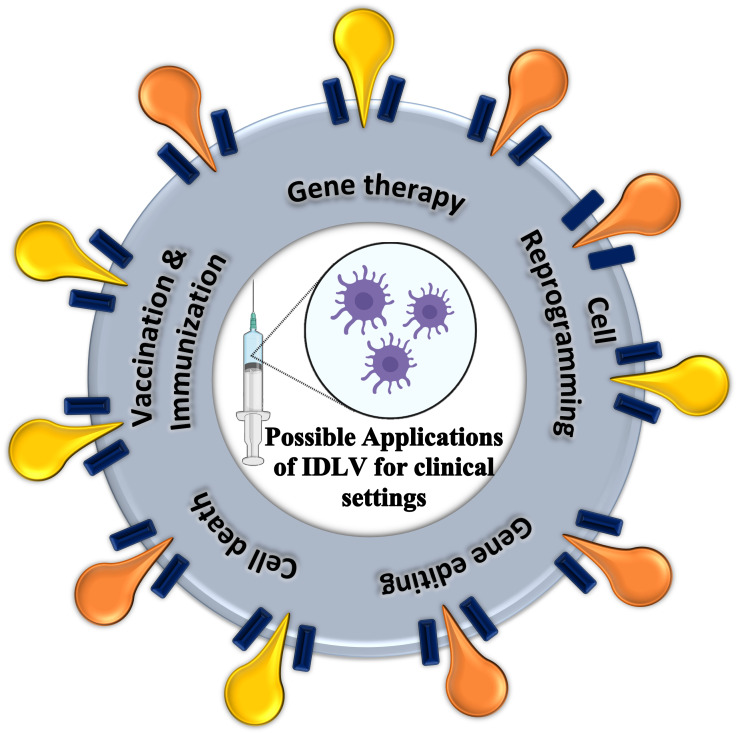
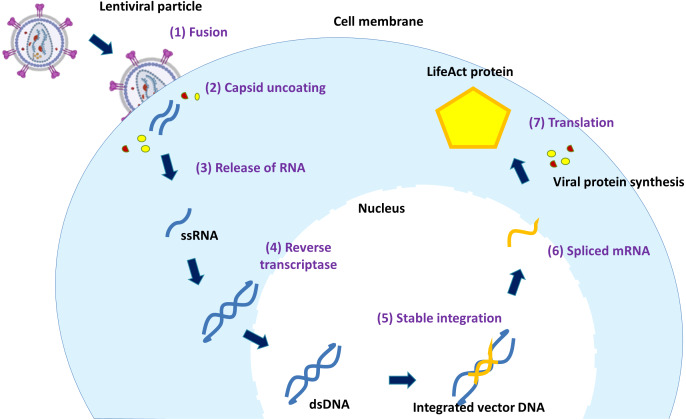
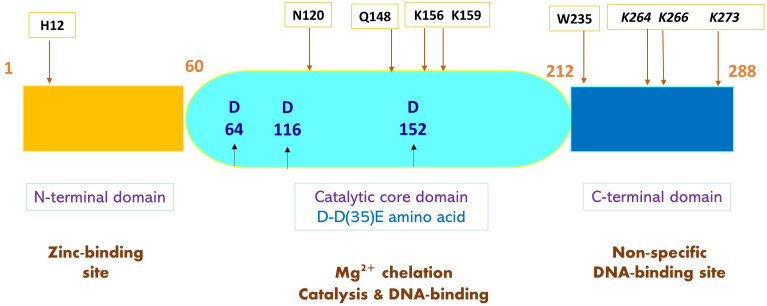
HIV-1 derived lentiviral vector is an efficient transporter for delivering desired genetic materials into the targeted cells among many viral vectors. Genetic material transduced by lentiviral vector is integrated into the cell genome to introduce new functions, repair defective cell metabolism, and stimulate certain cell functions. Various measures have been administered in different generations of lentiviral vector systems to reduce the vector's replicating capabilities. Despite numerous demonstrations of an excellent safety profile of integrative lentiviral vectors, the precautionary approach has prompted the development of integrase-deficient versions of these vectors. The generation of integrase-deficient lentiviral vectors by abrogating integrase activity in lentiviral vector systems reduces the rate of transgenes integration into host genomes. With this feature, the integrase-deficient lentiviral vector is advantageous for therapeutic implementation and widens its clinical applications. This short review delineates the biology of HIV-1-erived lentiviral vector, generation of integrase-deficient lentiviral vector, recent studies involving integrase-deficient lentiviral vectors, limitations, and prospects for neoteric clinical use.
HIV-1 衍生的慢病毒载体是一种高效的运载体,可将所需的遗传物质递送到众多病毒载体中的目标细胞中。慢病毒载体转导的遗传物质被整合到细胞基因组中,以引入新的功能、修复有缺陷的细胞代谢,并刺激某些细胞功能。在不同代的慢病毒载体系统中已经采取了各种措施来降低载体的复制能力。尽管整合性慢病毒载体具有极好的安全性表现得到了广泛证明,但预防措施促使开发了这些载体的整合酶缺失版本。通过在慢病毒载体系统中消除整合酶活性来产生整合酶缺失的慢病毒载体,降低了转基因整合到宿主基因组中的速度。具有这种特性,整合酶缺失的慢病毒载体有利于治疗的实施,并拓宽了其临床应用。本文简要综述了 HIV-1 衍生的慢病毒载体的生物学特性、整合酶缺失的慢病毒载体的产生、涉及整合酶缺失的慢病毒载体的最新研究、局限性以及在新的临床应用中的前景。