College of Pharmacy and Health Sciences, Texas Southern University, Houston, Texas, USA.
Merck & Co, Rahway, New Jersey, USA.
Wiley Interdiscip Rev Nanomed Nanobiotechnol. 2023 Mar;15(2):e1846. doi: 10.1002/wnan.1846. Epub 2022 Aug 18.
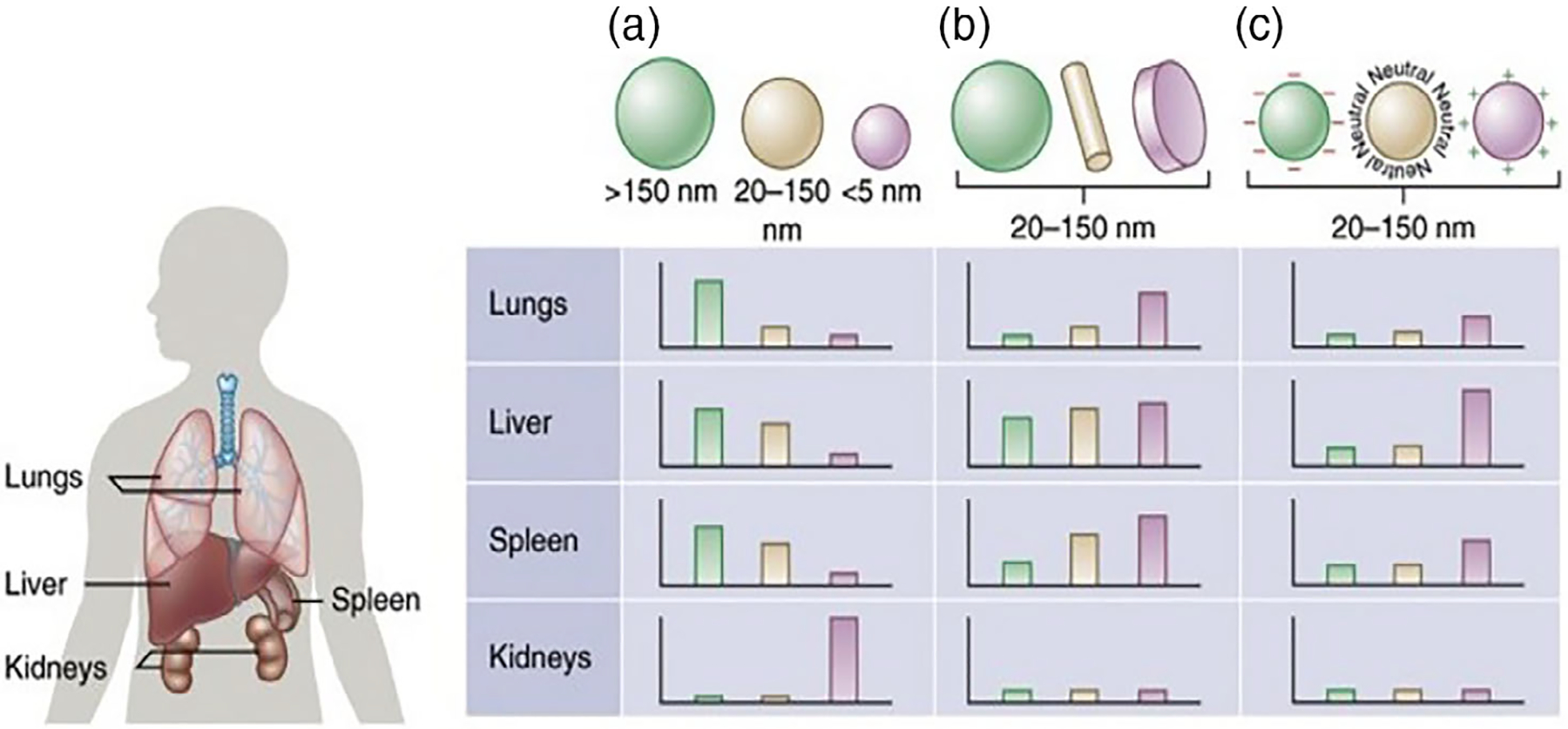
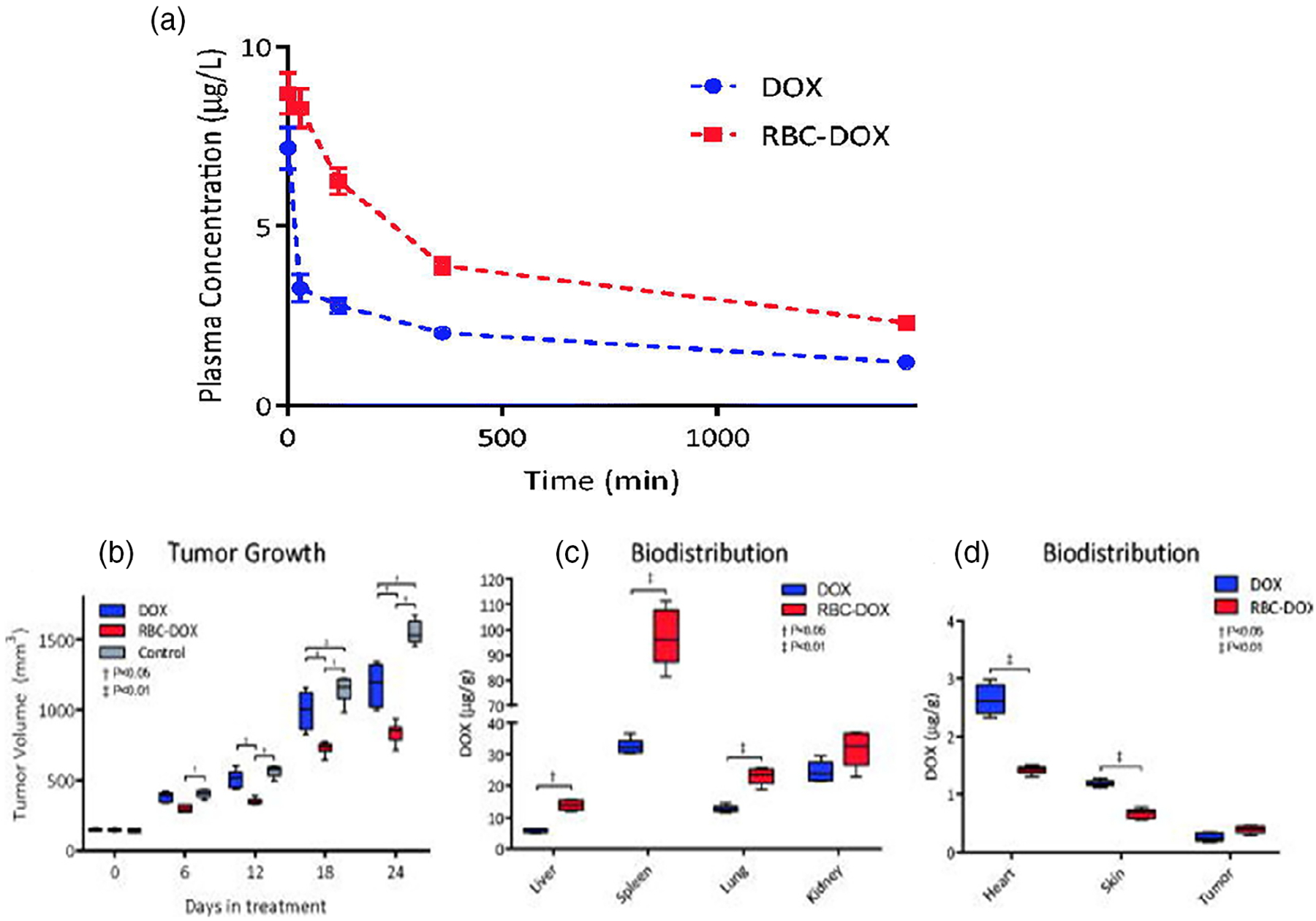
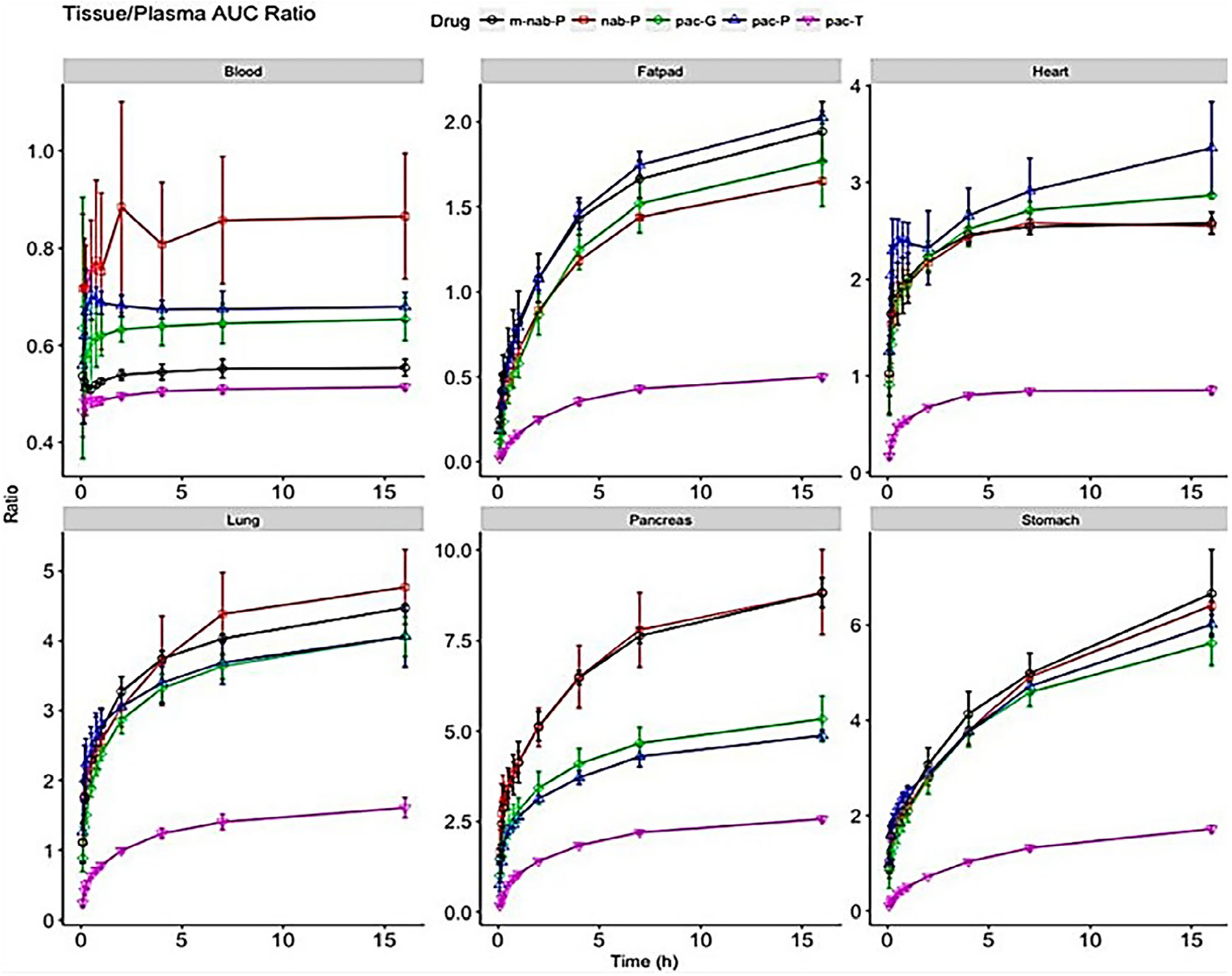
Chemotherapeutic treatment with conventional drug formulations pose numerous challenges, such as poor solubility, high cytotoxicity and serious off-target side effects, low bioavailability, and ultimately subtherapeutic tumoral concentration leading to poor therapeutic outcomes. In the field of Nanomedicine, advances in nanotechnology have been applied with great success to design and develop novel nanoparticle-based formulations for the treatment of various types of cancer. The approval of the first nanomedicine, Doxil® (liposomal doxorubicin) in 1995, paved the path for further development for various types of novel delivery platforms. Several different types of nanoparticles, especially organic (soft) nanoparticles (liposomes, polymeric micelles, and albumin-bound nanoparticles), have been developed and approved for several anticancer drugs. Nanoparticulate drug delivery platform have facilitated to overcome of these challenges and offered key advantages of improved bioavailability, higher intra-tumoral concentration of the drug, reduced toxicity, and improved efficacy. This review introduces various commonly used nanoparticulate systems in biomedical research and their pharmacokinetic (PK) attributes, then focuses on the various physicochemical and physiological factors affecting the in vivo disposition of chemotherapeutic agents encapsulated in nanoparticles in recent years. Further, it provides a review of the current landscape of soft nanoparticulate formulations for the two most widely investigated anticancer drugs, paclitaxel, and doxorubicin, that are either approved or under investigation. Formulation details, PK profiles, and therapeutic outcomes of these novel strategies have been discussed individually and in comparison, to traditional formulations. This article is categorized under: Nanotechnology Approaches to Biology > Cells at the Nanoscale Diagnostic Tools > In Vivo Nanodiagnostics and Imaging Therapeutic Approaches and Drug Discovery > Nanomedicine for Oncologic Disease.
化疗药物制剂存在诸多挑战,如溶解度差、细胞毒性高、严重的脱靶副作用、生物利用度低,最终导致肿瘤内浓度低于治疗浓度,治疗效果不佳。在纳米医学领域,纳米技术的进步已成功应用于设计和开发新型基于纳米颗粒的制剂,用于治疗各种类型的癌症。1995 年,第一个纳米药物 Doxil®(脂质体多柔比星)的批准为各种新型给药平台的进一步发展铺平了道路。已经开发并批准了几种不同类型的纳米颗粒,特别是有机(软)纳米颗粒(脂质体、聚合物胶束和白蛋白结合纳米颗粒),用于几种抗癌药物。纳米颗粒药物递送平台有助于克服这些挑战,并提供了提高生物利用度、增加药物在肿瘤内浓度、降低毒性和提高疗效的关键优势。本文介绍了生物医学研究中常用的各种纳米颗粒系统及其药代动力学(PK)特性,然后重点介绍了近年来影响包裹在纳米颗粒中的化疗药物体内分布的各种物理化学和生理因素。此外,本文还综述了目前广泛研究的两种抗癌药物紫杉醇和多柔比星的软纳米颗粒制剂的现状,这些药物或已获得批准,或正在研究中。分别讨论了这些新型策略的制剂细节、PK 特征和治疗效果,并与传统制剂进行了比较。本文属于以下分类: 生物学中的纳米技术方法 > 纳米尺度的细胞 诊断工具 > 体内纳米诊断和成像 治疗方法和药物发现 > 用于肿瘤疾病的纳米医学