Wei Yangjian, Yan Zhenzhen, Liu Mengqi, Chen Dunwu, Chen Xiong, Li Xin
Hubei Collaborative Innovation Center for Industrial Fermentation, Key Laboratory of Fermentation Engineering (Ministry of Education), Hubei Key Laboratory of Industrial Microbiology, Hubei University of Technology, Wuhan, China.
Front Microbiol. 2022 Aug 2;13:935756. doi: 10.3389/fmicb.2022.935756. eCollection 2022.
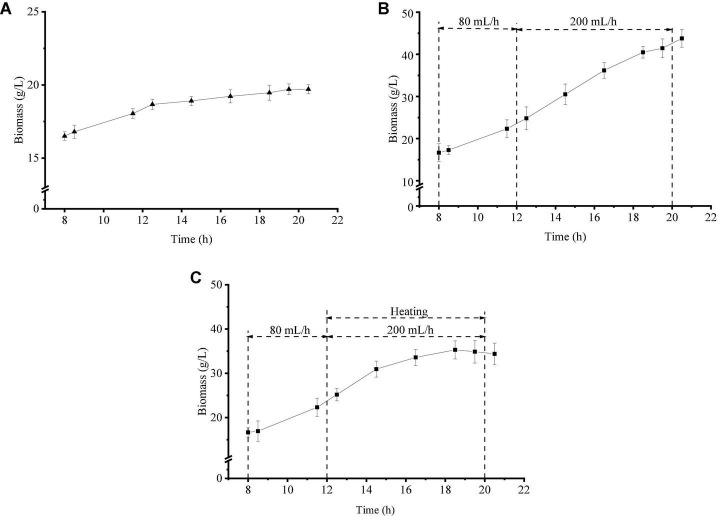
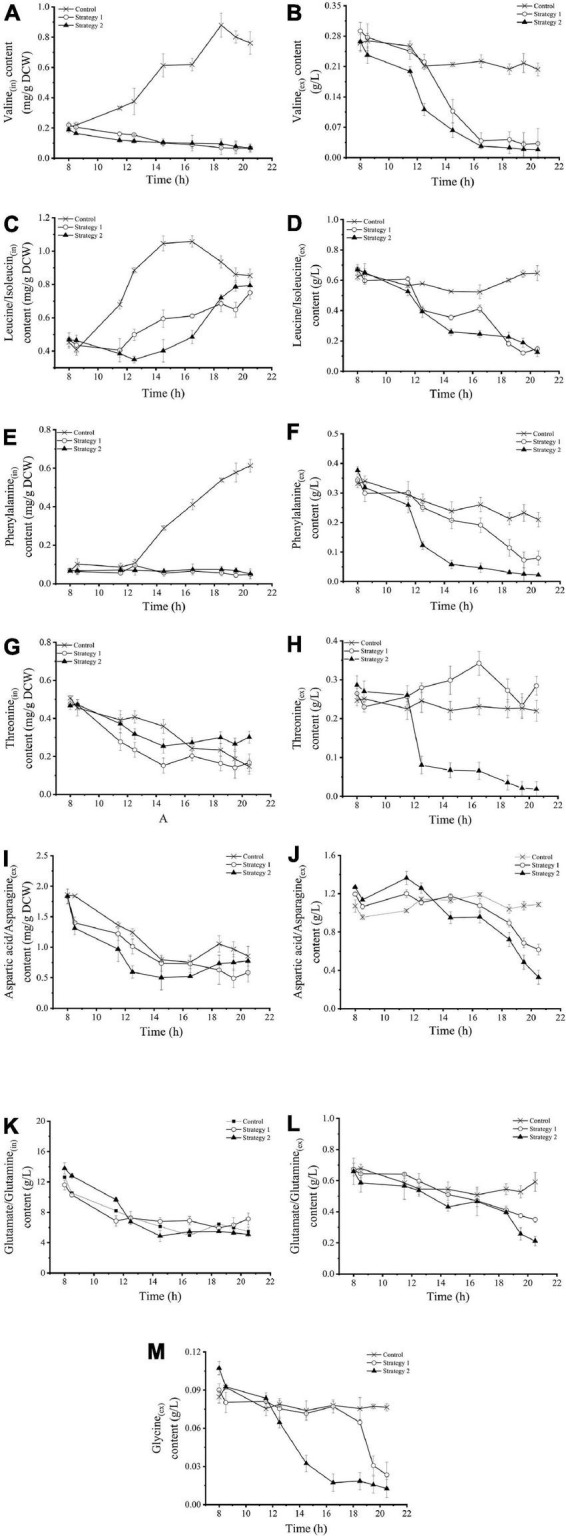
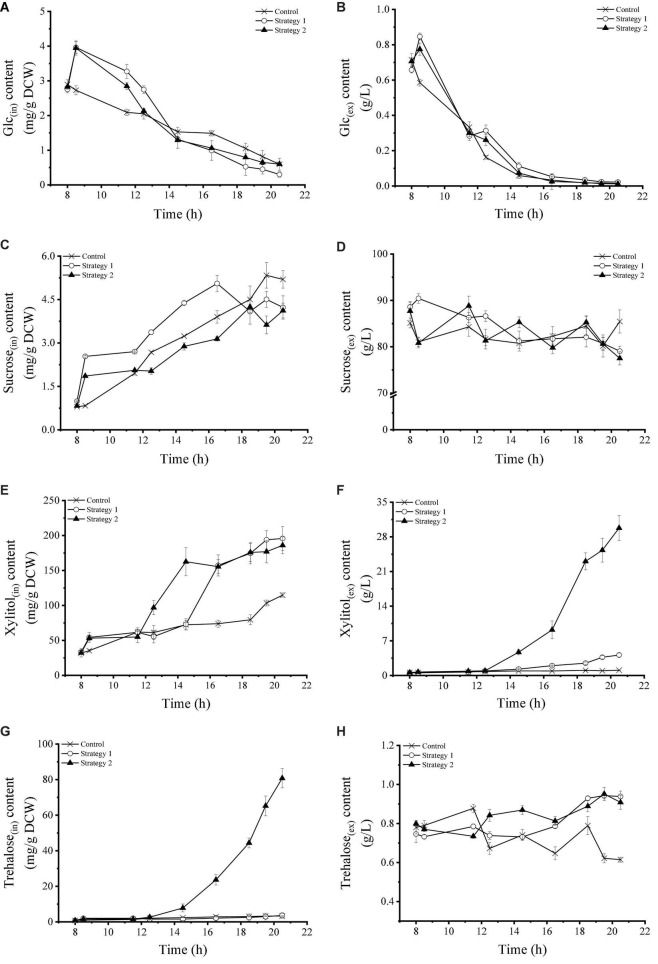
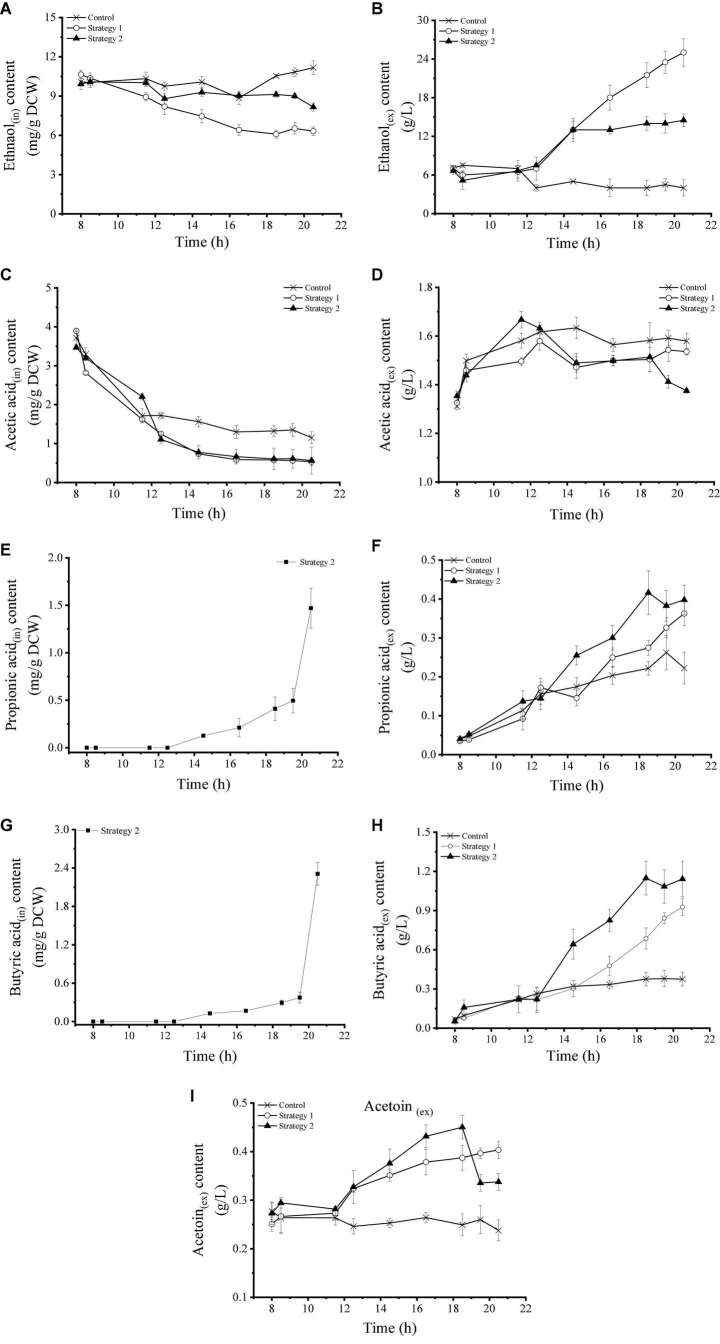
The salt-tolerant flavor yeast is an important food flavor microorganism, but its intracellular stress-resistant trehalose synthesis efficiency has been shown to be low, resulting in its weak high-temperature resistance. The intracellular and extracellular levels of carbohydrates, organic acids, and amino acids of in a 20-L mechanically stirred ventilated fermenter were analyzed using metabolomics research methods. Our results showed that glucose supplementation could promote the growth of yeast cells, but high temperatures (> 35°C) significantly prevented cell growth. Under three different growth strategies, extracellular glucose was continuously utilized and intracellular glucose was continuously metabolized, but glucose overflow metabolism was inhibited by high temperature, which showed that the level of intracellular/extracellular ethanol was stable. High temperature stimulated significant intracellular trehalose accumulation ( . = 80.78 mg/g Dry Cell Weight (DCW)) but not efflux, as well as xylitol accumulation ( . = 185.97 mg/g DCW) but with efflux (c. = 29.78 g/L). Moreover, heat resistance evaluation showed that xylitol and trehalose had heat-protective effects on . In addition, a large amount of propionic acid and butyric acid accumulated inside and outside these cells, showing that the conversion of glucose to acid in yeast cells becomes the main pathway of glucose overflow metabolism in high temperatures. In addition, the increased demand of yeast cells for phenylalanine, threonine, and glycine at high temperatures suggested that these metabolites participated in the temperature adaptation of in different ways. Valine and leucine/isoleucine [branched-chain amino acids (BCAAs)] were mainly affected by the addition of glucose, while glucose, sucrose, aspartic acid/asparagine, and glutamate/glutamine were not affected by this temperature regulation as a whole. This study could help deepen our understanding of the high-temperature adaptation mechanism of salt-tolerant , and has theoretical significance for the application of highly tolerant yeast to food brewing.
耐盐风味酵母是一种重要的食品风味微生物,但其细胞内抗逆海藻糖的合成效率较低,导致其耐热性较弱。采用代谢组学研究方法,分析了20 L机械搅拌通风发酵罐中该酵母细胞内和细胞外碳水化合物、有机酸和氨基酸的水平。我们的结果表明,补充葡萄糖可以促进酵母细胞的生长,但高温(>35°C)显著抑制细胞生长。在三种不同的生长策略下,细胞外葡萄糖不断被利用,细胞内葡萄糖不断被代谢,但高温抑制了葡萄糖的溢流代谢,这表明细胞内/外乙醇水平稳定。高温刺激细胞内海藻糖大量积累(.= 80.78 mg/g干细胞重量(DCW))但不外排,同时木糖醇积累(.= 185.97 mg/g DCW)但有外排(c.= 29.78 g/L)。此外,耐热性评估表明,木糖醇和海藻糖对该酵母有热保护作用。此外,这些细胞内外积累了大量丙酸和丁酸,表明高温下酵母细胞中葡萄糖向酸的转化成为葡萄糖溢流代谢的主要途径。此外,高温下酵母细胞对苯丙氨酸、苏氨酸和甘氨酸的需求增加,表明这些代谢产物以不同方式参与该酵母的温度适应性调节。缬氨酸和亮氨酸/异亮氨酸[支链氨基酸(BCAAs)]主要受葡萄糖添加的影响,而葡萄糖、蔗糖、天冬氨酸/天冬酰胺和谷氨酸/谷氨酰胺总体上不受该温度调节的影响。本研究有助于加深我们对耐盐酵母高温适应机制的理解,对高耐受性酵母在食品酿造中的应用具有理论意义。