Jiang Xiao-Ming, Deng Shuiquan, Whangbo Myung-Hwan, Guo Guo-Cong
State Key Laboratory of Structural Chemistry, Fujian Institute of Research on the Structure of Matter, Chinese Academy of Sciences, Fuzhou 350002, China.
Natl Sci Rev. 2022 Feb 12;9(7):nwac017. doi: 10.1093/nsr/nwac017. eCollection 2022 Jul.
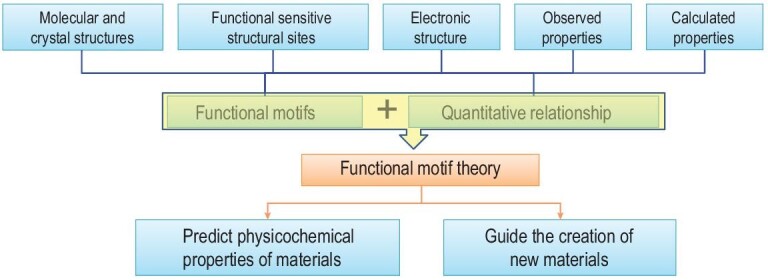
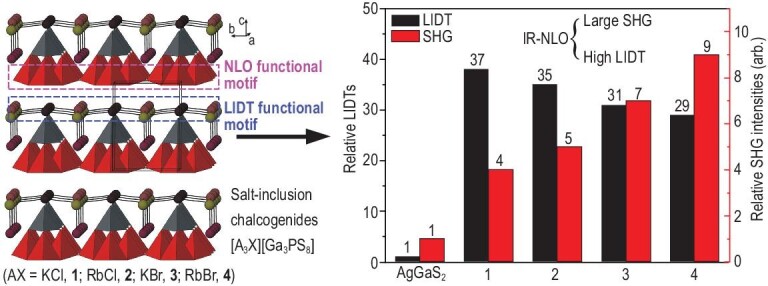
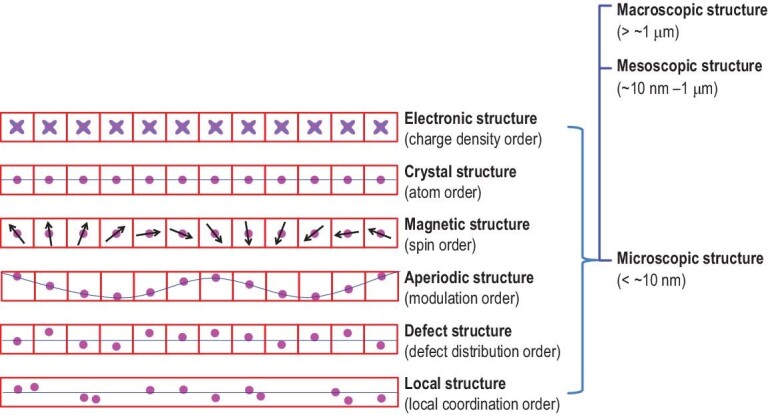
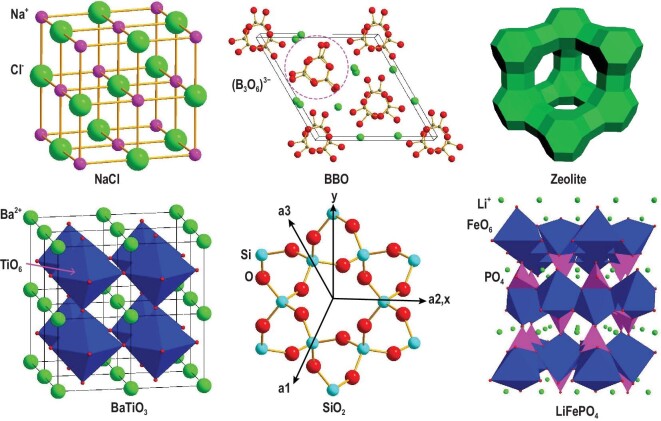
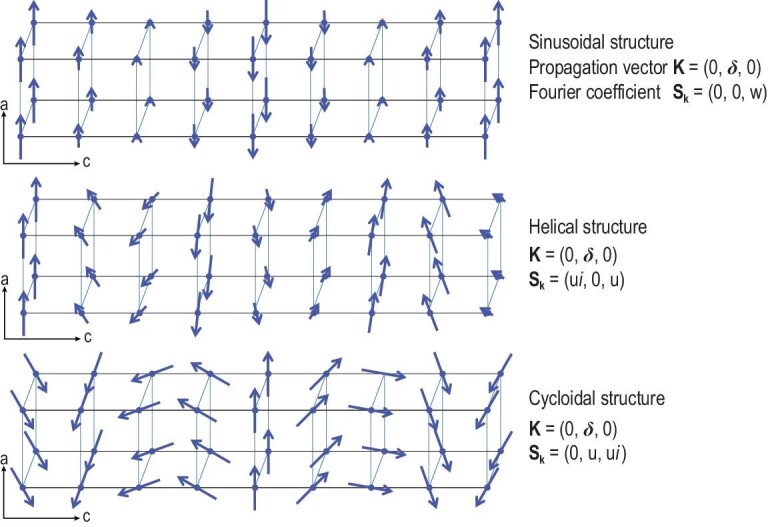
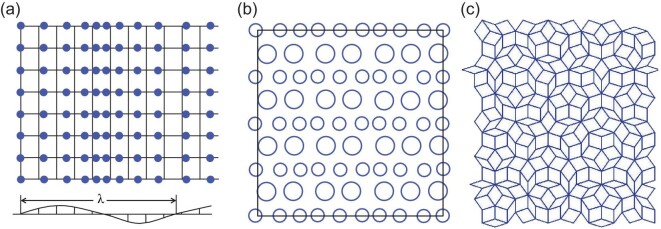
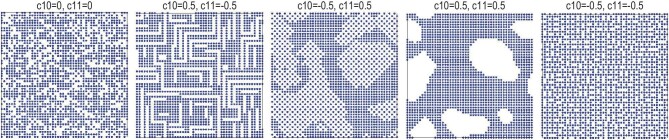
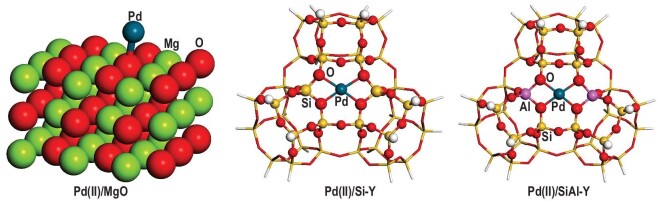
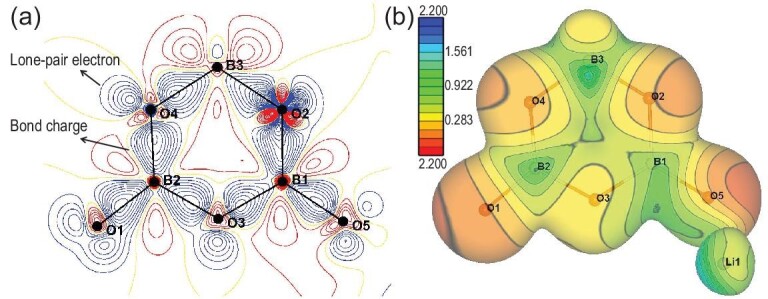
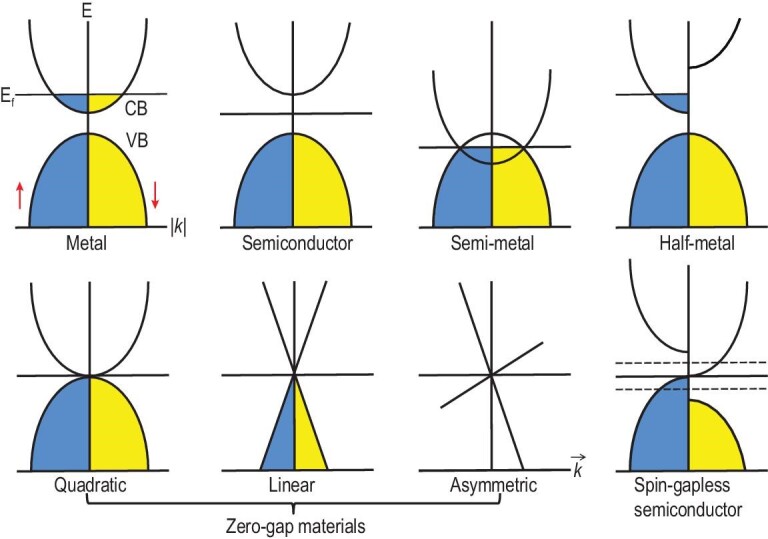
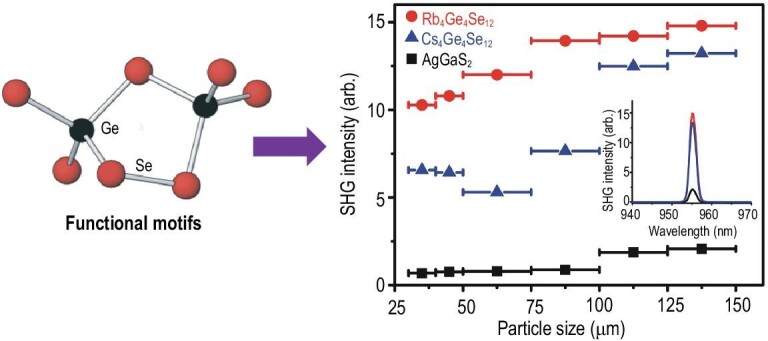
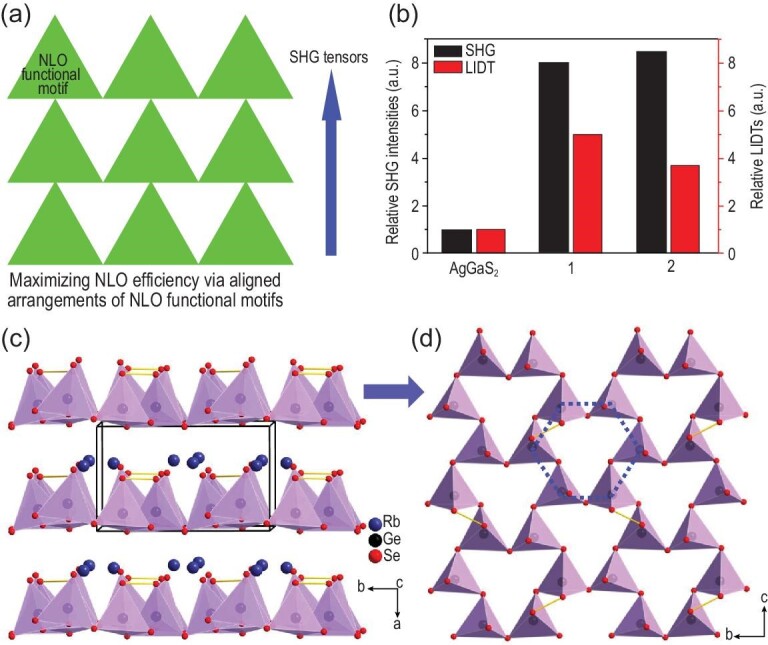
As early as 2001, the need for the 'functional motif theory' was pointed out, to assist the rational design of functional materials. The properties of materials are determined by their functional motifs and how they are arranged in the materials. Uncovering functional motifs and their arrangements is crucial in understanding the properties of materials and rationally designing new materials of desired properties. The functional motifs of materials are the critical microstructural units (e.g. constituent components and building blocks) that play a decisive role in generating certain material functions, and can not be replaced with other structural units without the loss, or significant suppression, of relevant functions. The role of functional motifs and their arrangement in materials, with representative examples, is presented. The microscopic structures of these examples can be classified into six types on a length scale smaller than ∼10 nm with maximum subatomic resolution, i.e. crystal, magnetic, aperiodic, defect, local and electronic structures. Functional motif analysis can be employed in the function-oriented design of materials, as elucidated by taking infrared non-linear optical materials as an example. Machine learning is more efficient in predicting material properties and screening materials with high efficiency than high-throughput experimentation and high-throughput calculations. In order to extract functional motifs and find their quantitative relationships, the development of sufficiently reliable databases for material structures and properties is imperative.
早在2001年,就有人指出需要“功能基序理论”来辅助功能材料的合理设计。材料的性能由其功能基序以及这些基序在材料中的排列方式决定。揭示功能基序及其排列方式对于理解材料性能和合理设计具有所需性能的新材料至关重要。材料的功能基序是关键的微观结构单元(例如组成成分和构建块),它们在产生某些材料功能方面起决定性作用,并且在不损失或显著抑制相关功能的情况下不能被其他结构单元替代。本文介绍了功能基序及其在材料中的排列作用,并给出了代表性示例。在小于约10纳米的长度尺度上,以最大亚原子分辨率来看,这些示例的微观结构可分为六种类型,即晶体结构、磁结构、非周期性结构、缺陷结构、局域结构和电子结构。以红外非线性光学材料为例说明,功能基序分析可用于面向功能的材料设计。与高通量实验和高通量计算相比,机器学习在预测材料性能和高效筛选材料方面更有效。为了提取功能基序并找到它们的定量关系,建立足够可靠的材料结构和性能数据库势在必行。