McCunn Patrick, Chen Xi, Gimi Barjor, Green Alan I, Khokhar Jibran Y
Department of Anatomy and Cell Biology, Schulich School of Medicine and Dentistry, University of Western Ontario, London, ON, Canada.
Department of Radiology, Biomedical NMR Research Center, Geisel School of Medicine at Dartmouth, Lebanon, NH, USA.
Schizophrenia (Heidelb). 2022 Aug 23;8(1):67. doi: 10.1038/s41537-022-00272-6.
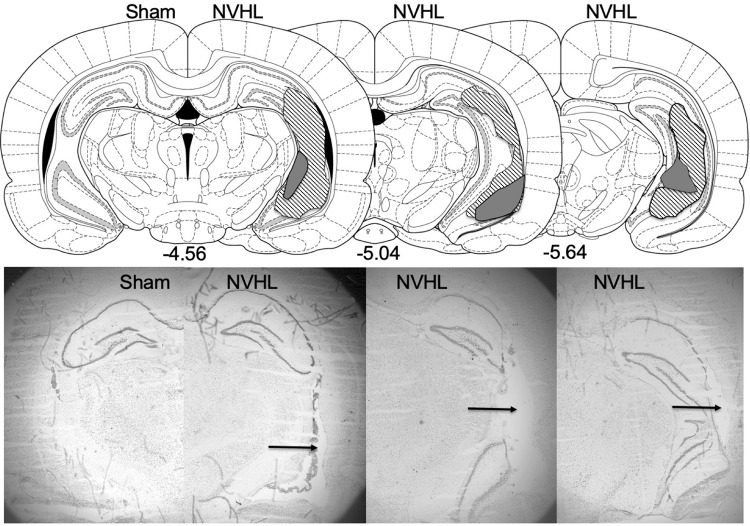
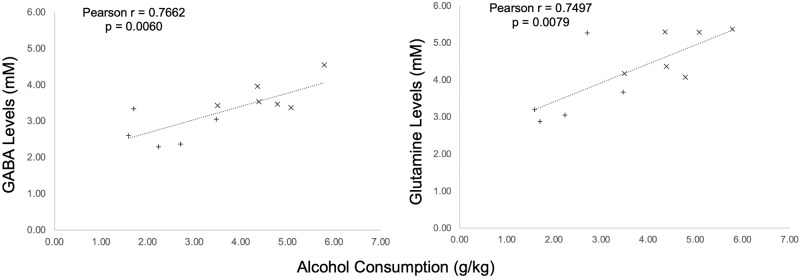
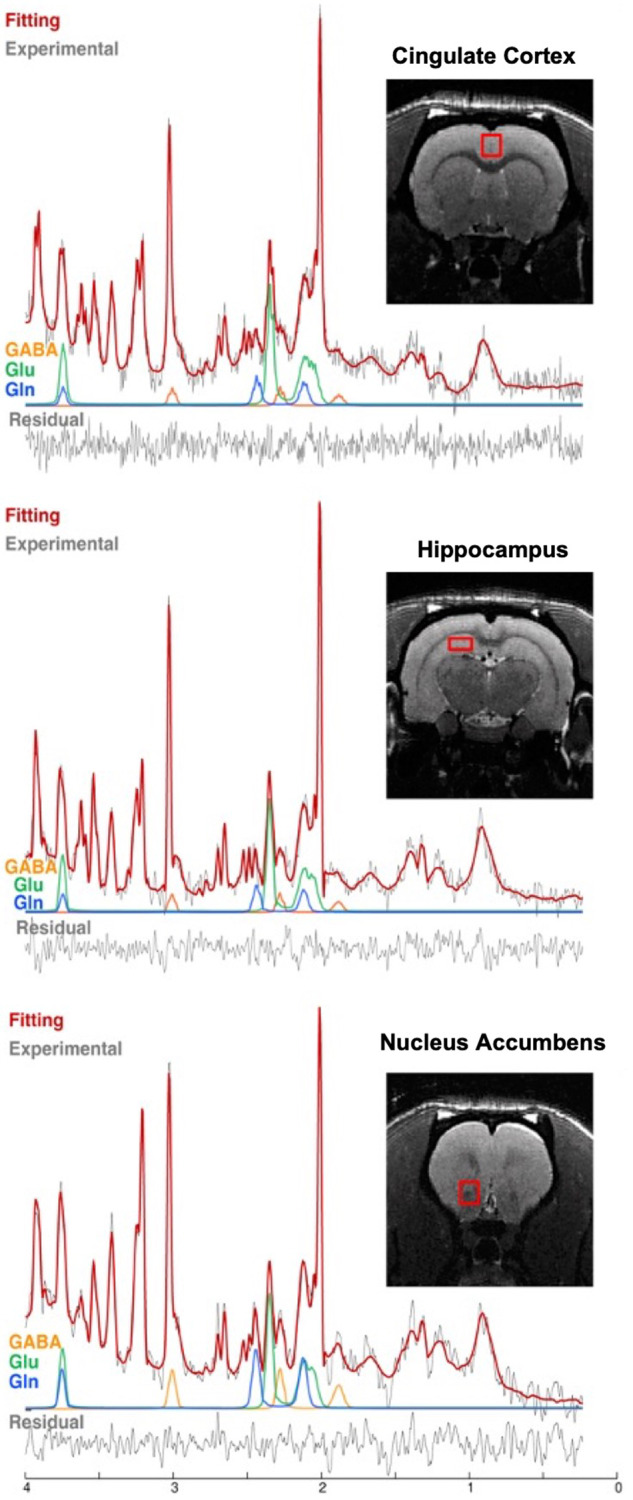
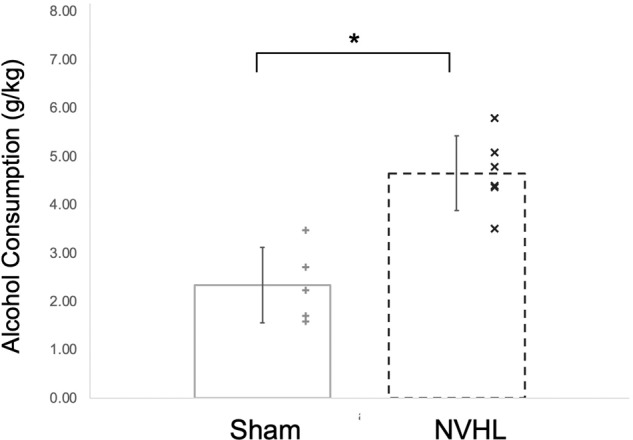
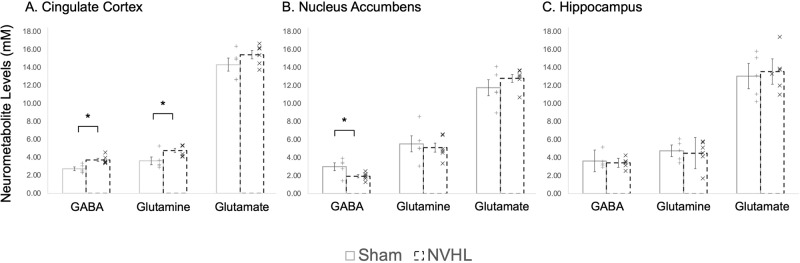
Alcohol use disorder commonly occurs in patients with schizophrenia and significantly worsens the clinical course of the disorder. The neurobiological underpinnings of alcohol drinking are not well understood. Magnetic resonance spectroscopy (MRS) has been used to assess the neurochemical substrates that may be associated with alcohol drinking in patients; however, the causal impact of these findings remains elusive, highlighting the need for studies in animal models. This study performed MRS in the neonatal ventral hippocampal lesioned (NVHL) rat model, a model of co-occurring schizophrenia and substance use disorders. NVHL lesions (or sham surgeries) were performed on post-natal day 7 and animals were given brief exposure to alcohol during adolescence (10% v/v in a 2-bottle choice design). Animals were re-exposed to alcohol during adulthood (20% v/v) until a stable drinking baseline was established, and then forced into abstinence to control for the effects of differential alcohol drinking. Animals were scanned for MRS after one month of abstinence. NVHL rats consumed significantly more alcohol than sham rats and in the cingulate cortex showed significantly higher levels of GABA and glutamine. Significantly lower GABA levels were observed in the nucleus accumbens. No differences between the NVHL and sham animals were observed in the hippocampus. Correlation analysis revealed that GABA and glutamine concentrations in the cingulate cortex significantly correlated with the rats' alcohol drinking prior to 30 days of forced abstinence. These findings suggest that a potential dysfunction in the glutamate/GABA-glutamine cycle may contribute to alcohol drinking in a rat model of schizophrenia, and this dysfunction could be targeted in future treatment-focused studies.
酒精使用障碍常见于精神分裂症患者中,并会显著恶化该疾病的临床病程。饮酒的神经生物学基础尚未完全明确。磁共振波谱(MRS)已被用于评估可能与患者饮酒相关的神经化学底物;然而,这些研究结果的因果影响仍不明确,这凸显了在动物模型中开展研究的必要性。本研究在新生鼠腹侧海马损伤(NVHL)大鼠模型中进行了MRS研究,该模型是一种同时患有精神分裂症和物质使用障碍的模型。在出生后第7天对动物进行NVHL损伤(或假手术),并在青春期让动物短暂接触酒精(采用两瓶选择设计,酒精浓度为10% v/v)。成年期再次让动物接触酒精(浓度为20% v/v),直至建立稳定的饮酒基线,然后强制戒酒以控制不同饮酒量的影响。在戒酒1个月后对动物进行MRS扫描。NVHL大鼠比假手术大鼠摄入的酒精显著更多,并且在扣带回皮质中GABA和谷氨酰胺水平显著更高。在伏隔核中观察到GABA水平显著更低。在海马体中未观察到NVHL动物和假手术动物之间存在差异。相关性分析显示,在强制戒酒30天之前,扣带回皮质中的GABA和谷氨酰胺浓度与大鼠的饮酒量显著相关。这些发现表明,谷氨酸/GABA - 谷氨酰胺循环中的潜在功能障碍可能导致精神分裂症大鼠模型中的饮酒行为,并且这种功能障碍可能是未来以治疗为重点的研究的靶点。