Xue Shengbai, Ge Weiyu, Wang Kexuan, Mao Tiebo, Zhang Xiaofei, Xu Haiyan, Wang Yongchao, Yao Jiayu, Li Shumin, Yue Ming, Ma Jingyu, Wang Yanling, Shentu Daiyuan, Cui Jiujie, Wang Liwei
Department of Oncology, Renji Hospital, School of Medicine, Shanghai Jiaotong University, Shanghai, China.
Department of Nursing, School of Nursing, Xuzhou Medical University, Xuzhou, China.
Front Cell Dev Biol. 2022 Aug 8;10:942225. doi: 10.3389/fcell.2022.942225. eCollection 2022.
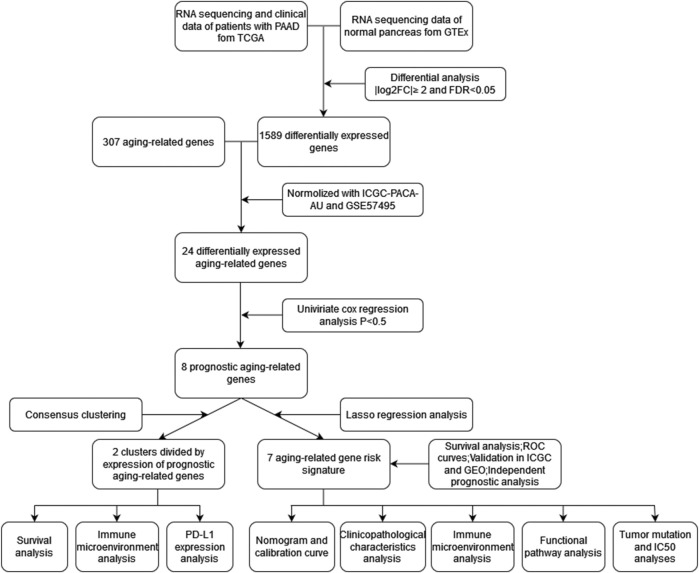
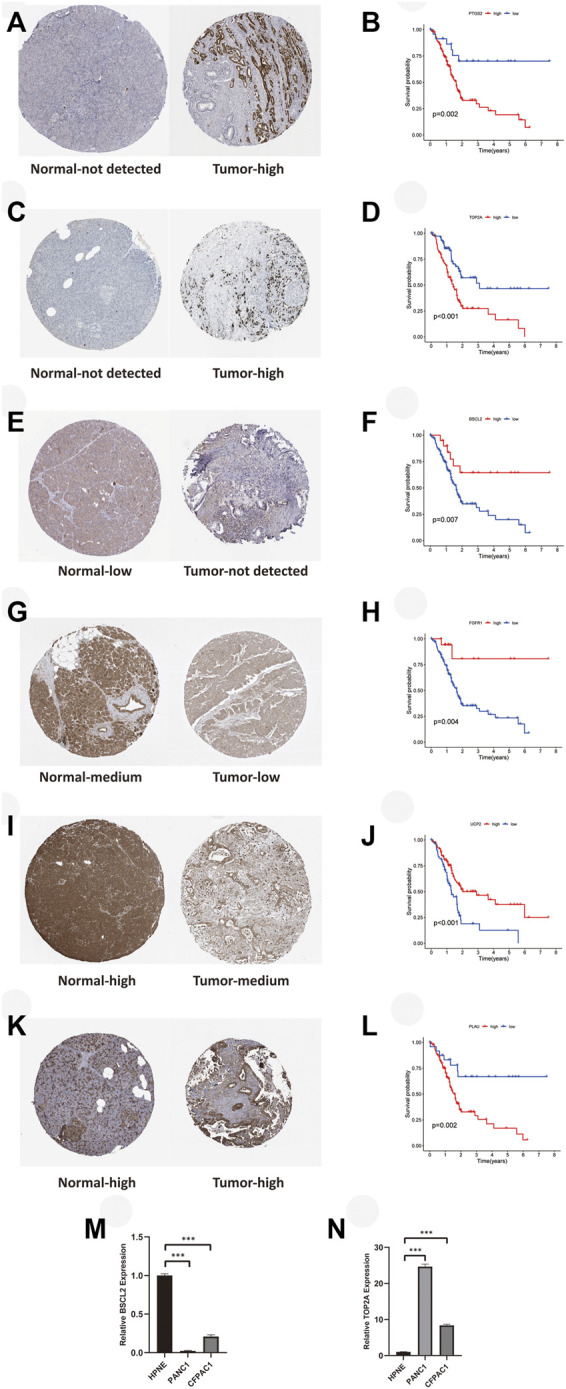
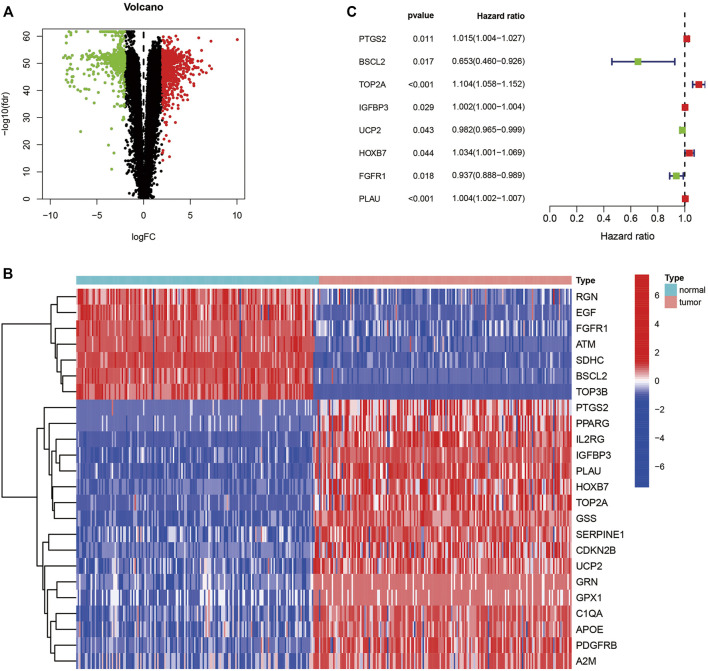
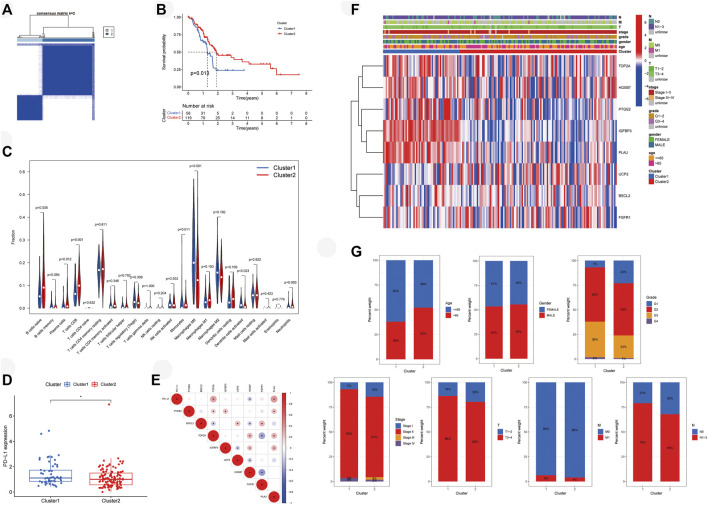
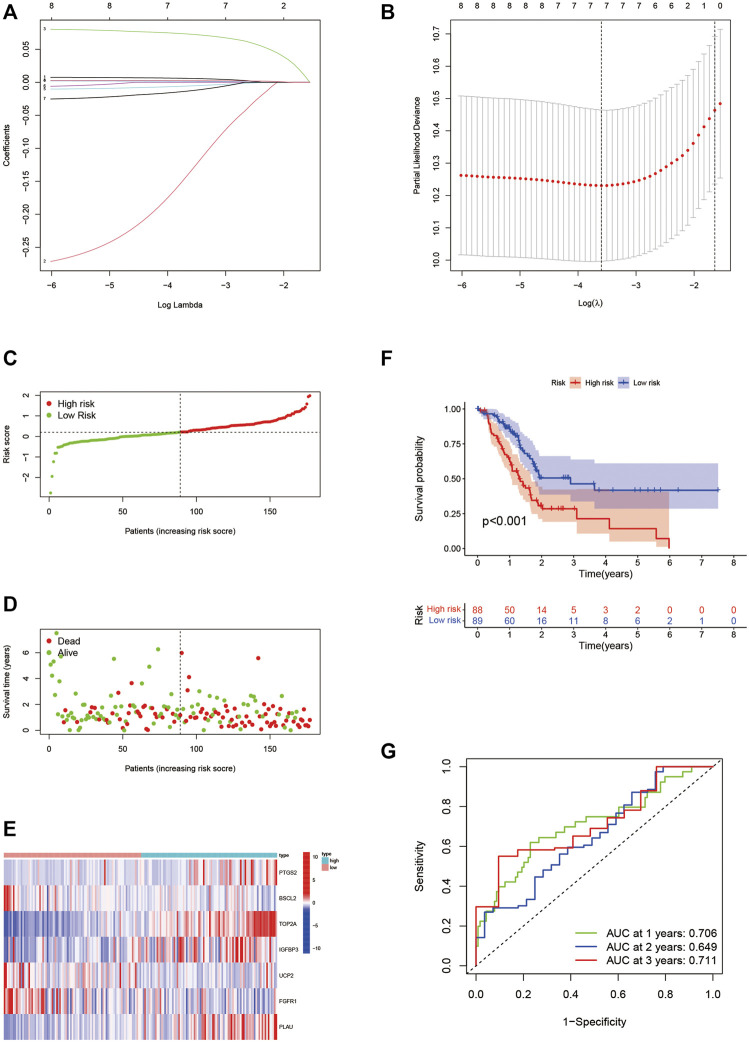
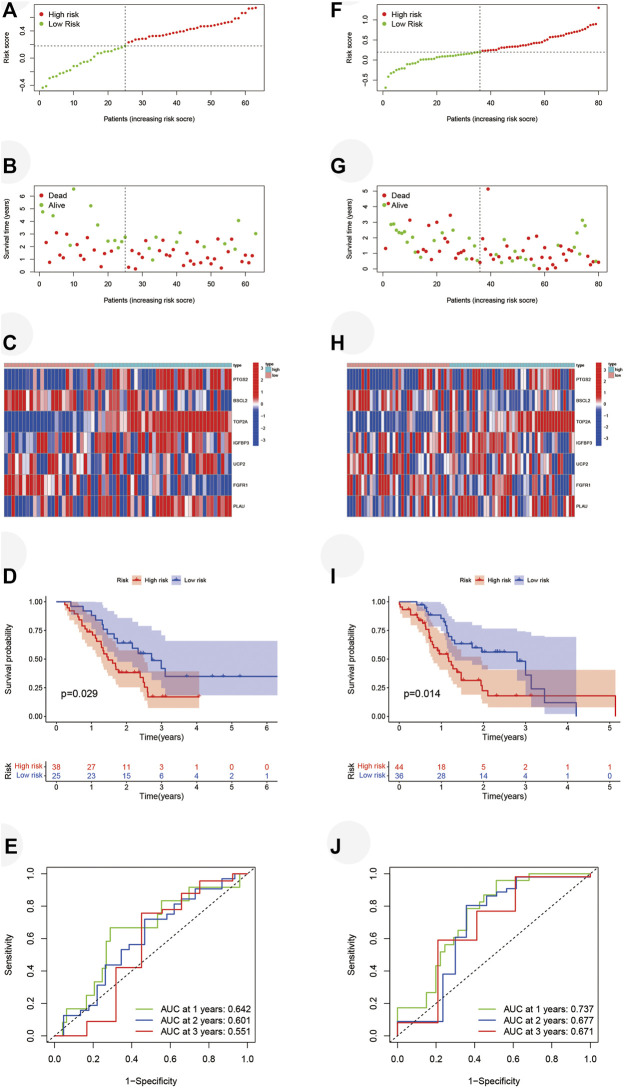
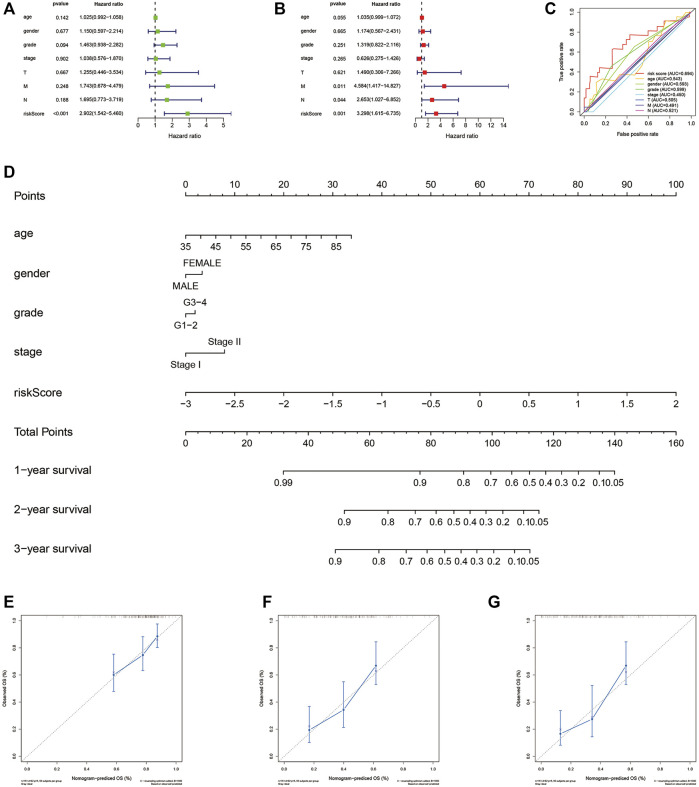
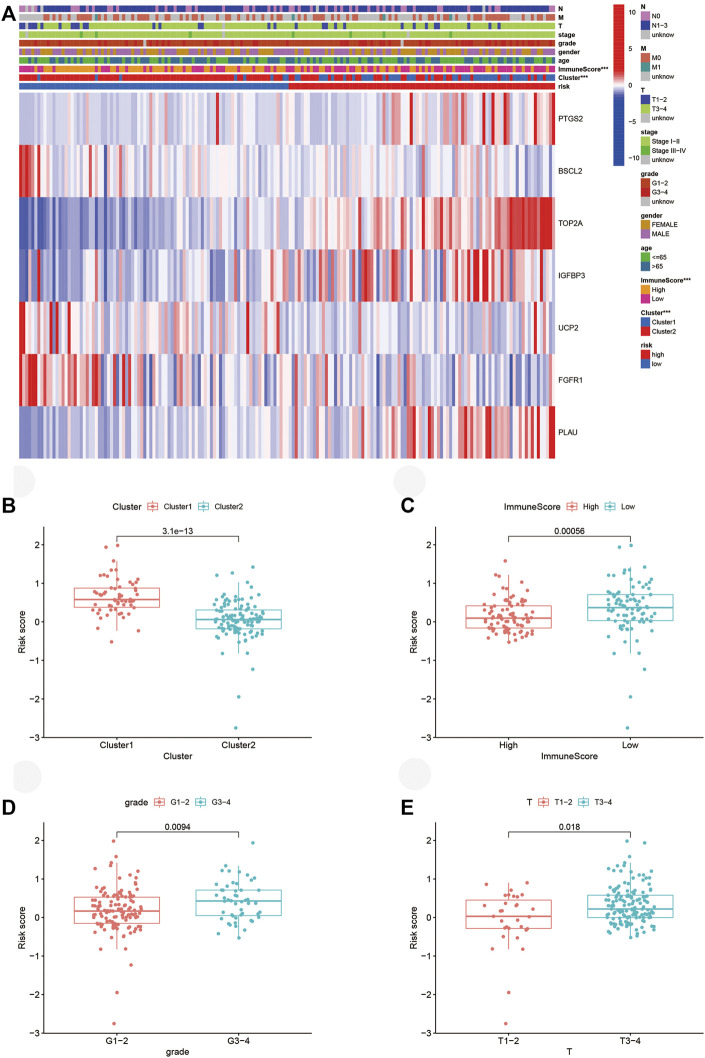
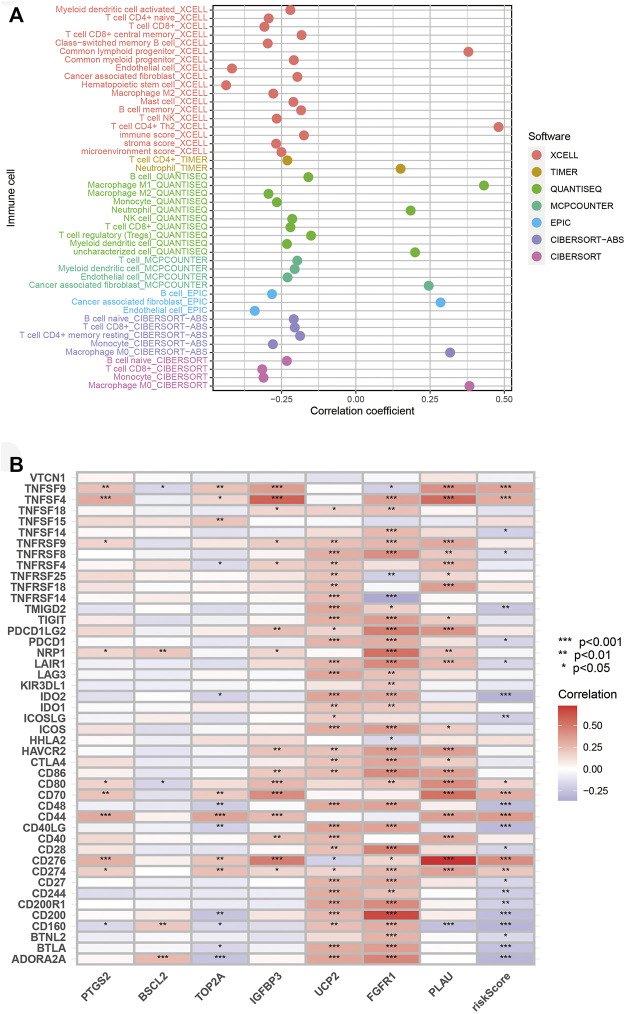
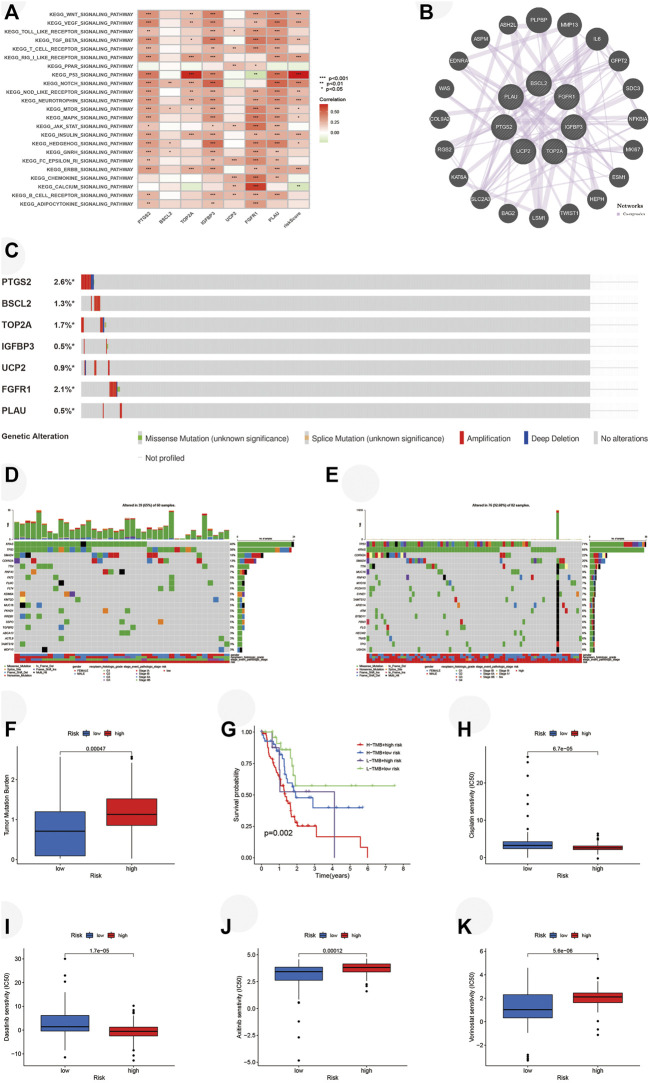
Pancreatic adenocarcinoma (PAAD) is one of the deadliest malignancies. Aging is described as the degeneration of physiological function, which is complexly correlated with cancer. It is significant to explore the influences of aging-related genes (ARGs) on PAAD. Based on The Cancer Genome Atlas (TCGA) and Genotype-Tissue Expression (GTEx) datasets, we used univariate Cox regression analysis and acquired eight differentially expressed ARGs with prognostic values. Two molecular subtypes were identified based on these ARGs to depict PAAD patients' overall survival (OS) and immune microenvironments preliminarily. Cluster 1 had a poor OS as well as a worse immune microenvironment. Through least absolute shrinkage and selection operator (LASSO) regression analysis, we constructed a seven-ARG risk signature based on the TCGA dataset and verified it in Gene Expression Omnibus (GEO) and International Cancer Genome Consortium (ICGC) to predict the prognoses, immune microenvironments, signal pathways, tumor mutations, and drug sensitivity of PAAD patients. The high-risk group possessed an unfavorable OS compared with that of the low-risk group. We also verified the independence and clinical availability of the risk signature by Cox regression analyses and the establishment of a nomogram, respectively. The higher risk score was associated with several clinical factors such as higher grade and advanced tumor stage as well as lower immunoscore and cluster 1. The negative associations of risk scores with immune, stroma, and estimate scores proved the terrible immune microenvironment in the high-risk group. Relationships between risk score and immune checkpoint gene expression as well as signal pathways provided several therapeutic targets. PAAD patients in the low-risk group possessed lower tumor mutations as well as a higher susceptibility to axitinib and vorinostat. The high-risk group bore a higher TMB and cisplatin and dasatinib may be better options. We used immunohistochemistry and qPCR to confirm the expression of key ARGs with their influences on OS. In conclusion, we identified two ARG-mediated molecular subtypes and a novel seven-ARG risk signature to predict prognoses, immune microenvironments, signal pathways, tumor mutations, and drug sensitivity of PAAD patients.
胰腺腺癌(PAAD)是最致命的恶性肿瘤之一。衰老被描述为生理功能的衰退,它与癌症有着复杂的关联。探索衰老相关基因(ARGs)对PAAD的影响具有重要意义。基于癌症基因组图谱(TCGA)和基因型-组织表达(GTEx)数据集,我们使用单变量Cox回归分析,获得了8个具有预后价值的差异表达ARGs。基于这些ARGs确定了两种分子亚型,以初步描绘PAAD患者的总生存期(OS)和免疫微环境。聚类1的OS较差,免疫微环境也更差。通过最小绝对收缩和选择算子(LASSO)回归分析,我们基于TCGA数据集构建了一个由7个ARGs组成的风险特征,并在基因表达综合数据库(GEO)和国际癌症基因组联盟(ICGC)中进行了验证,以预测PAAD患者的预后、免疫微环境、信号通路、肿瘤突变和药物敏感性。与低风险组相比,高风险组的OS较差。我们还分别通过Cox回归分析和建立列线图验证了风险特征的独立性和临床可用性。较高的风险评分与几个临床因素相关,如较高的分级和晚期肿瘤阶段,以及较低的免疫评分和聚类1。风险评分与免疫、基质和估计评分的负相关证明了高风险组中恶劣的免疫微环境。风险评分与免疫检查点基因表达以及信号通路之间的关系提供了几个治疗靶点。低风险组的PAAD患者肿瘤突变较低,对阿西替尼和伏立诺他的敏感性较高。高风险组的肿瘤突变负荷较高,顺铂和达沙替尼可能是更好的选择。我们使用免疫组织化学和qPCR来确认关键ARGs的表达及其对OS的影响。总之,我们确定了两种由ARGs介导的分子亚型和一种新的由7个ARGs组成的风险特征,以预测PAAD患者的预后、免疫微环境、信号通路、肿瘤突变和药物敏感性。