Song Wenjing, He Xin, Gong Pengju, Yang Yan, Huang Sirui, Zeng Yifan, Wei Lei, Zhang Jingwei
Department of Breast and Thyroid Surgery, Hubei Key Laboratory of Tumor Biological Behaviors, Hubei Cancer Clinical Study Center, Zhongnan Hospital, Wuhan University, Wuhan, China.
Department of Pathology and Pathophysiology, School of Basic Medical Sciences, Wuhan University, Wuhan, China.
Front Genet. 2021 Jun 23;12:639246. doi: 10.3389/fgene.2021.639246. eCollection 2021.
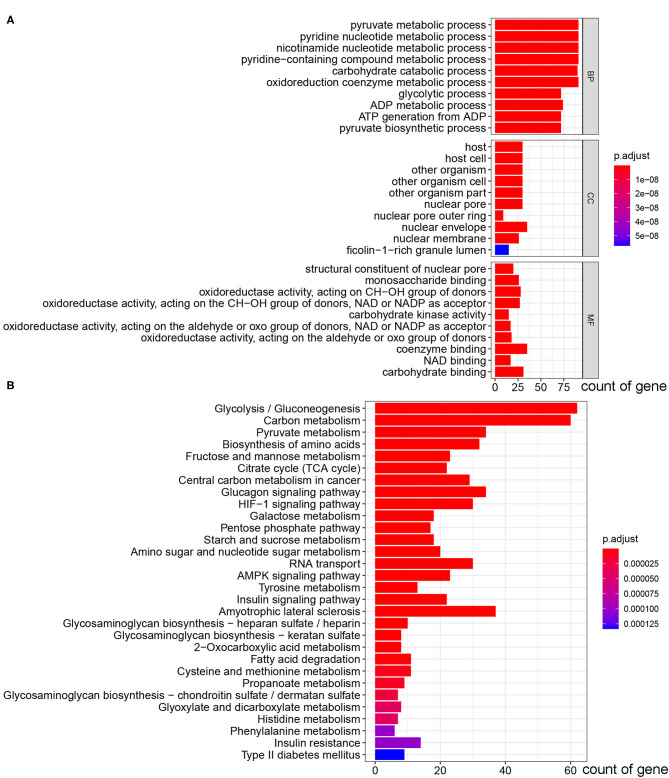
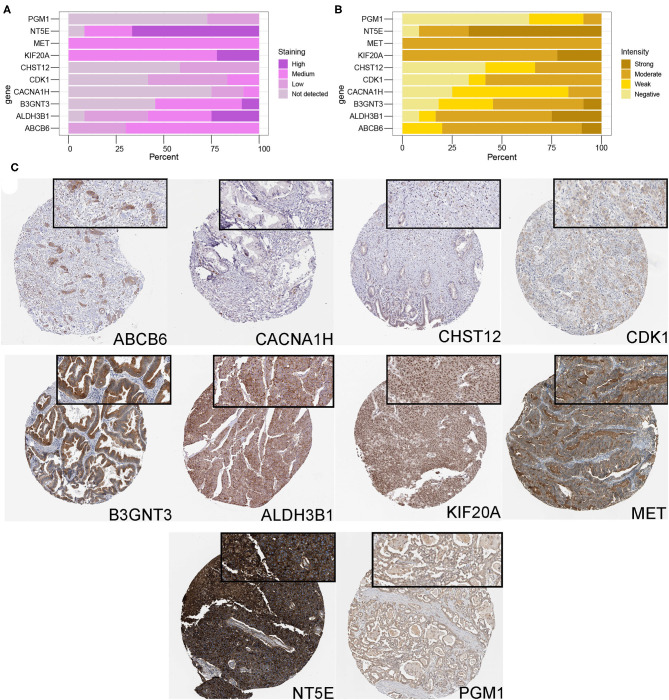
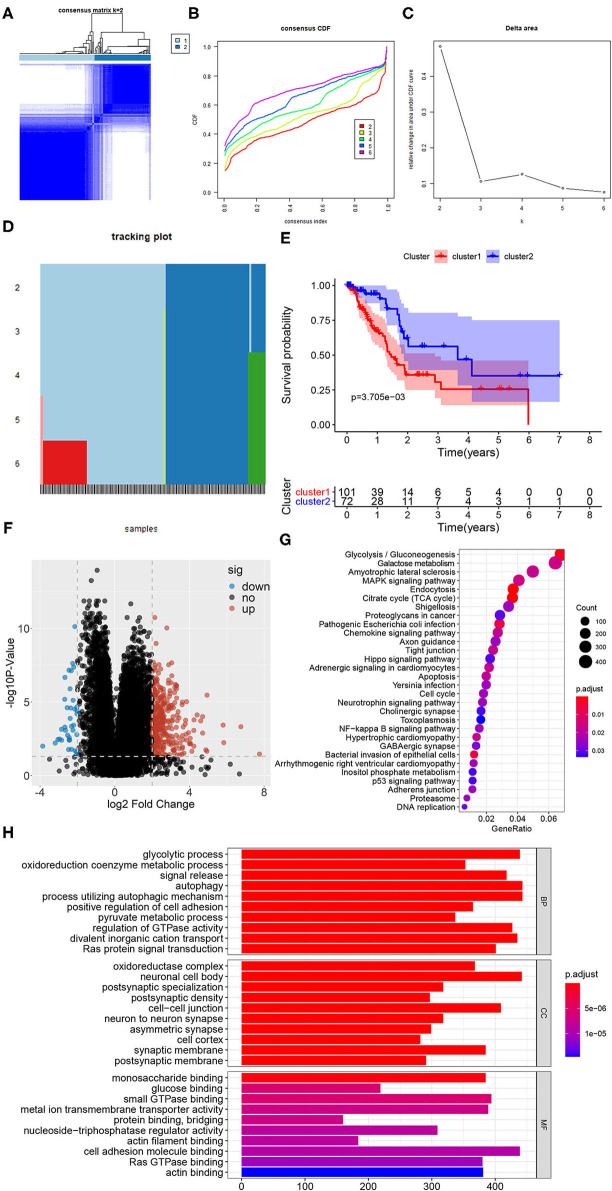
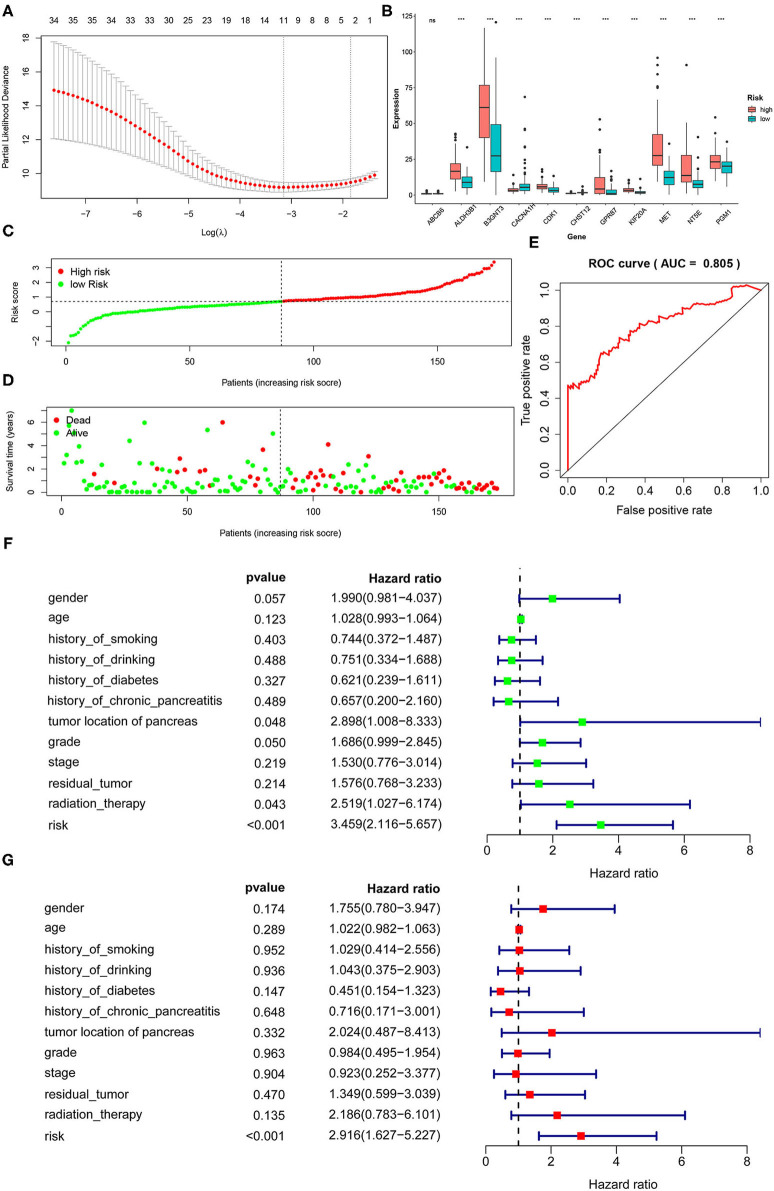
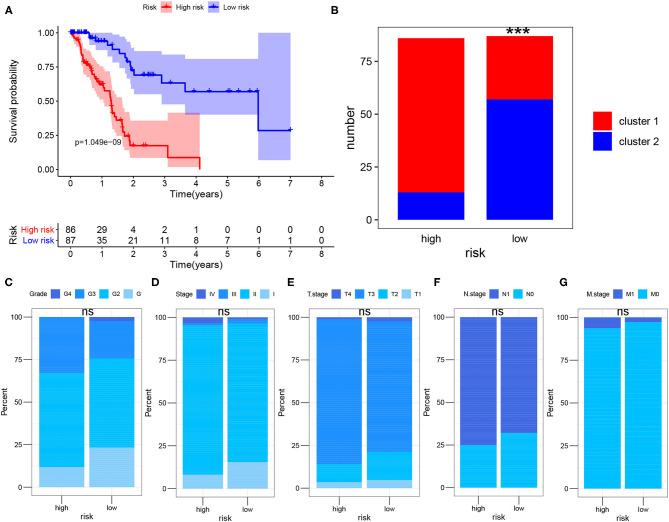
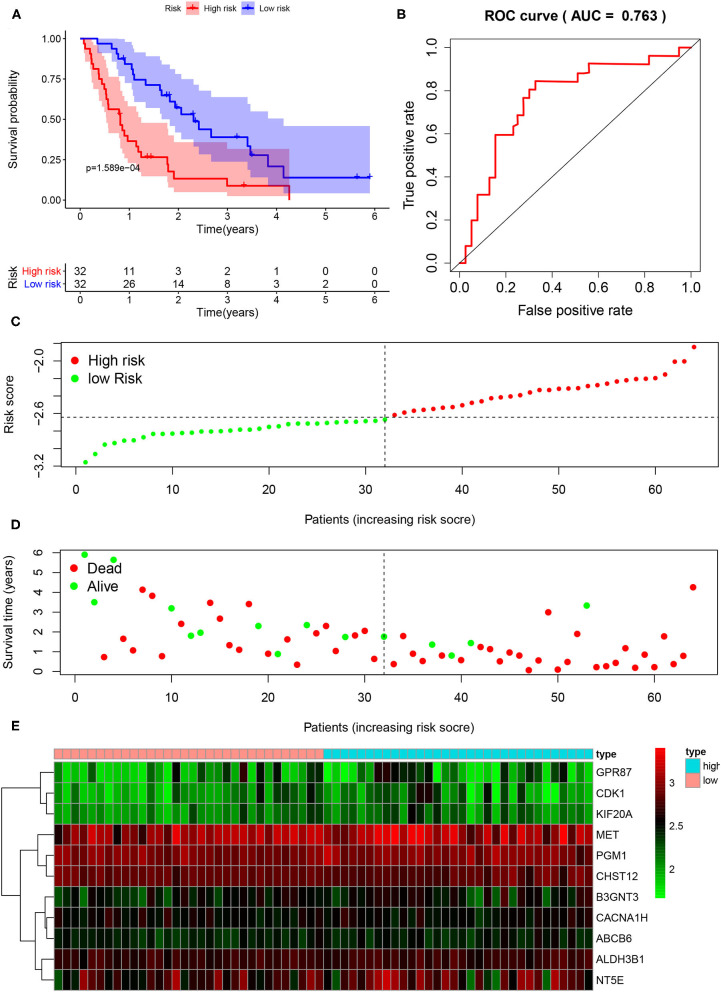
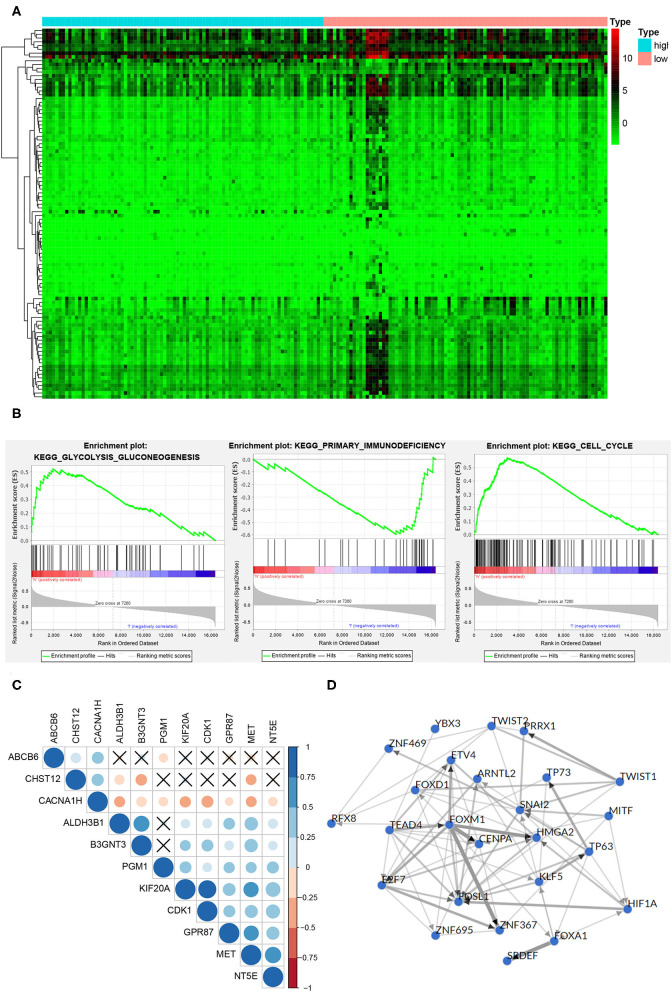
Pancreatic ductal adenocarcinoma (PDAC) is highly lethal. Although progress has been made in the treatment of PDAC, its prognosis remains unsatisfactory. This study aimed to develop novel prognostic genes related to glycolysis in PDAC and to apply these genes to new risk stratification. In this study, based on the Cancer Genome Atlas (TCGA) PAAD cohort, the expression level of glycolysis-related gene at mRNA level in PAAD and its relationship with prognosis were analyzed. Non-negative matrix decomposition (NMF) clustering was used to cluster PDAC patients according to glycolytic genes. Prognostic glycolytic genes, screened by univariate Cox analysis and LASSO regression analysis were established to calculate risk scores. The differentially expressed genes (DEGs) in the high-risk group and the low-risk group were analyzed, and the signal pathway was further enriched to analyze the correlation between glycolysis genes. In addition, based on RNA-seq data, CIBERSORT was used to evaluate the infiltration degree of immune cells in PDAC samples, and ESTIMATE was used to calculate the immune score of the samples. A total of 319 glycolysis-related genes were retrieved, and all PDAC samples were divided into two clusters by NMF cluster analysis. Survival analysis showed that PDAC patients in cluster 1 had shorter survival time and worse prognosis compared with cluster 2 samples ( < 0.001). A risk prediction model based on 11 glycolysis genes was constructed, according to which patients were divided into two groups, with significantly poorer prognosis in high-risk group than in low-risk group ( < 0.001). Both internal validation and external dataset validation demonstrate good predictive ability of the model (AUC = 0.805, < 0.001; AUC = 0.763, < 0.001). Gene aggregation analysis showed that DEGs highly expressed in high-risk group were mainly concentrated in the glycolysis level, immune status, and tumor cell proliferation, etc. In addition, the samples in high-risk group showed immunosuppressed status and infiltrated by relatively more macrophages and less CD8+T cell. These findings suggested that the gene signature based on glycolysis-related genes had potential diagnostic, therapeutic, and prognostic value for PDAC.
胰腺导管腺癌(PDAC)具有高度致死性。尽管在PDAC治疗方面已取得进展,但其预后仍不尽人意。本研究旨在开发与PDAC糖酵解相关的新型预后基因,并将这些基因应用于新的风险分层。在本研究中,基于癌症基因组图谱(TCGA)的PAAD队列,分析了PAAD中糖酵解相关基因在mRNA水平的表达情况及其与预后的关系。使用非负矩阵分解(NMF)聚类根据糖酵解基因对PDAC患者进行聚类。通过单变量Cox分析和LASSO回归分析筛选出预后糖酵解基因,用于计算风险评分。分析高风险组和低风险组中的差异表达基因(DEG),并进一步富集信号通路以分析糖酵解基因之间的相关性。此外,基于RNA测序数据,使用CIBERSORT评估PDAC样本中免疫细胞的浸润程度,并使用ESTIMATE计算样本的免疫评分。共检索到319个糖酵解相关基因,通过NMF聚类分析将所有PDAC样本分为两个簇。生存分析表明,与簇2样本相比,簇1中的PDAC患者生存时间更短,预后更差(<0.001)。构建了基于11个糖酵解基因的风险预测模型,据此将患者分为两组,高风险组的预后明显比低风险组差(<0.001)。内部验证和外部数据集验证均表明该模型具有良好的预测能力(AUC = 0.805,<0.001;AUC = 0.763,<0.001)。基因聚集分析表明,在高风险组中高表达的DEG主要集中在糖酵解水平、免疫状态和肿瘤细胞增殖等方面。此外,高风险组的样本显示出免疫抑制状态,巨噬细胞浸润相对较多,CD8 + T细胞较少。这些发现表明,基于糖酵解相关基因的基因特征对PDAC具有潜在的诊断、治疗和预后价值。