Pascuta Mihaela Stefana, Varvara Rodica-Anita, Teleky Bernadette-Emőke, Szabo Katalin, Plamada Diana, Nemeş Silvia-Amalia, Mitrea Laura, Martău Gheorghe Adrian, Ciont Călina, Călinoiu Lavinia Florina, Barta Gabriel, Vodnar Dan Cristian
Life Science Institute, University of Agricultural Sciences and Veterinary Medicine, 400372 Cluj-Napoca, Romania.
Department of Food Science, Faculty of Food Science and Technology, University of Agricultural Sciences and Veterinary Medicine, Calea Mănăștur 3-5, 400372 Cluj-Napoca, Romania.
Gels. 2022 Aug 21;8(8):524. doi: 10.3390/gels8080524.
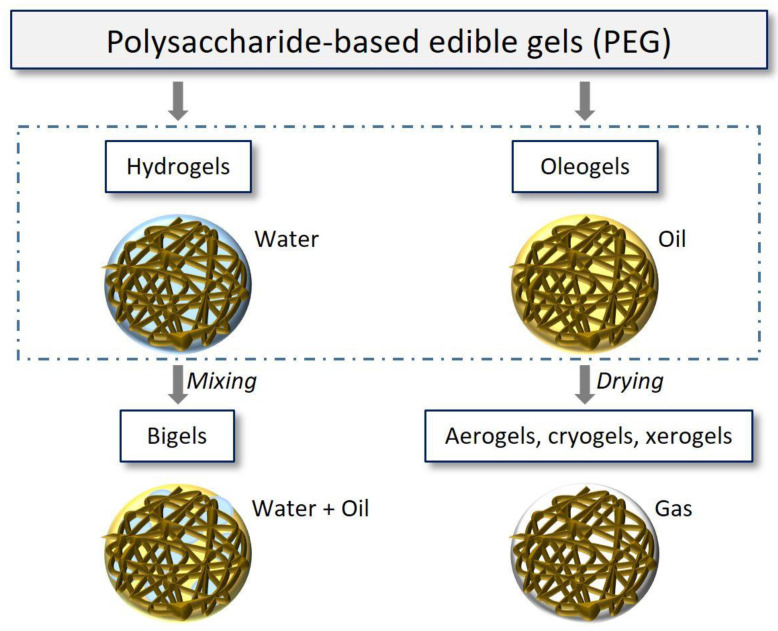
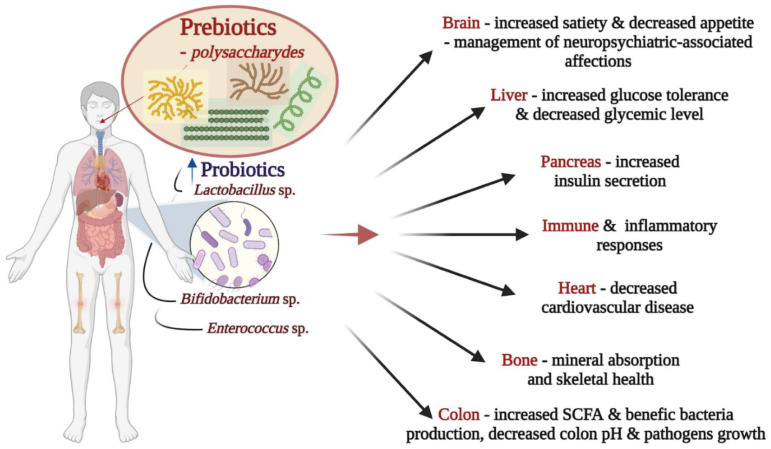
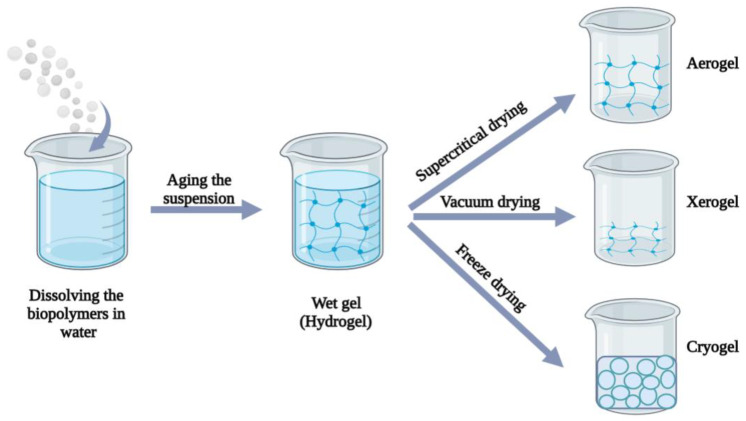
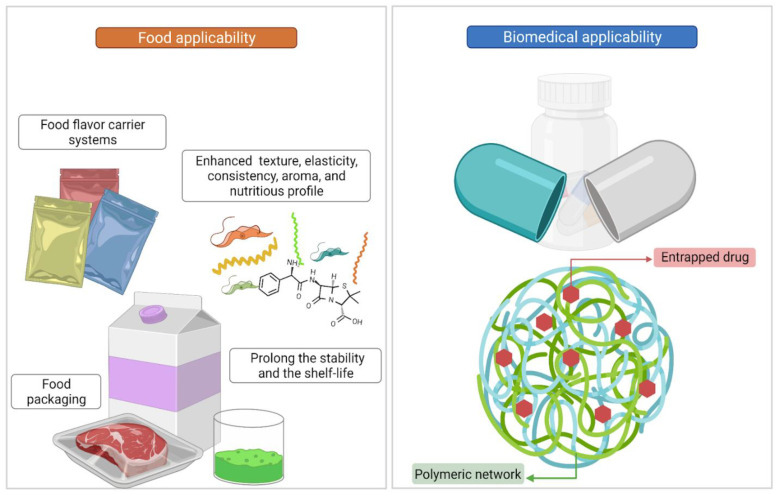
Nowadays, edible materials such as polysaccharides have gained attention due to their valuable attributes, especially gelling property. Polysaccharide-based edible gels (PEGs) can be classified as (i) hydrogels, (ii) oleogels and bigels, (iii) and aerogels, cryogels and xerogels, respectively. PEGs have different characteristics and benefits depending on the functional groups of polysaccharide chains (e.g., carboxylic, sulphonic, amino, methoxyl) and on the preparation method. However, PEGs are found in the incipient phase of research and most studies are related to their preparation, characterization, sustainable raw materials, and applicability. Furthermore, all these aspects are treated separately for each class of PEG, without offering an overview of those already obtained PEGs. The novelty of this manuscript is to offer an overview of the classification, definition, formulation, and characterization of PEGs. Furthermore, the applicability of PEGs in the food sector (e.g., food packaging, improving food profile agent, delivery systems) and in the medical/pharmaceutical sector is also critically discussed. Ultimately, the correlation between PEG consumption and polysaccharides properties for human health (e.g., intestinal microecology, "" in obesity, gut microbiota) are critically discussed for the first time. Bigels may be valuable for use as ink for 3D food printing in personalized diets for human health treatment. PEGs have a significant role in developing smart materials as both ingredients and coatings and methods, and techniques for exploring PEGs are essential. PEGs as carriers of bioactive compounds have a demonstrated effect on obesity. All the physical, chemical, and biological interactions among PEGs and other organic and inorganic structures should be investigated.
如今,多糖等可食用材料因其宝贵的特性,尤其是胶凝特性而受到关注。基于多糖的可食用凝胶(PEGs)可分别分类为:(i)水凝胶,(ii)油凝胶和双凝胶,(iii)气凝胶、冷冻凝胶和干凝胶。PEGs根据多糖链的官能团(如羧基、磺酸基、氨基、甲氧基)和制备方法具有不同的特性和益处。然而,PEGs目前处于研究初期,大多数研究都与它们的制备、表征、可持续原料和适用性有关。此外,所有这些方面都是针对每类PEG分别进行处理的,没有对已获得的PEGs进行概述。本手稿的新颖之处在于对PEGs的分类、定义、配方和表征进行概述。此外,还对PEGs在食品领域(如食品包装、改善食品品质剂、递送系统)和医疗/制药领域的适用性进行了批判性讨论。最终,首次批判性地讨论了PEGs的消费与对人类健康有益的多糖特性之间的相关性(如肠道微生态、肥胖症中的作用、肠道微生物群)。双凝胶可能作为3D食品打印墨水用于人类健康治疗的个性化饮食中具有价值。PEGs作为成分和涂层在开发智能材料方面具有重要作用,探索PEGs的方法和技术至关重要。PEGs作为生物活性化合物的载体已被证明对肥胖症有影响。应研究PEGs与其他有机和无机结构之间所有的物理、化学和生物相互作用。