Carfora Anna, Petrella Raffaella, Ambrosio Giusy, Mascolo Pasquale, Liguori Bruno, Juhnke Christian, Campobasso Carlo Pietro, Keller Thomas
Forensic Toxicology Unit, Department of Experimental Medicine, University of Campania "L. Vanvitelli", Via L. Armanni, 5, 80138 Naples, Italy.
Laboratory for Vacuum and Low Temperature Technology, University of Applied Sciences, Nibelungeplatz 1, D-60318 Frankfurt, Germany.
Toxics. 2022 Jul 28;10(8):424. doi: 10.3390/toxics10080424.
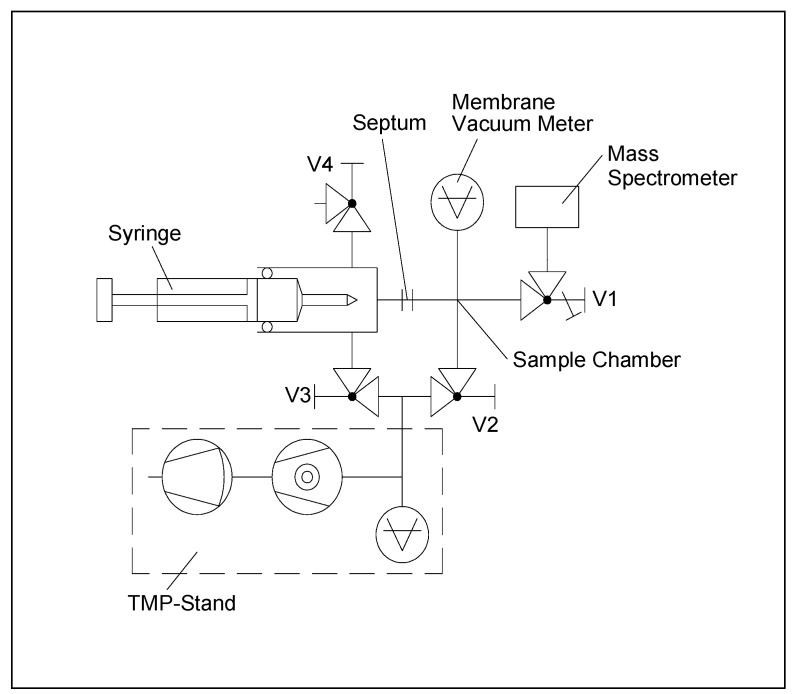
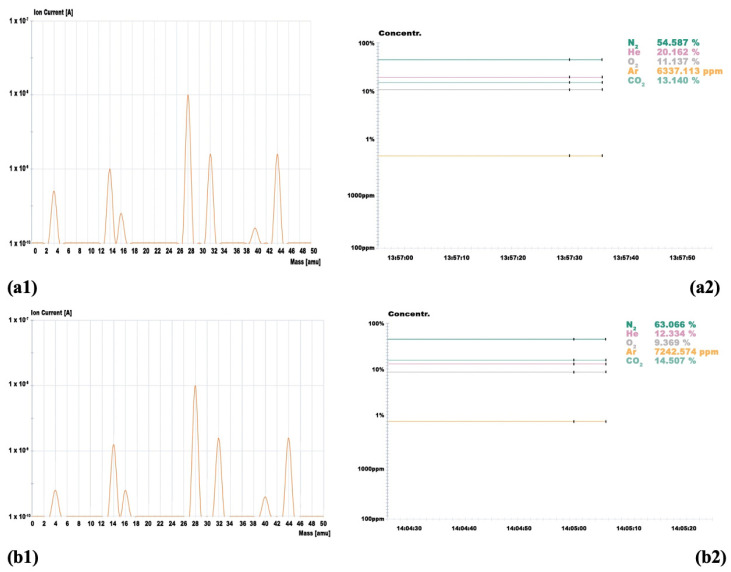
Suicide by helium inhalation has become increasingly common in the last few decades in Europe and the US because it produces a quick and painless death. Inhaled-gas suicides can easily be assessed through death scene investigation and autopsy. However, helium is a colorless and odorless inert gas that unfortunately cannot be detected using standard toxicological analysis. A successful gas analysis was performed following the suicide of a 17-year-old female. For the detection of helium, central/peripheral blood samples and gaseous samples from the esophagus, stomach, and upper and lower respiratory airways (from the trachea and the primary left and right bronchia) were collected with a gastight syringe, ensuring minimal dilution. Qualitative analyses were positive in all gaseous samples. Quantitative analyses were performed using a special gas-inlet system with a vacuum by which the sample can be transferred to a mass spectrometer, reducing the risk of contamination. Helium concentrations were 20.16% from the trachea, 12.33% from the right lung, and 1.5% from the stomach. Based on the high levels of helium, the cause and manner of death were assessed as asphyxia suicide by inhalation of helium. Therefore, toxicological analyses should always be applied in order to gain evidence of inhaled gas in gaseous samples.
在过去几十年里,通过吸入氦气自杀在欧洲和美国变得越来越普遍,因为它能导致快速且无痛的死亡。吸入气体自杀可通过死亡现场调查和尸检轻易评估。然而,氦气是一种无色无味的惰性气体,不幸的是,无法使用标准毒理学分析检测到它。在一名17岁女性自杀后进行了一次成功的气体分析。为了检测氦气,用气密注射器从食管、胃以及上、下呼吸道(气管和左右主支气管)采集了中央/外周血样和气态样本,以确保稀释最小。所有气态样本的定性分析均为阳性。使用带有真空的特殊气体进样系统进行定量分析,通过该系统可将样本转移至质谱仪,降低污染风险。气管中的氦气浓度为20.16%,右肺为12.33%,胃为1.5%。基于高含量的氦气,死亡原因和方式被判定为吸入氦气导致的窒息自杀。因此,为了获取气态样本中吸入气体的证据,应始终进行毒理学分析。