Horváth Gergő, Sváb Gergely, Komlódi Tímea, Ravasz Dora, Kacsó Gergely, Doczi Judit, Chinopoulos Christos, Ambrus Attila, Tretter László
Department of Biochemistry, Semmelweis University, 1094 Budapest, Hungary.
Antioxidants (Basel). 2022 Jul 29;11(8):1487. doi: 10.3390/antiox11081487.
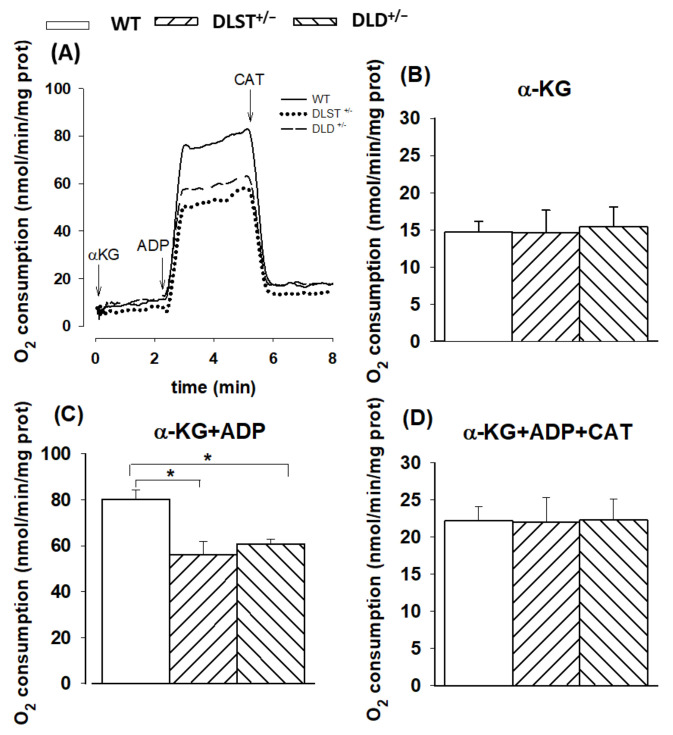
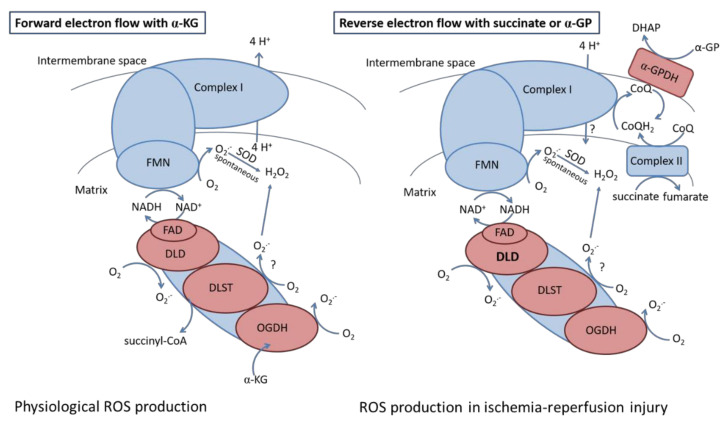
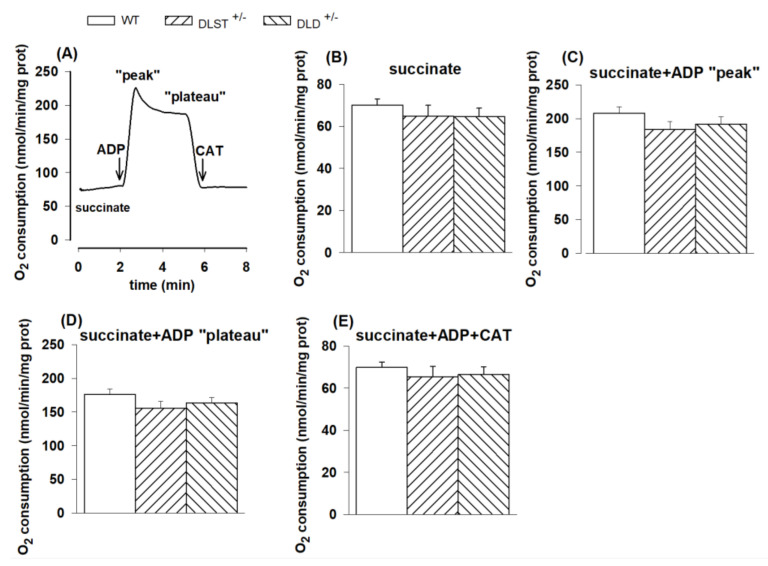
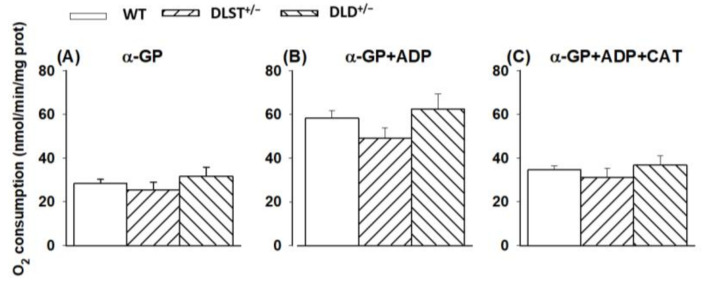
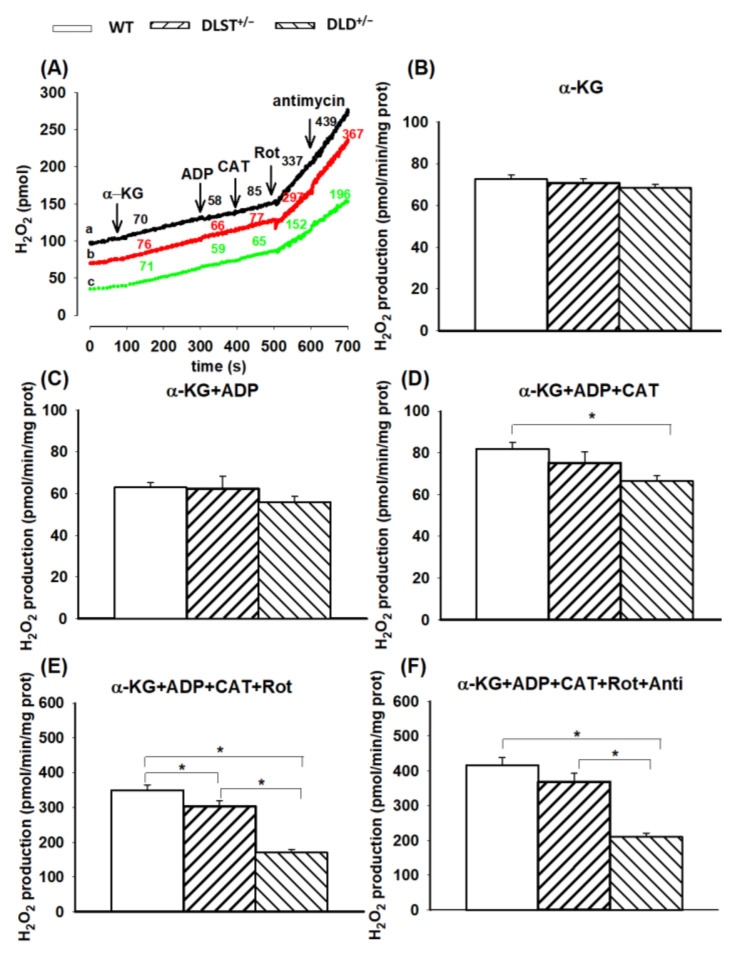
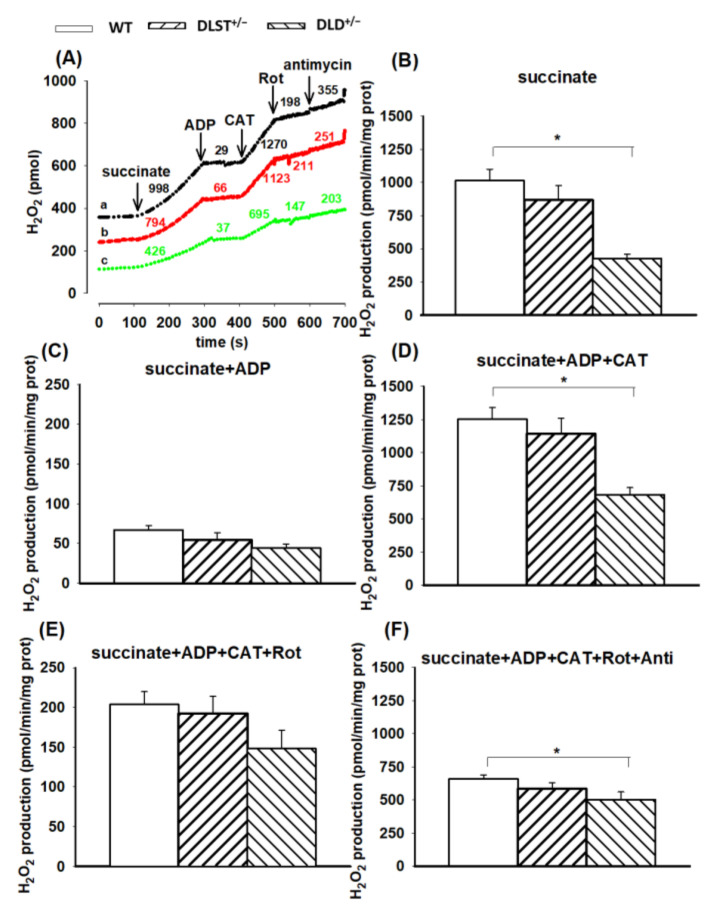
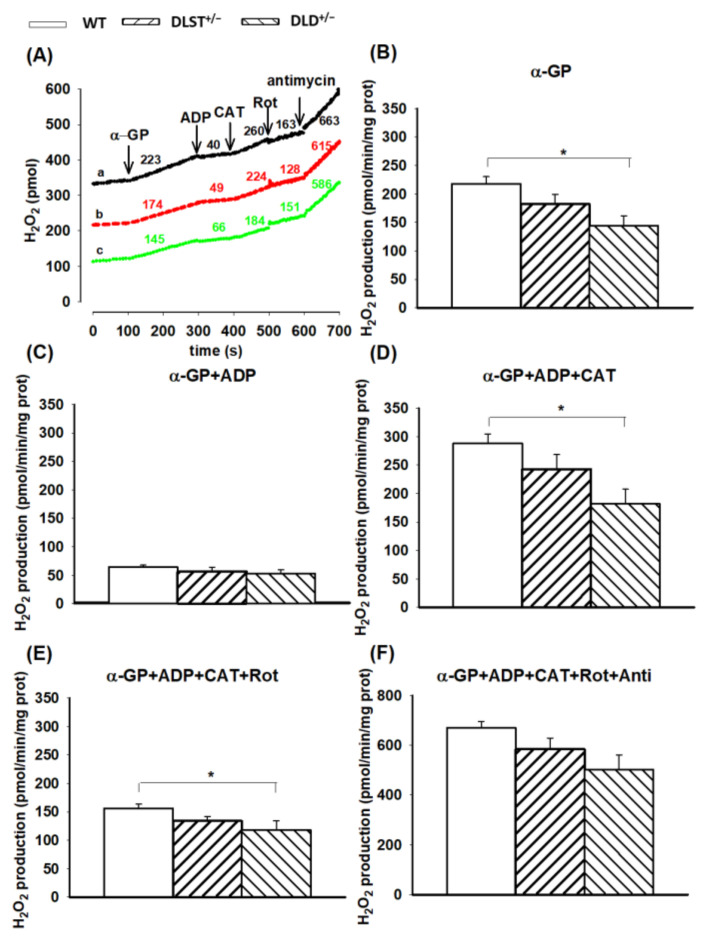
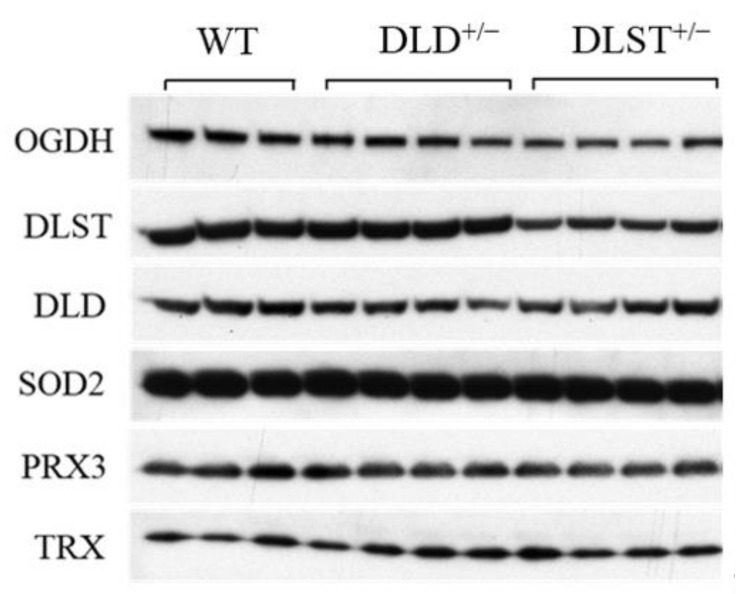
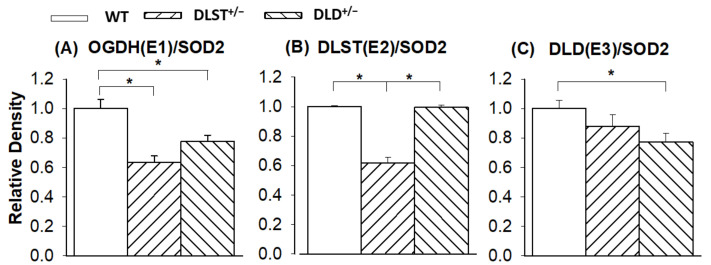
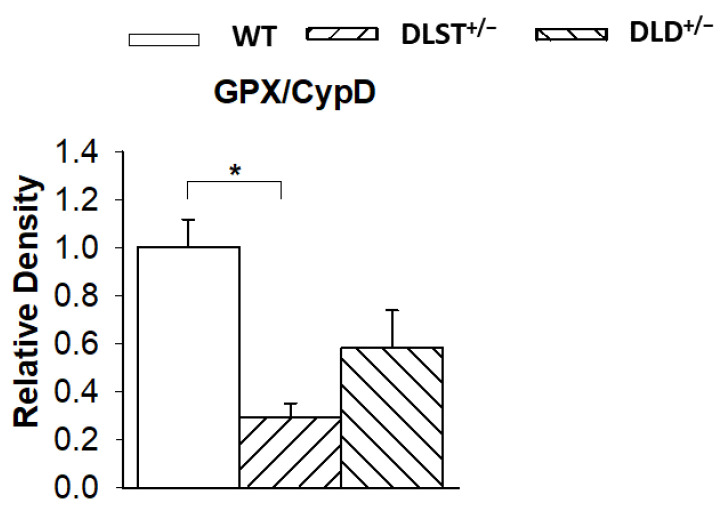
α-ketoglutarate dehydrogenase complex (KGDHc), or 2-oxoglutarate dehydrogenase complex (OGDHc) is a rate-limiting enzyme in the tricarboxylic acid cycle, that has been identified in neurodegenerative diseases such as in Alzheimer's disease. The aim of the present study was to establish the role of the KGDHc and its subunits in the bioenergetics and reactive oxygen species (ROS) homeostasis of brain mitochondria. To study the bioenergetic profile of KGDHc, genetically modified mouse strains were used having a heterozygous knock out (KO) either in the dihydrolipoyl succinyltransferase (DLST) or in the dihydrolipoyl dehydrogenase (DLD) subunit. Mitochondrial oxygen consumption, hydrogen peroxide (HO) production, and expression of antioxidant enzymes were measured in isolated mouse brain mitochondria. Here, we demonstrate that the ADP-stimulated respiration of mitochondria was partially arrested in the transgenic animals when utilizing α-ketoglutarate (α-KG or 2-OG) as a fuel substrate. Succinate and α-glycerophosphate (α-GP), however, did not show this effect. The HO production in mitochondria energized with α-KG was decreased after inhibiting the adenine nucleotide translocase and Complex I (CI) in the transgenic strains compared to the controls. Similarly, the reverse electron transfer (RET)-evoked HO formation supported by succinate or α-GP were inhibited in mitochondria isolated from the transgenic animals. The decrease of RET-evoked ROS production by DLST or DLD KO-s puts the emphasis of the KGDHc in the pathomechanism of ischemia-reperfusion evoked oxidative stress. Supporting this notion, expression of the antioxidant enzyme glutathione peroxidase was also decreased in the KGDHc transgenic animals suggesting the attenuation of ROS-producing characteristics of KGDHc. These findings confirm the contribution of the KGDHc to the mitochondrial ROS production and in the pathomechanism of ischemia-reperfusion injury.
α-酮戊二酸脱氢酶复合体(KGDHc),即2-氧代戊二酸脱氢酶复合体(OGDHc),是三羧酸循环中的一种限速酶,已在神经退行性疾病如阿尔茨海默病中被发现。本研究的目的是确定KGDHc及其亚基在脑线粒体生物能量学和活性氧(ROS)稳态中的作用。为了研究KGDHc的生物能量学特征,使用了在二氢硫辛酰胺琥珀酰转移酶(DLST)或二氢硫辛酰胺脱氢酶(DLD)亚基中具有杂合敲除(KO)的转基因小鼠品系。在分离的小鼠脑线粒体中测量线粒体氧消耗、过氧化氢(H₂O₂)产生以及抗氧化酶的表达。在此,我们证明,当利用α-酮戊二酸(α-KG或2-OG)作为燃料底物时,转基因动物中线粒体的ADP刺激呼吸部分受阻。然而,琥珀酸和α-甘油磷酸(α-GP)并未表现出这种效应。与对照相比,在转基因品系中抑制腺嘌呤核苷酸转位酶和复合体I(CI)后,用α-KG供能的线粒体中的H₂O₂产生减少。同样,在从转基因动物分离的线粒体中,由琥珀酸或α-GP支持的反向电子传递(RET)诱发的H₂O₂形成受到抑制。DLST或DLD基因敲除导致的RET诱发的ROS产生减少,突出了KGDHc在缺血再灌注诱发的氧化应激发病机制中的作用。支持这一观点的是,KGDHc转基因动物中抗氧化酶谷胱甘肽过氧化物酶的表达也降低,这表明KGDHc产生ROS的特性减弱。这些发现证实了KGDHc对线粒体ROS产生以及缺血再灌注损伤发病机制的作用。