Department of Haematology, School of Medical Sciences, Universiti Sains Malaysia, Kota Bharu 16150, Malaysia.
Institute of Metabolism and Systems Research, University of Birmingham, Birmingham B15 2TT, UK.
Cells. 2022 Aug 18;11(16):2575. doi: 10.3390/cells11162575.
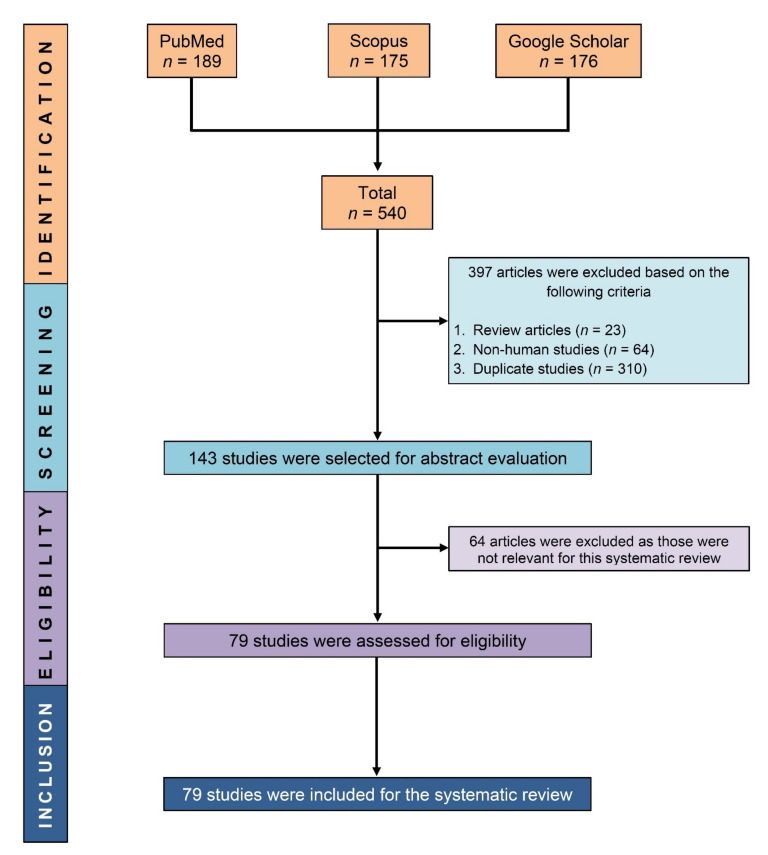
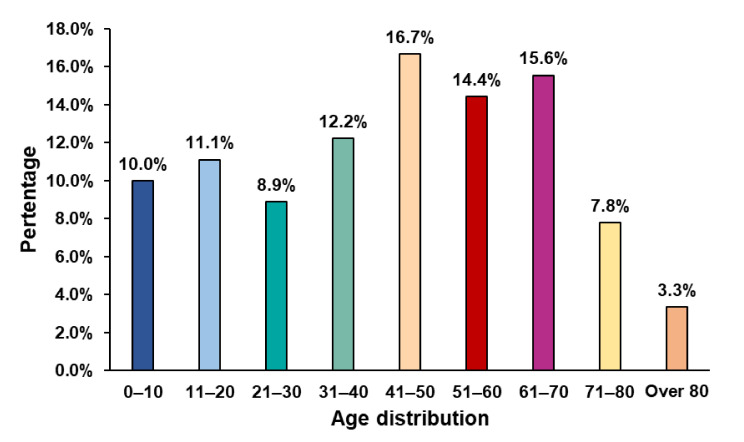
Although severe acute respiratory syndrome coronavirus 2 (SARS-CoV-2) predominantly infects the respiratory system, several investigations have shown the involvement of the central nervous system (CNS) along the course of the illness, with encephalitis being one of the symptoms. The objective of this systematic review was to evaluate the characteristics (clinical, neuro-radiological aspects, and laboratory features) and outcomes of encephalitis in COVID-19 patients. PubMed, Scopus, and Google Scholar databases were searched from 1 December 2019 until 21 July 2022 to identify case reports and case series published on COVID-19 associated with encephalitis. The quality of the included studies was assessed by the Joanna Briggs Institute critical appraisal checklists. This systematic review included 79 studies, including 91 COVID-19 patients (52.7% male) experiencing encephalitis, where 85.6% were adults (49.3 ± 20.2 years), and 14.4% were children (11.2 ± 7.6 years). RT-PCR was used to confirm 92.2% of the COVID-19 patients. Encephalitis-related symptoms were present in 78.0% of COVID-19 patients at the time of diagnosis. In these encephalitis patients, seizure (29.5%), confusion (23.2%), headache (20.5%), disorientation (15.2%), and altered mental status (11.6%) were the most frequently reported neurologic manifestations. Looking at the MRI, EEG, and CSF findings, 77.6%, 75.5%, and 64.1% of the patients represented abnormal results. SARS-CoV-2-associated or -mediated encephalitis were the most common type observed (59.3%), followed by autoimmune encephalitis (18.7%). Among the included patients, 66.7% were discharged (37.8% improved and 28.9% fully recovered), whereas 20.0% of the reported COVID-19-positive encephalitis patients died. Based on the quality assessment, 87.4% of the studies were of high quality. Although in COVID-19, encephalitis is not a typical phenomenon, SARS-CoV-2 seems like a neuropathogen affecting the brain even when there are no signs of respiratory illness, causing a high rate of disability and fatality.
尽管严重急性呼吸综合征冠状病毒 2(SARS-CoV-2)主要感染呼吸系统,但多项研究表明,中枢神经系统(CNS)也会受到影响,脑炎是其中一种症状。本系统评价的目的是评估 COVID-19 患者脑炎的特征(临床、神经影像学和实验室特征)和结局。我们检索了 2019 年 12 月 1 日至 2022 年 7 月 21 日的 PubMed、Scopus 和 Google Scholar 数据库,以确定与 COVID-19 相关脑炎的病例报告和病例系列研究。我们使用 Joanna Briggs 研究所的批判性评价清单评估纳入研究的质量。本系统评价共纳入 79 项研究,共纳入 91 例 COVID-19 患者(52.7%为男性)发生脑炎,其中 85.6%为成年人(49.3±20.2 岁),14.4%为儿童(11.2±7.6 岁)。92.2%的 COVID-19 患者采用 RT-PCR 确诊。诊断时 COVID-19 患者中有 78.0%存在脑炎相关症状。在这些脑炎患者中,最常报告的神经系统表现为癫痫发作(29.5%)、意识混乱(23.2%)、头痛(20.5%)、定向障碍(15.2%)和精神状态改变(11.6%)。根据 MRI、EEG 和 CSF 检查结果,77.6%、75.5%和 64.1%的患者结果异常。观察到最常见的 SARS-CoV-2 相关或介导的脑炎类型(59.3%),其次是自身免疫性脑炎(18.7%)。纳入患者中,66.7%出院(37.8%好转,28.9%完全康复),20.0%报告的 COVID-19 阳性脑炎患者死亡。基于质量评估,87.4%的研究为高质量。尽管 COVID-19 中脑炎并非典型现象,但 SARS-CoV-2 似乎是一种神经病原体,即使没有呼吸道疾病迹象也会影响大脑,导致高残疾率和死亡率。