Psoriasis Research and Treatment Center, Charité-Universitätsmedizin Berlin, 10117 Berlin, Germany.
Interdisciplinary Group of Molecular Immunopathology, Dermatology/Medical Immunology, Charité-Universitätsmedizin Berlin, 10117 Berlin, Germany.
Int J Mol Sci. 2022 Aug 13;23(16):9057. doi: 10.3390/ijms23169057.
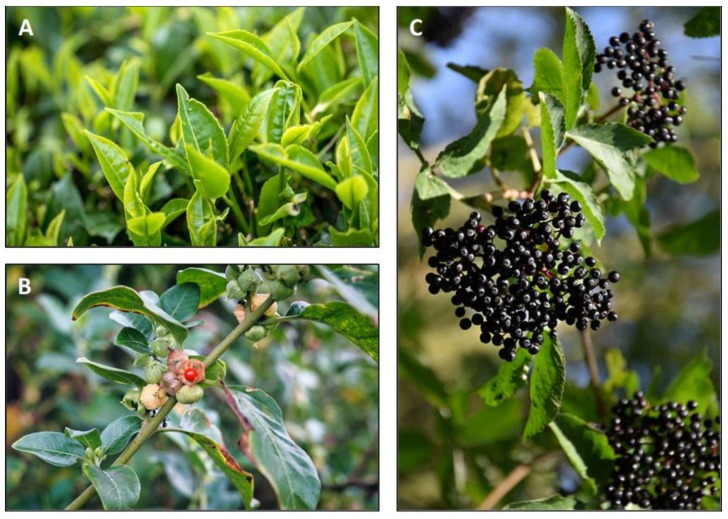
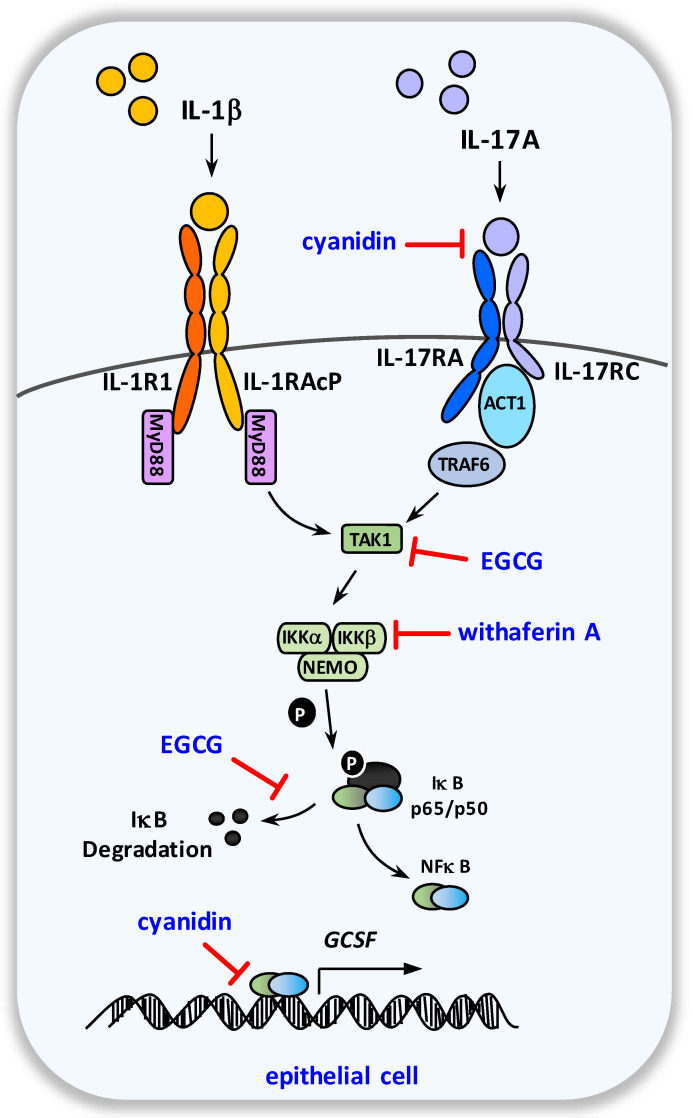
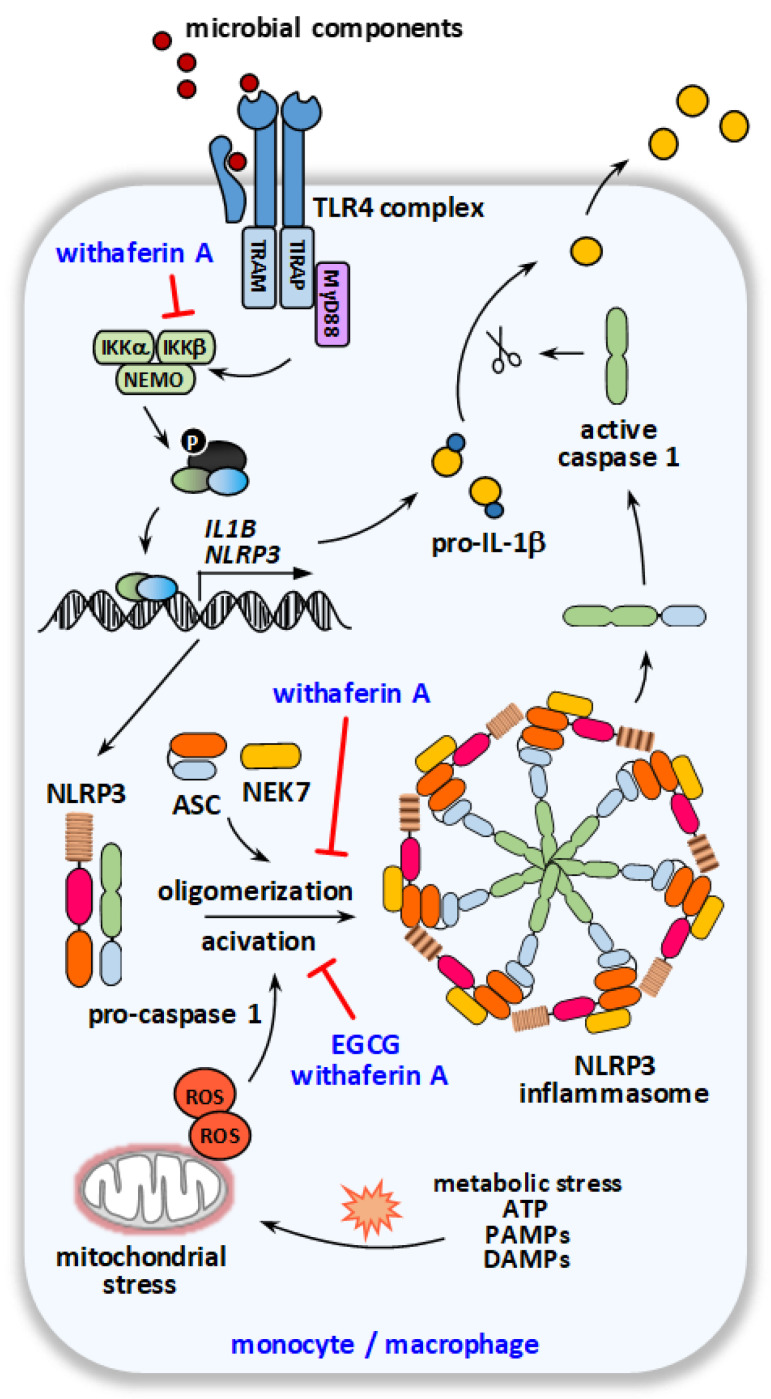
Hidradenitis suppurativa (HS; also designated as acne inversa) is a chronic inflammatory disease characterized by painful skin lesions that occur in the axillary, inguinal, gluteal and perianal areas of the body. These lesions contain recurring deep-seated, inflamed nodules and pus-discharging abscesses and fistulas. Affecting about 1% of the population, this common disease has gained appropriate clinical attention in the last years. Associated with numerous comorbidities including metabolic syndrome, HS is considered a systemic disease that severely impairs the quality of life and shortens life expectancy. Therapeutic options for HS are limited, comprising long-term antibiotic treatment, the surgical removal of affected skin areas, and neutralization of TNF-α, the only approved systemic treatment. Novel treatment options are needed to close the therapeutic gap. HS pathogenesis is increasingly better understood. In fact, neutrophilic granulocytes (neutrophils) seem to be decisive for the development of the purulent destructive skin inflammation in HS. Recent findings suggest a key role of the immune mediators IL-1β, IL-17A and G-CSF in the migration into and activation of neutrophils in the skin. Although phytomedical drugs display potent immunoregulatory properties and have been suggested as complementary therapy in several chronic disorders, their application in HS has not been considered so far. In this review, we describe the IL-1/IL-17/G-CSF axis and evaluate it as potential target for an integrated phytomedical treatment of HS.
化脓性汗腺炎(HS;也称为反向痤疮)是一种慢性炎症性疾病,其特征是身体腋窝、腹股沟、臀部和肛周区域出现疼痛性皮肤损伤。这些损伤包含反复发作的深部、炎症性结节和排脓脓肿和瘘管。这种常见疾病影响约 1%的人口,近年来已得到适当的临床关注。与多种合并症相关,包括代谢综合征,HS 被认为是一种全身性疾病,严重影响生活质量并缩短预期寿命。HS 的治疗选择有限,包括长期抗生素治疗、受影响皮肤区域的手术切除以及 TNF-α 的中和,这是唯一批准的全身性治疗方法。需要新的治疗选择来缩小治疗差距。HS 的发病机制越来越清楚。事实上,嗜中性粒细胞(中性粒细胞)似乎对 HS 化脓性破坏性皮肤炎症的发展起决定性作用。最近的研究结果表明,免疫介质 IL-1β、IL-17A 和 G-CSF 在中性粒细胞向皮肤迁移和激活中的关键作用。尽管植物药具有强大的免疫调节特性,并已被提议作为几种慢性疾病的辅助治疗,但迄今为止尚未考虑将其应用于 HS。在这篇综述中,我们描述了 IL-1/IL-17/G-CSF 轴,并评估其作为 HS 综合植物药治疗的潜在靶点。