Burlacu Alexandru, Brinza Crischentian, Floria Mariana, Stefan Anca Elena, Covic Andreea, Covic Adrian
Faculty of Medicine, University of Medicine and Pharmacy "Grigore T Popa", 700115 Iasi, Romania.
Department of Interventional Cardiology, Institute of Cardiovascular Diseases "Prof. Dr. George I.M. Georgescu", 700503 Iasi, Romania.
J Clin Med. 2022 Aug 18;11(16):4837. doi: 10.3390/jcm11164837.
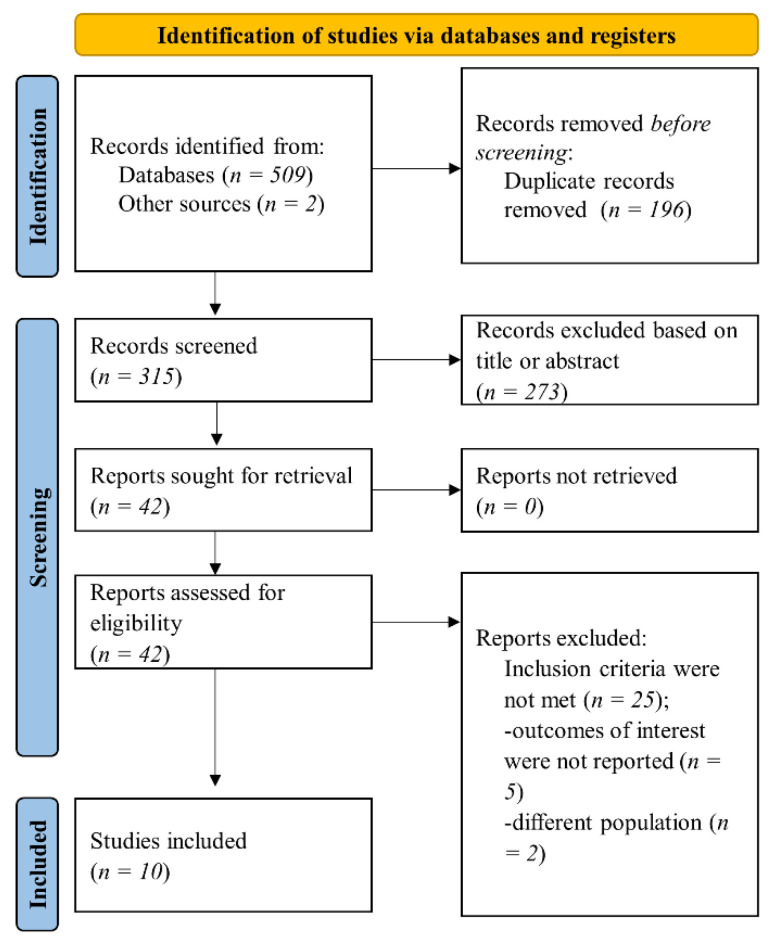
Background: Accurately selecting hypertensive candidates for renal denervation (RDN) therapy is required, as one-third of patients who undergo RDN are non-responders. We aimed to systematically review the literature on RDN response prediction using arterial stiffness assessment, optimizing the selection of patients referred for interventional blood pressure lowering procedures. Methods: A literature search was performed in MEDLINE, Embase, Scopus, and Cochrane databases to retrieve potential eligible studies from the inception to 30 June 2022. Results: Ten studies were finally included in this systematic review. Studies consistently documented that invasive pulse wave velocity (PWV) was correlated with RDN’s significant success. Nevertheless, non-invasive ambulatory arterial stiffness index and PWV derived from ambulatory blood pressure monitoring were independent predictors of blood pressure response (p = 0.04 and p < 0.0001). In some studies, magnetic resonance imaging parameters of arterial stiffness (ascending aortic distensibility, total arterial compliance) were correlated with blood pressure reduction (AUC = 0.828, p = 0.006). Conclusions: Assessing arterial stiffness prior to RDN predicted procedural success, since stiffness parameters were strongly correlated with a significant blood pressure response. Our endeavor should be tackled as a step forward in selecting appropriate hypertensive patients scheduled for RDN therapy. Non-invasive measurements could be an alternative to invasive parameters for response prediction.
由于接受肾去神经支配术(RDN)的患者中有三分之一无反应,因此需要准确选择适合RDN治疗的高血压患者。我们旨在系统回顾使用动脉僵硬度评估预测RDN反应的文献,以优化推荐接受介入性降压治疗的患者选择。方法:在MEDLINE、Embase、Scopus和Cochrane数据库中进行文献检索,以检索从数据库建立至2022年6月30日的潜在合格研究。结果:本系统评价最终纳入10项研究。研究一致表明,有创脉搏波速度(PWV)与RDN的显著成功相关。然而,无创动态动脉硬化指数和基于动态血压监测得出的PWV是血压反应的独立预测因素(p = 0.04和p < 0.0001)。在一些研究中,动脉僵硬度的磁共振成像参数(升主动脉扩张性、总动脉顺应性)与血压降低相关(AUC = 0.828,p = 0.006)。结论:在RDN术前评估动脉僵硬度可预测手术成功,因为僵硬度参数与显著的血压反应密切相关。我们的努力应被视为朝着选择适合RDN治疗的高血压患者迈出的一步。无创测量可作为预测反应的有创参数的替代方法。