The Research Center for Medicinal Plants, Al-Farabi Kazakh National University, al-Farabi Ave. 71, Almaty 050040, Kazakhstan.
Research Institute for Natural Products & Technology, Almaty 050046, Kazakhstan.
Molecules. 2022 Aug 11;27(16):5128. doi: 10.3390/molecules27165128.
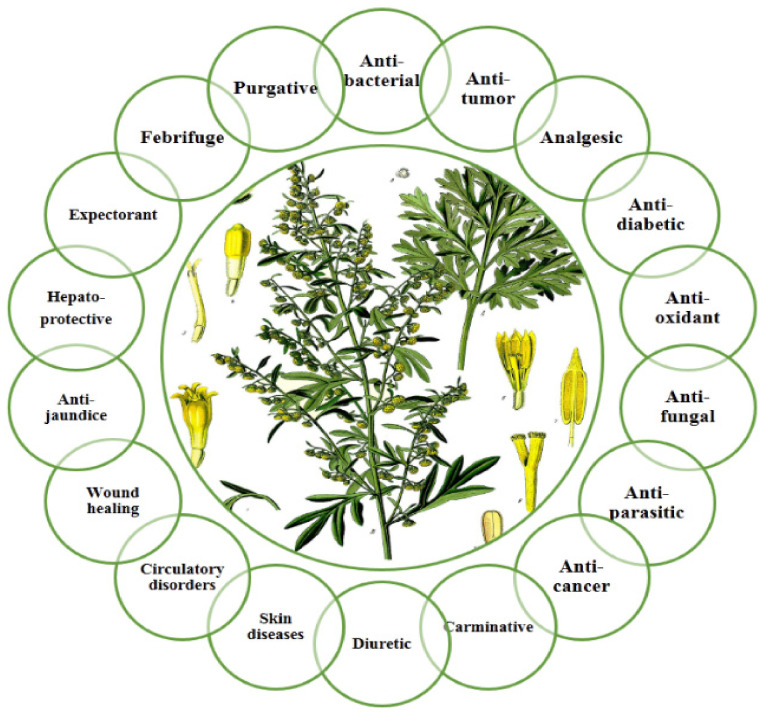
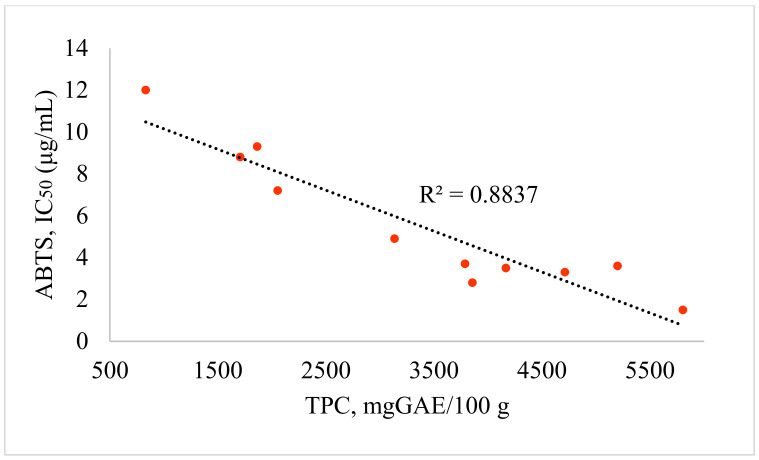
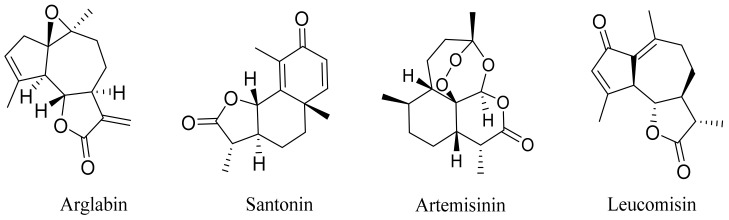
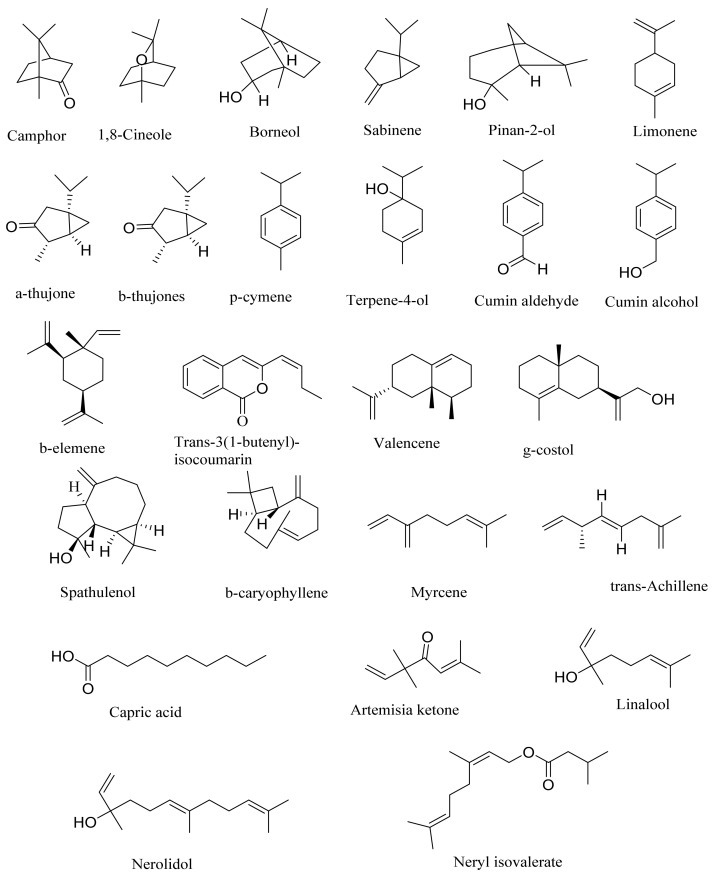
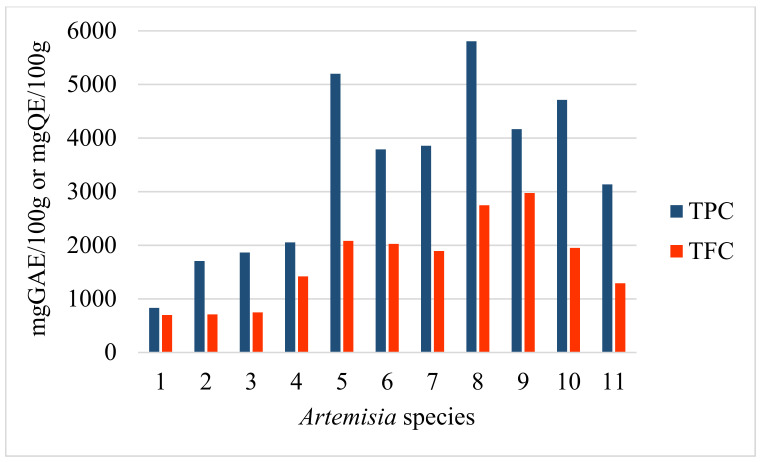
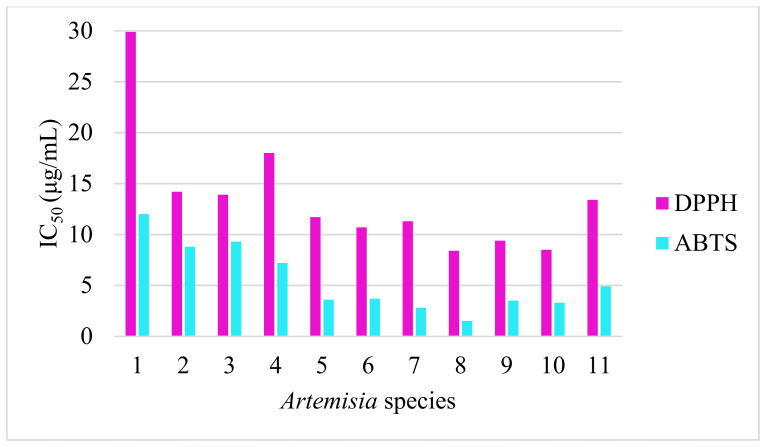
The flora of Kazakhstan is characterized by its wide variety of different types of medicinal plants, many of which can be used on an industrial scale. The Traditional Kazakh Medicine (TKM) was developed during centuries based on the six elements of ancient Kazakh theory, associating different fields such as pharmacology, anatomy, pathology, immunology and food nursing as well as disease prevention. The endemic L. species are potential sources of unique and new natural products and new chemical structures, displaying diverse bioactivities and leading to the development of safe and effective phytomedicines against prevailing diseases in Kazakhstan and the Central Asia region. This review provides an overview of species from Central Asia, particularly traditional uses in folk medicine and the recent numerous phytochemical and pharmacological studies. The review is done by the methods of literature searches in well-known scientific websites (Scifinder and Pubmed) and data collection in university libraries. Furthermore, our aim is to search for promising and potentially active species candidates, encouraging us to analyze Protein Tyrosine Phosphatase 1B (PTP1B), α-glucosidase and bacterial neuraminidase (BNA) inhibition as well as the antioxidant potentials of plant extracts, in which endemic species have not been explored for their secondary metabolites and biological activities so far. The main result of the study was that, for the first time, the species Ledeb. Krasch., Poljakov, Ledeb., Weber and Willd. ex Ledeb. due to their special metabolites, showed a high potential for α-glucosidase, PTP1B and BNA inhibition, which is associated with diabetes, obesity and bacterial infections. In addition, we revealed that the methanol extracts of were a potent source of polyphenolic compounds. The total polyphenolic contents of extracts were correlated with antioxidant potential and varied according to plant origin, the solvent of extraction and the analytical method used. Consequently, oxidative stress caused by reactive oxygen species (ROS) may be managed by the dietary intake of current species. The antioxidant potentials of the species , , and Waldst. & Kitam. were also promising. In conclusion, the examination of details between different species in our research has shown that plant materials are good as an antioxidant and eznyme inhibitory functional natural source.
哈萨克斯坦的植物区系以其种类繁多的药用植物为特征,其中许多植物可以在工业规模上使用。传统哈萨克医学(TKM)是在几个世纪的基础上发展起来的,它基于古代哈萨克理论的六个元素,将药理学、解剖学、病理学、免疫学和食品护理以及疾病预防等不同领域联系在一起。地方特有物种是独特和新型天然产物和新化学结构的潜在来源,显示出多样化的生物活性,并导致开发针对哈萨克斯坦和中亚地区流行疾病的安全有效的植物药。本文综述了中亚地区物种的概况,特别是民间医学中的传统用途和最近大量的植物化学和药理学研究。综述是通过在知名科学网站(Scifinder 和 Pubmed)上进行文献检索和在大学图书馆收集数据来完成的。此外,我们的目的是寻找有前途和潜在活跃的物种候选者,鼓励我们分析蛋白酪氨酸磷酸酶 1B(PTP1B)、α-葡萄糖苷酶和细菌神经氨酸酶(BNA)抑制以及植物提取物的抗氧化潜力,迄今为止,地方特有物种尚未因其次生代谢物和生物活性而得到探索。该研究的主要结果是,首次发现 Ledeb. Krasch.、Poljakov、Ledeb.、Weber 和 Ledeb. ex Ledeb. 等物种由于其特殊的代谢物,对 α-葡萄糖苷酶、PTP1B 和 BNA 抑制具有很高的潜力,这与糖尿病、肥胖和细菌感染有关。此外,我们还揭示了甲醇提取物是多酚化合物的丰富来源。的提取物总多酚含量与抗氧化潜力相关,并且根据植物来源、提取溶剂和使用的分析方法而变化。因此,由活性氧 (ROS) 引起的氧化应激可能通过食用当前的物种来管理。物种、、和 Waldst. & Kitam. 的抗氧化潜力也很有前景。总之,我们的研究对不同物种之间的细节进行了检查,表明植物材料是一种很好的抗氧化和酶抑制功能天然来源。